


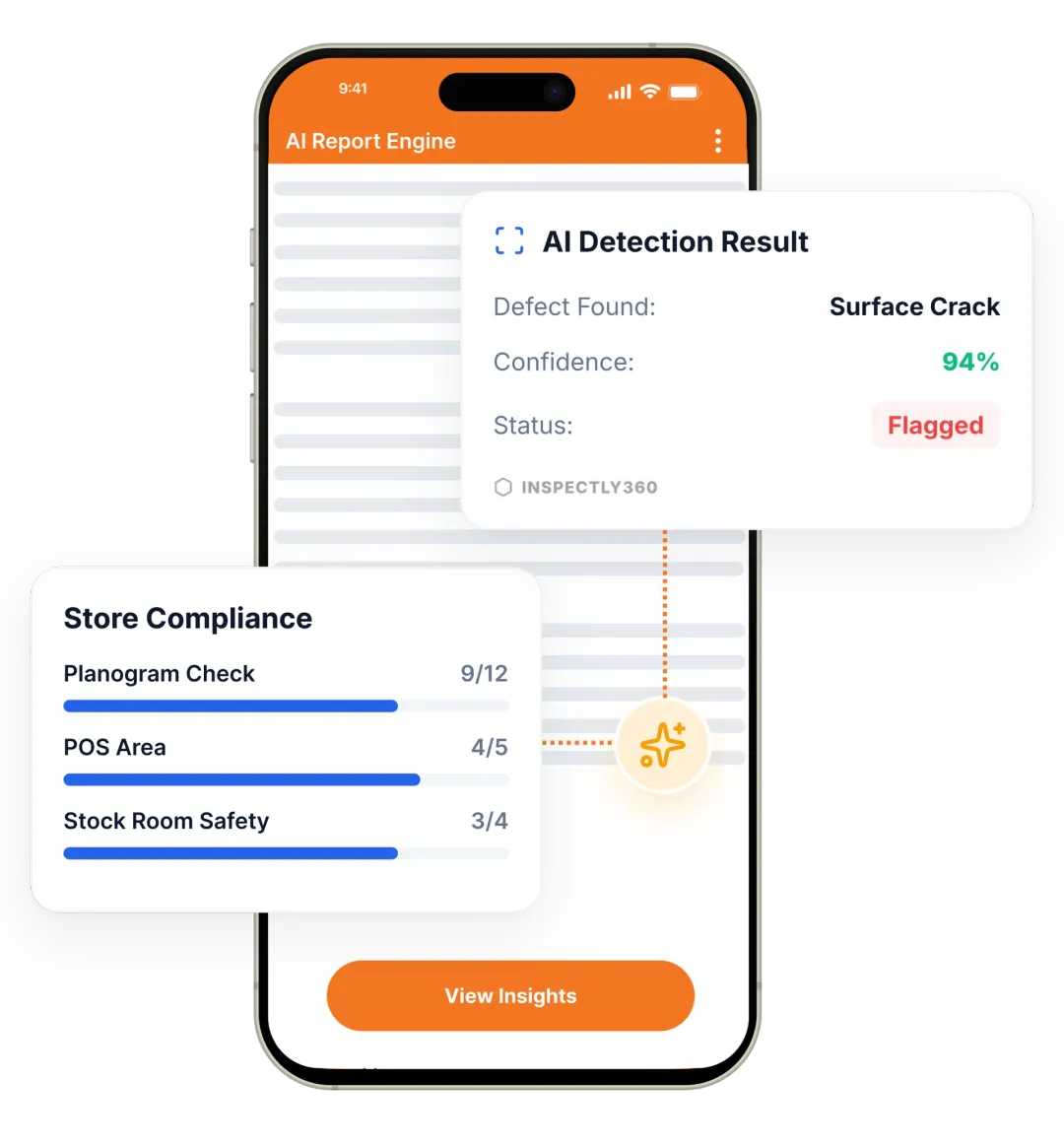
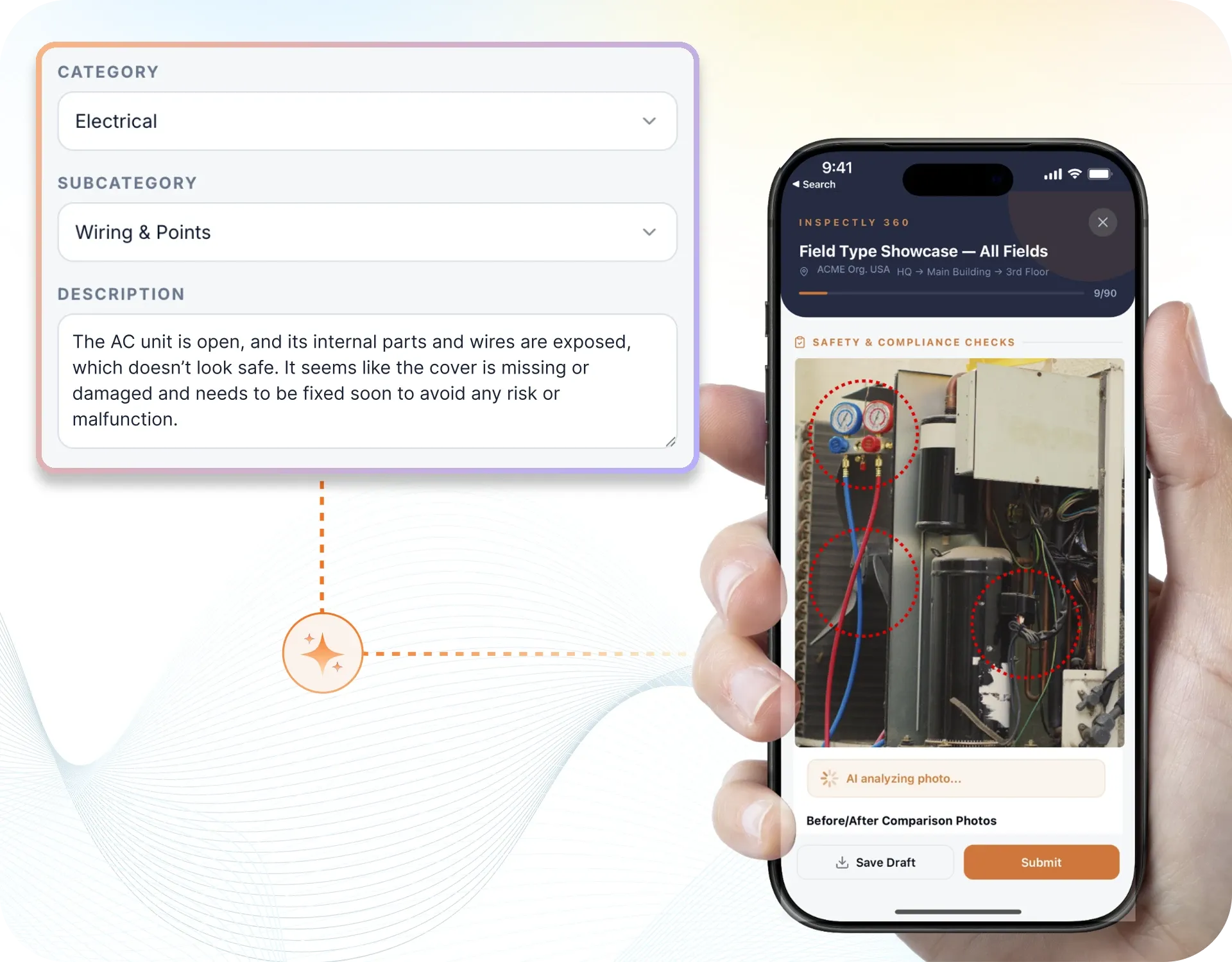
Take a Photo. AI Fills the Form
Your inspector takes a photo of any asset or defect. AI reads it and fills the inspection form automatically. No typing. No manual entry.

Convert your checklist into Mobile App
Browse by use case or industry, or see what other teams use most.
Book 30 minutes to discuss your challenges and see how InspectWrk digitizes operations with mobile apps, automated reporting, and real-time dashboards.
Control what happens above the ceiling. Check each opening against its permit, photograph fire barriers and penetrations before tiles go back, confirm dust and infection control precautions, and close out contractor work with a verified record.

Above Ceiling Inspection App gives healthcare facilities teams a way to manage the life safety risks hidden above suspended ceilings. Contractors and in-house trades open ceilings every day to run cabling, pipework, and ductwork, and each opening can breach a fire-rated wall or smoke barrier, disturb dust near patients, or leave cables resting on the ceiling grid. The app ties each inspection to the work and the permit that allowed it, so teams know who opened the ceiling, why, and what they left behind.
Inspectors record the barriers and penetrations they can see while the ceiling is open, cabling and service supports, housekeeping, and the dust or infection control precautions in place, with photos and locations. Issues are raised as corrective actions, and closeout confirms penetrations are sealed and tiles restored before the permit is closed. The condition of the ceiling system itself, such as tiles, grid, and fixings, is checked with a ceiling inspection app. This app focuses on the work and life safety above it.
A complete above-ceiling workflow covers the location and the permit or work order behind each opening, fire-rated walls, smoke barriers, and penetrations visible in the space, cabling support and abandoned cables, pipework and ductwork left by the work, dust and infection control precautions, housekeeping, photos of each finding, corrective actions with owners, and a closeout step that confirms penetrations are sealed and tiles restored before the permit is closed.
A consistent routine keeps above ceiling inspections reliable across every site. Follow these steps to run an effective inspection:
The inspection covers work and life safety conditions in the space above suspended ceilings in healthcare facilities: the permit behind each opening, fire and smoke barriers and penetrations, cabling and services, dust and infection control, and the closeout that restores the ceiling. The ceiling tiles, grid, and fixings themselves are covered by a separate ceiling inspection.
Templates align to NFPA 101 Life Safety Code where your facility is assessed against it, your above ceiling permit and contractor control procedures, your infection control risk assessment procedures for construction.

Build the above ceiling template with objective pass-fail criteria and schedule it to mobile teams.

Inspectors run the inspection, AI checks photos for infection-control lapses, equipment faults, expired consumables, waste-segregation gaps, and failed items raise corrective actions.

Dashboards built on verified above ceiling data reveal recurring patterns on the above ceiling across every site.
Everything your field team records during above ceiling inspection, from photos and voice notes to readings and sign-off, InspectWrk turns into a finished report automatically. Faster, more accurate, and without the retyping.
Your inspector takes a photo of any asset or defect. AI reads it and fills the inspection form automatically. No typing. No manual entry.
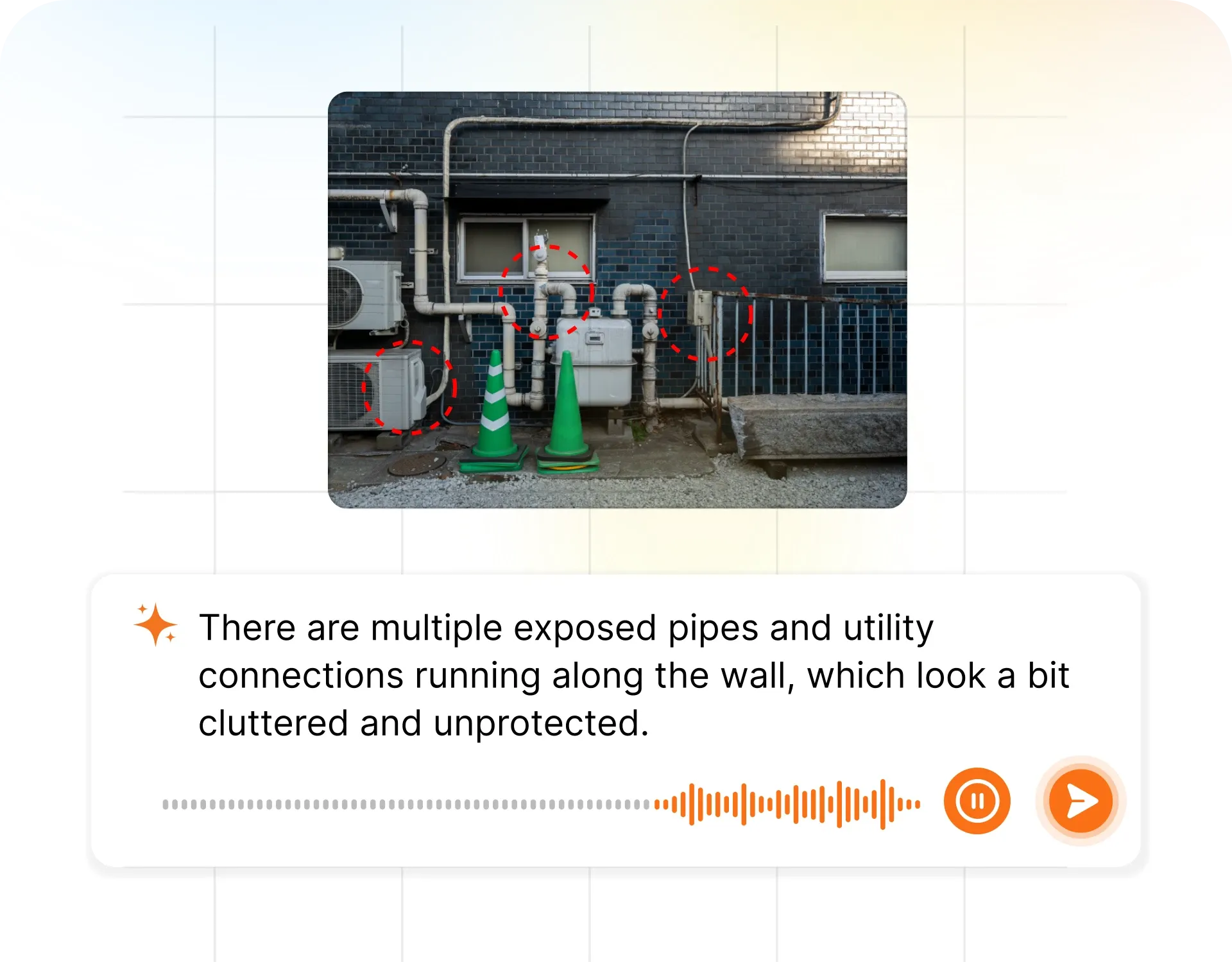
Inspectors speak their observations in any language. AI transcribes and fills the form in real time. Completely hands-free in the field.
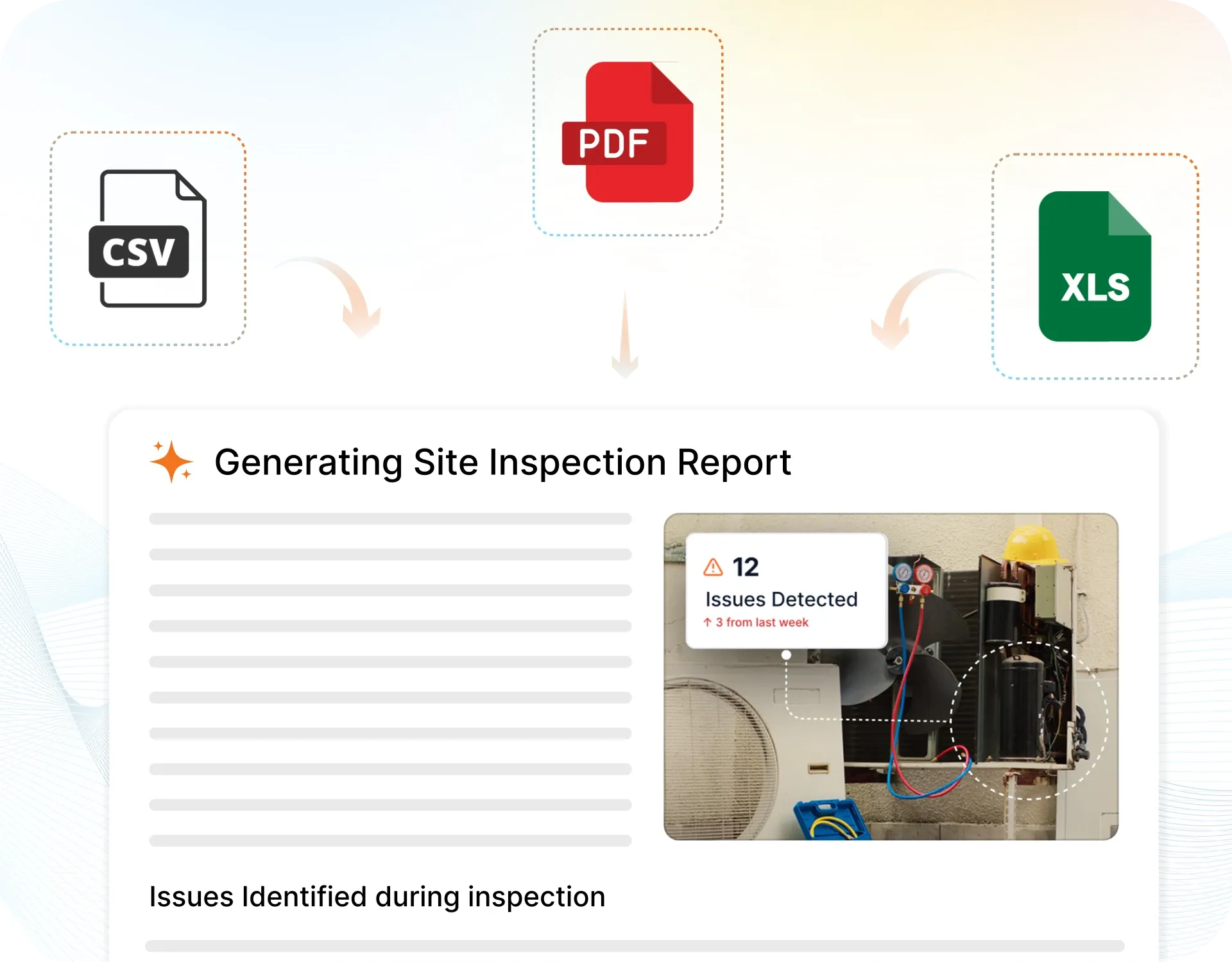
The moment an inspection is submitted, a branded PDF, Excel, or CSV report generates automatically. No manual work. No waiting.
InspectWrk integrates with the tools your team already uses, including Zoho, Microsoft 365, and SAP. No double entry.
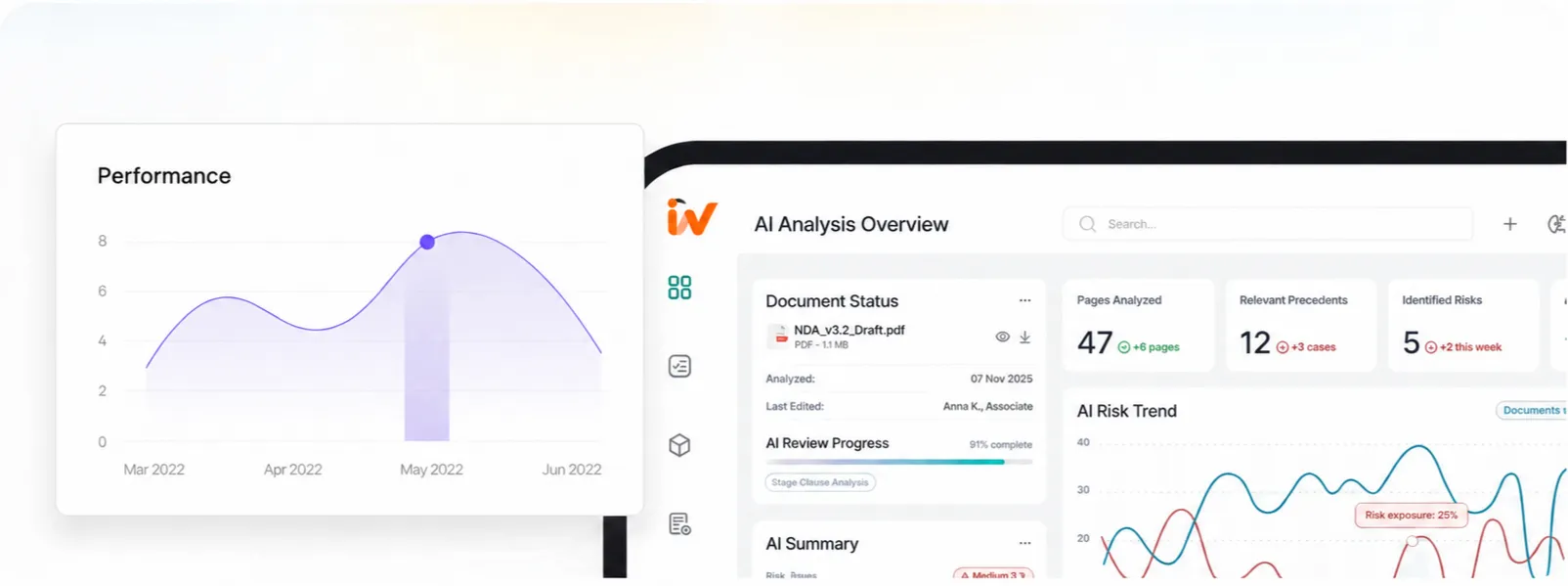
Your operations team sees completion rates, open issues, and compliance scores across all sites in real time. No chasing updates.
From data collection to compliance: see how teams use InspectWrk for every use case.
Capture field data once with digital forms that work even offline.
Explore use caseRun standardized inspections with photos, scoring, and instant reports.
Explore use caseConduct structured audits with evidence trails and pass or fail scoring.
Explore use caseLog hazards, near misses, and safety checks from any job site.
Explore use caseCatch defects early with repeatable quality checks and sign off.
Explore use caseReport incidents in the moment with photos and follow up actions.
Explore use caseTrack assets, service history, and condition across every location.
Explore use caseRaise work orders and close out repairs with a full audit trail.
Explore use caseStay audit ready with logged checks, timestamps, and shareable reports.
Explore use caseAbove Ceiling work breaks down the moment evidence leaves the form. These are the problems Above Ceiling Inspection App is built to remove, and what the team gets back when it does.

Problem
Solution

Problem
Solution
It is mobile software that helps healthcare facilities control and verify work in the space above suspended ceilings. With InspectWrk, teams link each inspection to the permit that opened the ceiling, photograph fire barriers, smoke barriers, and penetrations while they are exposed, check cabling, services, and dust precautions, and raise corrective actions. Each area is closed out with photos before the tiles go back, giving a location-based record of every piece of work done above the ceiling. It works offline, so findings can be recorded in plant rooms and corridors without signal.
A ceiling inspection app checks the ceiling system itself: tiles, grid, fixings, access panels, sagging, and staining. This app is about the work and life safety conditions above the ceiling in healthcare facilities: whether an opening was permitted, whether fire barriers and penetrations were disturbed, whether dust precautions were in place, and whether the space was closed out properly. Many facilities use both, one for the ceiling's condition and one for controlling the work above it. Keeping them separate gives ceiling repairs and above-ceiling work each their own clear record.
Once tiles go back, penetrations through fire-rated walls and smoke barriers are hidden until the next survey or project. Photographing them while the ceiling is open, with the location and the permit that allowed the work, shows exactly what was disturbed and by whom. The app then keeps closeout open until each flagged penetration has a sealing action with evidence, so hidden gaps are not left in the barrier and every repair is traceable to the work that caused it.
It supports your own life safety and Environment of Care processes by keeping a consistent, photographed record of above-ceiling work, barrier findings, and corrective actions, which is the kind of evidence surveyors often ask to see. It does not certify compliance with NFPA 101 or any accreditation standard. Decisions about barrier ratings, sealing methods, and interim life safety measures stay with your qualified life safety and facilities staff under your own procedures. Findings can be linked to your interim life safety measures process where your facility uses one.
They are usually carried out by facilities, engineering, or life safety staff, with infection prevention involved for work near patient areas. Contractors can complete their part of the record, but closeout is normally verified by facility staff before the permit is closed. Recording each name, date, and photo means every ceiling opening has a clear owner, and repeat problems with the same contractor or area are easy to see across the history of inspections. Agree in advance who signs off closeout, so no permit is closed without a facility check.
Explore other inspection and audit apps for health care teams.
30 minutes. Your permits and above-ceiling process on screen.