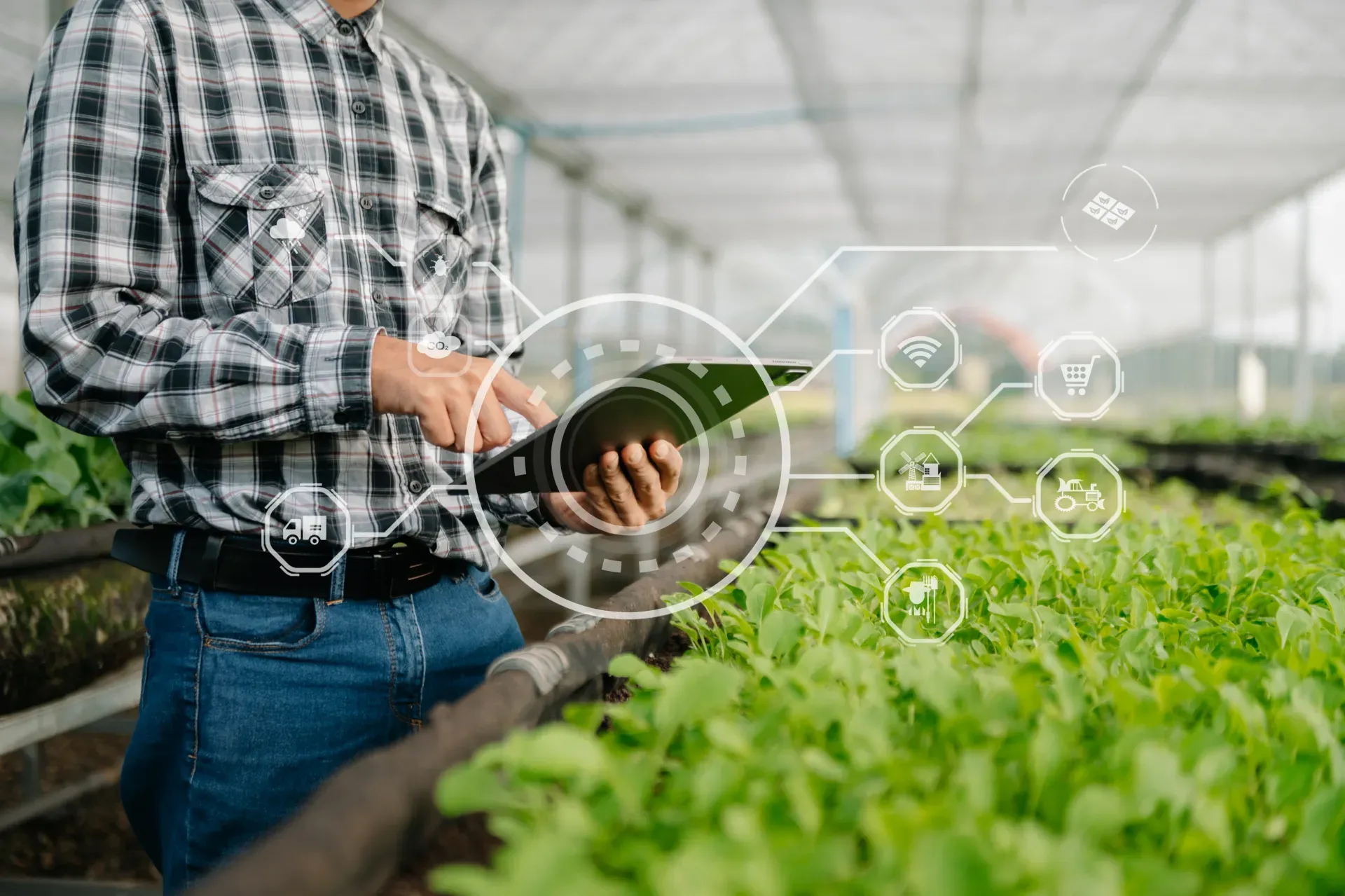
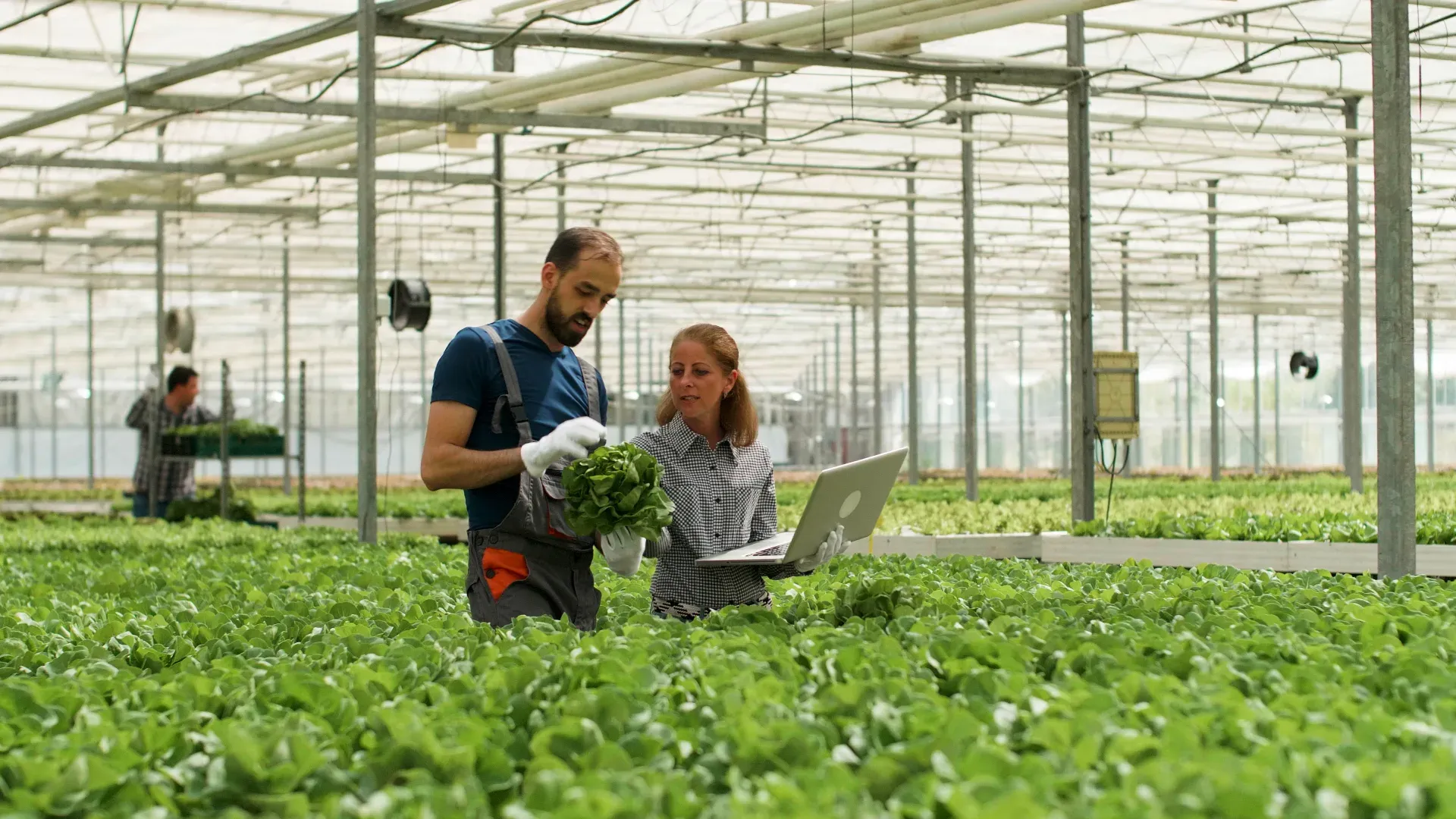
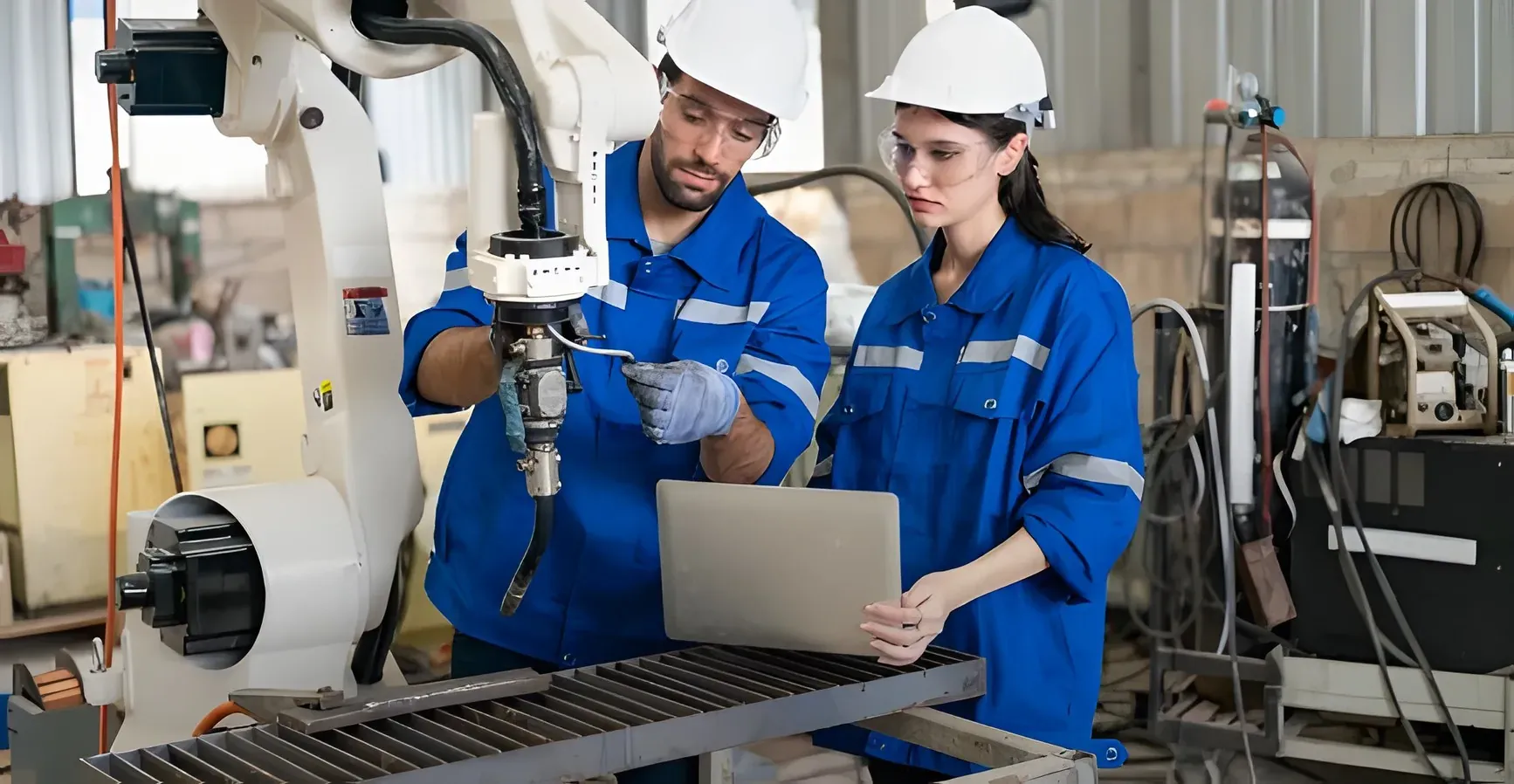
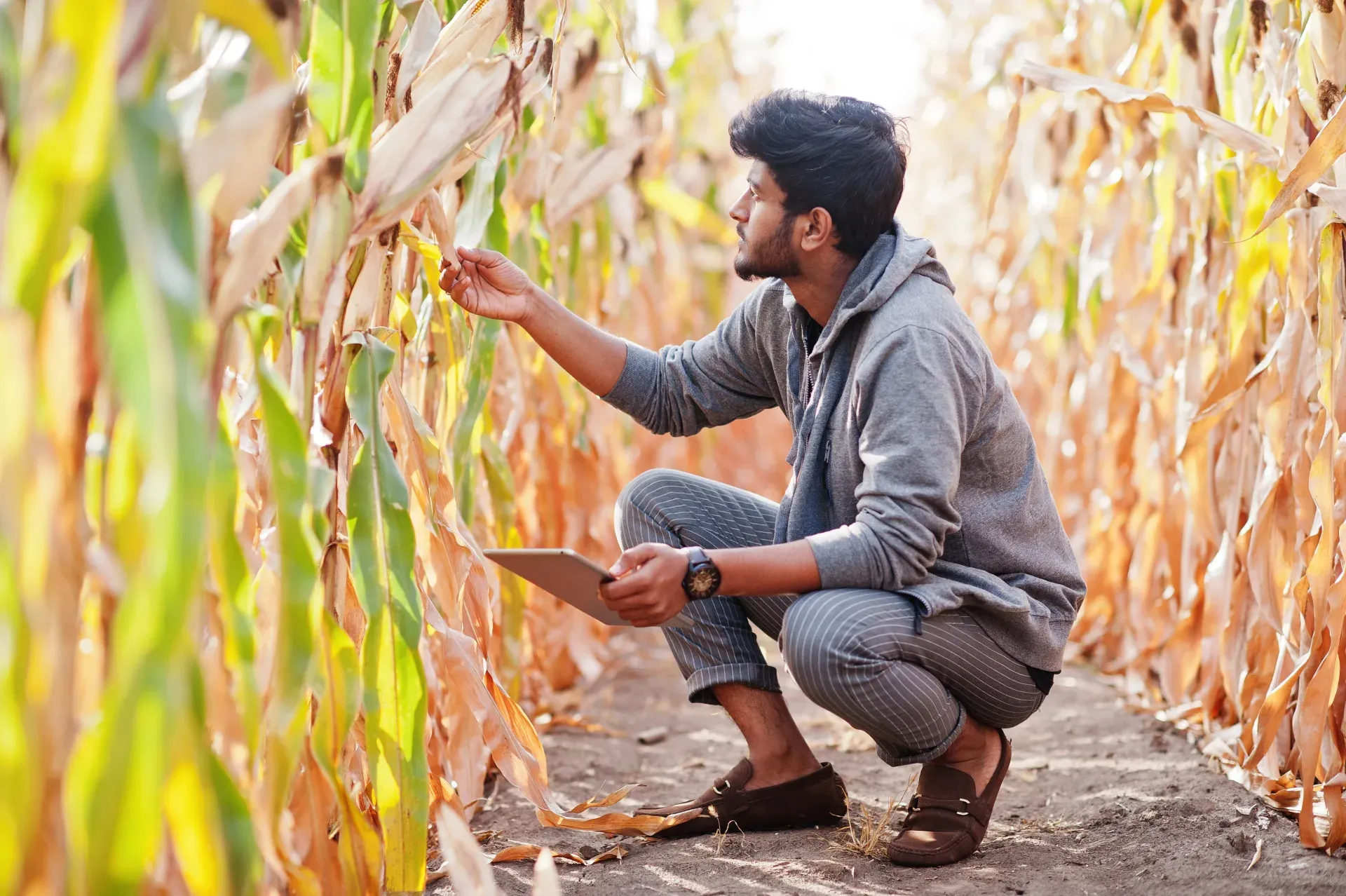
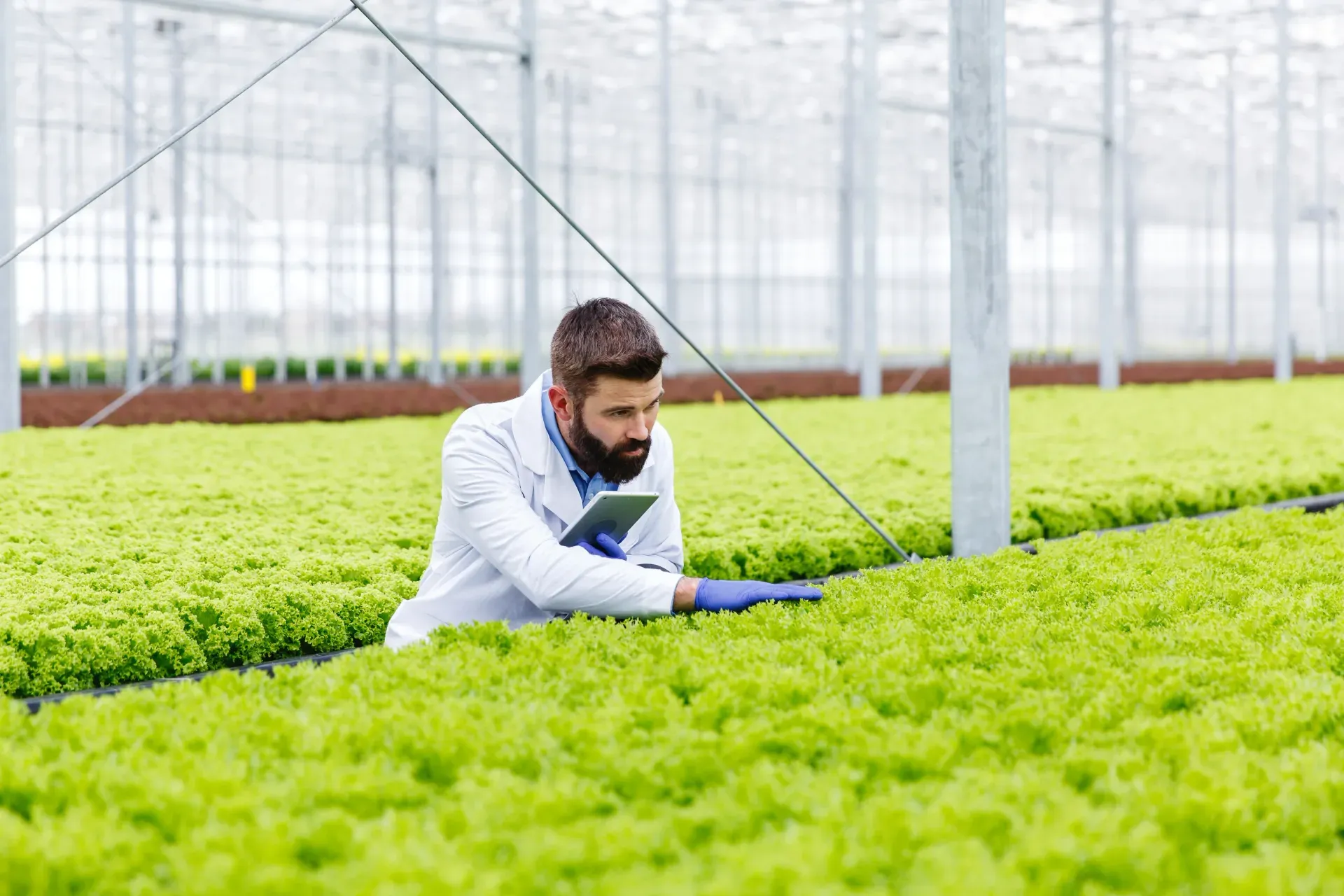
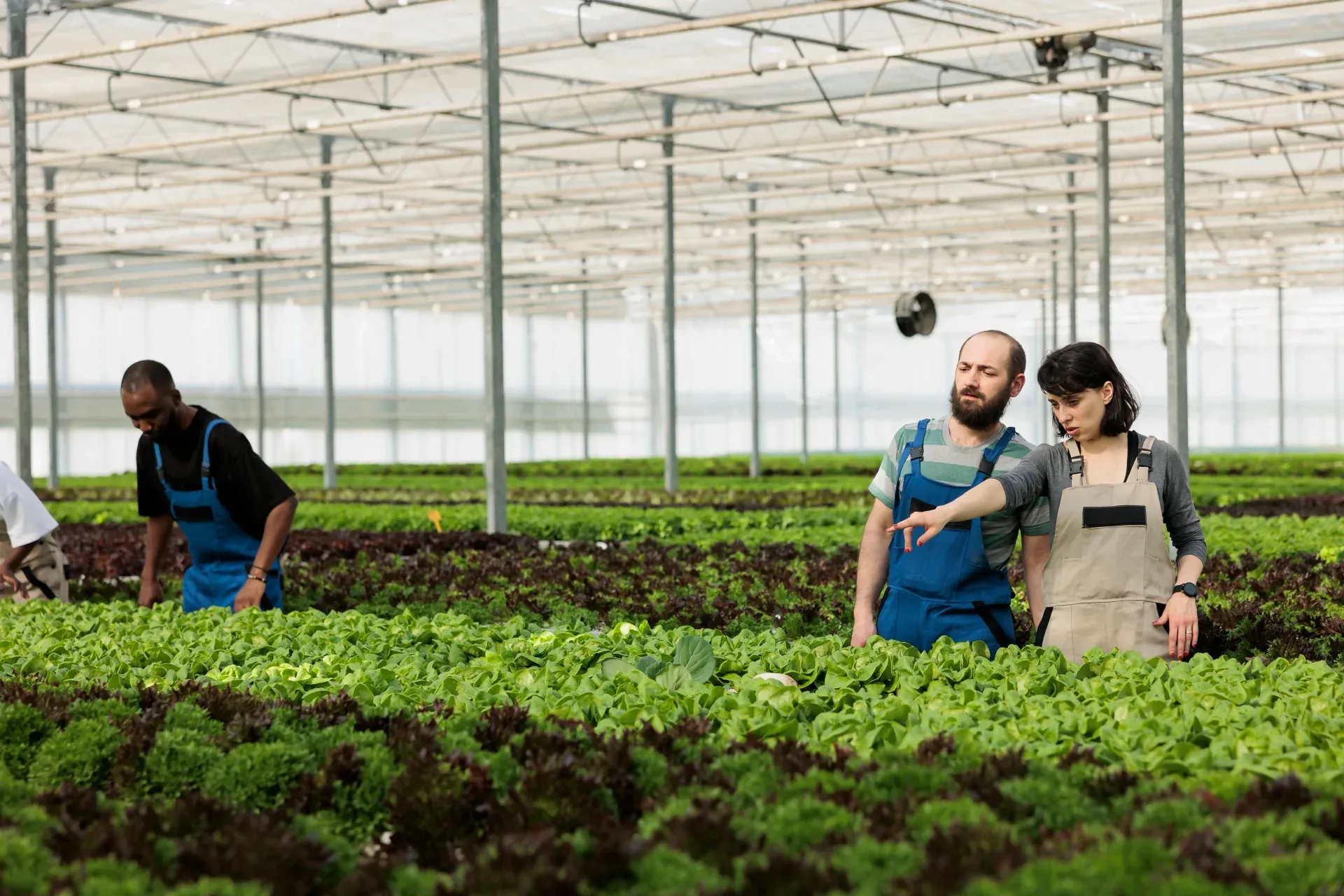
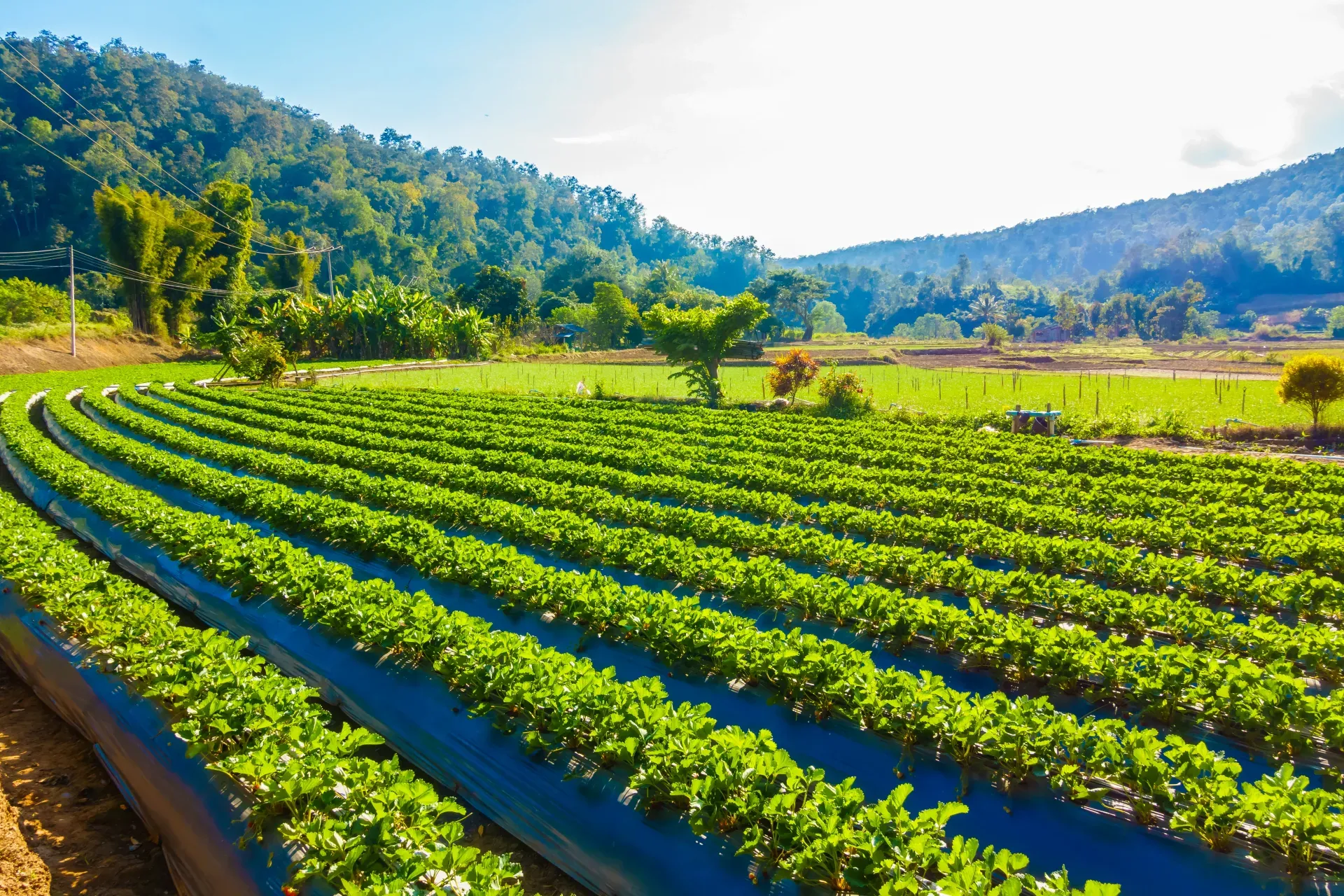
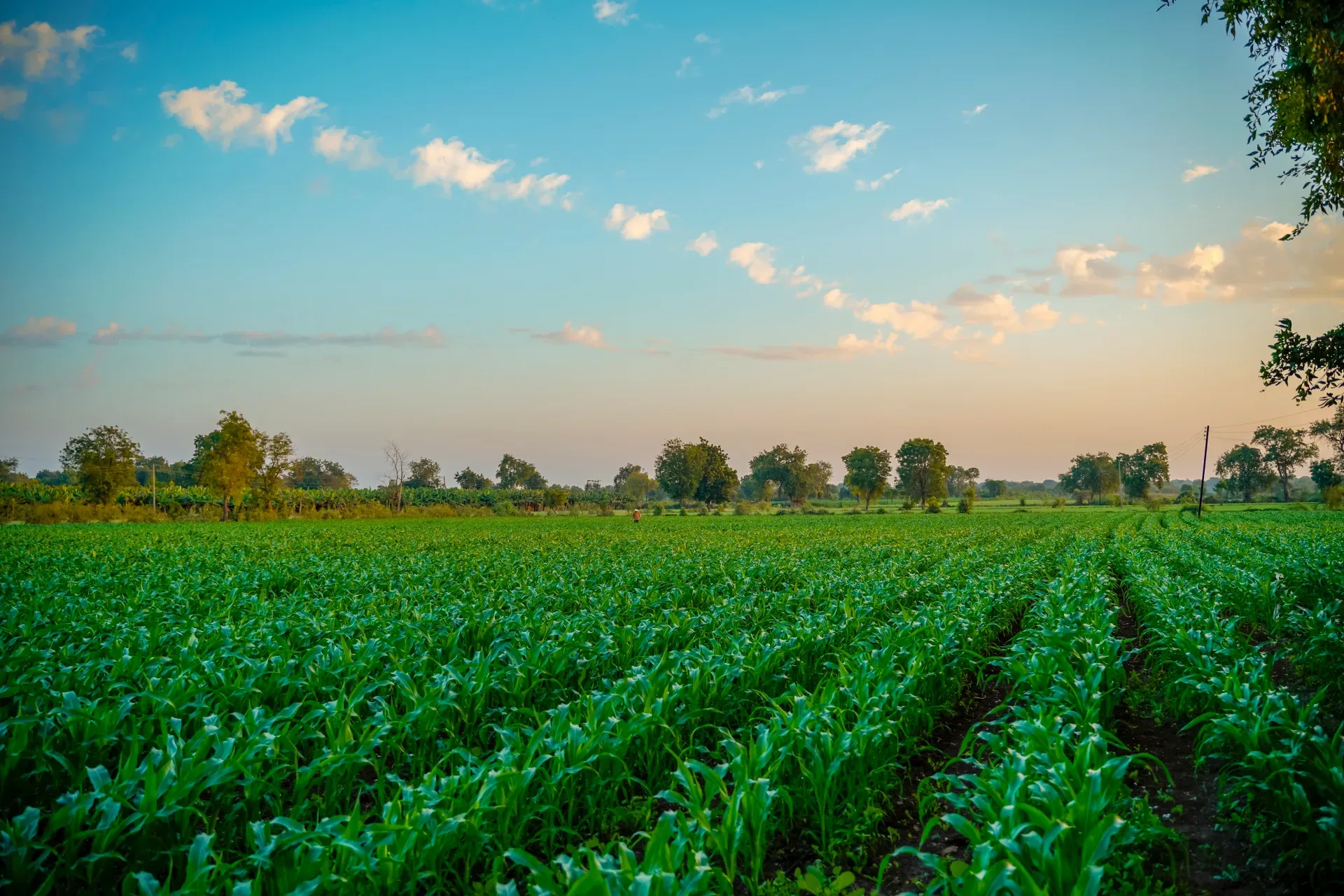
Agriculture and agritech operations run across fields, pack houses, and cold chains, often with no connectivity and heavy food safety oversight. Field inspections and harvest checks happen where there is no signal, so crews carry paper and re-key notes later, where errors creep in. Traceability, pesticide, and cold chain records sit in separate spreadsheets, so proving GAP, FSSAI, or MRL compliance for an audit or an export buyer means chasing data across teams. Agriculture inspection software captures structured, evidenced inspections offline, at the farm and the line.
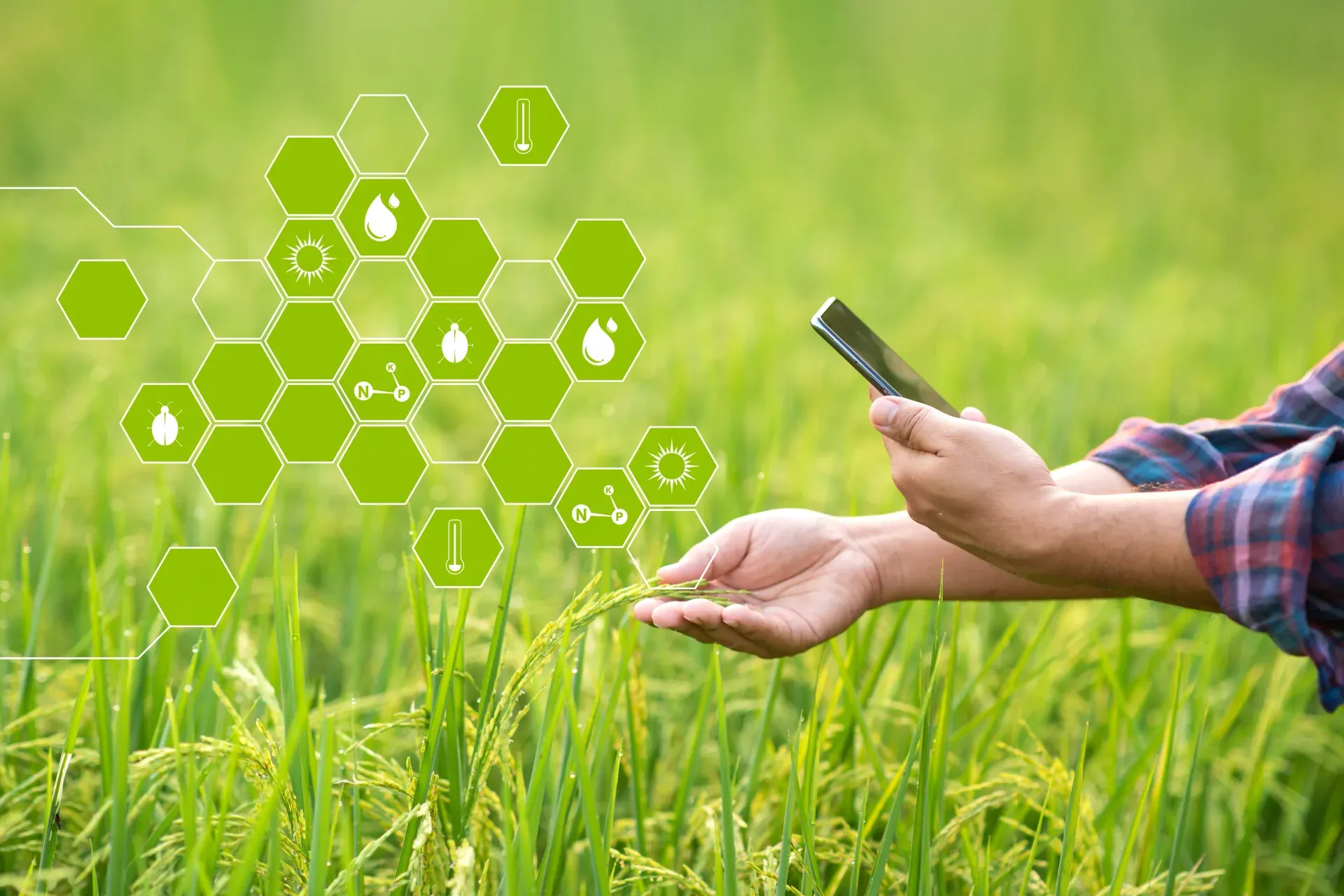
With InspectWrk, teams run a farm inspection app for field, irrigation audit, and harvest inspection rounds, plus GAP audits, agritech audit checks, and pack house hygiene checks, and on-device AI flags visible disease, pest damage, and produce defects from photos. Cold chain inspection logs temperatures at farm, pack house, and dispatch, so a break is flagged when it happens. Traceability software GPS-tags every record to a field, plot, or facility, giving proof that stands up in an FSSAI or APEDA audit.
Because inspection data is structured and centralized, food safety and traceability reports are generated from completed inspections instead of assembled by hand. Records align to FSSAI, ISO 22000, GAP, GMP, MRL limits, USDA NOP for organic, APEDA export requirements, and local food safety acts. The platform tracks which checks are complete, overdue, or failed, so a hygiene or cold chain gap is visible before dispatch.
If you are comparing inspection platforms for food safety and traceability, it helps to see how offline capture and proof differ.