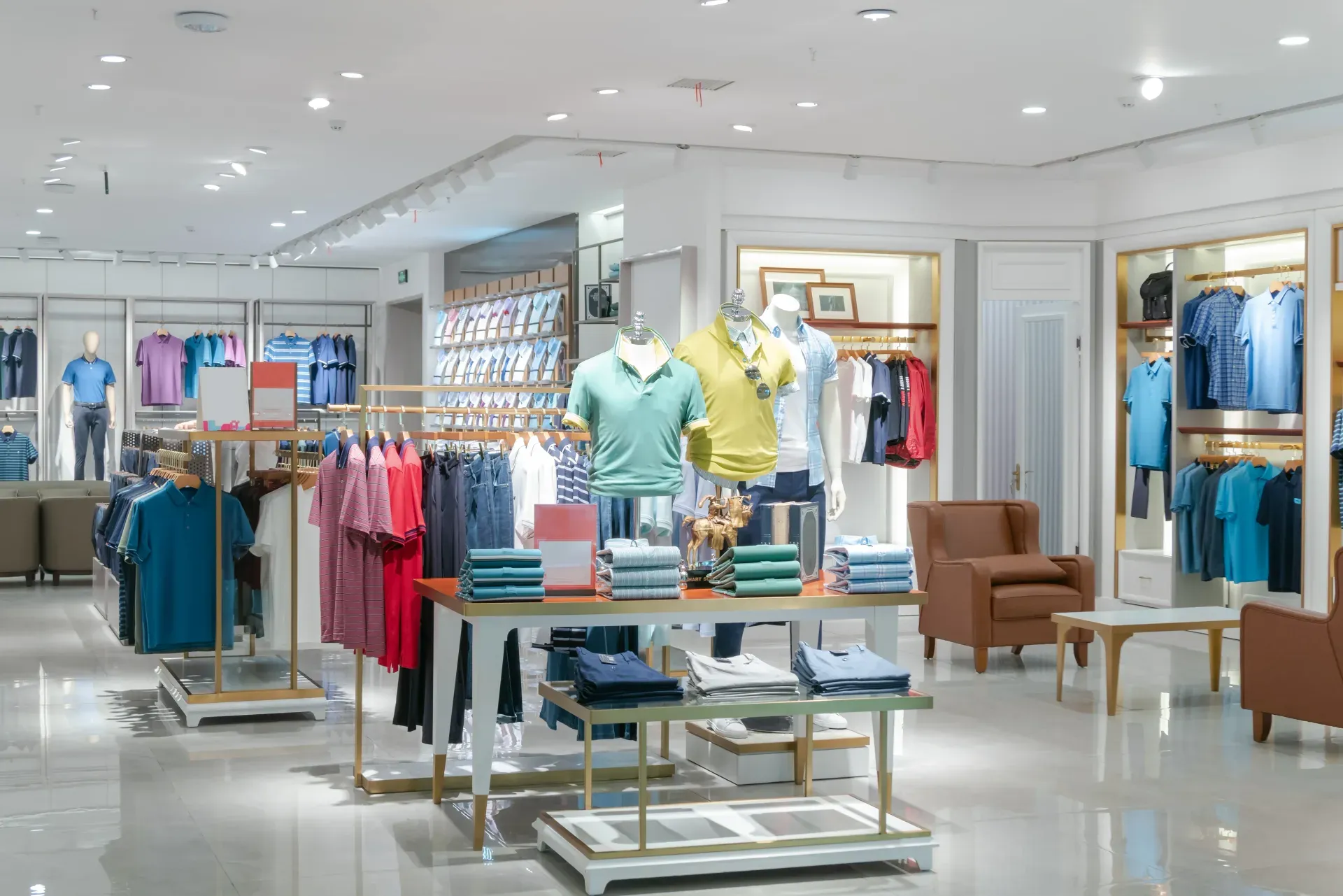
Brand standards are only as strong as the worst-performing store, and most retailers cannot say which store that is. A store audit is interpreted differently by different managers, so two people run the same brand standard checklist and reach different scores. Planogram audit and visual merchandising standards live in PDFs nobody opens, and issues surface through a customer complaint before any internal report. Retail store audit software keeps standards consistent by running every store audit app check to one identical, comparable standard.
With InspectWrk, a store opening checklist, a safety inspection, an F&B compliance check, and a customer experience audit run on the same digital templates across every location, with photo evidence on every finding. Loss prevention and VM compliance walks use the same record. Food counters are checked against FSSAI and local health department rules, fire safety compliance is logged, and labor laws and local municipal rules obligations are tracked per site.
Multi-location dashboards rank every store on brand standard and visual merchandising compliance, so the store that is quietly underperforming becomes visible instead of hiding behind the estate average. Recurring issues across stores are surfaced and addressed centrally. Head office no longer asks for a Friday update and accepts whatever a manager remembers, because the current state of every store is already on the dashboard, with evidence.
If you are comparing retail audit apps, it helps to see how each one handles consistency and corrective actions.