InspectWrk

Energy and Utilities Inspection Software for Critical Infrastructure Safety.

Inspect pipelines, substations, wind turbines, solar arrays, and transmission infrastructure with offline-capable tools designed for remote and hazardous environments. InspectWrk helps energy companies maintain regulatory compliance, prevent catastrophic failures, and extend asset lifespans across distributed infrastructure.

Built for
Pipelines, grids & renewables
Works
Offline
Reports
PDF + Excel

Templates aligned to PHMSA and NERC requirements.

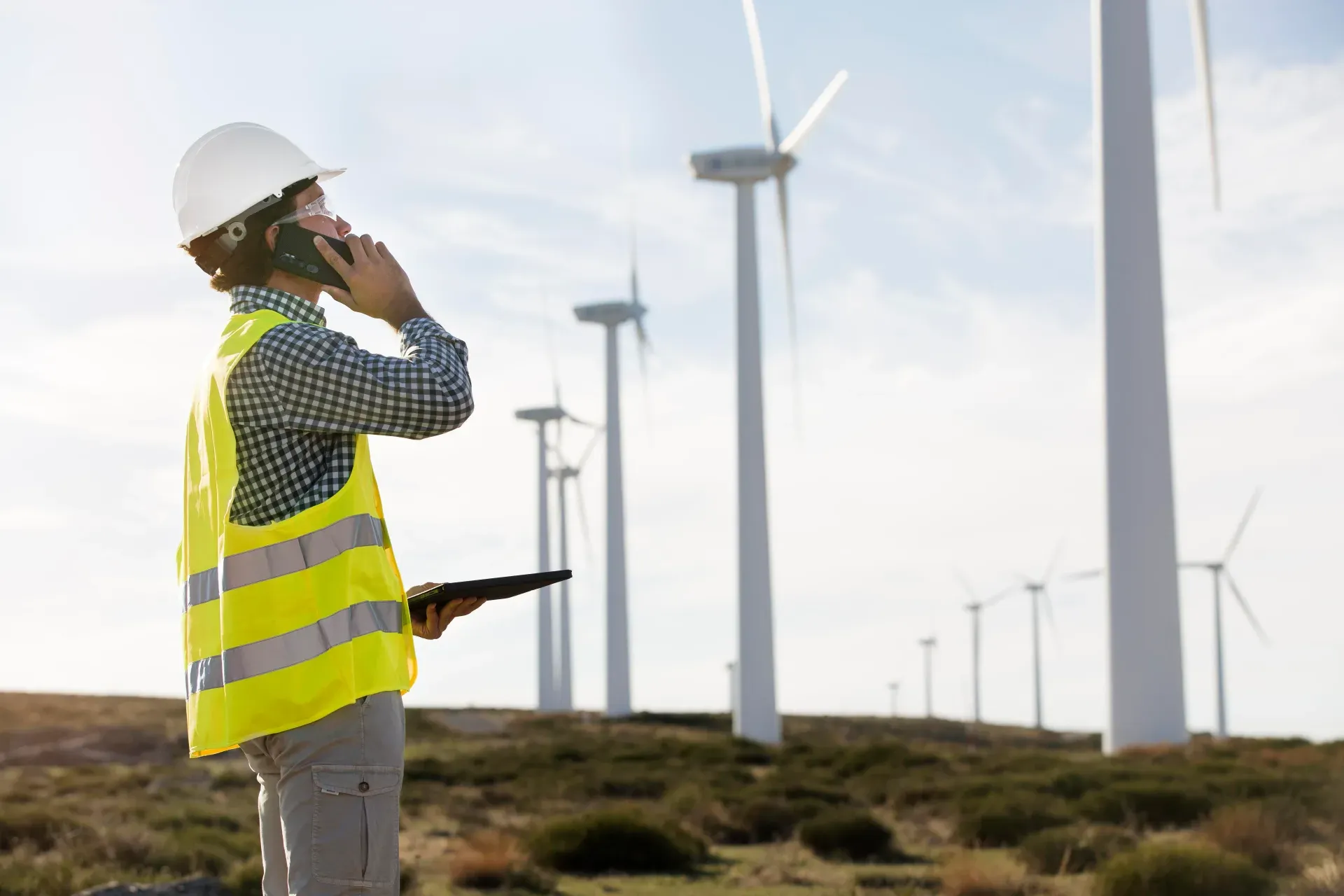
Wind turbines across open fields

Trusted by forward-thinking enterprises globally

  • HALDENFACILITIES
  • vireohealth
  • Corbel
  • TESSERAHOTELS & RESORTS
  • Oakline Foods
  • MARLOW & PIKE
  • LumenfieldENERGY
  • QUARRY
  • ArdenUNIVERSITY
  • northpier

Where field teams lose hours every week.

The same four gaps come up in almost every network we talk to. Here is how each one closes.

Field checks happen with no signal

Pipeline rounds and substation walkthroughs happen in zones with no cell coverage. Paper notes get re-typed back at base, sometimes incorrectly.

With InspectWrkRounds are captured offline with GPS-tagged findings and sync at base.

PTW and LOTO sign-offs by radio

Permit-to-work and lockout-tagout sign-offs happen verbally on the radio. There is no photo evidence and no audit trail per crew or per asset.

With InspectWrkPermits and lockouts are signed in the app, with photos and names.

Asset integrity trends are invisible

Asset integrity history sits in legacy systems and engineers' notebooks. Recurring corrosion and coating breakdown is not flagged until the next outage.

With InspectWrkAI flags hot spots and corrosion on every photo, so trends show early.

PHMSA and NERC reporting is manual

PHMSA and NERC compliance reports are assembled by hand from scattered field records. One missing inspection can become a serious regulatory penalty.

With InspectWrkPHMSA and NERC reports build from the inspection data itself.

Every check across your network.

Pick the work you run today. Each one starts from a ready template you can edit.

  • Pipeline Integrity Inspections

    Walk every segment and log every anomaly.

    Includes: PHMSA compliance documentation, Anomaly tracking and trending, Cathodic protection monitoring, Right-of-way survey management

    Conduct PHMSA-compliant pipeline integrity assessments including visual inspections, coating condition checks, cathodic protection readings, and right-of-way surveys. Track pipeline segments, manage anomalies, and maintain compliance documentation.

    See the Pipeline Integrity Inspection Checklist Template
  • Substation & Grid Inspections

    Catch hot spots before they cause an outage.

    Includes: NERC CIP compliance, Thermal anomaly detection, Equipment condition trending, Outage risk prediction

    Inspect transformers, switchgear, breakers, and transmission equipment with NERC CIP-aligned checklists. AI analysis of thermal images and visual photos detects hot spots, corrosion, and equipment degradation.

    See the Substation Inspection Checklist Template
  • Renewable Energy Asset Inspections

    Inspect turbines, panels and batteries on one schedule.

    Includes: Wind turbine blade inspection, Solar panel degradation tracking, Battery system monitoring, Performance optimization analytics

    Inspect wind turbines, solar panels, and battery storage systems with specialized templates. Track performance degradation, identify maintenance needs, and optimize energy production across renewable portfolios.

    See the Battery Energy Storage (bess) Inspection Checklist Template
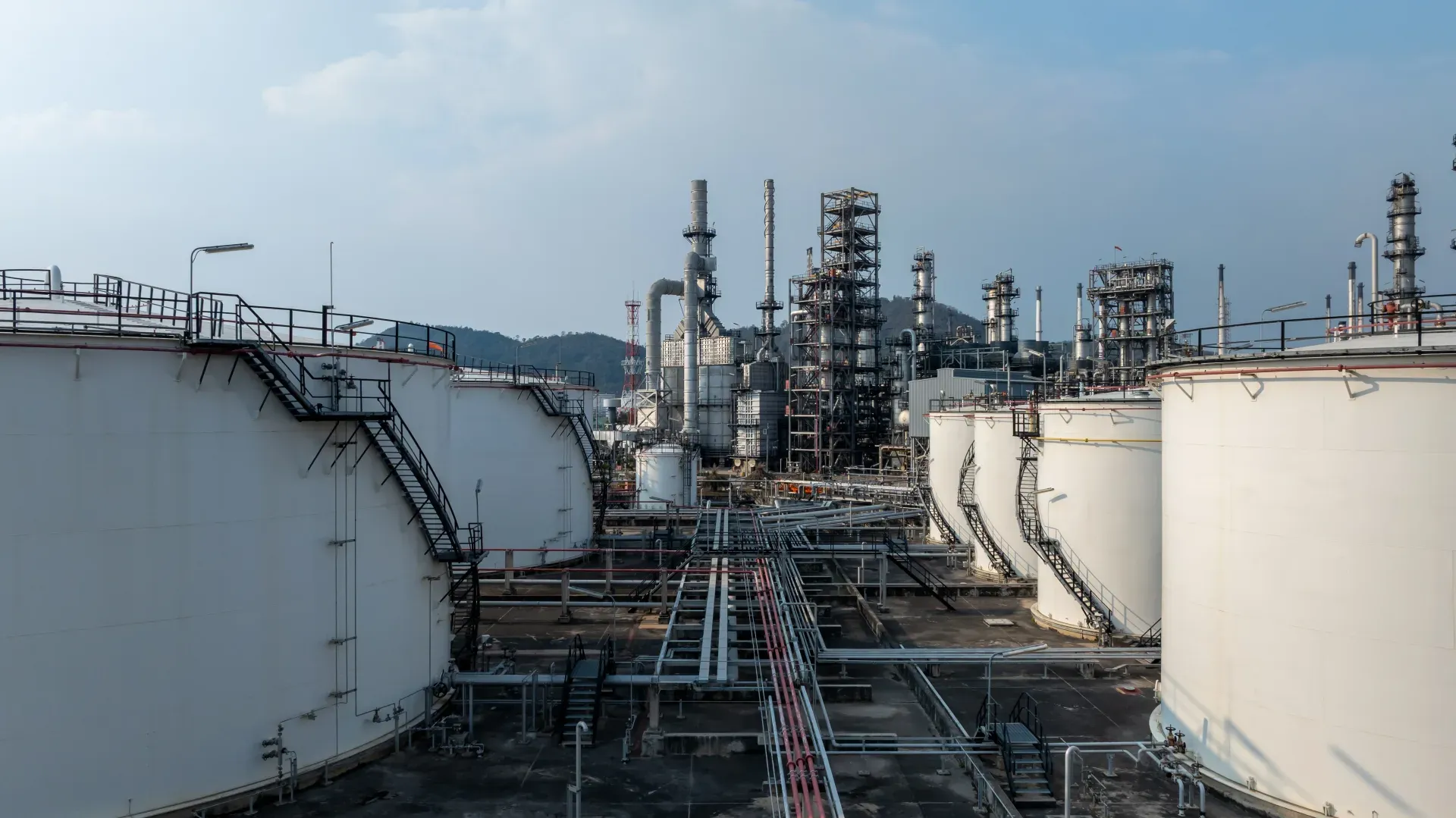
Industrial plant with tanks, towers and lit walkways at dusk under a cloudy sky

Anomaly to verified repair, in just 5 steps.

No re-keying between the field, engineering and compliance. Each step hands over to the next on its own.

See It on Your Site
  1. Step 01

    Inspect

    The technician logs an anomaly offline with a photo.

    • Hot spot
    • Fail
  2. Step 02

    Flag

    AI marks the severity and the asset.

    • ANOM-0088
    • Major
  3. Step 03

    Permit

    The repair gets a permit and a lockout sign-off.

    • PTW signed
    • LOTO
  4. Step 04

    Repair

    The crew fixes it and records the reading.

    • Reading OK
    • Due Wed
  5. Step 05

    Verify & report

    The repair is checked and the report is filed.

    • Closed
    • PDF

Every step is time-stamped and signed, so the audit trail builds itself.

How does inspection software keep distributed energy assets compliant?

Energy and utilities operations face a hard combination: critical assets spread across vast areas, strict regulatory regimes, and field locations with no connectivity. Pipeline inspection rounds and substation safety walkthroughs happen where there is no signal, so crews carry paper and re-key notes at base, where errors creep in. Asset integrity management history sits in legacy systems and engineers' notebooks, so recurring corrosion is not flagged until the next outage inspection. Energy and utilities inspection software captures structured, evidenced inspections offline, at the asset.

With InspectWrk, crews complete HSE audit rounds, plant audit checks, and cathodic protection readings on a mobile device with no connectivity, and on-device AI flags corrosion and coating breakdown from photos. Permit to work runs as PTW software with a JSA app step, LOTO tracking, and toolbox talk sign-offs, each with named approvals and photo evidence rather than a verbal call over the radio. Templates align to ISO 45001, OSHA, OISD, PESO, PSM, and API inspection standards.

Because inspection data is structured and centralized, compliance monitoring reports for NERC CIP, IOGP, CEA, and AERB are generated from completed inspections instead of assembled by hand from scattered field records. The platform tracks which scheduled inspections are complete, overdue, or missed, so a gap is visible before it becomes a violation, and condition trends per asset support risk-based scheduling across the whole network.

If you are comparing field inspection platforms for critical infrastructure, it helps to see how proof and offline capture differ.


Compare Inspectwrk and Safetyculture for Field Inspections

AI turns every inspection into a ready report.

Submit an inspection and AI writes the PDF report and Excel sheet for you. No admin, no waiting.

01 / 05Photo to formVISION AI

Take a Photo. AI Fills the Form.

Your inspector takes a photo of any asset or defect. AI reads it and fills the inspection form automatically.

No typing. No manual entry.

02 / 05Voice to textVOICE AI

Speak. AI Writes It Down.

Inspectors speak their observations in any language. AI transcribes and fills the form in real time.

Completely hands-free in the field.

03 / 05Auto reportsREPORT AI

AI Writes the Report. PDF and Excel, Instantly.

The moment an inspection is submitted, AI summarises the findings and builds a branded PDF report and an Excel sheet for you.

No manual reporting. No copy-paste.

04 / 05IntegrationsINTEGRATIONS

Connect Your Existing Tools.

InspectWrk integrates with the tools your team already uses, including Zoho, Microsoft 365, and SAP.

No double entry.

05 / 05Live dashboardLIVE DATA

Live Dashboard. Every Site. Always On.

Your operations team sees completion rates, open issues, and compliance scores across all sites in real time.

No chasing updates.

See how operations teams standardize work in the field.

Real-world inspection workflows built around consistency, evidence and faster follow-up.

Explore Customer Stories
Case study 01 of 05

Start with a energy template.

Free checklists and apps built for field crews. Use them as they are or change any field.

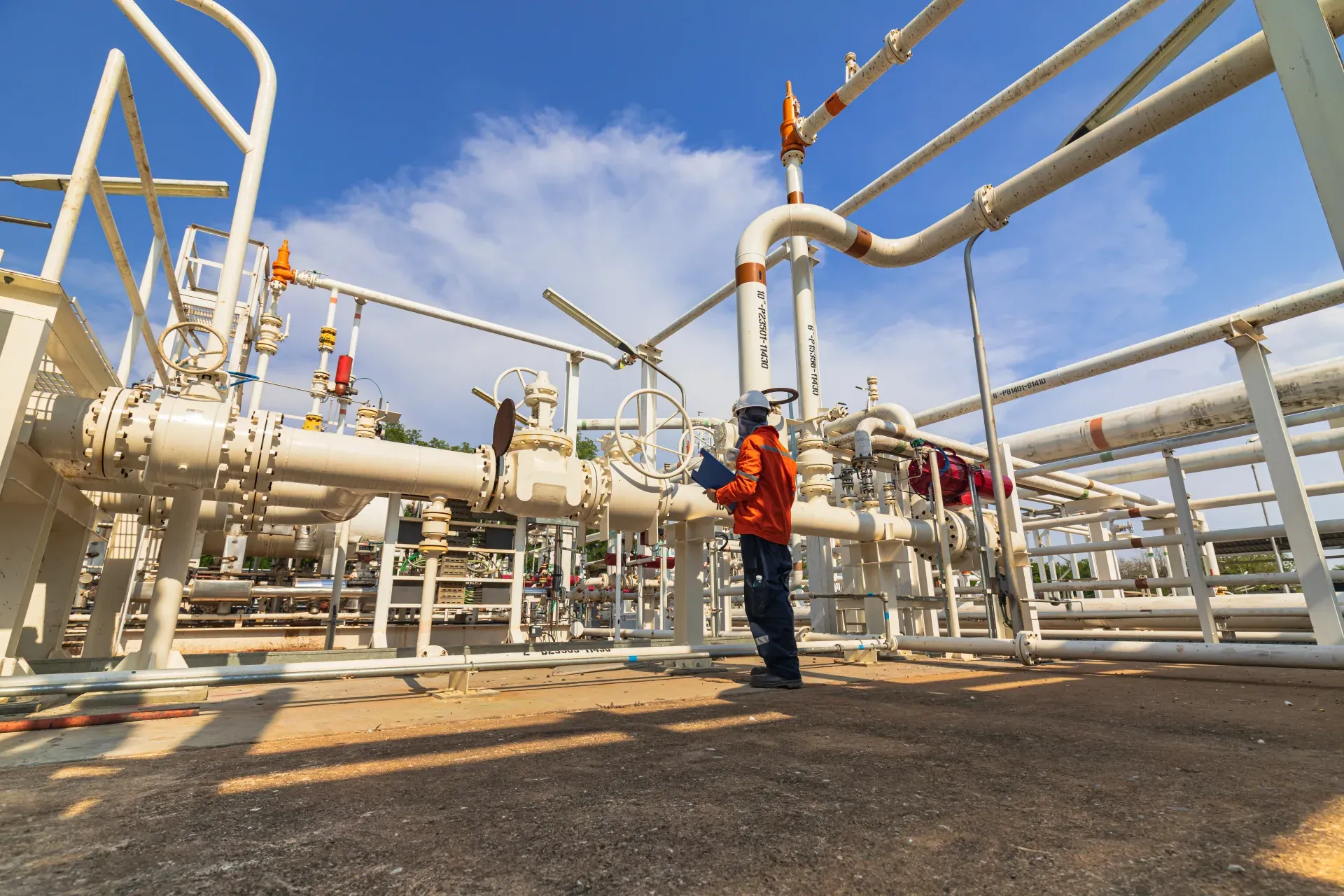
  • Two workers in hard hats and hi-vis vests viewed from behind facing a refinery at sunsetAsset IntegrityFree Template

    Pipeline Checklist Template

    Use this Pipeline checklist template to verify critical checkpoints and safety controls, compliance records and sign-off and corrective actions with photo evidence on energy…

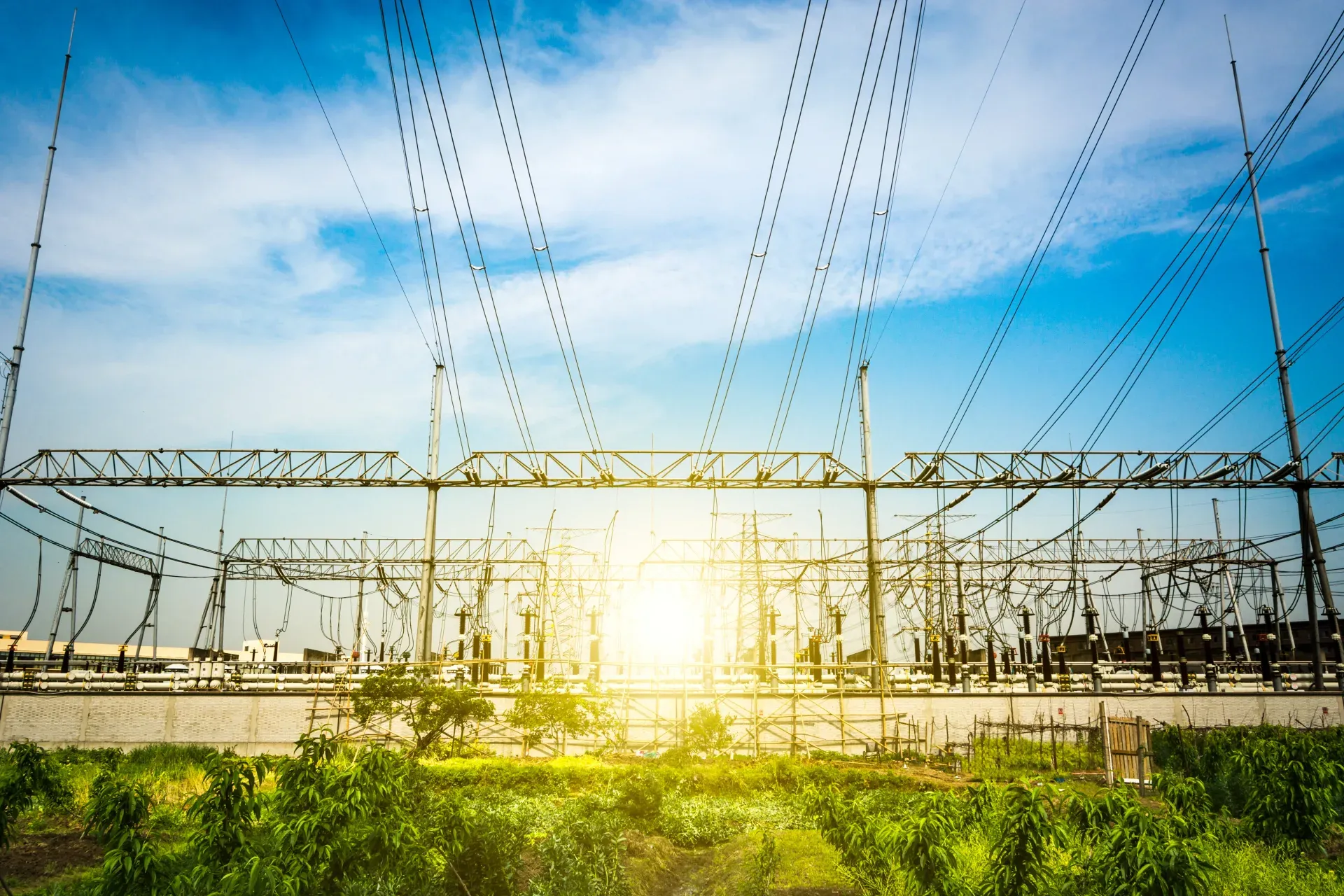
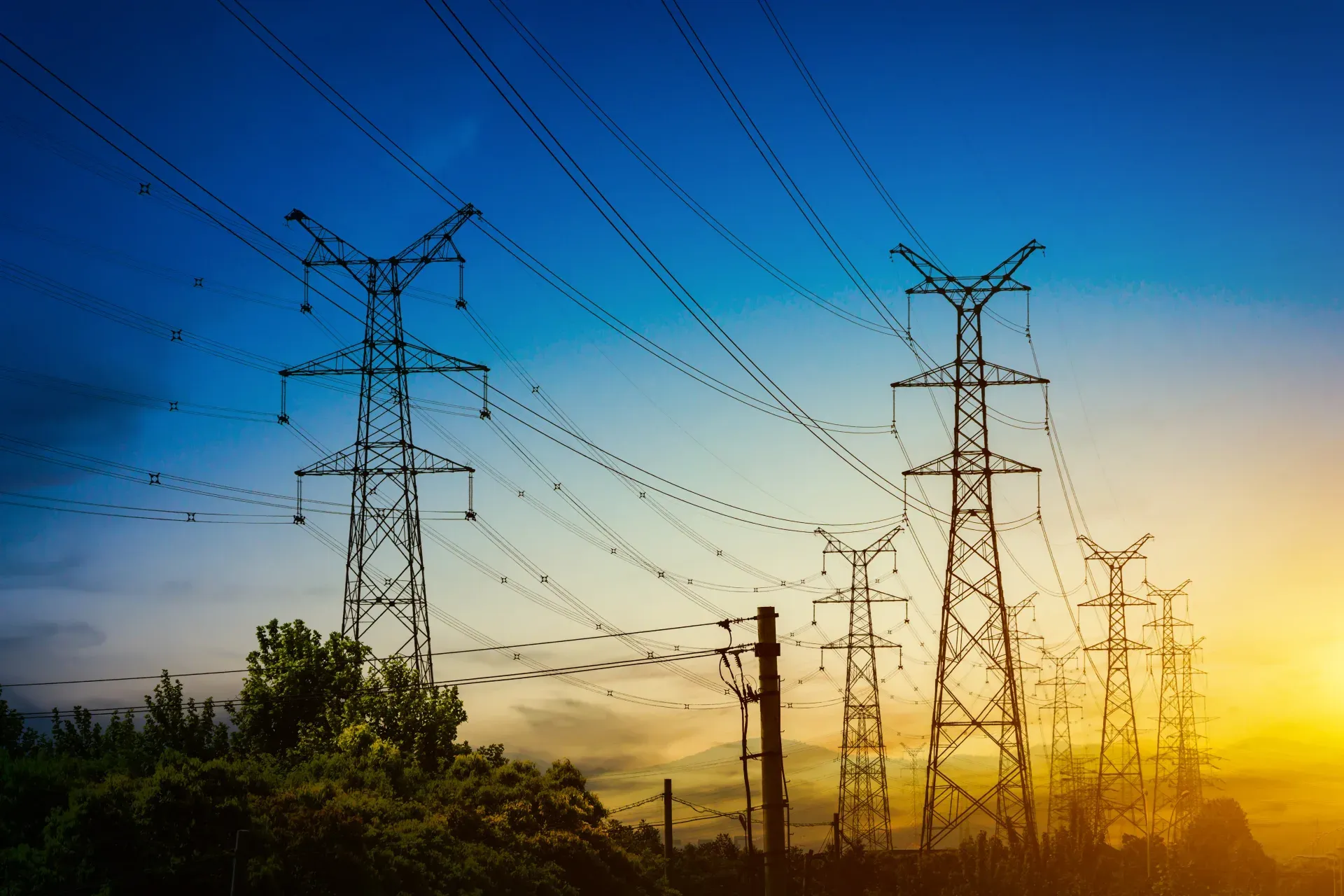
  • Silhouetted electricity pylons and power lines against a blue and golden sunset skyAsset IntegrityFree Template

    Substation Checklist Template

    Use this Substation checklist template to verify critical checkpoints and safety controls, compliance records and sign-off and corrective actions with photo evidence on energy…

  • Engineer in hard hat and hi-vis vest on the phone holding a tablet before wind turbinesAsset IntegrityFree Template

    Switchgear Checklist Template

    Use this Switchgear checklist template to verify critical checkpoints and safety controls, compliance records and sign-off and corrective actions with photo evidence on energy…

  • Industrial plant with tanks, towers and lit walkways at dusk under a cloudy skyAsset IntegrityFree Template

    Transmission Line Checklist Template

    Use this Transmission Line checklist template to verify critical checkpoints and safety controls, compliance records and sign-off and corrective actions with photo evidence on…

Questions from energy and utilities teams

See it on your own field rounds in a 30-minute demo.

Book a Free Demo

Yes. The InspectWrk mobile app is fully functional offline, including AI-powered defect detection that runs on the device itself. Inspectors complete checklists, capture photos, and run AI analysis in the field with zero connectivity. Every record is stored locally, then syncs automatically once the device is back in coverage. This is essential for pipeline rights-of-way, remote substations, and renewable assets where cell service is absent or unreliable. Crews no longer carry paper into the field and re-type notes back at base, where transcription errors creep in. The inspection is captured once, at the asset, with GPS tags and timestamps intact. When the truck returns to coverage, the office sees the same data the inspector recorded, with nothing lost and nothing rewritten.

Yes. Every inspection in InspectWrk is GPS-tagged and can be tied to a specific asset, and it integrates with your GIS platform. The system supports connections to Esri ArcGIS, Google Earth, and custom mapping solutions through API, so you can visualise inspection history and asset condition by location. That gives you pipeline segment tracking, substation mapping, and a portfolio-wide condition view on a map rather than in a spreadsheet. When an anomaly is logged, it is pinned to the exact asset and coordinate, so the next crew can find it without a written description. Condition trends per asset become visible over time, which supports risk-based inspection planning across distributed infrastructure.

Yes. InspectWrk includes templates for confined space entry, permit to work, hot work permits, and lockout-tagout verification. Checklists can require gas readings, named sign-offs, and photo evidence at each step, so safety-critical procedures are documented properly rather than confirmed verbally over the radio. Because the app works fully offline, these inspections can be completed in tanks, vaults, and remote sites with no connectivity, and the records sync when the crew returns to coverage. Each permit and sign-off is attributed to a named person with a timestamp, which gives you a defensible audit trail per crew and per asset. That replaces the common gap where a near-miss or a permit step exists only as a memory or a note in a notebook.

InspectWrk's Edge AI is trained on infrastructure defect types, including corrosion stages, crack patterns, insulation degradation, vegetation encroachment, and structural fatigue indicators. It runs on the device, so inspectors get real-time suggestions in the field without uploading images to a cloud service. The inspector confirms or overrides each suggestion, keeping engineering judgement in control. Custom models can be trained for your specific asset types and inspection standards to improve accuracy on the equipment you actually operate. Because detection is consistent, a developing corrosion problem gets flagged the same way whoever is holding the phone, which reduces the variation you get when defect grading depends on individual experience. Findings feed condition trends so recurring deterioration is caught before the next outage.

InspectWrk turns field inspection data into regulatory reports instead of leaving compliance teams to assemble them by hand. Pipeline integrity rounds, substation inspections, and cathodic protection readings are captured on standardized templates aligned to PHMSA and NERC CIP requirements, with photos, GPS, and timestamps on every record. Because the data is structured and centralized, a compliance report can be generated from completed inspections rather than rebuilt from scattered notebooks and emails. The platform also tracks which scheduled inspections are complete, overdue, or missed, so a gap is visible before it becomes a violation. That matters when a single missing inspection can carry a significant penalty. Auditors and regulators get a consistent, evidenced trail per asset, and your team spends its time on inspections rather than on reconstructing paperwork.

Yes. InspectWrk is designed for asset bases spread across wide geographic areas. Each asset carries its own inspection history, condition trend, and schedule, and risk-based scheduling lets you prioritize inspections by asset criticality, condition, and regulatory deadline rather than treating every asset the same. Inspectors are deployed efficiently because the platform shows what is due and where. Dashboards roll condition data up across the entire portfolio so engineering and compliance leaders can see emerging risk without waiting for regional reports. Critical findings trigger immediate alerts with escalation chains, so a serious safety issue on a remote asset reaches the right person quickly. This keeps inspection quality and scheduling consistent whether you operate dozens of assets or many thousands.

Explore other industries.

Every industry gets its own checklists, apps and workflows, all on the same platform.

Last updated: