
Take a Photo. AI Fills the Form
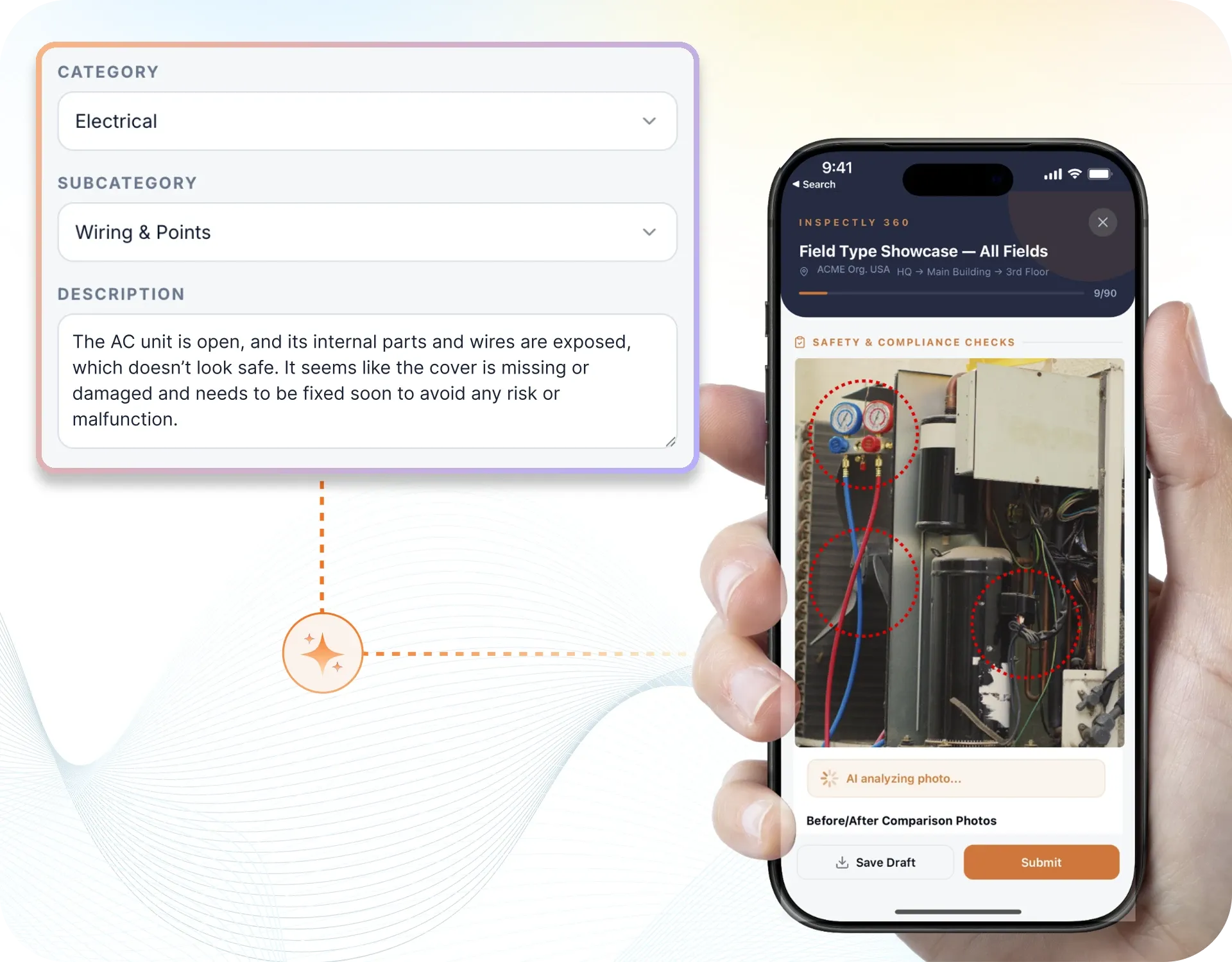
Your inspector takes a photo of any asset or defect. AI reads it and fills the inspection form automatically. No typing. No manual entry.

Run the operations and compliance side of your RPM program on mobile: track the 16-day reading requirement per patient, log billable clinical time against CPT thresholds, and keep every device handoff and consent in one audit-ready record.

The Remote Patient Monitoring app is built for the RPM care coordinator, the chronic care lead, and the practice administrator who run the operational and billing side of a remote patient monitoring program. InspectWrk is a workflow and compliance platform, not a physiologic monitoring device. It sits alongside your RPM device vendor and handles the documentation the device platform does not: the 16-day reading count per patient per 30-day period, the billable-time log per clinician, device inventory and consent, and the audit trail.
It replaces the spreadsheet where someone tracks reading counts by hand, the separate timer clinicians use to remember their monthly minutes, and the folder of signed consent forms. It produces one record per patient per period, showing reading days, logged minutes, consent status, and device status, so the practice bills RPM correctly and can defend every claim.
A defensible RPM period record tracks the device supply and patient consent at enrollment, the count of distinct days with a device reading (the 16-day requirement for CPT 99454), and the clinical time spent on monitoring and interactive communication per clinician (supporting 99457 for the first 20 minutes and 99458 for each additional 20). Each entry is timestamped and tied to the named clinician and patient, so the billing team submits against evidence rather than memory.
A consistent routine keeps remote patient inspections reliable across every site. Follow these steps to run an effective inspection:

Each patient is enrolled with consent, the device issued, and the start of the 30-day period, and distinct reading days are counted toward the 16-day threshold.

Clinical time is logged as it happens, against the patient and the CPT tier, so the monthly minutes are captured live, not reconstructed.

Patients short of 16 readings or 20 minutes are flagged before period close, and the closed record shows reading days, logged minutes, consent, and device status.
Everything your field team records during remote patient monitoring, from photos and voice notes to sign-off, InspectWrk turns into a finished report automatically. Faster, more accurate, and without the retyping.
Your inspector takes a photo of any asset or defect. AI reads it and fills the inspection form automatically. No typing. No manual entry.
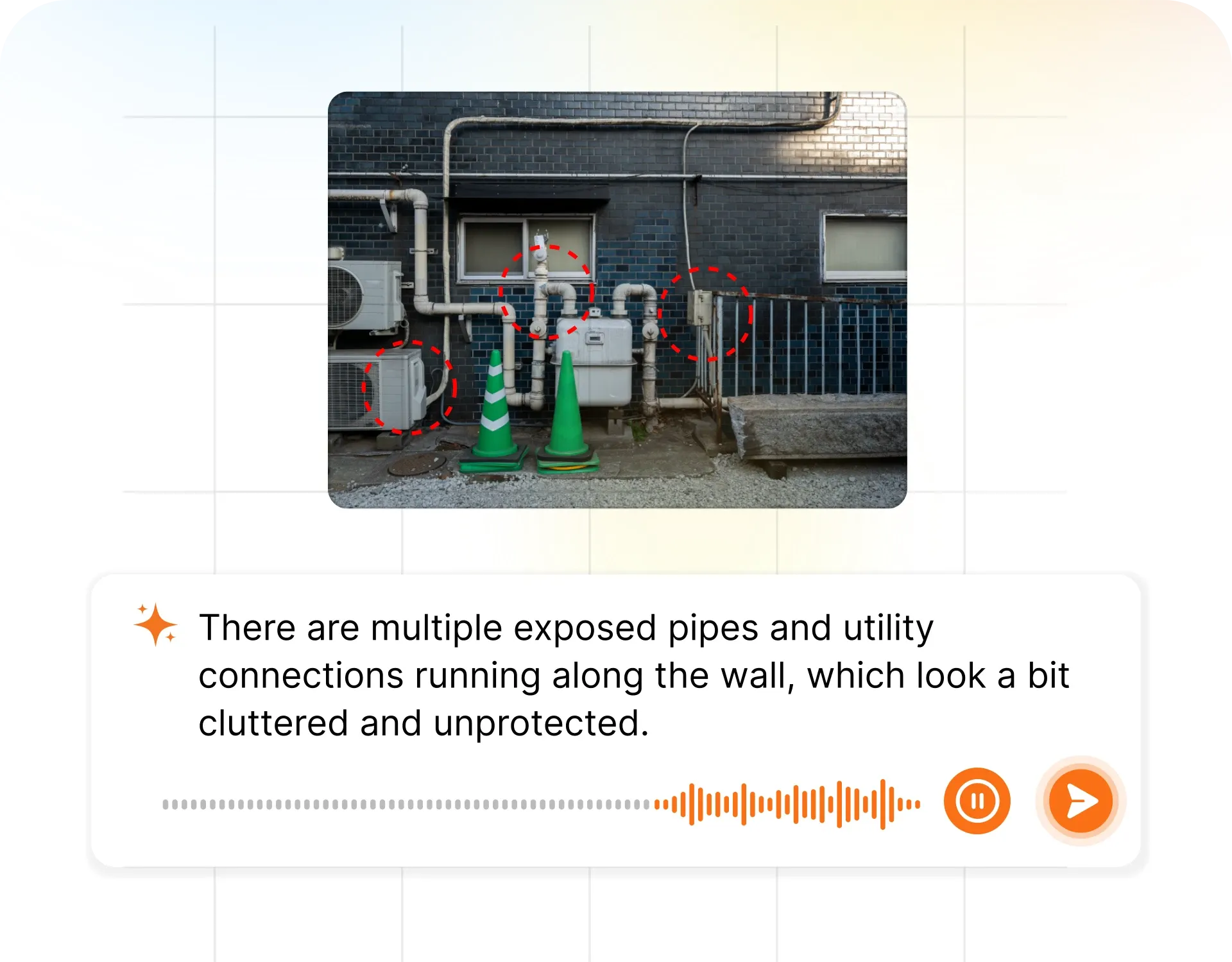
Inspectors speak their observations in any language. AI transcribes and fills the form in real time. Completely hands-free in the field.
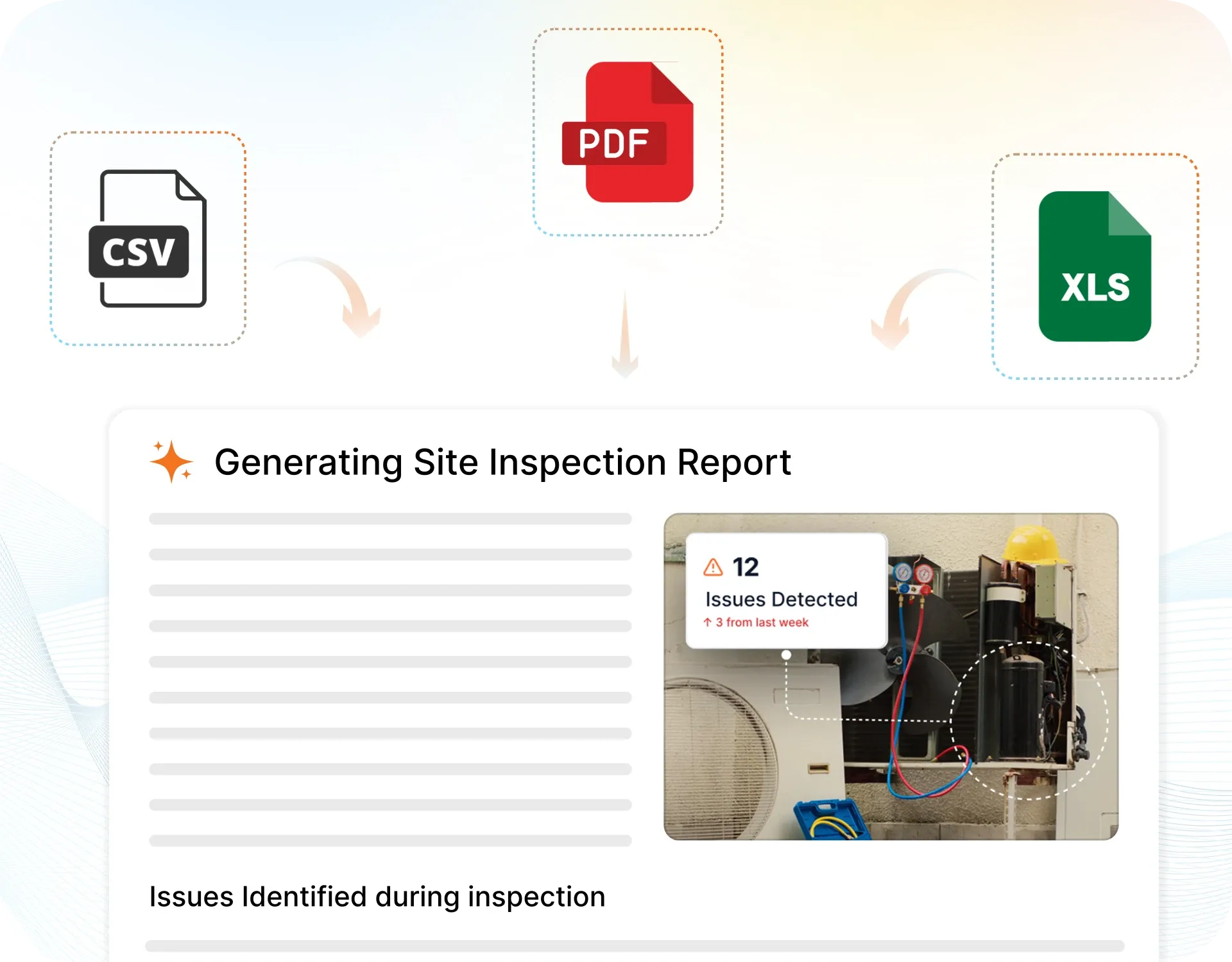
The moment an inspection is submitted, a branded PDF, Excel, or CSV report generates automatically. No manual work. No waiting.

InspectWrk integrates with the tools your team already uses, including Zoho, Microsoft 365, and SAP. No double entry.
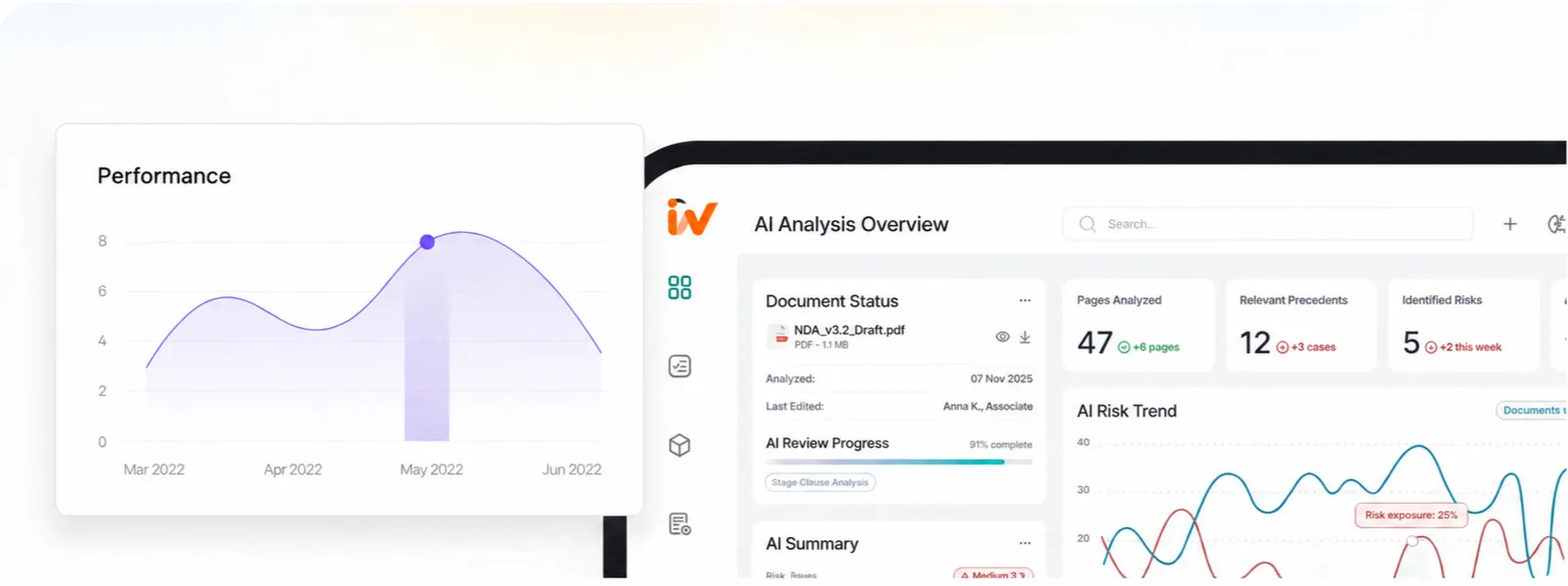
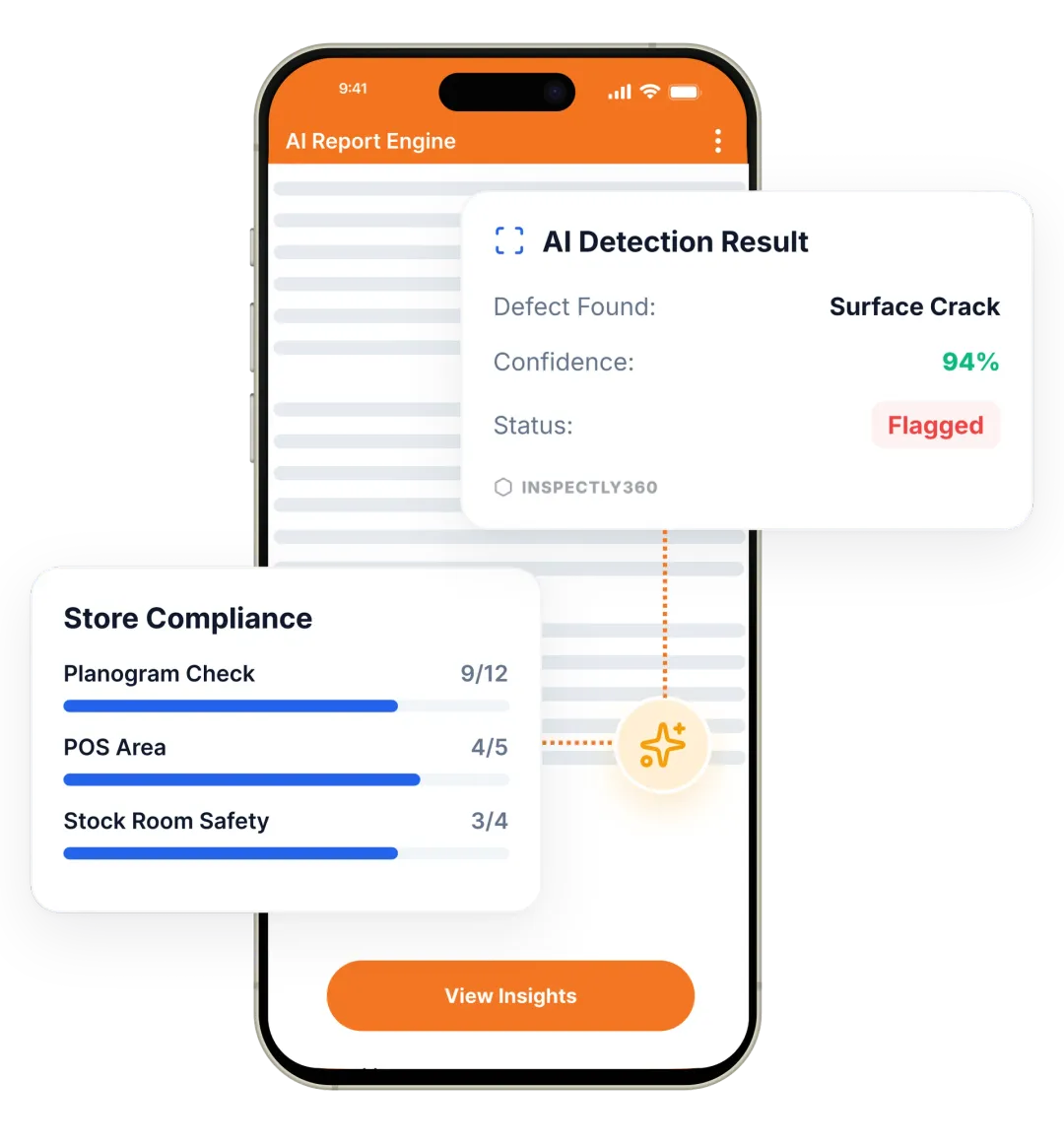
Your operations team sees completion rates, open issues, and compliance scores across all sites in real time. No chasing updates.
From data collection to compliance: see how teams use InspectWrk for every use case.
Capture field data once with digital forms that work even offline.
Explore use caseRun standardized inspections with photos, scoring, and instant reports.
Explore use caseConduct structured audits with evidence trails and pass or fail scoring.
Explore use caseLog hazards, near misses, and safety checks from any job site.
Explore use caseCatch defects early with repeatable quality checks and sign off.
Explore use caseReport incidents in the moment with photos and follow up actions.
Explore use caseInspect assets and keep condition and inspection history per asset.
Explore use caseRun preventive maintenance checks and log repairs with photo evidence.
Explore use caseStay audit ready with logged checks, timestamps, and shareable reports.
Explore use caseRemote Patient work breaks down the moment evidence leaves the form. These are the problems Remote Patient Monitoring App is built to remove, and what the team gets back when it does.

The device platform shows readings but no one exported the day count. At month end the billing team cannot tell which patients crossed 16 distinct days, so they hold the claims to be safe and the revenue is lost.
Problem
Solution

A payer requests documentation for three months of RPM interactive-communication time. The minutes were tracked on a personal timer and typed into the note later. The times do not reconcile and the practice repays the claims.
Problem
Solution
No. InspectWrk is a workflow, documentation, and compliance platform. It does not collect blood pressure, glucose, weight, or other physiologic readings from a patient device, and it does not replace your RPM device vendor. It sits alongside that vendor and handles the operational and billing evidence the device platform does not manage well: the 16-day reading count per patient, the billable-time log per clinician, device and consent tracking, and the audit trail. If you need the clinical device data, that comes from your monitoring vendor. If you need to run the program compliantly and bill it defensibly, that is what this app does.
For each patient in a 30-day period, the app keeps a running count of the distinct days a device reading was recorded, which is the requirement behind CPT 99454. The care coordinator sees the count mid-period, not just at the end, so patients short of 16 days can be contacted while there is still time. You can update the count by syncing from your device vendor's export or by logging it as part of the coordinator's daily review. At period close, the record shows the reading-day count per patient, ready for the billing team.
Clinicians log monitoring and interactive-communication minutes against the patient as the work happens, tagged to the CPT tier: 99457 for the first 20 minutes of clinical time in the month and 99458 for each additional 20 minutes. Because the minutes are captured live with the clinician named and the entry timestamped, the monthly total is real rather than reconstructed. When a payer audits, the practice exports the time record per patient per period and the minutes reconcile against the claim.
Yes. Each site's coordinators run their own patient panels in the app, and the chronic care or population health lead sees the roll-up across every site: patients on track for 16 days, patients at risk, minutes logged, and consent status. This matters for groups that run RPM across many clinics with a central billing team, because the billing team works from one consistent record instead of chasing a different spreadsheet from each site.
Yes. At enrollment the app captures the patient's consent to the RPM program and the device issued, with the serial or asset ID. It tracks device dispatch, active use, and return, so the practice knows which devices are with which patients and which are due back. Consent status sits on the same patient record as the reading count and the time log, so an auditor reviewing a claim sees enrollment consent, reading days, and billable minutes in one place.
Explore other inspection and audit apps for health care teams.
Last updated: