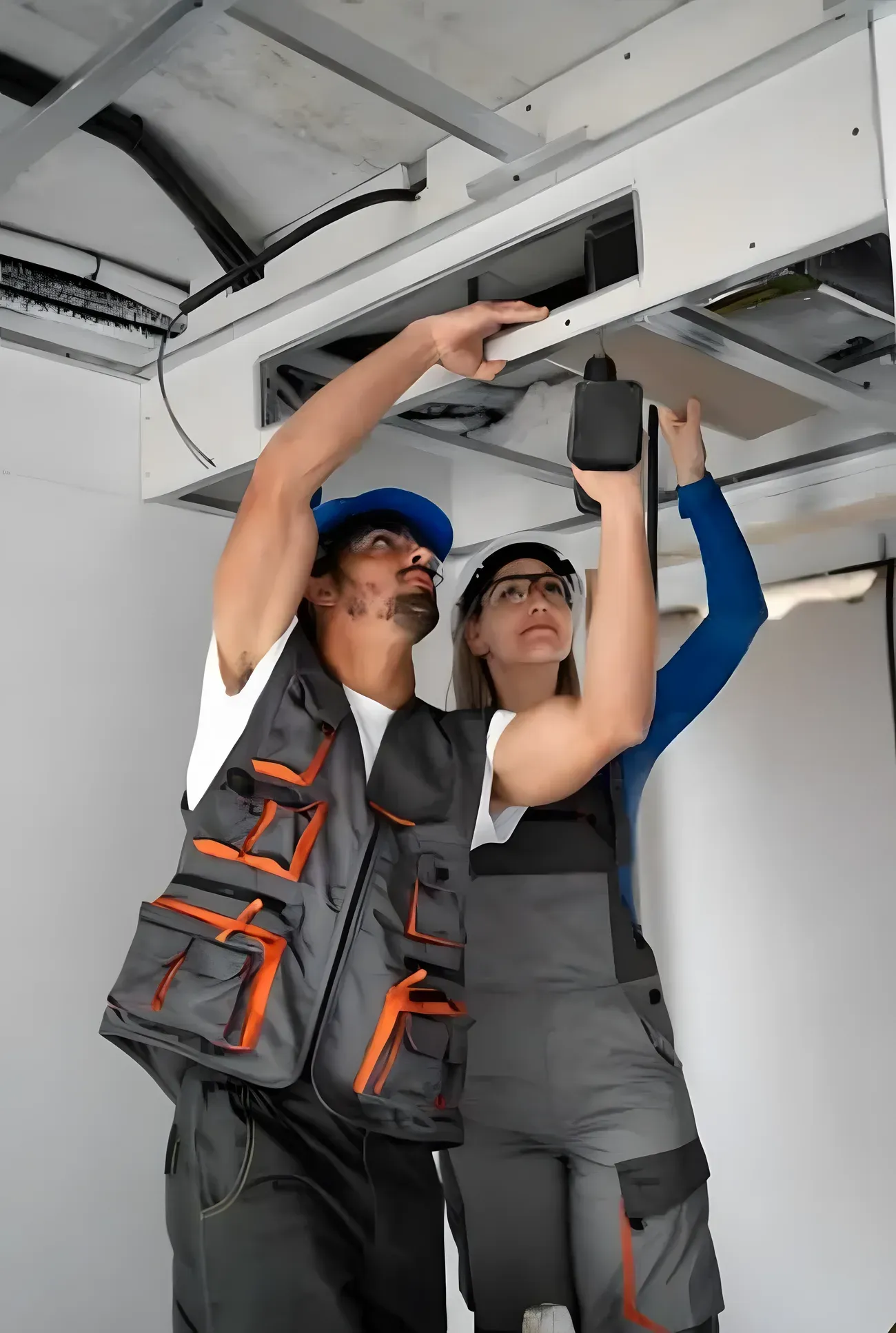
01 / 05Photo to formVISION AI
Take a Photo. AI Fills the Form.
Your inspector takes a photo of any asset or defect. AI reads it and fills the inspection form automatically.
No typing. No manual entry.

Plan and monitor infection control for construction and renovation in occupied healthcare facilities. Record the project type and patient risk group, set the precautions your ICRA method requires, and check barriers, pressure, and dust controls on every round.
Template aligned to the ICRA method your facility uses, such as ICRA 2.0, your infection prevention and construction policies and accreditation expectations for construction in occupied healthcare facilities.
Inspect basements, plant rooms and rooftops. Everything syncs when you are back online.
Attach photos and voice notes to every finding, right on the checklist item.
Every failed item becomes an action with an owner, severity and due date.
Sign off and a branded PDF, Excel or CSV report is generated and synced.

ICRA App gives facilities, infection prevention, and construction teams one place to assess and control infection risk when work happens in or near patient care areas. An infection control risk assessment starts with the project: the type and extent of work, the location, and the patient risk groups in the surrounding areas. Using the ICRA method your facility has adopted, such as ICRA 2.0, the team sets the class of precautions required and records the approvals before work starts.
Once work begins, the app turns those precautions into inspection rounds. Inspectors check barriers and their seals, negative pressure and exhaust where required, dust control at entries and exits, clean walk-off areas, debris removal, and the condition of adjacent patient areas, with photos. Problems become actions with owners, and serious issues can stop work until they are fixed. At handover, final checks confirm the area is clean and barriers are removed safely. It is separate from clinical infection prevention rounds on wards.
A complete ICRA workflow covers the project details and location, the type of construction activity, the patient risk groups affected, the class of precautions under your facility's method, approvals before work starts, barrier and pressure requirements, regular inspection rounds of barriers, dust control, and cleanliness, photos of each finding, corrective actions and stop-work issues, and final checks when the area is handed back.
A consistent routine keeps icra inspections reliable across every site. Follow these steps to run an effective inspection:
The assessment and rounds cover construction, renovation, and maintenance work in or near patient care areas: the type of work, the patient risk groups affected, the class of precautions set by the facility's method, and the barriers, pressure, dust control, and cleanliness checked throughout the work until the area is handed back.
Standards and regulations that apply: the ICRA method your facility uses, such as ICRA 2.0, your infection prevention and construction policies, accreditation expectations for construction in occupied healthcare facilities.

Build the icra template with objective pass-fail criteria and schedule it to mobile teams.
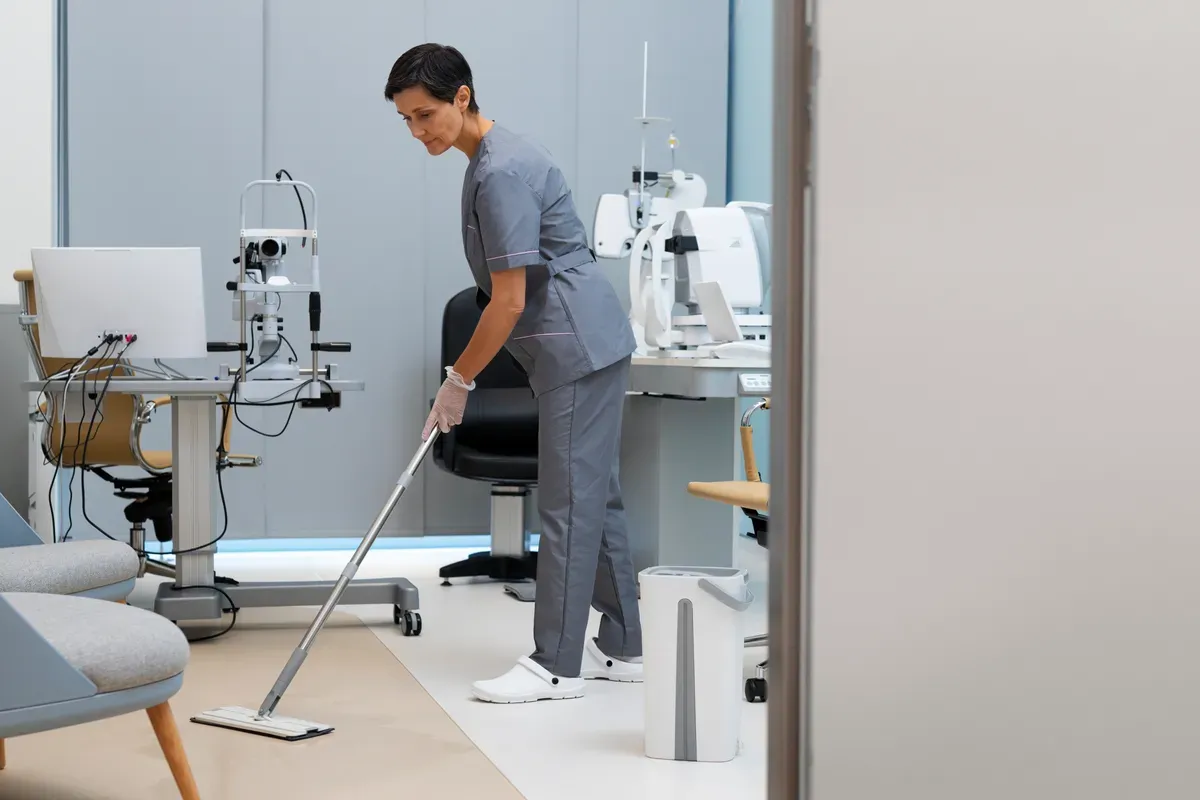
Inspectors run the inspection with photo evidence on each finding, such as cracks, incomplete works, exposed reinforcement, damaged finishes, and failed items raise corrective actions.

Dashboards built on verified icra data reveal recurring patterns on the icra across every site.
Icra work breaks down the moment evidence leaves the form. These are the problems ICRA App is built to remove, and what the team gets back when it does.
Drag to compare a day before and after InspectWrk.
Where it breaks
What changes
Where it breaks
What changes

Everything your field team records during ICRA, from photos and voice notes to sign-off, InspectWrk turns into a finished report automatically.
Your inspector takes a photo of any asset or defect. AI reads it and fills the inspection form automatically.
No typing. No manual entry.
Inspectors speak their observations in any language. AI transcribes and fills the form in real time.
Completely hands-free in the field.
The moment an inspection is submitted, AI summarises the findings and builds a branded PDF report and an Excel sheet for you.
No manual reporting. No copy-paste.
InspectWrk integrates with the tools your team already uses, including Zoho, Microsoft 365, and SAP.
No double entry.
Your operations team sees completion rates, open issues, and compliance scores across all sites in real time.
No chasing updates.
Hand-picked AI templates for every industry. Start with one and customize it for your workflow.
View All Checklists
AI checklist and form
Room-by-room finishes, MEP, and defect checks before handover.
AI checklist and form
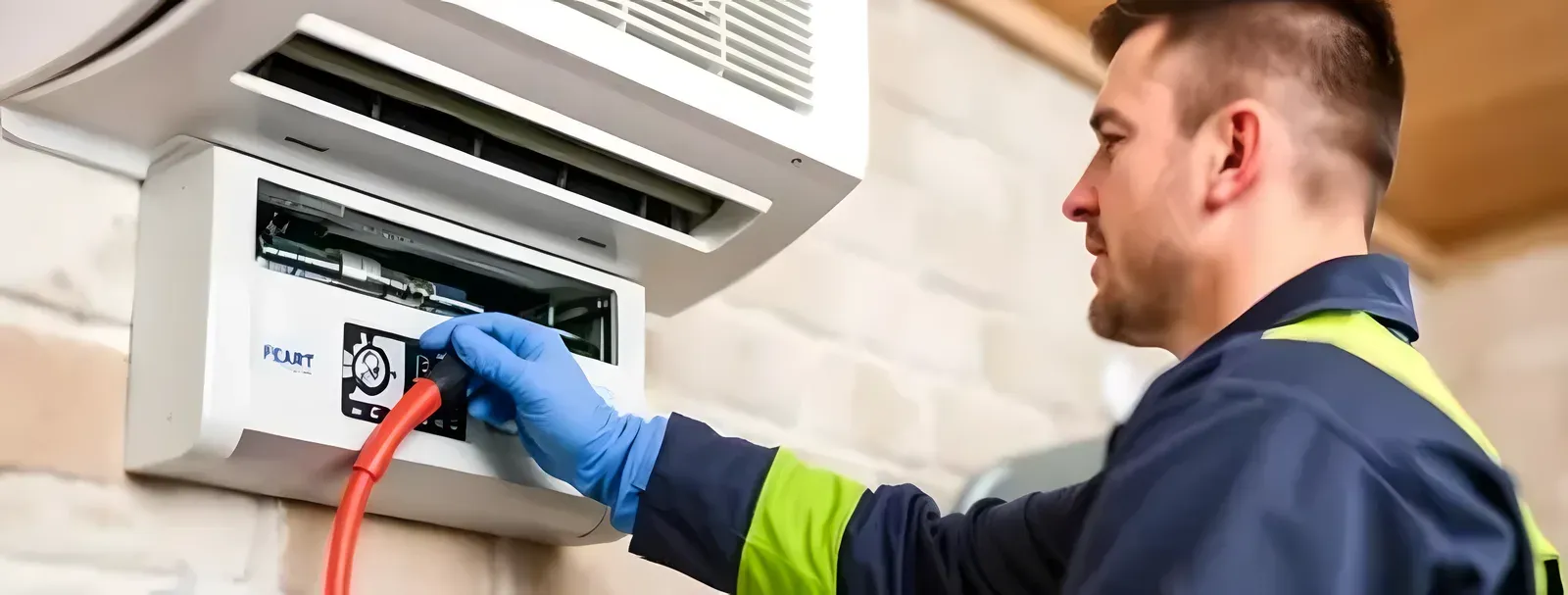
Filters, coils, drains, and controls checked on schedule with photos.
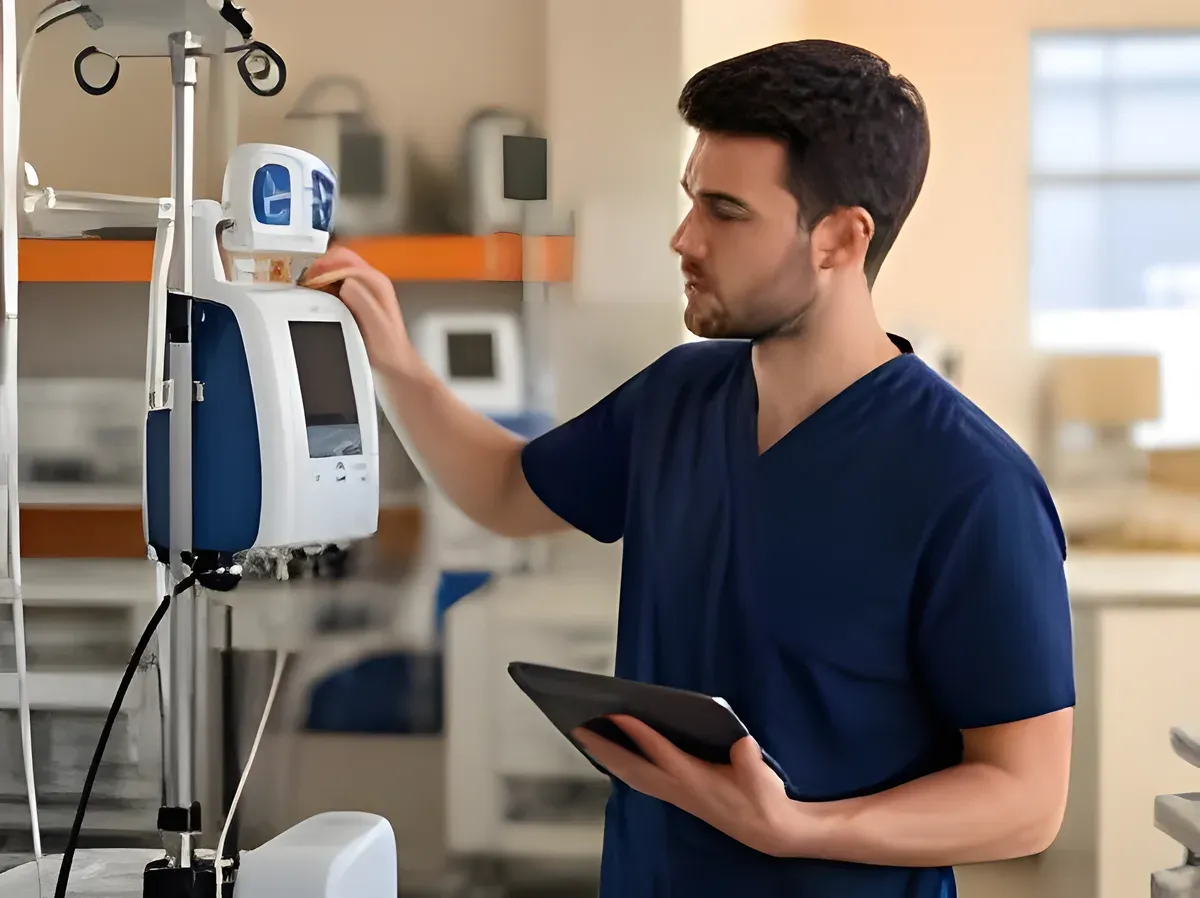
AI checklist and form
Safety and performance checks for infusion pumps and clinical devices.
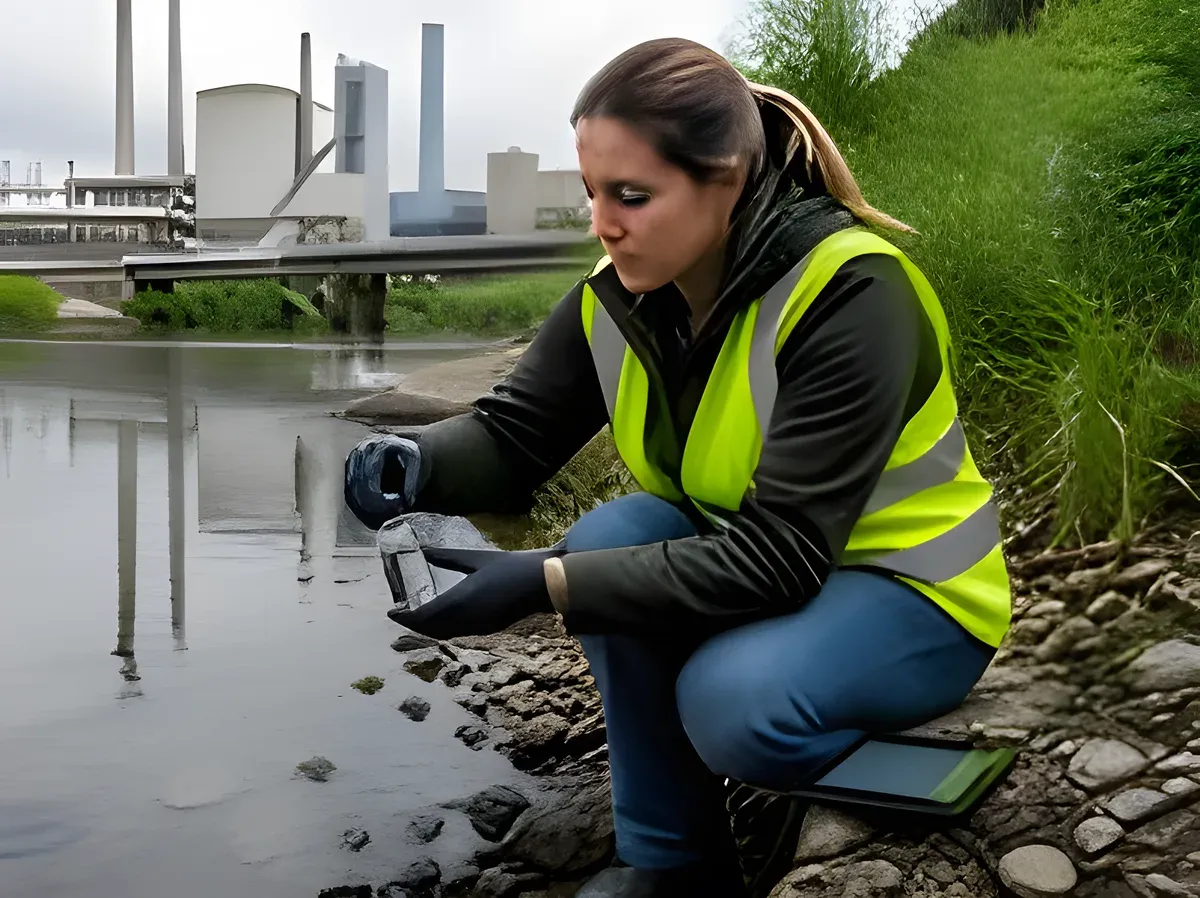
AI checklist and form
Site, sample, and readings logged in the field with GPS and photos.
Still unsure? See it on your own checklist in a 30-minute demo.
Book a Free DemoIt is mobile software for infection control risk assessment during construction, renovation, and maintenance in healthcare facilities. With InspectWrk, teams record the type of work and the patient risk groups nearby, set the class of precautions under the ICRA method the facility uses, and approve the assessment. During the work, inspectors check barriers, pressure, dust control, and cleanliness on regular rounds with photos, and issues are tracked to closure until the area is handed back. Rounds are completed at the barrier on a phone or tablet rather than written up later.
Most ICRA methods combine the type and extent of construction activity with the patient risk groups in and around the work area to decide the class of precautions required. The app follows the method your facility has adopted, such as ICRA 2.0, rather than applying its own rules. Infection prevention and facilities agree the class together, record the reasoning, and approve the assessment before work starts, so the precautions on site match the risk to patients. If the scope or location changes, reassess and approve the change before work continues.
Rounds check that the precautions agreed in the assessment are actually in place: barriers complete and sealed, doors kept closed, negative pressure and exhaust working where required, dust controlled at entries and exits, walk-off areas clean, debris removed safely, and adjacent patient areas unaffected. Each check is recorded with photos, and problems become issues with owners and due dates. The frequency of rounds follows your facility's policy for the class of precautions. Serious breaches can be escalated straight away so infection prevention can decide whether work should stop.
An infection control inspection app supports clinical infection prevention rounds on wards: hand hygiene, PPE, waste segregation, cleaning, and isolation practice. An ICRA app is about construction and maintenance work: assessing the infection risk a project creates for nearby patients and checking the barriers, pressure, and dust controls that manage it. Both involve infection prevention teams, but they cover different activities and different people, so each needs its own records. A project's ICRA history also stays separate from ward audit scores, which keeps both easier to review.
The app records the work, but it cannot make a project compliant by itself. It helps you document the assessment, approvals, rounds, and corrective actions consistently, which is the evidence infection prevention teams and surveyors usually ask to see. Decisions about the class of precautions, when to stop work, and when an area is safe to reopen stay with your qualified infection prevention and facilities staff under your own policies and the ICRA method your facility uses. Keep the approved assessment, rounds, and handover checks together so reviewers see the whole project.
Explore other inspection and audit apps for health care teams.
Last updated: