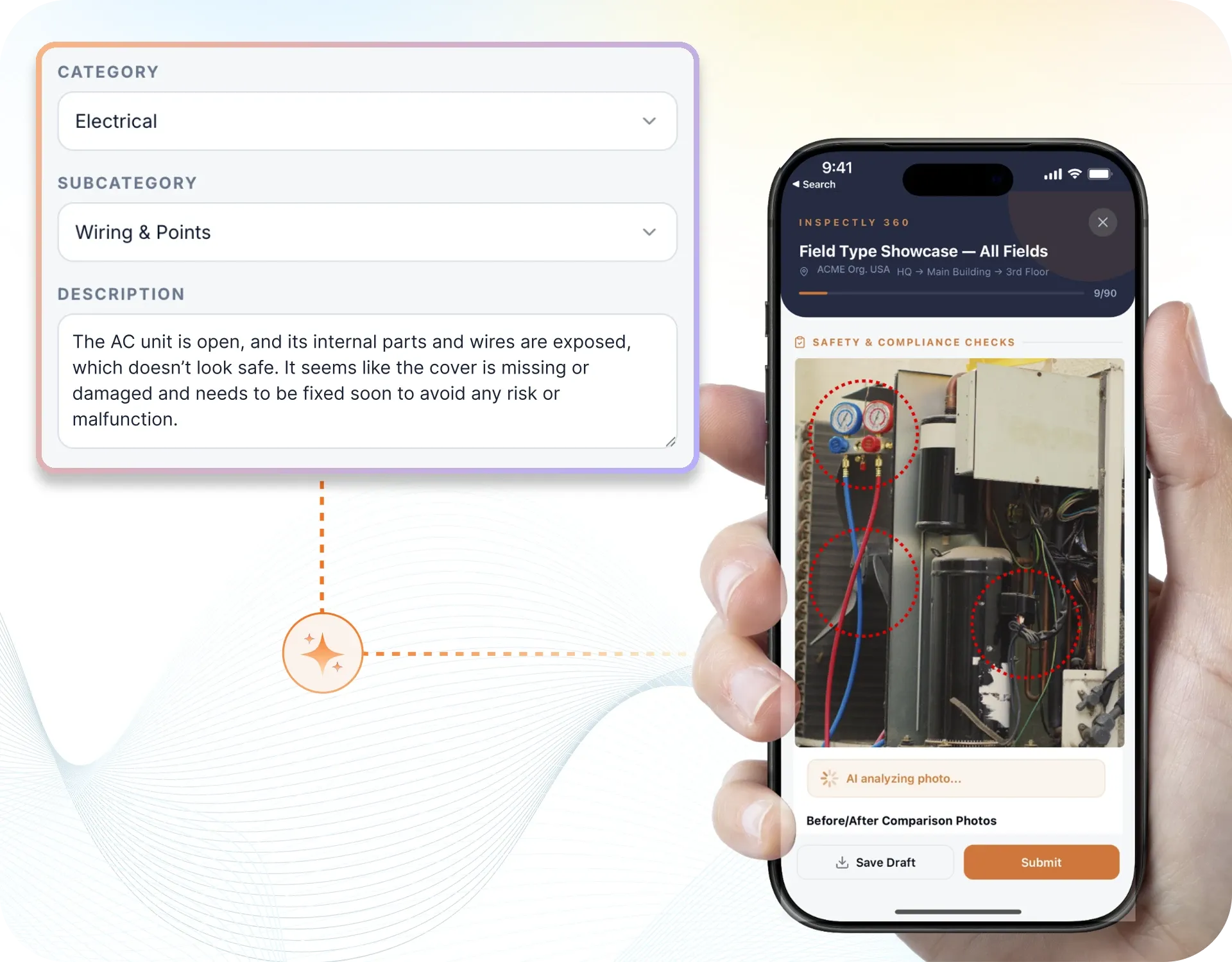
Take a Photo. AI Fills the Form
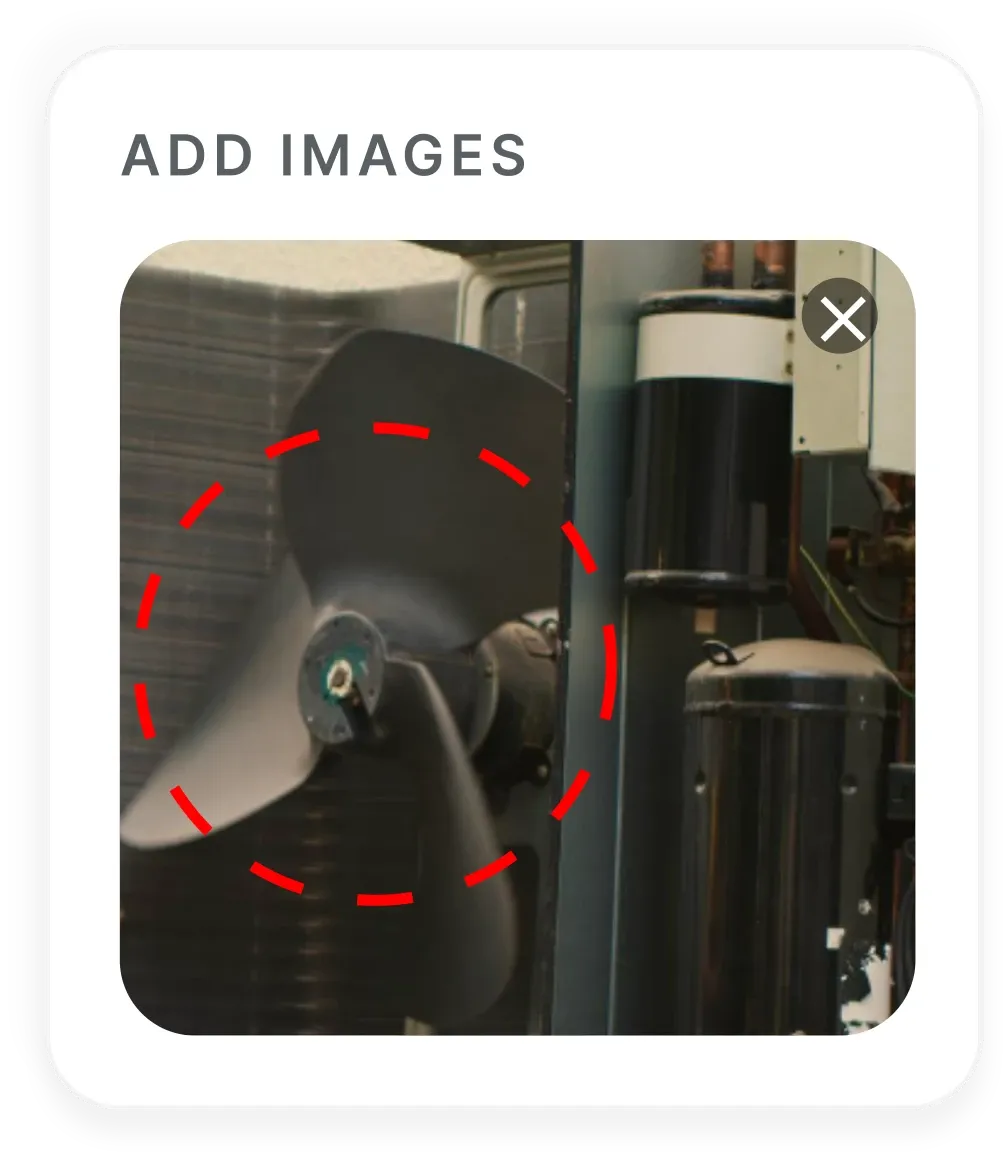
Your inspector takes a photo of any asset or defect. AI reads it and fills the inspection form automatically. No typing. No manual entry.

Use this port state control inspection checklist to work through certificates and documentation, bridge, deck and navigation, engine room and machinery, safety and emergency preparedness, and pollution, conditions and deficiencies, logging issues with photos and notes and assigning corrective actions before sign-off.

Customize with your logo and company details.
Available on App
Run inspections on iOS and Android - no internet required. Capture photos, annotate defects, and generate reports in the field.
Run the Port State Control Inspection Checklist on the InspectWrk app instead of paper. Inspectors capture photo evidence, work offline, and assign corrective actions on the spot, and the report generates itself the moment the inspection is signed off.

Port State Control Inspection Checklist
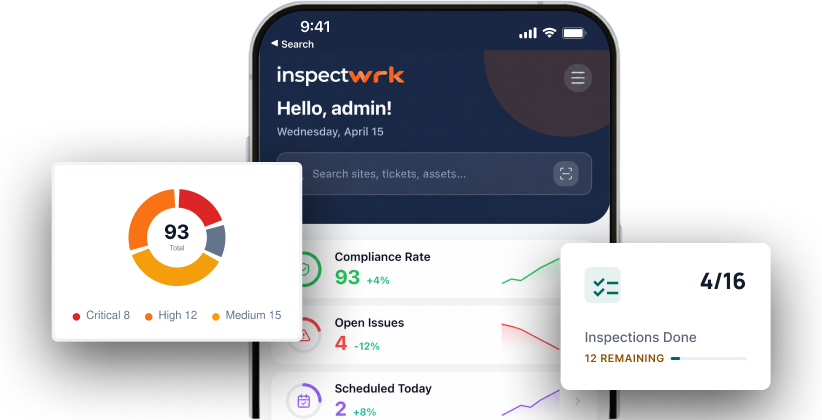
Port State Control Inspection Checklist Dashboard
Prioritized actions to keep operations running smoothly today.
Total Revenue
$42,680
+12% compared to last month
Active Projects
128
+8 new this week
Open Requests
56
-15 resolved this week
Operational Target
You're on track to meet this month's operational goal.
Target Task
200 ↑
Complete Task
136 ↑
Pending Task
10 ↓
Monthly Performance
Recent Client Activity
Everything your field team does on paper, InspectWrk does automatically: faster, more accurate, and without the admin.
Your inspector takes a photo of any asset or defect. AI reads it and fills the inspection form automatically. No typing. No manual entry.
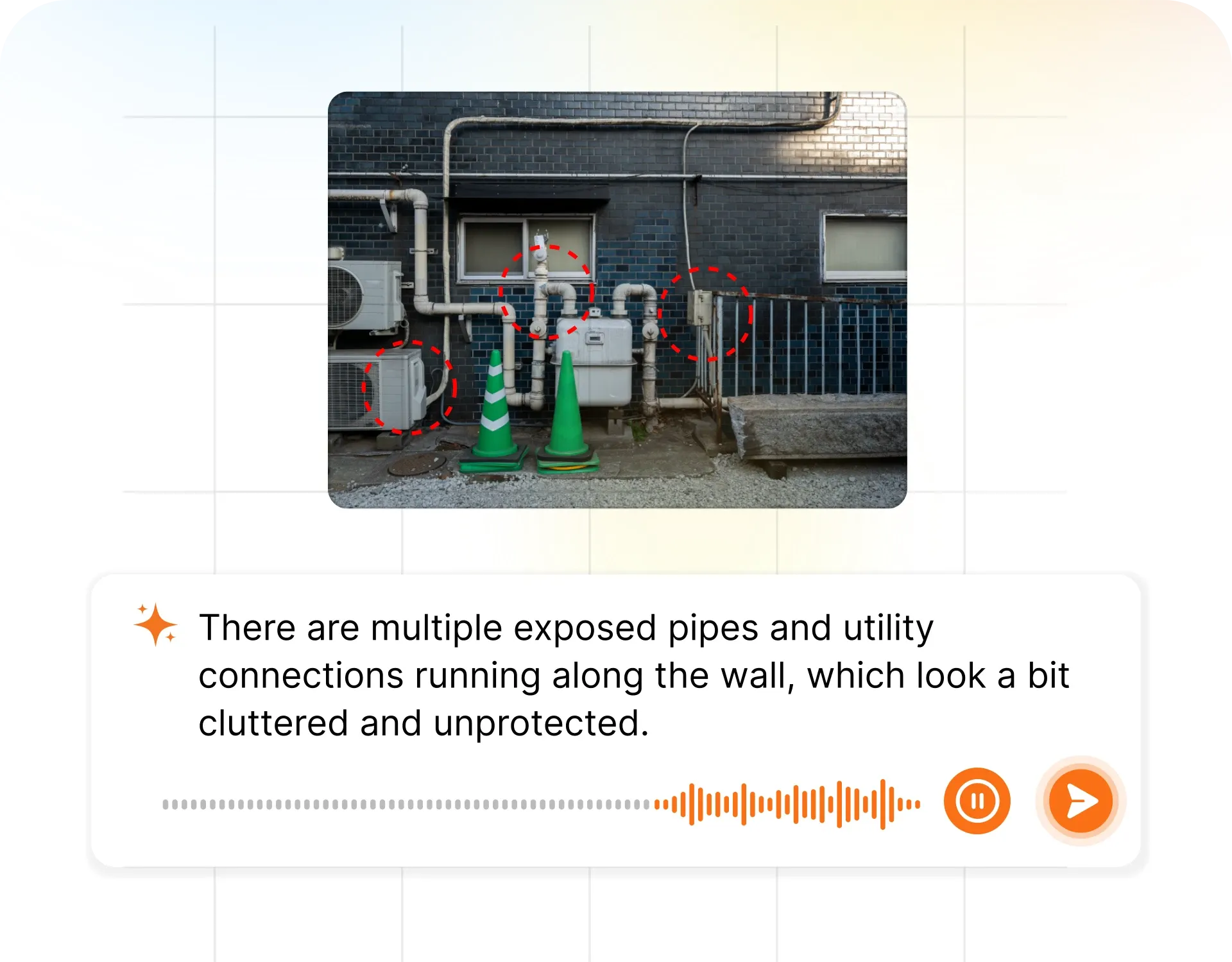
Inspectors speak their observations in any language. AI transcribes and fills the form in real time. Completely hands-free in the field.
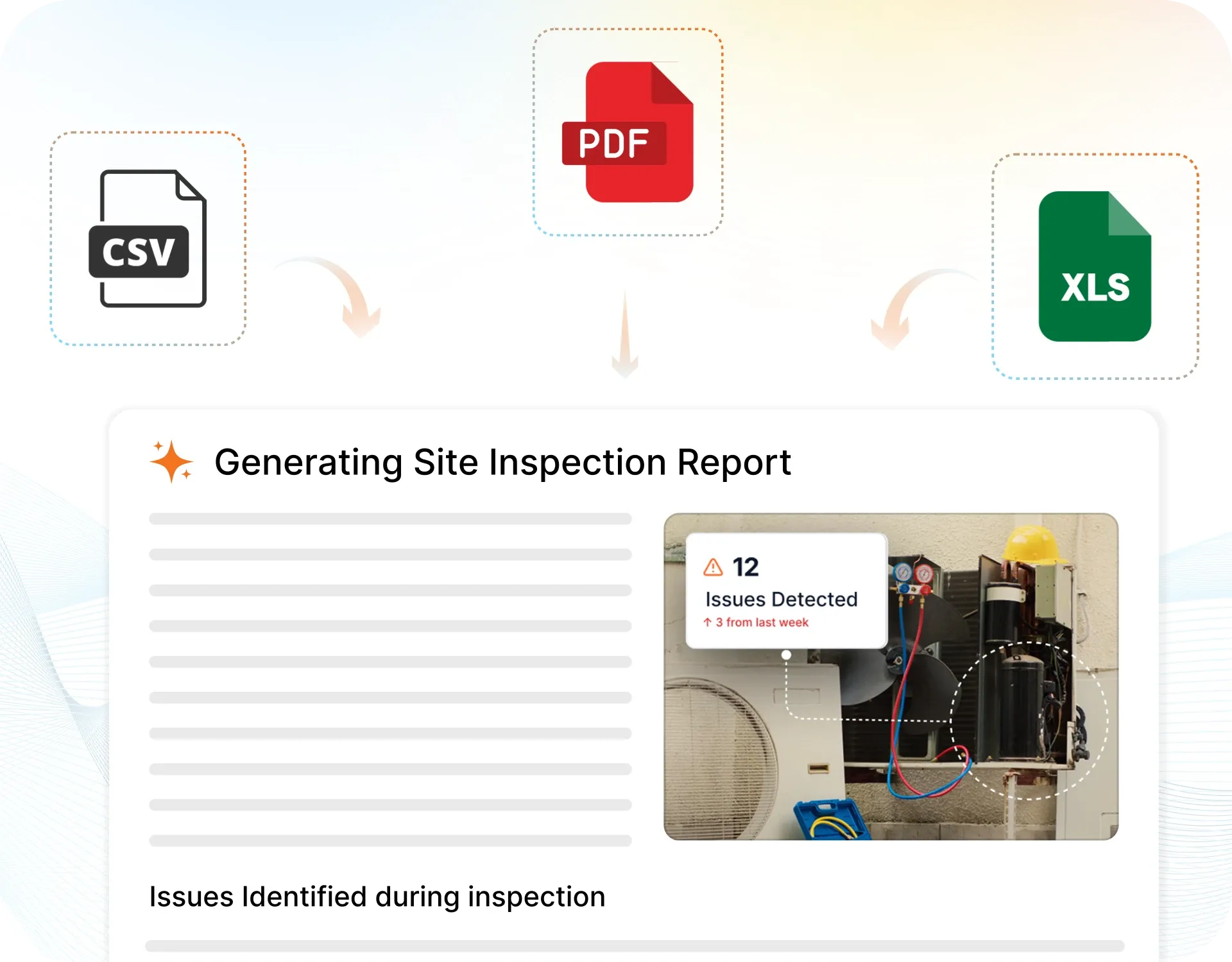
The moment an inspection is submitted, a branded PDF, Excel, or CSV report generates automatically. No manual work. No waiting.

InspectWrk integrates with the tools your team already uses, including Zoho, Microsoft 365, and SAP. No double entry.
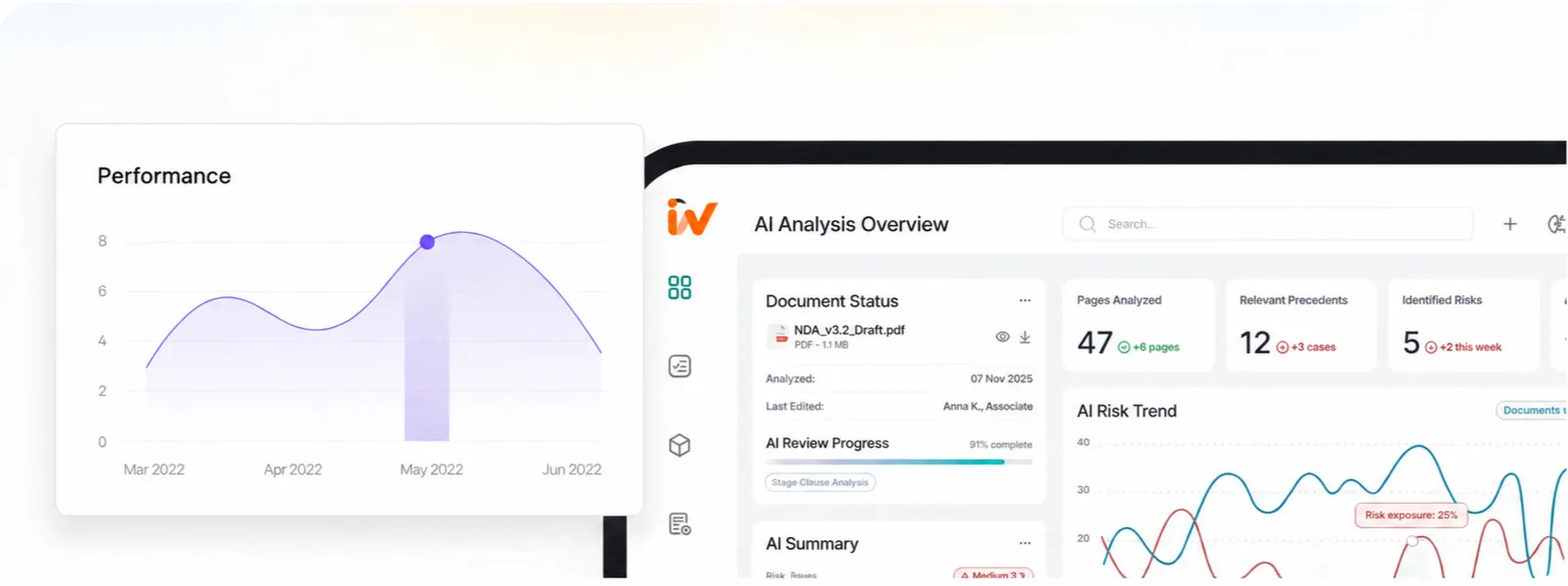
Your operations team sees completion rates, open issues, and compliance scores across all sites in real time. No chasing updates.
Manage every checklist in one connected workspace, capture evidence on mobile at the point of work, and let AI turn field inputs into clear, stakeholder-ready reports in minutes.



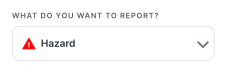
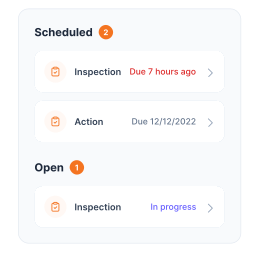
See which checklists your team has in progress across every site, jump into the same inspection with one tap, and keep field, supervisor, and back-office views in sync without sending screenshots on WhatsApp.


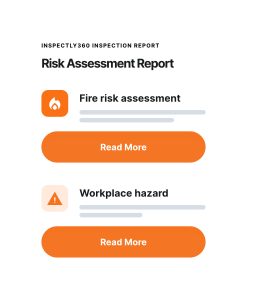
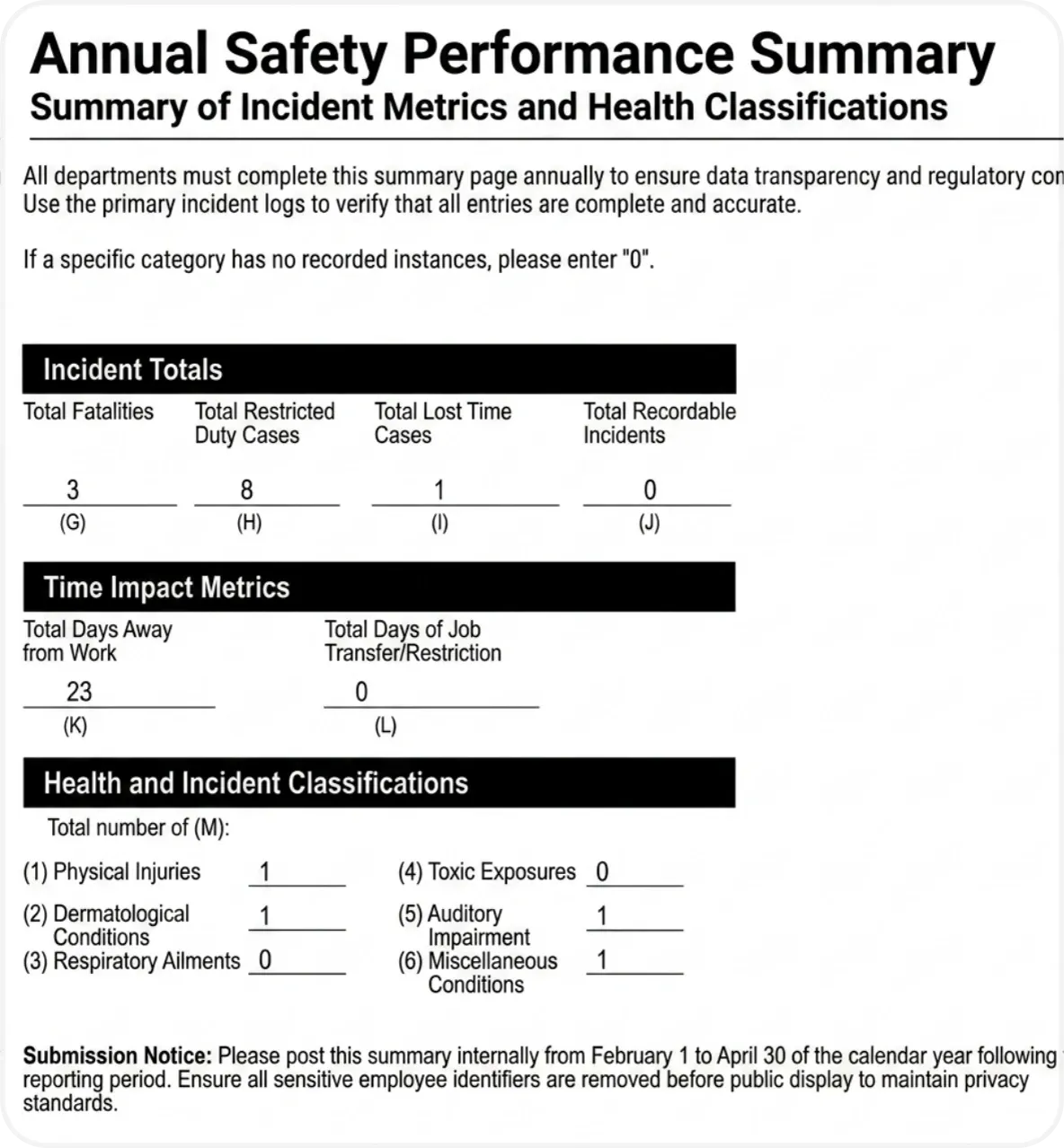


Every team reports differently. Build the report your operations, quality, or compliance leads actually want to read, share it as a branded PDF, and schedule delivery to the stakeholders who need it.


See completion, pass rate, and recurring findings across every checklist and every site, without pulling spreadsheets together at the end of the month.
Hand-picked templates for your specific industry needs.

Give your Transport, Logistics & Warehousing team a repeatable process for asset tracking software.

A mobile-ready inspection template for transport and logistics teams focused on field data collection app.

Give your Transport, Logistics & Warehousing team a repeatable process for inspection management software.
It helps prepare a vessel for a PSC inspection by self-checking the documentation, equipment, and conditions a Port State Control officer may review. It covers statutory certificates and ship and crew documentation, the bridge, deck, engine room and machinery, fire safety and lifesaving equipment, emergency preparedness and drills, pollution prevention, and working conditions, then records deficiencies and corrective action. It is a readiness and self-check tool that helps the crew find and fix issues before the inspection, rather than a substitute for the inspection itself.
No. The checklist improves readiness, but it does not guarantee a vessel will pass a Port State Control inspection. PSC requirements and outcomes depend on the applicable flag state, the relevant conventions, the port authority, and the inspection regime, and an officer's findings are their own. Use the checklist to prepare, self-check, and correct deficiencies in advance, and verify requirements against the applicable authorities and conventions. The result of an actual inspection is determined by the PSC officer under the applicable rules.
It typically covers statutory certificates and ship and crew documentation; the bridge and navigation equipment; the deck; the engine room, machinery, and maintenance; fire-safety systems and lifesaving equipment; emergency preparedness and drills; pollution-prevention arrangements; and accommodation and working conditions. It then records deficiencies and corrective action. The exact scope depends on the vessel type and the applicable conventions and regime, so the checklist supports a structured self-check while the specific requirements come from the flag state, conventions, and port authority.
Many crews run the self-check ahead of arriving in a port where PSC is likely, and on a regular basis so the vessel stays in a state of readiness rather than scrambling before an inspection. Running it early leaves time to correct deficiencies, order parts, or update records. How often you self-check depends on your management system and trading pattern; the checklist gives each self-check a consistent structure and a record of what was found and fixed.
In InspectWrk, the PSC self-check runs as a structured review on a device, covering documents, ship and machinery, safety and emergency, and pollution and conditions, with deficiencies logged and corrective action tracked to closure. Records are timestamped and stored, so the master and shore team can see readiness, confirm deficiencies were corrected, and keep a history of preparation. It helps reduce avoidable findings, while the outcome of an actual inspection remains with the PSC officer under the applicable regime.

A Port State Control inspection checklist helps prepare a vessel for a PSC inspection by reviewing documentation, equipment, operational readiness, emergency preparedness, and shipboard conditions. It covers statutory certificates and ship and crew documentation, the bridge, deck, engine room and machinery, fire safety and lifesaving equipment, emergency preparedness and drills, pollution prevention, and working conditions, then records deficiencies and corrective action. It is a readiness and self-check tool; it does not guarantee a vessel will pass, which depends on the applicable regime.
A Port State Control inspection checklist is used to prepare a vessel for a PSC inspection by self-checking the documentation, equipment, and conditions a Port State Control officer may review. Its purpose is readiness: finding and fixing deficiencies before the inspection, not standing in for it. It is an inspection-preparation workflow for the crew and shore team.
Working through certificates and documentation, the bridge, deck, and navigation, the engine room and machinery, safety and emergency preparedness, and pollution, conditions, and deficiencies, the checklist confirms readiness and records what needs correcting. Because PSC requirements depend on the flag state, applicable conventions, the port authority, and the inspection regime, the checklist supports preparation but does not guarantee the outcome of an actual inspection.
Many PSC deficiencies are avoidable: an expired certificate, a lifejacket light that is out, a fire door that will not close, a drill not recorded. When there is no structured self-check before the inspection, these are found by the officer instead of the crew, and can lead to deficiencies or, in serious cases, detention.
A Port State Control inspection checklist fixes that by giving the crew a consistent self-check across documents, equipment, safety, and conditions, so deficiencies are found and corrected first. It improves readiness, but the outcome of an actual inspection still depends on the applicable flag state, conventions, and port authority.
Preparing well reduces deficiencies, detentions, and surprises at inspection:
A complete self-check runs across the areas PSC may review:
Confirm the paperwork:
Confirm the vessel condition:
Confirm readiness to respond:
Confirm compliance and close gaps:
Self-check the vessel before the inspection:
See how this checklist fits into Transport, Logistics & Warehousing inspection software.
This checklist runs as a mobile inspection app that works fully offline on site, with AI-powered defect detection on every photo. To see it on your own workflows, talk to our team.