InspectWrk

Logistics and Warehouse Inspection Software for Fleet & Distribution Teams.

Digitize warehouse audits, fleet inspections, cold chain compliance checks, and supply chain quality controls across every facility and route. InspectWrk helps logistics teams protect cargo, maintain cold chain integrity, and stay compliant with DOT, FMCSA, and food safety transport regulations, even in offline environments.

Built for
Fleets, DCs & cold chain
Works
Offline
Reports
PDF + Excel

Templates aligned to DOT and FMCSA vehicle inspection rules.

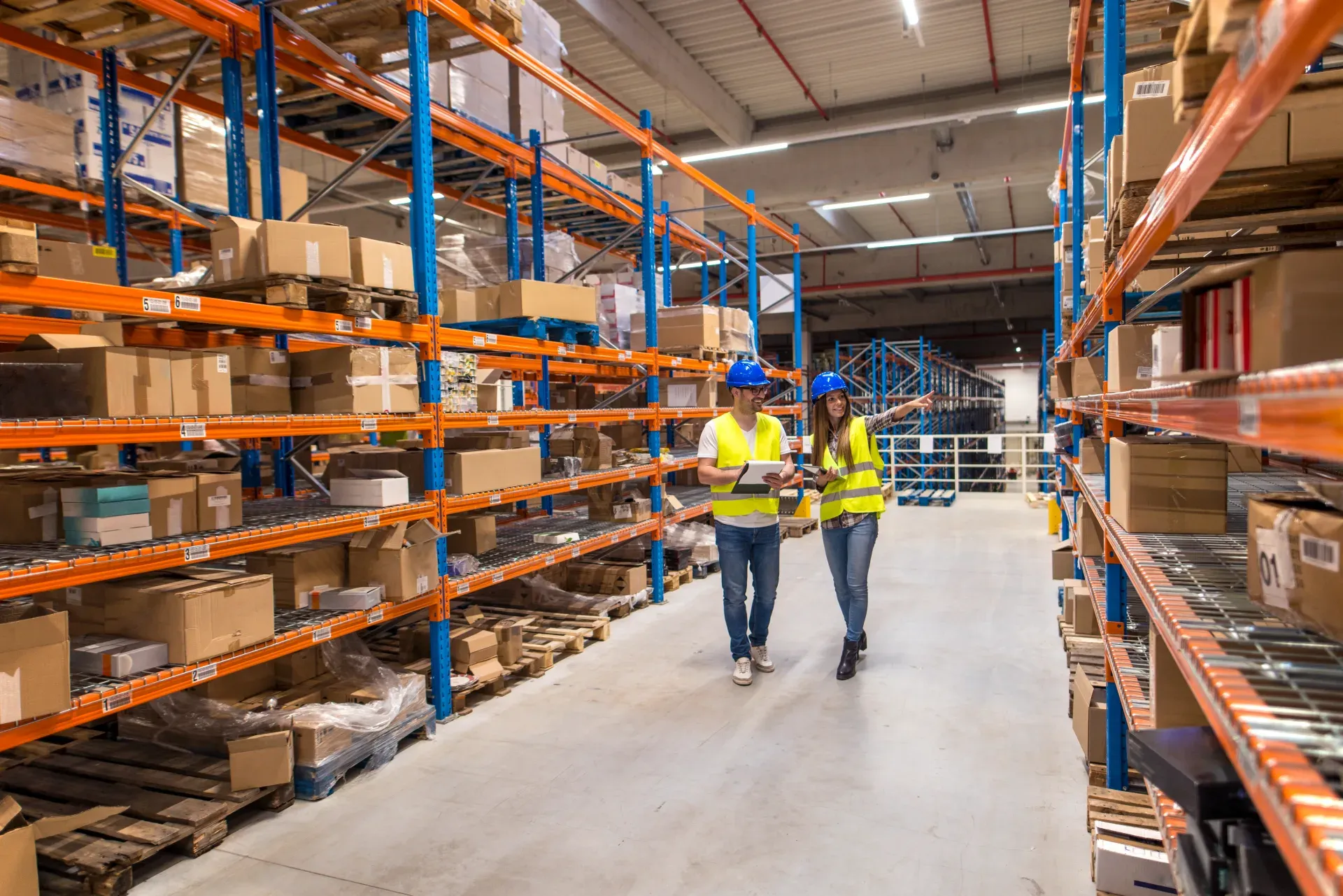
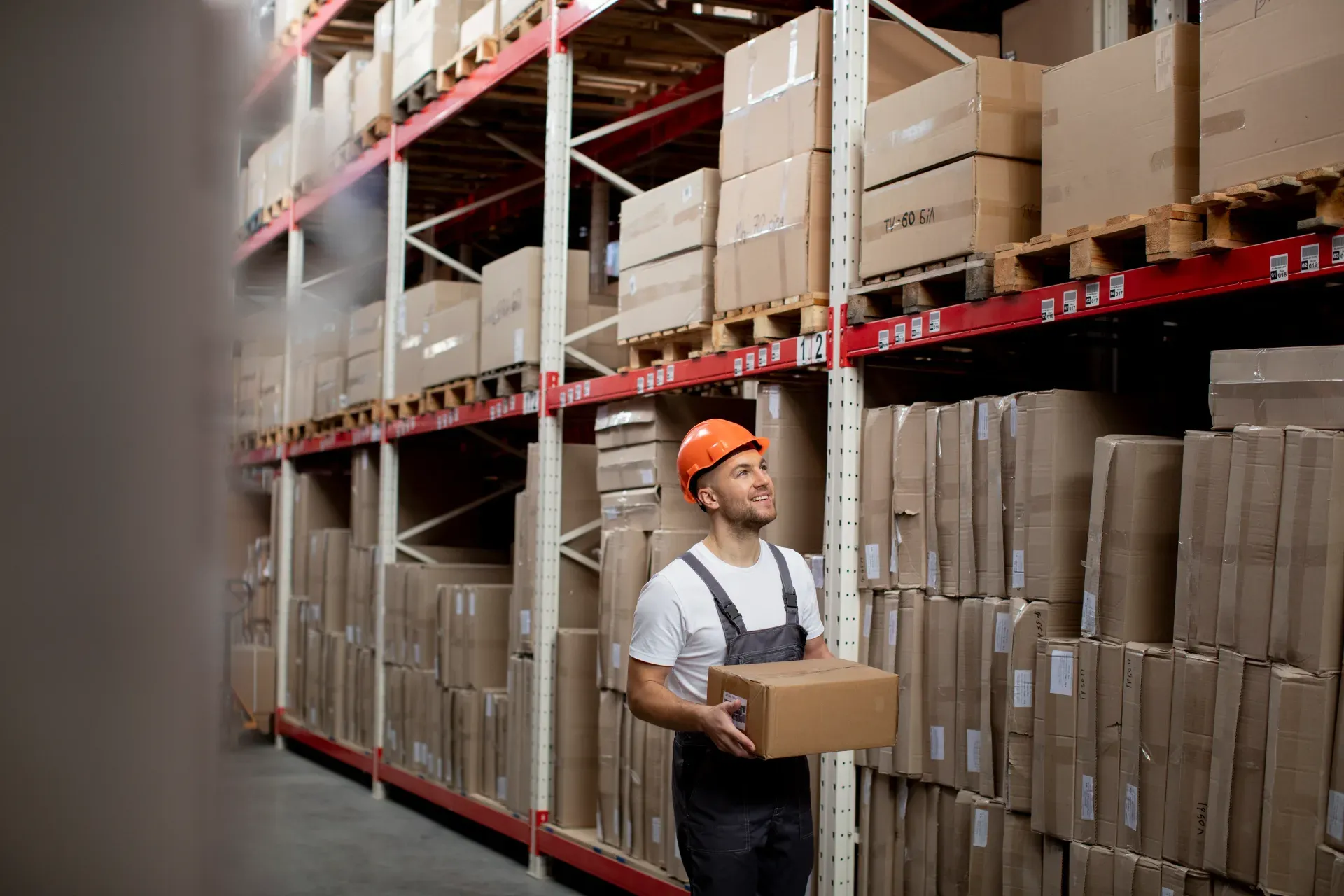
Two warehouse workers walking through a distribution storage area

Trusted by forward-thinking enterprises globally

  • HALDENFACILITIES
  • vireohealth
  • Corbel
  • TESSERAHOTELS & RESORTS
  • Oakline Foods
  • MARLOW & PIKE
  • LumenfieldENERGY
  • QUARRY
  • ArdenUNIVERSITY
  • northpier

Where logistics teams lose hours every week.

The same four gaps come up in almost every depot we talk to. Here is how each one closes.

DVIRs filed retroactively

Driver pre-trip and post-trip vehicle inspection reports are filled in retroactively, sometimes from memory. DOT and FMCSA exposure builds up quietly.

With InspectWrkDrivers file DVIRs on the phone, with photos, GPS and a timestamp.

Cold-chain excursions surface late

Cold-chain temperatures are logged on paper at receiving and dispatch. Excursions surface only after the load has cleared the dock and the customer has signed for it.

With InspectWrkTemperatures are logged at receiving and dispatch, with alerts on excursions.

Racking damage spotted by impact

Racking damage is discovered when a pallet drops or a forklift hits something. There is no proactive racking audit cadence and no shift-by-shift housekeeping score.

With InspectWrkRacking audits run on a schedule, and AI flags damage from photos.

No view across DCs and fleets

Each distribution center runs its own spreadsheets, forms, and reporting cadence. Head office has no live view of fleet readiness or warehouse safety.

With InspectWrkOne dashboard covers every facility, fleet and route.

Every check across your network.

Pick the work you run today. Each one starts from a ready template you can edit.

  • Fleet & Vehicle Inspections (DVIRs)

    Pre-trip and post-trip checks on every vehicle.

    Includes: DOT and FMCSA compliant DVIRs, Photo evidence with GPS and timestamp, Instant alerts for critical defects, Maintenance history per vehicle

    Digitize pre-trip and post-trip driver vehicle inspection reports in compliance with DOT and FMCSA regulations. Drivers complete standardized checklists on their mobile device, capture photo evidence of defects, and flag out-of-service conditions. Maintenance teams receive instant notifications for critical findings.

    See the Commercial Vehicle Pre-Trip Inspection (FMCSA) Template
  • Warehouse Safety & Racking Audits

    Find racking damage before a pallet drops.

    Includes: Fewer warehouse incidents, Racking damage tracking and trending, Shift-by-shift housekeeping scores, Automated corrective action workflows

    Conduct systematic warehouse safety walks, racking condition assessments, forklift pre-use checks, and fire safety inspections with standardized digital checklists. Track housekeeping scores, identify trends across shifts, and assign corrective actions with deadlines and verification.

    See the Warehouse Racking (selective) Safety Checklist Template
  • Cold Chain & Receiving Inspections

    Prove the temperature at every handover.

    Includes: Temperature logging at every touchpoint, Automated excursion alerts, Supplier claim documentation, Regulatory audit trail

    Verify temperature compliance at every stage of the cold chain: inbound receiving, cold storage, picking, and outbound dispatch. Log temperature readings, photograph product condition, and reject non-conforming shipments with full documentation for regulatory audits and supplier claims.

    See the Cold Chain Temperature Check Checklist Template
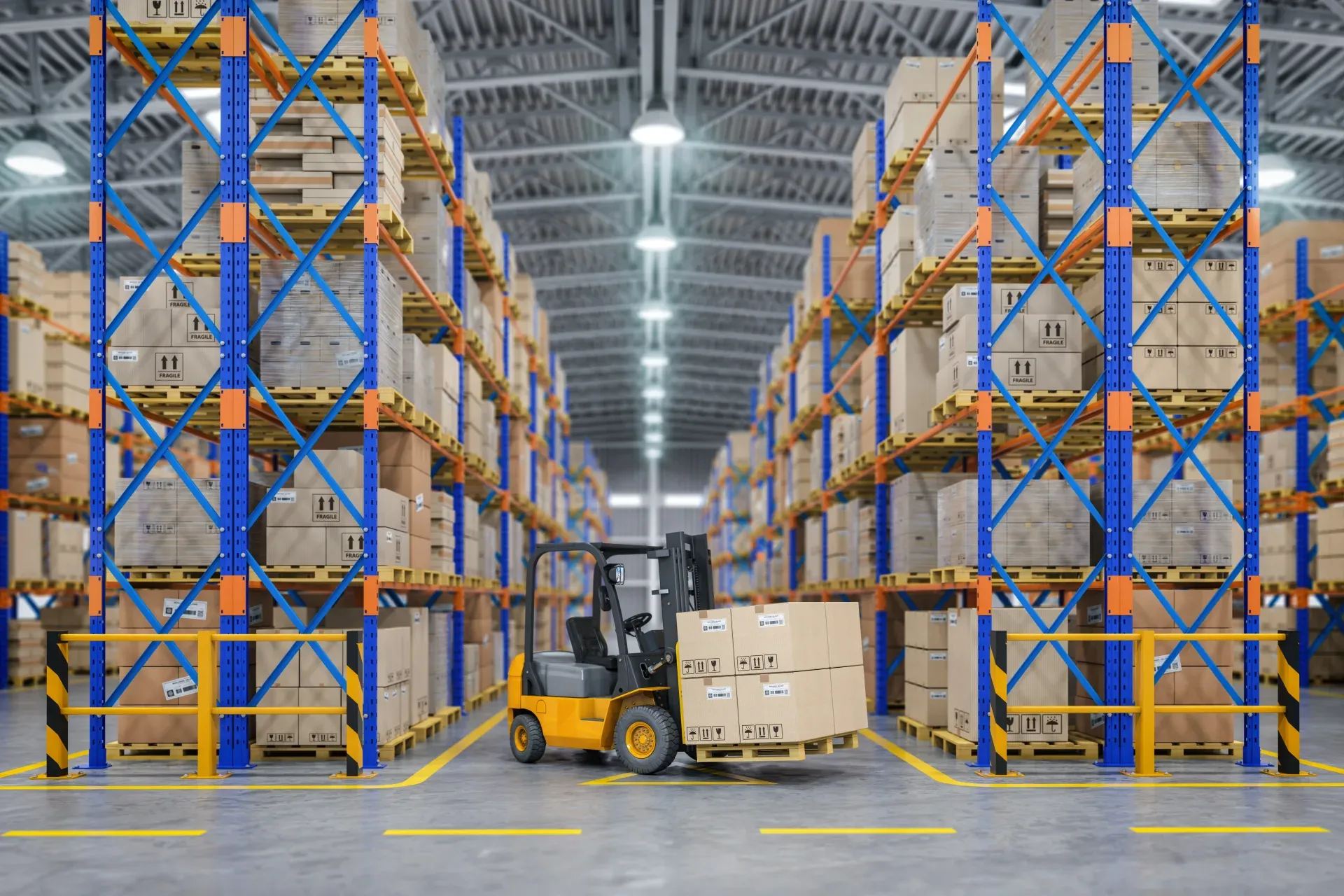
Forklift carrying a boxed pallet down a warehouse aisle between tall blue and orange racking

Defect to vehicle back on the road, in just 5 steps.

No re-keying between the driver, the workshop and dispatch. Each step hands over to the next on its own.

See It on Your Site
  1. Step 01

    Inspect

    The driver fails a pre-trip point and adds a photo.

    • Brake light
    • Fail
  2. Step 02

    Flag

    The vehicle is marked out of service.

    • DVIR-0412
    • Critical
  3. Step 03

    Assign

    The workshop gets the job with the photo.

    • Workshop
    • Due 2h
  4. Step 04

    Repair

    The mechanic fixes it and signs.

    • Repaired
    • Signed
  5. Step 05

    Release & report

    The vehicle is released and the DVIR is filed.

    • Ready
    • PDF

Every step is time-stamped and signed, so the audit trail builds itself.

How does inspection software protect the cold chain across a supply chain?

Cold chain failures are expensive precisely because they are discovered late. Temperatures are logged on paper at goods receipt inspection and dispatch inspection, and an excursion often surfaces days afterwards, once the load has cleared the dock. Logistics and warehouse inspection software protects the load by capturing temperature data digitally and checking it against limits the moment it is recorded, alongside a warehouse safety checklist that actually runs on schedule.

With InspectWrk, drivers complete vehicle inspection and fleet maintenance checks on a fleet inspection app, and inspectors run cargo inspection, loading dock audit, and cold chain monitoring at every stage. Readings are compared against configured critical limits, and an excursion triggers an immediate alert. Templates align to ISO 9001, ISO 28000 supply chain security, OSHA warehouse safety, and, for road transport, DVSA checks, vehicle fitness compliance, and MoRTH requirements.

The same record supports warehouse hygiene rounds, racking audits with AI damage detection, and dispatch checks that satisfy local transport authorities and customs compliance, with insurance claims backed by timestamped evidence. Because the app works offline, none of this depends on connectivity in a remote yard or in transit, and head office gets one live view of fleet readiness, cold chain status, and warehouse safety across the supply chain.

If you are comparing inspection platforms for logistics, it helps to see how each one handles offline capture and proof.


Compare Inspectwrk and Safetyculture for Logistics Inspections

AI turns every inspection into a ready report.

Submit an inspection and AI writes the PDF report and Excel sheet for you. No admin, no waiting.

01 / 05Photo to formVISION AI

Take a Photo. AI Fills the Form.

Your inspector takes a photo of any asset or defect. AI reads it and fills the inspection form automatically.

No typing. No manual entry.

02 / 05Voice to textVOICE AI

Speak. AI Writes It Down.

Inspectors speak their observations in any language. AI transcribes and fills the form in real time.

Completely hands-free in the field.

03 / 05Auto reportsREPORT AI

AI Writes the Report. PDF and Excel, Instantly.

The moment an inspection is submitted, AI summarises the findings and builds a branded PDF report and an Excel sheet for you.

No manual reporting. No copy-paste.

04 / 05IntegrationsINTEGRATIONS

Connect Your Existing Tools.

InspectWrk integrates with the tools your team already uses, including Zoho, Microsoft 365, and SAP.

No double entry.

05 / 05Live dashboardLIVE DATA

Live Dashboard. Every Site. Always On.

Your operations team sees completion rates, open issues, and compliance scores across all sites in real time.

No chasing updates.

See how operations teams standardize work in the field.

Real-world inspection workflows built around consistency, evidence and faster follow-up.

Explore Customer Stories
Case study 01 of 05

Start with a logistics template.

Free checklists and apps built for fleets and warehouses. Use them as they are or change any field.

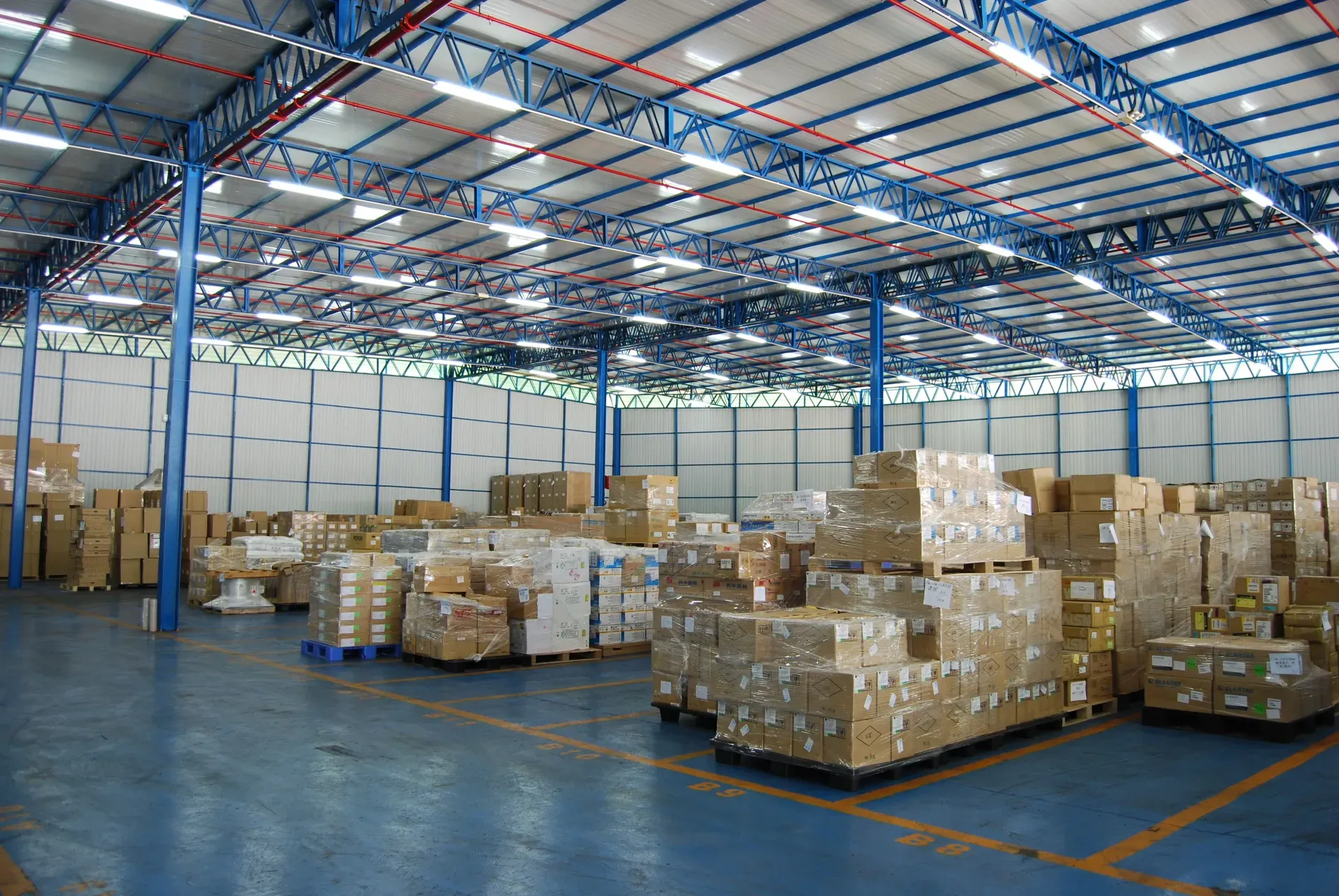
  • Large warehouse with steel roof trusses and wrapped pallets of boxes on a blue floorFleetFree Template

    DVIR Inspection Checklist

    Use this DVIR inspection to verify critical checkpoints and safety controls, compliance records and sign-off and corrective actions with photo evidence on transport logistics…

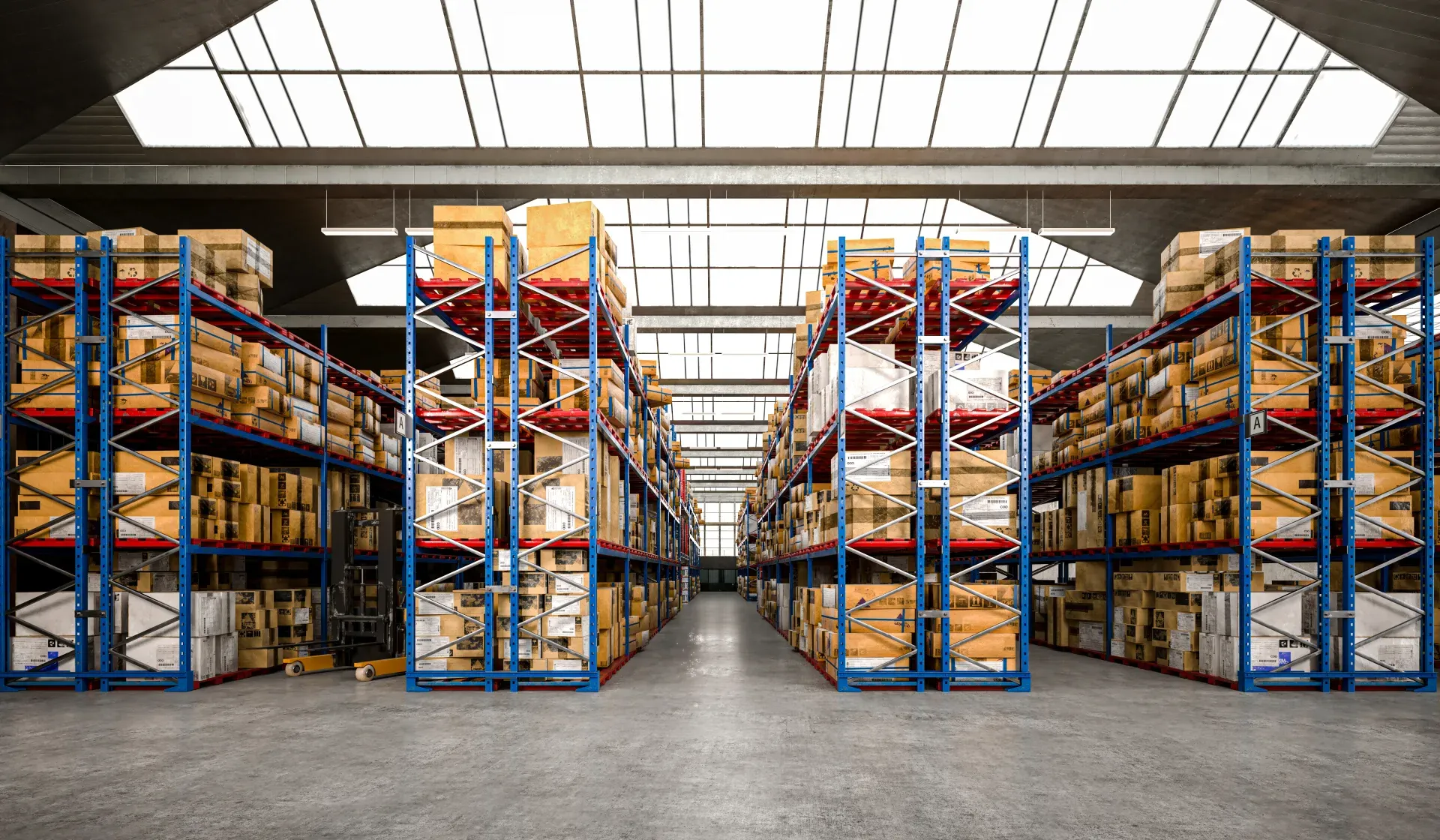
  • Rendered warehouse interior with tall blue racks of cardboard boxes under a skylit roofFleetFree Template

    Fleet Inspection Checklist

    Use this Fleet inspection to verify critical checkpoints and safety controls, compliance records and sign-off and corrective actions with photo evidence on transport logistics…

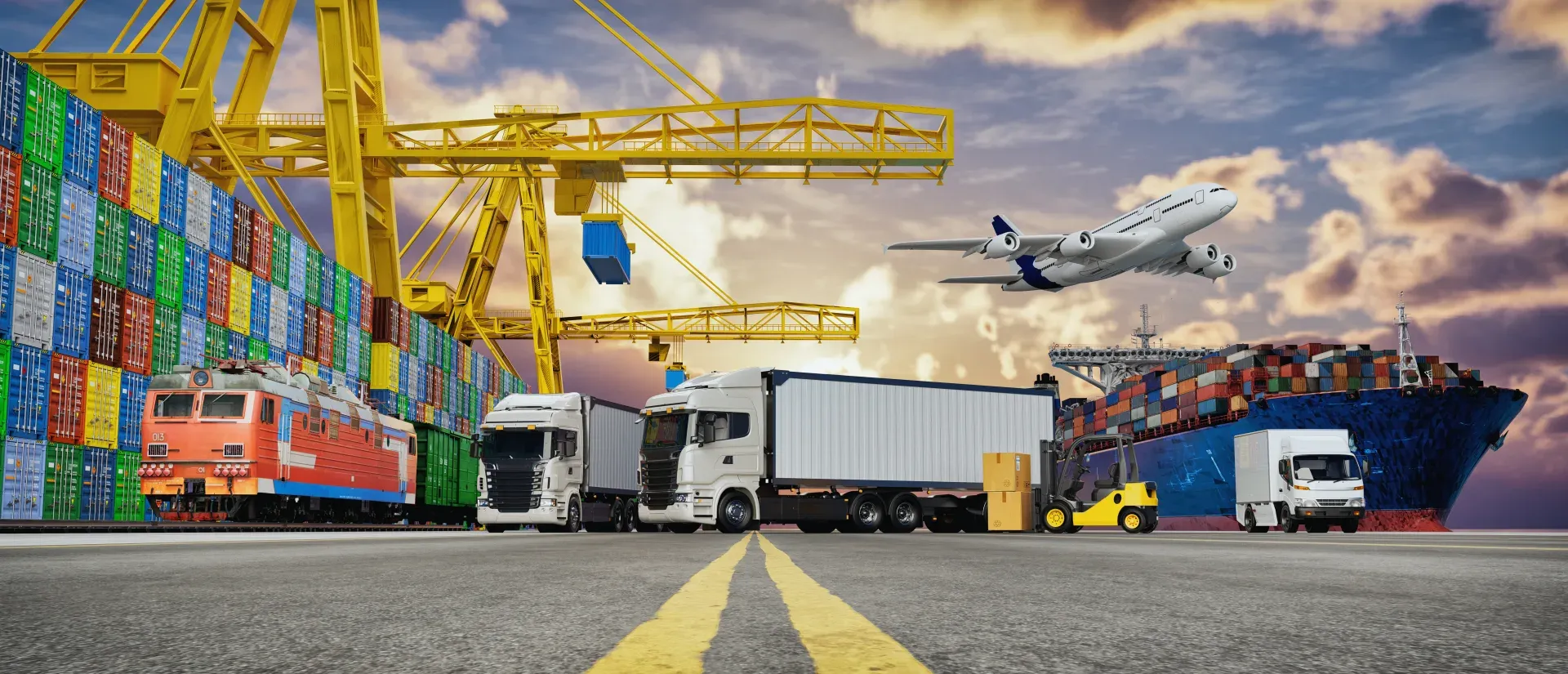
  • Cargo ship, truck with a red container, stacked containers, crane and plane at a sunset portWarehouseFree Template

    Racking Inspection Checklist

    This racking inspection checklist aims to identify exactly which components of warehouse racks are damaged. Instantly assign required actions to ...

Questions from logistics teams

See it on your own vehicle checks in a 30-minute demo.

Book a Free Demo

Yes. InspectWrk includes driver vehicle inspection report templates aligned with DOT and FMCSA requirements. Drivers complete pre-trip and post-trip inspections on their mobile device, with photo evidence, GPS location, and timestamps captured automatically. When a driver records a defect, the platform notifies the maintenance team immediately, so an out-of-service condition is acted on rather than discovered later. Completed DVIRs are stored with a full audit trail, which is exactly what you need to produce for a roadside inspection or a compliance review. Because the app works offline, a driver in a yard or on the road with no signal still completes the inspection properly, and it syncs when the device reconnects. That removes the retroactive, from-memory DVIRs that quietly build up DOT exposure.

Yes. InspectWrk supports digital temperature logging at receiving, cold storage, picking, and dispatch across every facility. Inspectors record readings during checks, and the platform compares them against the critical limits you configure, flagging an excursion the moment it is logged. Dashboards show cold chain compliance trends across all sites, and automated alerts notify managers when a threshold is breached, so corrective action happens before product is compromised. This replaces paper temperature logs, where a cold chain excursion only surfaces days later, after the load has cleared the dock. Every reading is timestamped and attributed, which gives you the documented audit trail that food safety transport regulations and supplier claims both require. Integration with IoT temperature sensors is also supported for continuous monitoring.

Yes. The InspectWrk mobile app is fully functional offline. Drivers and warehouse inspectors complete checklists, capture photos, log temperatures, and run AI defect detection with no connectivity at all. Data syncs automatically when the device reconnects. This is essential for remote distribution centers, truck yards with poor coverage, cold storage interiors, and drivers in transit through areas with no signal. The field experience is the same whether the device is online or offline, so a racking audit deep inside a warehouse or a pre-trip inspection in a remote yard is captured with the same photo evidence, GPS tags, and timestamps. Nothing waits for a network, and nothing is lost.

Yes. InspectWrk offers REST API integrations with transport management and warehouse management systems. Vehicle and asset data can sync into InspectWrk, inspection results can be pushed back into your operational systems, and work orders can be created automatically from inspection findings. That means a defect found on a DVIR or a racking audit becomes an action in the system your team already uses, without anyone re-keying it. Removing duplicate data entry keeps records consistent and saves time across every site. Webhooks let you trigger downstream processes too, so inspection data becomes part of your supply chain operations rather than a separate silo that managers have to reconcile by hand.

Most logistics operations are running within two to three weeks. The implementation team provides pre-built templates for DVIRs, warehouse safety, racking audits, and cold chain checks, so you are not building inspection content from scratch. A phased rollout by site or region is supported: start with a pilot facility, confirm the workflow with drivers and warehouse teams, then scale at your own pace. Because the app works the way a phone already works, inspector and driver training is short, which is what makes adoption stick across a distributed operation. Custom TMS or WMS integrations are handled during the same rollout, so every distribution center reaches a consistent inspection standard quickly.

InspectWrk puts warehouse safety on a proper cadence instead of leaving racking damage to be discovered when a pallet drops. Scheduled racking inspections, forklift pre-use checks, fire safety walks, and housekeeping audits run on digital templates, with photo evidence and severity ratings on every finding. AI damage detection helps inspectors catch racking damage from photos, including the early signs that a quick walkthrough can miss. When an issue is found, a corrective action is assigned with an owner and a deadline, then tracked to verified closure rather than noted and forgotten. Housekeeping scores are tracked shift by shift, so trends across teams and sites become visible. Managers see warehouse safety status across every distribution center on one dashboard, which turns safety from a reactive response into a proactive routine.

Explore other industries.

Every industry gets its own checklists, apps and workflows, all on the same platform.

Last updated: