01 / 05Photo to formVISION AI
Take a Photo. AI Fills the Form.
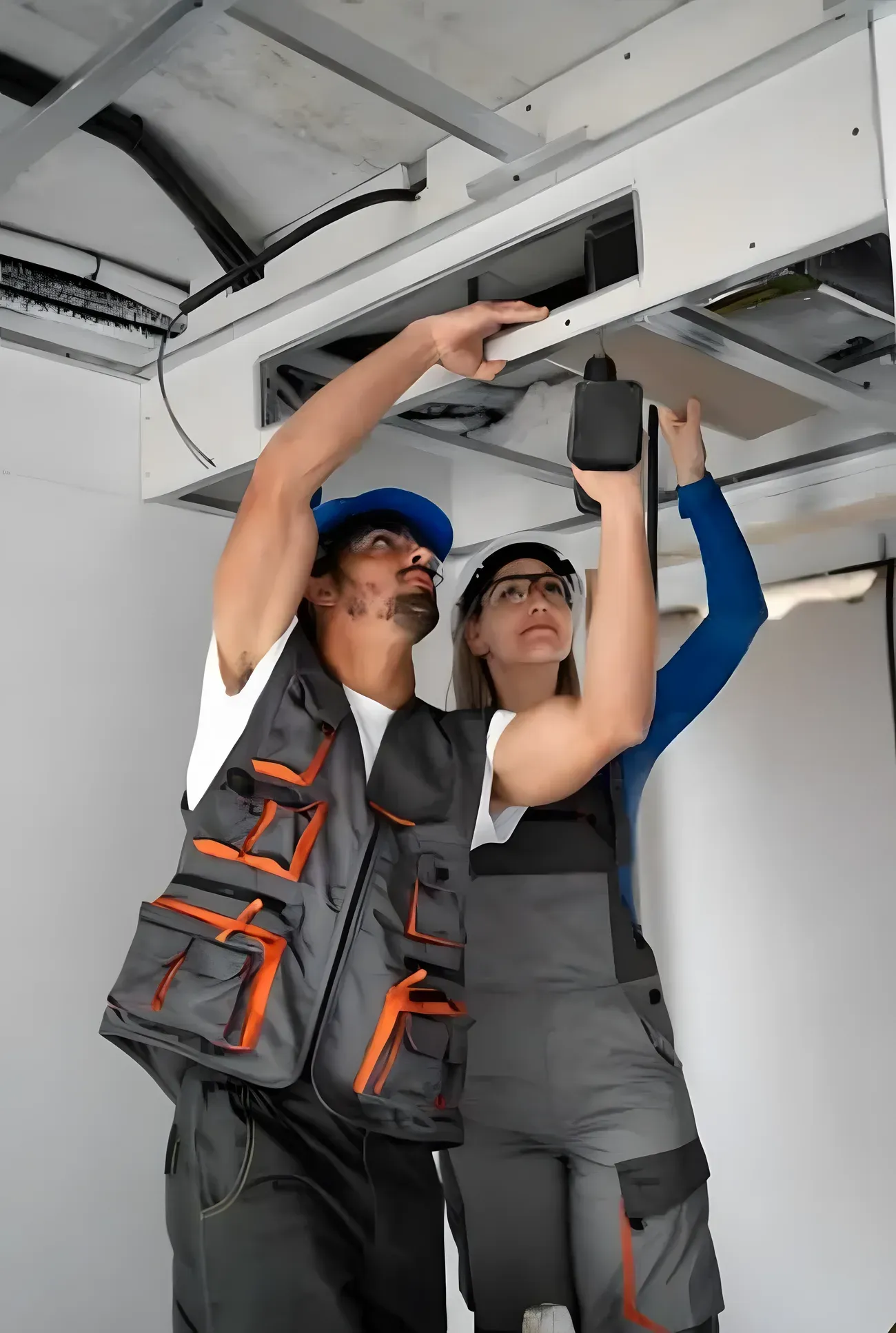
Your inspector takes a photo of any asset or defect. AI reads it and fills the inspection form automatically.
No typing. No manual entry.

Use this food safety inspection checklist to work through personal hygiene, food preparation, hot holding, cold holding, refrigerator, freezer, and milk cooler, and food storage and dry storage, logging issues with photos and notes and assigning corrective actions before sign-off.
10 sections69 questions22 to 42 minutesFree
 Photo AddedPhoto AddedPhoto Added
10 sections · 69 questions · 22 to 42 minutes · Free
Do employees wear a clean and proper uniform, including closed-toe shoes?
Are effective hair restraints properly worn?
Are fingernails short, unpolished, and clean (with no artificial nails)?
Is jewelry limited to a plain ring, such as a wedding band, or watch, and no bracelets?
Are hands washed properly, frequently, and at appropriate times?
Are burns, wounds, sores, scabs, and splints covered with waterproof bandages and completely covered with a food service glove while handling food?
Are eating, drinking, chewing gum, and smoking allowed only in designated areas away from preparation, service, storage, and ware washing areas?
Do employees use disposable tissues when coughing or sneezing and then immediately wash hands?
Do employees appear in good health?
Are hand sinks unobstructed, operational, and clean?
Are hand sinks stocked with soap, disposable towels, and warm water?
Is a hand washing reminder sign posted?
Are employee restrooms operational and clean?
Is all food stored or prepared in the facility from approved sources?
Is frozen food thawed under refrigeration or in cold running water and then cooked to the proper temperature?
Is thawed food refrozen?
Are preparation procedures planned to keep ingredients out of the temperature danger zone?
Is food tasted using the proper procedure?
Are procedures in place to prevent cross-contamination?
Is food handled with suitable utensils, such as single-use gloves or tongs?
Is food prepared in small batches to limit the time it is in the temperature danger zone?
Are clean reusable towels used only for sanitizing equipment and surfaces and not for drying hands, utensils, or the floor?
Is food cooked to the required safe internal temperature for the appropriate time?
Is the internal temperature of the food being cooked monitored and documented?
Is the hot holding unit clean?
Is food heated to the required safe internal temperature before placing it in hot holding, and are hot holding units not used to reheat potentially hazardous foods?
Is the hot holding unit preheated before hot food is placed in it?
Is the temperature of hot food being held at or above 135 ºF?
Is food protected from contamination in hot holding?
Is the temperature of cold food being held at or below 41 ºF?
Is food protected from contamination in cold holding?
Is the food stored 6 inches off the floor in walk-in coolers?
Is the refrigerator and freezer unit clean and organized?
Are proper chilling procedures used?
Is all food properly wrapped, labeled, and dated?
Is the air temperature of all refrigerators and freezers monitored using accurate thermometers, and is the documentation on file?
Is the temperature of the dry storage area between 50 ºF and 70 ºF?
Are all food and paper supplies stored 6 to 8 inches off the floor?
Is all food labeled with the name and date received?
Are open bags of food stored in containers with tight-fitting lids and labeled with the common name?
Is the FIFO (First In, First Out) method of inventory management used?
Are there no dents, on the seam, bulging, or leaking canned goods?
Are all food surfaces clean?
Are chemicals clearly labeled and stored away from food and food-related supplies?
Is there a regular cleaning schedule for all food surfaces?
Is food stored in the original container or a food-grade container and labeled with the name and date received?
Is the three-compartment sink properly set up for ware washing?
Is the dish machine working properly (gauges and chemicals at recommended levels)?
Is the water clean and free of grease and food particles?
Are water temperatures correct for wash and rinse?
If heat sanitizing, are utensils allowed to remain immersed in 171 ºF water for 30 seconds?
If using a chemical sanitizer, is it mixed correctly, and is a sanitizer strip used to test chemical concentration?
Are all washed/sanitized items allowed to air dry?
Are wiping cloths stored in a sanitizing solution while in use?
Is all small equipment and utensils, including cutting boards and knives, cleaned and sanitized between uses?
Are work surfaces cleaned and sanitized between uses?
Are thermometers cleaned and sanitized after each use, and are they calibrated on a regular basis?
Is the can opener clean?
Are drawers and racks clean?
Are clean utensils handled in a manner to prevent contamination of areas that will be in direct contact with food or a person’s mouth?
Is the food slicer broken down, cleaned, and sanitized before and after every use?
Is the exhaust hood and filters clean?
Are outdoor garbage cans/dumpsters clean, water-tight, and kept covered?
Are garbage cans emptied as necessary?
Are boxes and containers removed from the site?
Is the loading dock and the area around the dumpster clean and odor-free?
Do outside doors have screens, are well-sealed, and equipped with a self-closing device?
Is there no evidence of pests present?
Is there a regular schedule of pest control by a licensed pest control operator
Three steps, about 22 to 42 minutes.
Section by section, one check at a time.
Tap Fail, add a photo, assign who fixes it.
The report is ready the moment you finish.
Paper for a one-off check. The app when every finding needs fixing.
Branded checklist
Customize with your logo and company details.
Quick answer
A food safety inspection checklist is the structured inspection that verifies field controls and closes findings with proof that food & beverage teams use to check the key inspection points, assign owners to any failures, and close them with photo proof. Completed in InspectWrk, it is timestamped, works offline, and exports as an audit-ready food & beverage report for FSSAI, HACCP and ISO 22000.
A food safety inspection checklist is the structured inspection that verifies field controls and closes findings with proof that food & beverage teams use to check personal hygiene, food preparation, hot holding, cold holding, refrigerator, freezer, and milk cooler, and food storage and dry storage, capture photo evidence, and track corrective actions to closure. Its job is to confirm HACCP remains serviceable through CCP temperature checks, allergen segregation and surface and utensil hygiene. Food safety and hygiene inspections: temperature checks, cleanliness, HACCP points, and corrective actions. Run digitally in InspectWrk, every finding is timestamped, photo-evidenced, and traceable to the inspector, with the records food & beverage teams need for FSSAI, HACCP and ISO 22000.
Food safety leads and kitchen supervisors still miss CCP temperature breach, allergen cross-contact and dirty food-contact surfaces when rounds are ticked without temperature log, zone photo and cleaning record.
Without temperature logs, teams reconstruct the evidence from phones instead of proving FSSAI, HACCP and ISO 22000 readiness.
It helps food safety officers and supervisors keep food & beverage work consistent, safe, and auditable, with the evidence needed for FSSAI, HACCP and ISO 22000:
A complete food safety inspection checklist works through personal hygiene, food preparation, hot holding, cold holding, refrigerator, freezer, and milk cooler, and food storage and dry storage, then records inspection context, scored checkpoints, and evidence with corrective actions:
Record where and when the inspection runs:
Define what each checkpoint verifies and how results are scored:
Make every finding traceable and actionable:
Follow these steps to run the food safety inspection checklist:
See how this checklist fits into Food & Beverage inspection software.
This checklist runs as a mobile inspection app that works fully offline on site, with AI-powered defect detection on every photo. To see it on your own workflows, talk to our team.
Submit an inspection and AI writes the PDF report and Excel sheet for you. No admin, no waiting.
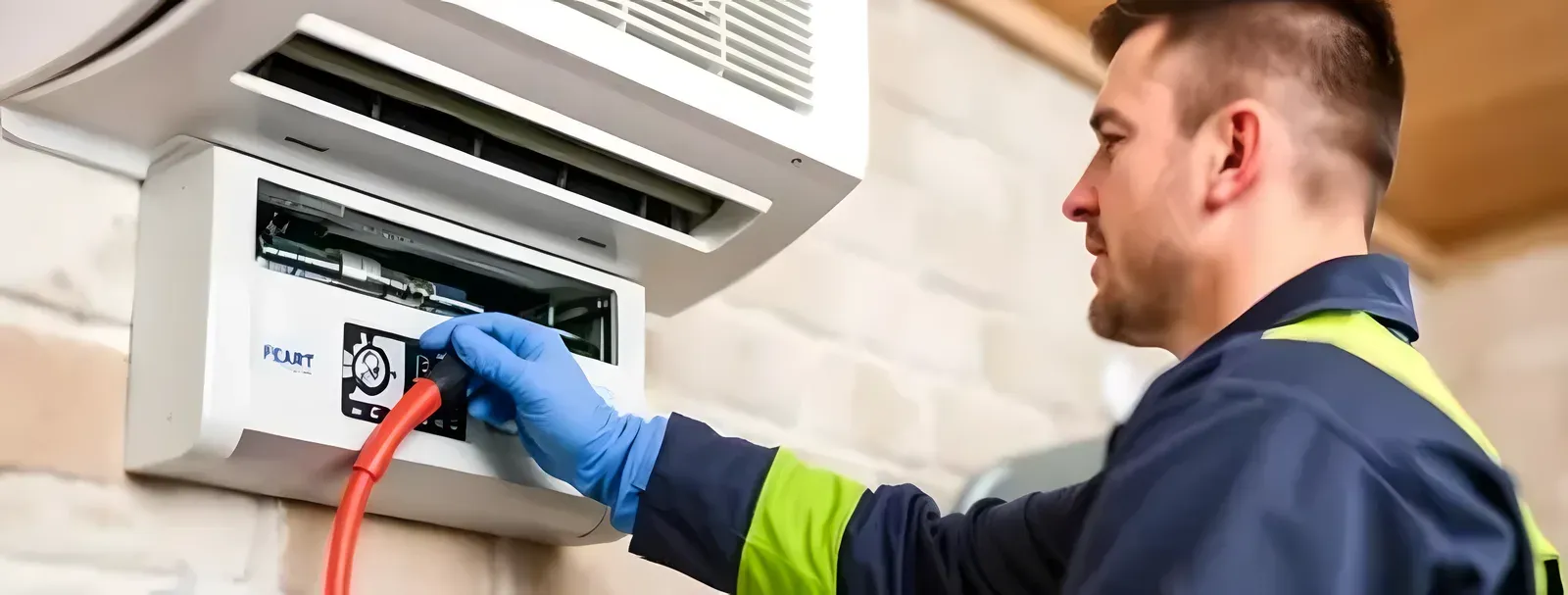
Your inspector takes a photo of any asset or defect. AI reads it and fills the inspection form automatically.
No typing. No manual entry.
Inspectors speak their observations in any language. AI transcribes and fills the form in real time.
Completely hands-free in the field.
The moment an inspection is submitted, AI summarises the findings and builds a branded PDF report and an Excel sheet for you.
No manual reporting. No copy-paste.
InspectWrk integrates with the tools your team already uses, including Zoho, Microsoft 365, and SAP.
No double entry.
Your operations team sees completion rates, open issues, and compliance scores across all sites in real time.
No chasing updates.
See which checklists your team has in progress across every site, jump into the same inspection with one tap, and keep field, supervisor, and back-office views in sync without sending screenshots on WhatsApp.
Every team reports differently. Build the report your operations, quality, or compliance leads actually want to read, share it as a branded PDF, and schedule delivery to the stakeholders who need it.
See completion, pass rate, and recurring findings across every checklist and every site, without pulling spreadsheets together at the end of the month.
See this checklist running on your own sites in a 30-minute demo.
Book a Free DemoIt is scoped to the scheduled cadence and controls that food safety officers, QA managers, hygiene auditors, production supervisors run, not a one-off handover walk. It prompts personal hygiene, food preparation, hot holding, cold holding, refrigerator, freezer, and milk cooler, and food storage and dry storage, watching for CCP temperature breach, allergen cross-contact and dirty food-contact surfaces, records pass, fail, or N/A with temperature log, zone photo and cleaning record on critical items, and raises corrective actions with owners before sign-off. Run in InspectWrk, the record is timestamped and rolls into trend reports so repeat failures surface before the next audit.
They work through each checkpoint to confirm HACCP remains serviceable through CCP temperature checks, allergen segregation and surface and utensil hygiene, confirm the required controls are in place, and capture temperature log, zone photo and cleaning record on anything that fails or needs proof. Priority failure modes include CCP temperature breach, allergen cross-contact and dirty food-contact surfaces. Each checkpoint takes pass, fail, or N/A, and a failed item stays open until the fix is verified.
It expects temperature log, zone photo and cleaning record, plus temperature logs on failed or critical items, so findings rest on proof rather than memory. Records support FSSAI, HACCP and ISO 22000, and every photo, note, and sign-off stays attached to the inspection instead of living in chat threads.
The food safety inspection checklist covers personal hygiene, food preparation, hot holding, cold holding, refrigerator, freezer, and milk cooler, and food storage and dry storage. On each checkpoint, food safety officers record pass, fail, or N/A, add a photo on anything that needs proof, and raise a corrective action with an owner and due date. Run in InspectWrk, the inspection is timestamped, traceable to whoever completed it, and exports as a single food & beverage report aligned to FSSAI, HACCP and ISO 22000.
Inspect a commercial refrigerator end to end: temperature, thermostat and control, door and gasket, shelving, condenser, evaporator, compressor, fans, defrost system, drain, electrical condition, cleanliness, and frost or ice, with alarms and maintenance records.
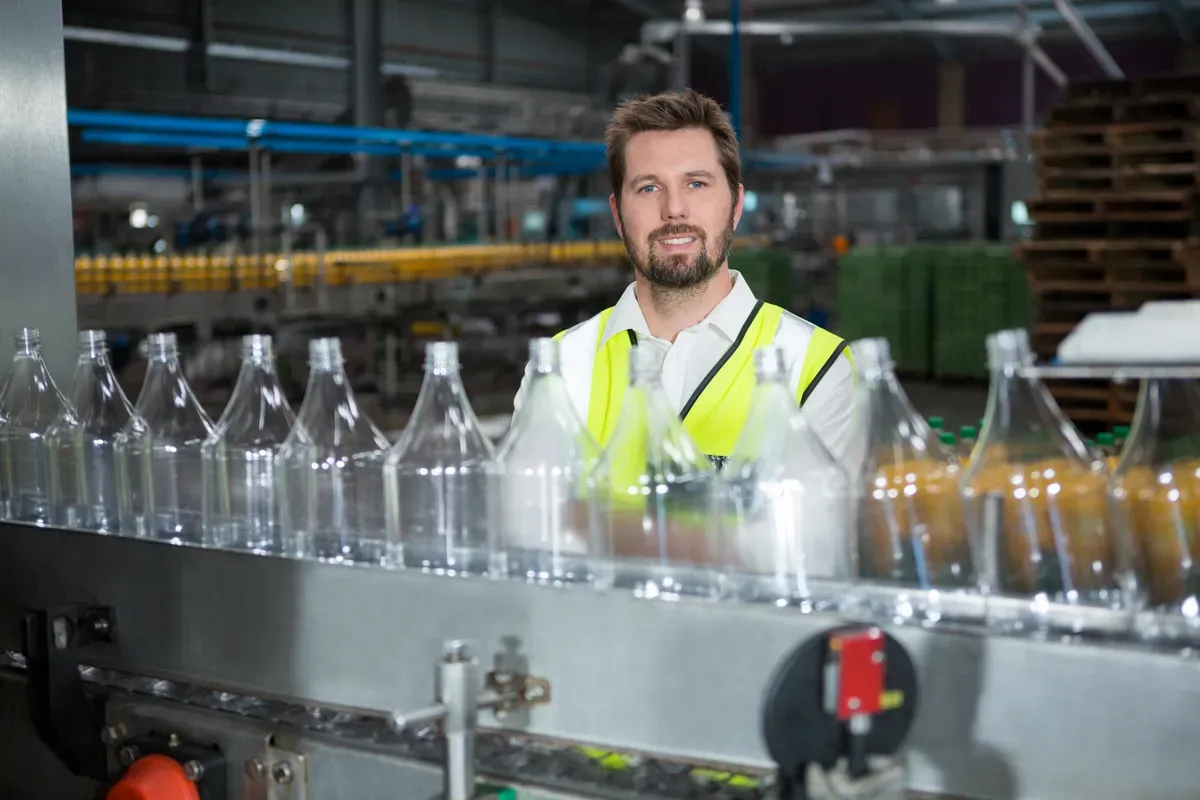
Inspect a walk-in cooler's refrigeration operation and storage environment: temperature and temperature display, door condition, door seals and closer, evaporator, condenser, fans, drainage, interior condition, shelving, lighting, and cleanliness, with deficiencies and corrective actions.

Inspect a commercial oven end to end: heating elements or burners, temperature controls, thermostat, door and gasket, hinges, gas and electrical connections, ignition, safety controls, racks, chamber, ventilation, and cleanliness, with photo evidence and corrective actions.

Inspect a walk-in freezer's freezing performance and safety: freezer temperature and display, door seals and closer, ice buildup, defrost system, evaporator, condenser, fans, drainage, shelving and storage, and interior condition, with safety-condition checks, deficiencies, and corrective actions.