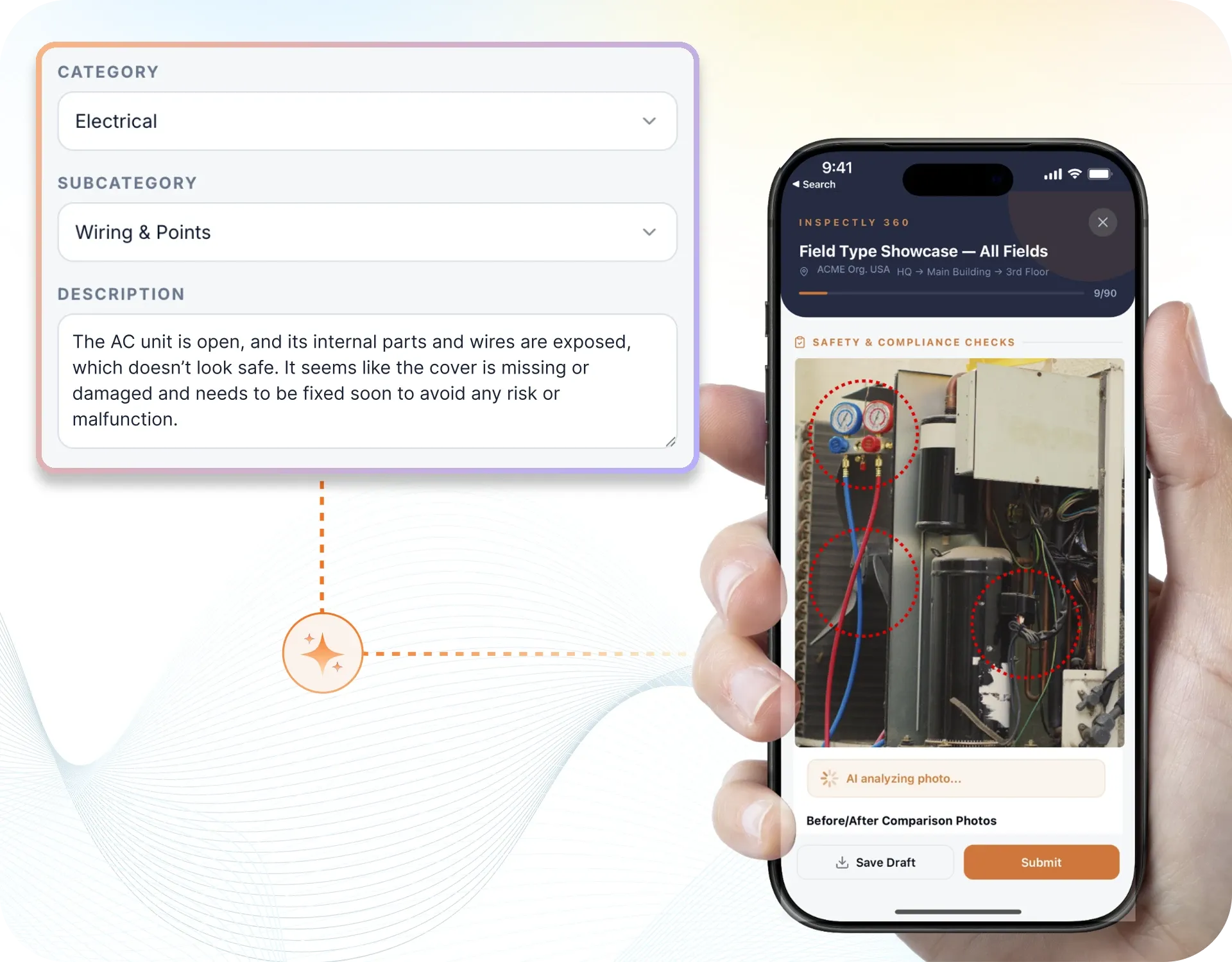
Take a Photo. AI Fills the Form
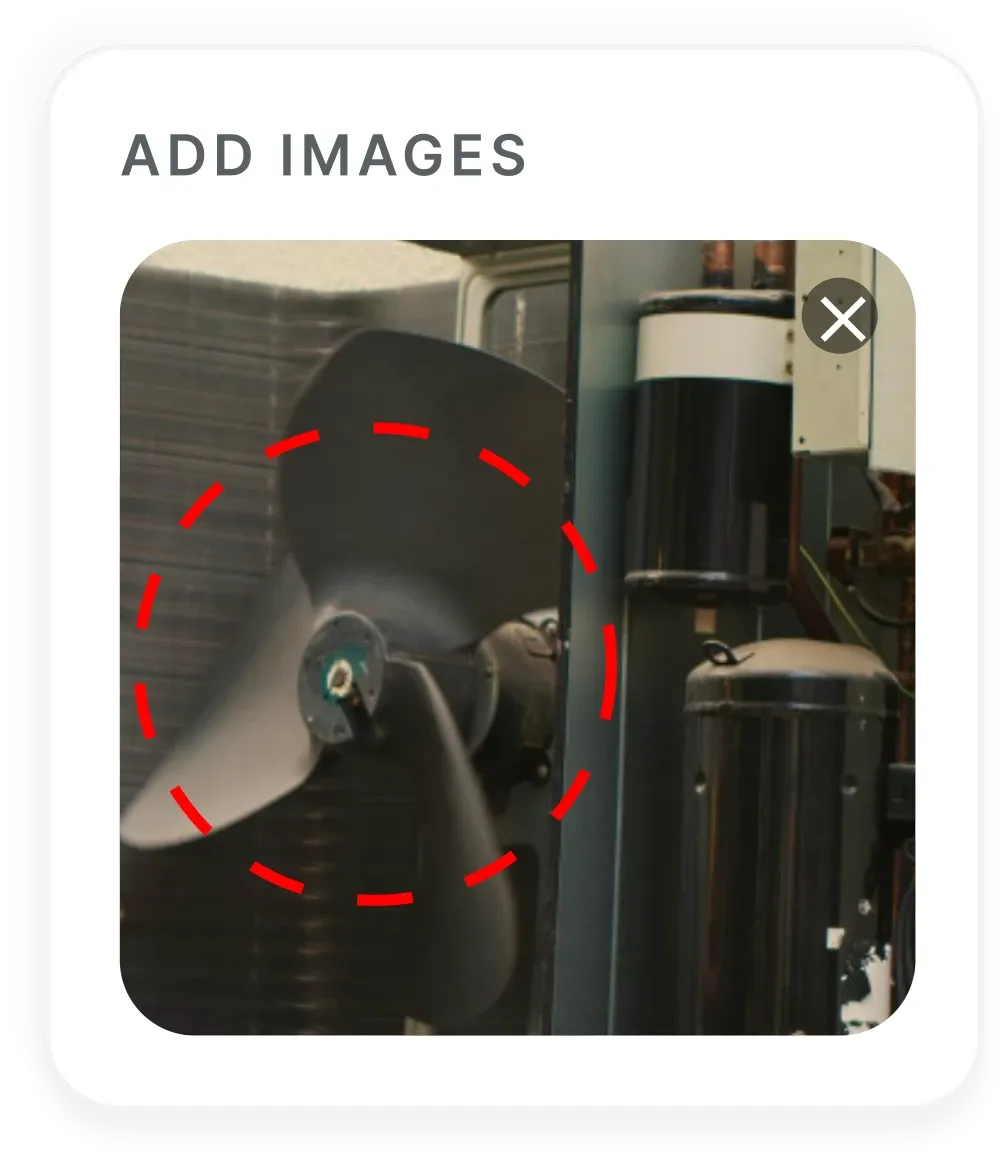
Your inspector takes a photo of any asset or defect. AI reads it and fills the inspection form automatically. No typing. No manual entry.

Convert your checklist into Mobile App
Browse by use case or industry, or see what other teams use most.
Book 30 minutes to discuss your challenges and see how InspectWrk digitizes operations with mobile apps, automated reporting, and real-time dashboards.
Use this utility management plan template to work through plan details and approval, purpose and objectives, scope and covered locations, utility systems inventory, risk and criticality assessment, and roles and responsibilities, giving each action an owner and a due date and tracking it to completion. Records support applicable accreditation and regulatory requirements, manufacturer recommendations and the organization's policies.

Customize with your logo and company details.
Available on App
Run inspections on iOS and Android - no internet required. Capture photos, annotate defects, and generate reports in the field.
Run the Utility Management Plan Template on the InspectWrk app instead of paper. Inspectors capture photo evidence, work offline, and assign corrective actions on the spot, and the report generates itself the moment the inspection is signed off.

Utility Management Plan Template
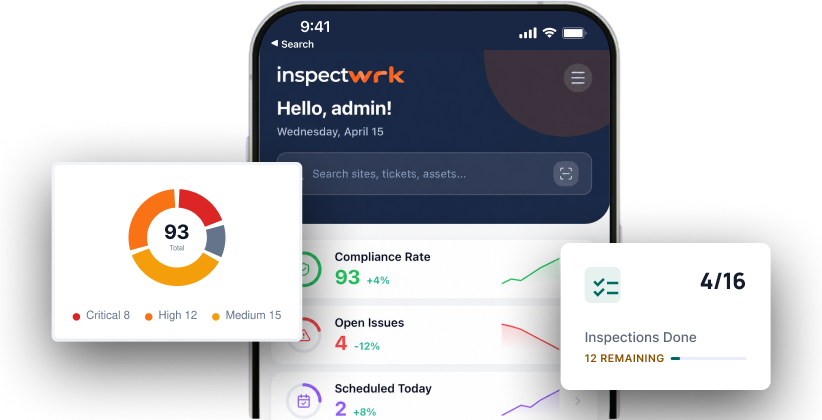
Utility Management Plan Template Dashboard
Prioritized actions to keep operations running smoothly today.
Total Revenue
$42,680
+12% compared to last month
Active Projects
128
+8 new this week
Open Requests
56
-15 resolved this week
Operational Target
You're on track to meet this month's operational goal.
Target Task
200 ↑
Complete Task
136 ↑
Pending Task
10 ↓
Monthly Performance
Recent Client Activity
Everything your field team does on paper, InspectWrk does automatically: faster, more accurate, and without the admin.
Your inspector takes a photo of any asset or defect. AI reads it and fills the inspection form automatically. No typing. No manual entry.
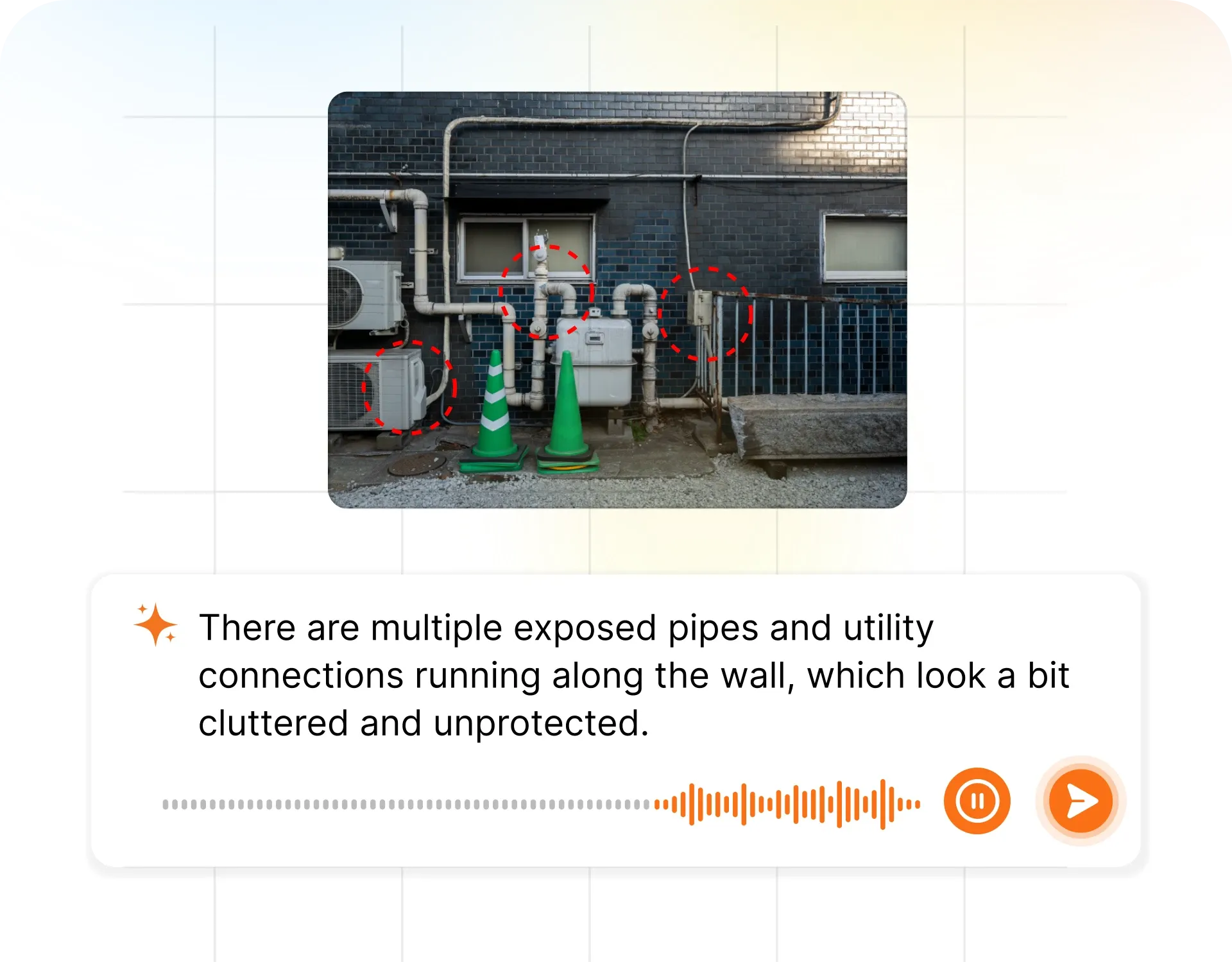
Inspectors speak their observations in any language. AI transcribes and fills the form in real time. Completely hands-free in the field.
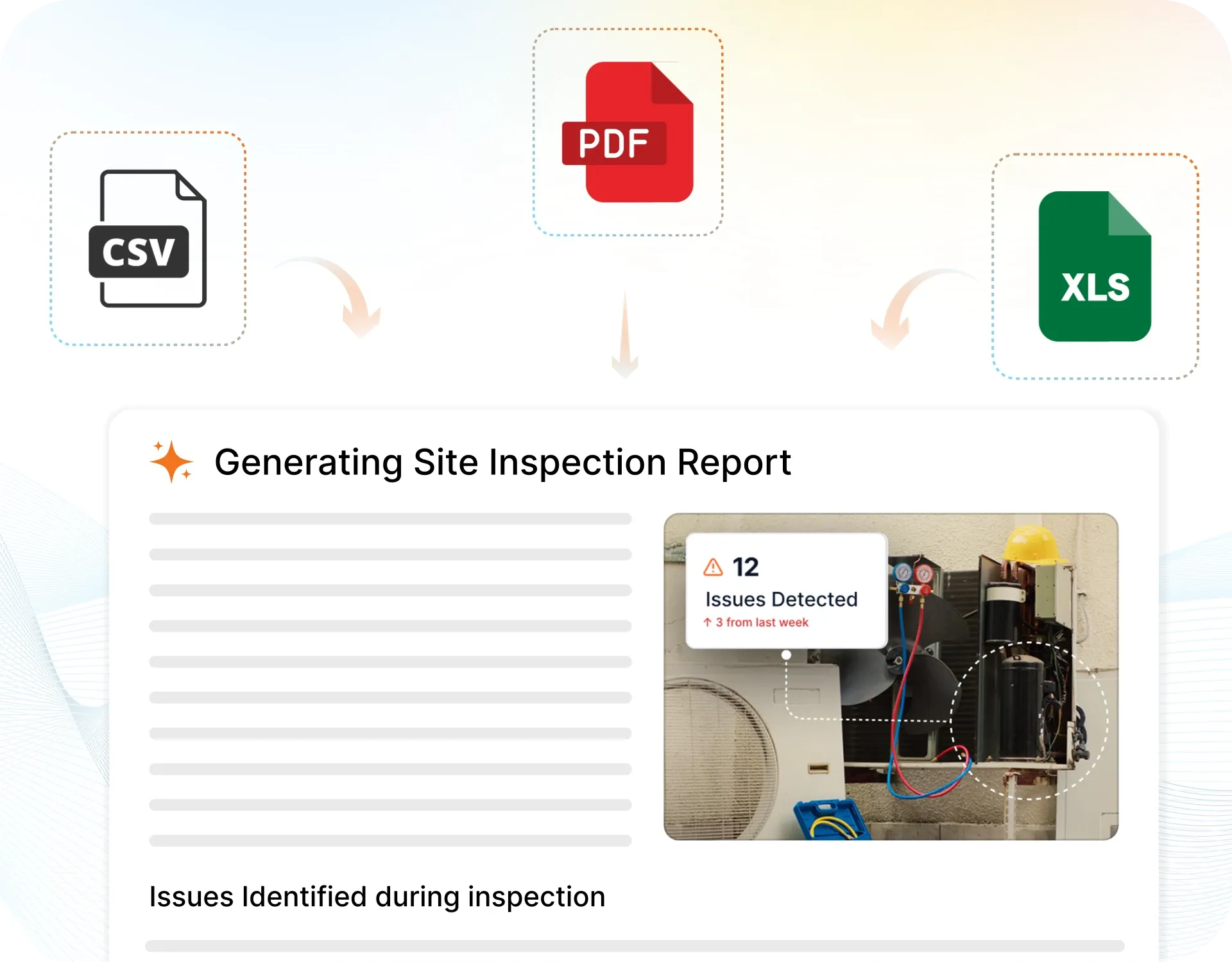
The moment an inspection is submitted, a branded PDF, Excel, or CSV report generates automatically. No manual work. No waiting.

InspectWrk integrates with the tools your team already uses, including Zoho, Microsoft 365, and SAP. No double entry.
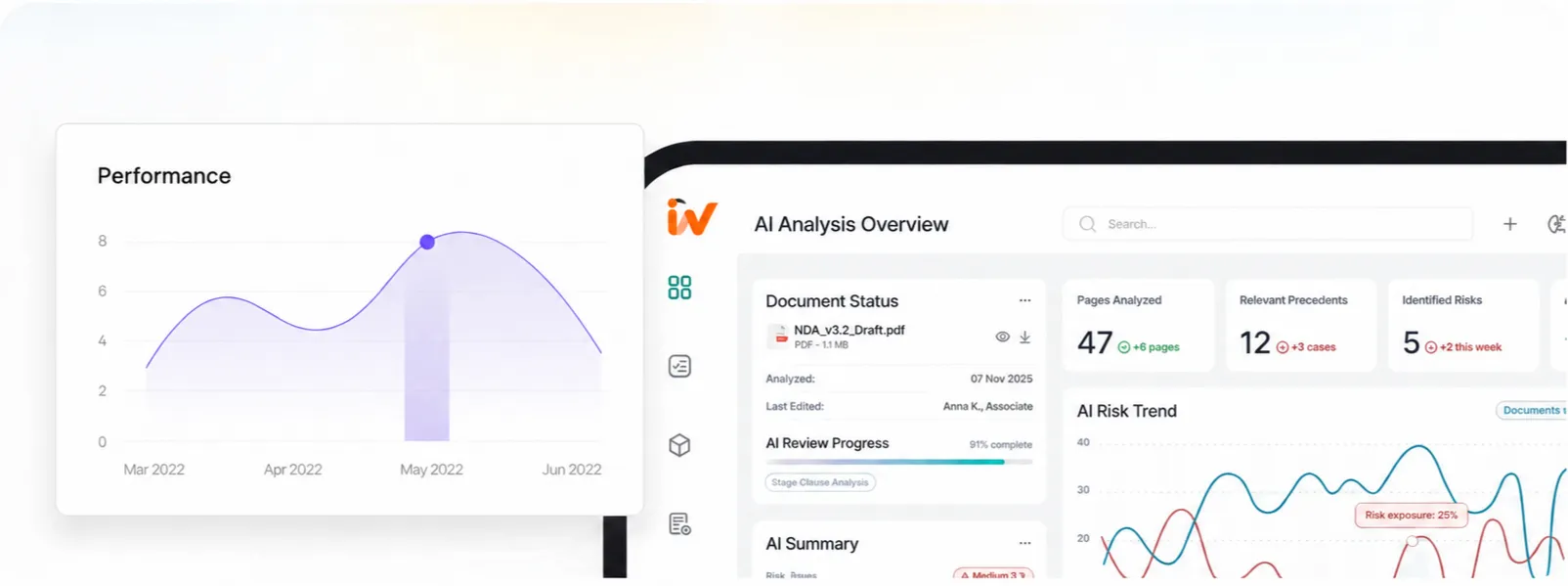
Your operations team sees completion rates, open issues, and compliance scores across all sites in real time. No chasing updates.
Manage every checklist in one connected workspace, capture evidence on mobile at the point of work, and let AI turn field inputs into clear, stakeholder-ready reports in minutes.

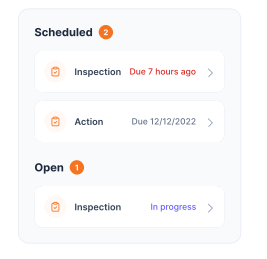
See which checklists your team has in progress across every site, jump into the same inspection with one tap, and keep field, supervisor, and back-office views in sync without sending screenshots on WhatsApp.


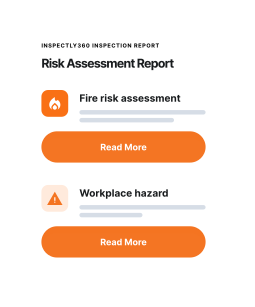
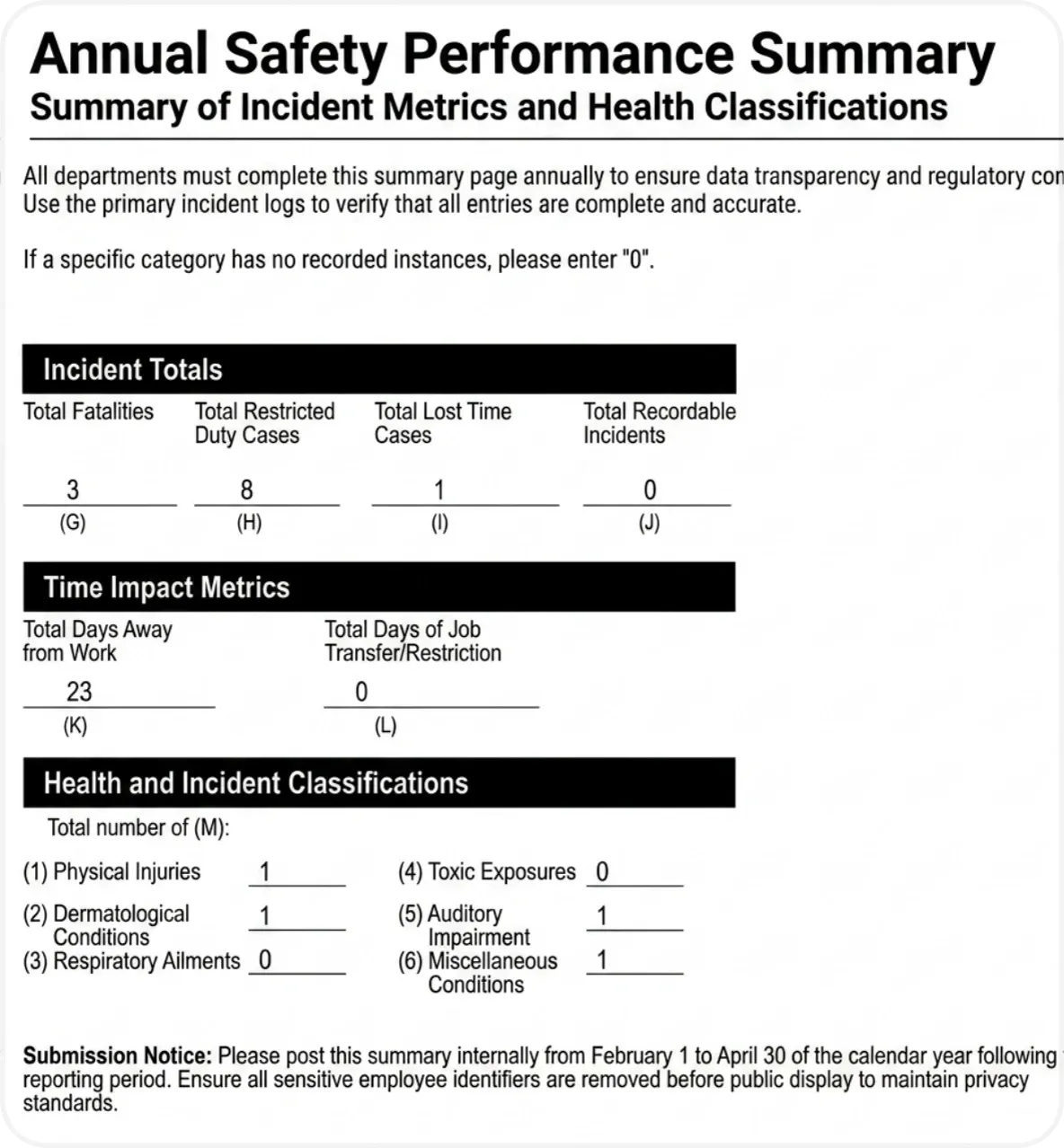


Every team reports differently. Build the report your operations, quality, or compliance leads actually want to read, share it as a branded PDF, and schedule delivery to the stakeholders who need it.


See completion, pass rate, and recurring findings across every checklist and every site, without pulling spreadsheets together at the end of the month.
Hand-picked templates for your specific industry needs.

Test medical-gas alarms: area and master alarms, alarm activation, audible and visual indicators, pressure conditions, sensor response, and panel status, with test results.

Inspect a mechanical ventilator for operational readiness: power supply, battery, self-test, alarm functionality, oxygen and air supply connections, breathing circuit, tubing and connectors, filters, sensors, display, and controls, with cleaning and inspection documentation.

Inspect the autoclave or steam sterilizer as equipment: chamber condition, door, locking mechanism and gasket, pressure and temperature indicators, controls and cycle settings, alarms, water supply and drainage, leaks and corrosion, cycle records, and sterilization indicators.

Inspect a multiparameter patient monitor: display, power and battery, alarm system, ECG leads, SpO2 sensor, blood-pressure cuff, temperature probe, cables and connectors, and controls, with physical-condition checks, cleaning, and functional testing.
Assign owners and review dates, link maintenance and test records to each system, and feed failures into the next plan review. See it in 30 minutes.
It is a structured document for writing and maintaining the plan an organization uses to manage its utility systems. It covers the plan owner and scope, an inventory of the utility systems in use, a risk and criticality rating for each, roles and contractor responsibilities, how inspection, testing and maintenance are organized, the planned response to utility failures, shutdown and isolation information, incident follow-up, performance monitoring, training, records and the review process. It is used most often by hospitals and other healthcare facilities, but any facility with critical utility systems can use it.
A utility inspection checklist records whether a system was checked on a given day and what was found. The plan sits above that. It defines which systems are covered, how critical each one is, who is responsible, how often activities are set and where the inspection, testing and maintenance records are kept. Most facilities need both. The plan organizes the program, and the inspection and testing checklists produce the day-to-day records the plan points to, which is what makes the plan something you can actually show is working.
No. An outage response checklist is used during and after one specific outage to document what happened and what was done, from confirming the outage to restoring service. The plan is written in advance. It records the failure response procedures for each critical system, who is responsible for them, the backup arrangements and how failures are reviewed afterwards. When an outage happens, the response checklist records the event, and the lessons from it feed back into the next review of the plan so the same failure is handled better next time.
Only the ones your facility actually has. Common systems include electrical distribution, emergency and backup power, HVAC and critical area ventilation, plumbing and domestic water, medical gas and vacuum, steam, hot water and natural gas, communication and nurse call systems, building automation and elevators. The template marks each system as applicable or not, so a clinic without medical gas or a building without steam is not forced to fill in sections that do not apply. Add any site-specific systems at the end, and rate each included system for risk and criticality.
Not on its own. The template helps you organize your utility systems management program and record your own arrangements. Accreditation bodies and regulators set their own requirements for utility systems in healthcare, and those requirements differ by organization, facility type and country. Check the current standards that apply to your facility, adapt the plan to them, and keep the maintenance, testing and incident records the plan refers to, because surveyors usually look for evidence that the plan is being followed, not just that it exists on paper.

A utility management plan template helps a hospital, clinic or other facility write and maintain the plan for managing its utility systems. It records the systems covered, their risk and criticality, who is responsible, how they are maintained and tested, how failures are handled, where shutdown controls are, how incidents and performance are tracked, training, records and when the plan is reviewed. It records the organization's own arrangements and does not by itself meet any accreditation requirement.
A utility management plan, sometimes called a utility systems management plan, sets out how an organization keeps its utility systems reliable and what happens when one fails. This template gives facilities and engineering teams one structured place to write it: the plan owner and scope, an inventory of the systems in use, a risk and criticality rating for each, the people and contractors responsible, how inspection, testing and maintenance are organized, the planned response to a utility failure, shutdown and isolation information, incident follow-up, performance monitoring, training, records and plan review. Each system is marked as applicable or not, so the plan fits the facility instead of assuming every system exists.
The plan defines how the utility management program runs. It is not an inspection: utility rounds and inspection checklists record what was found on a given day, a utility outage response checklist documents the response to one event, and generator, transfer switch or medical gas test records hold the results of individual tests. The plan tells people where those records live and who owns them. In healthcare, accreditation bodies and regulators address utility systems in their own standards, and requirements differ by organization and country, so adapt the plan to the ones that apply to your facility.
A chiller trips on a hot afternoon. The engineer on shift knows where the isolation valve is, but the backup arrangement for the operating rooms was agreed by someone who left two years ago, and nobody can find the drawing.
When the plan is a document written once for a survey, it stops matching the building. The systems change, the contractors change, and the plan quietly goes out of date until the day it is needed.
Utility failures in a hospital are rarely a surprise to the systems, only to the people. A written plan helps you:
A complete plan covers three areas:
Build the plan in this order:
See how this checklist fits into Healthcare inspection software.
This checklist runs as a mobile inspection app that works fully offline on site, with AI-powered defect detection on every photo. To see it on your own workflows, talk to our team.