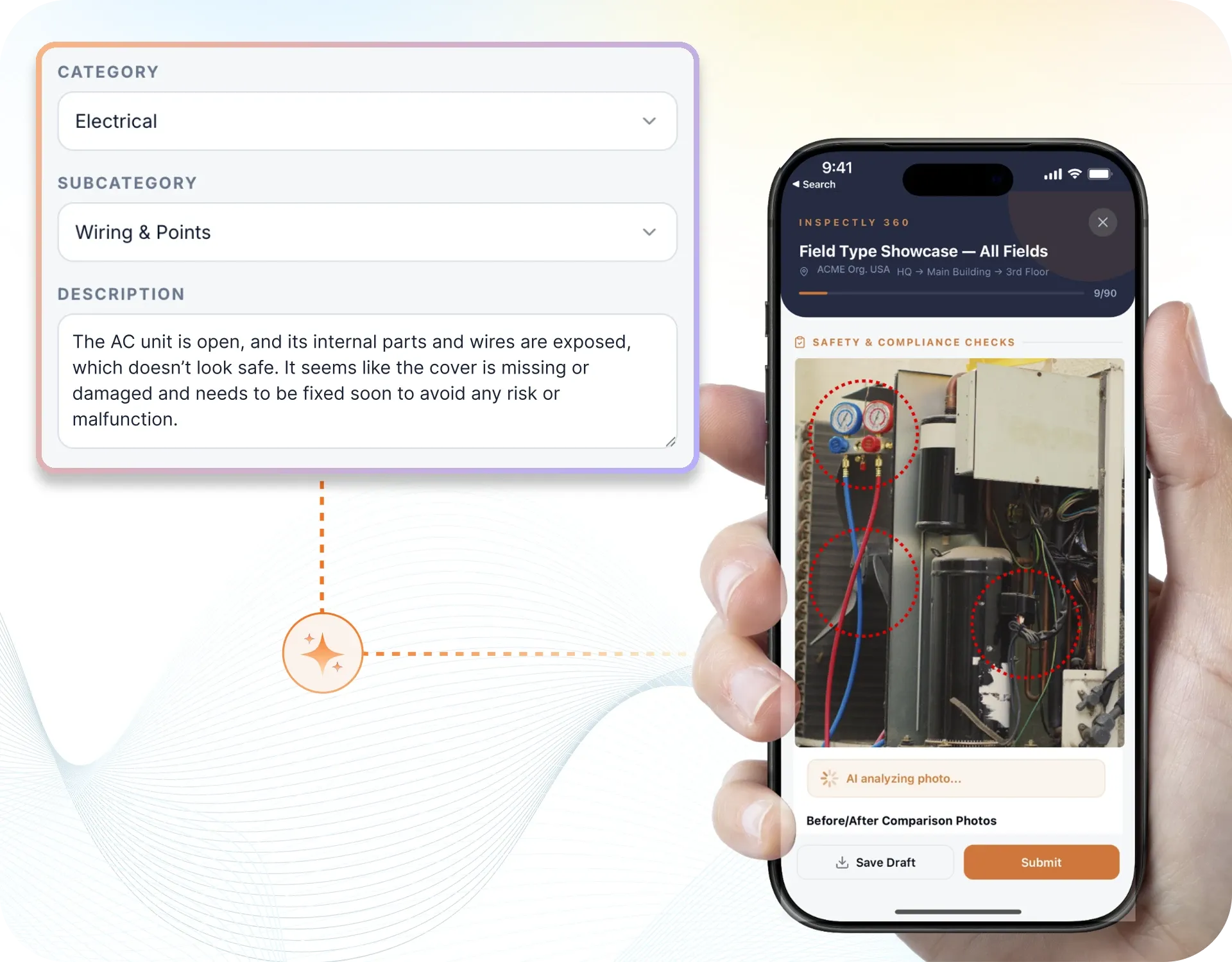
Take a Photo. AI Fills the Form
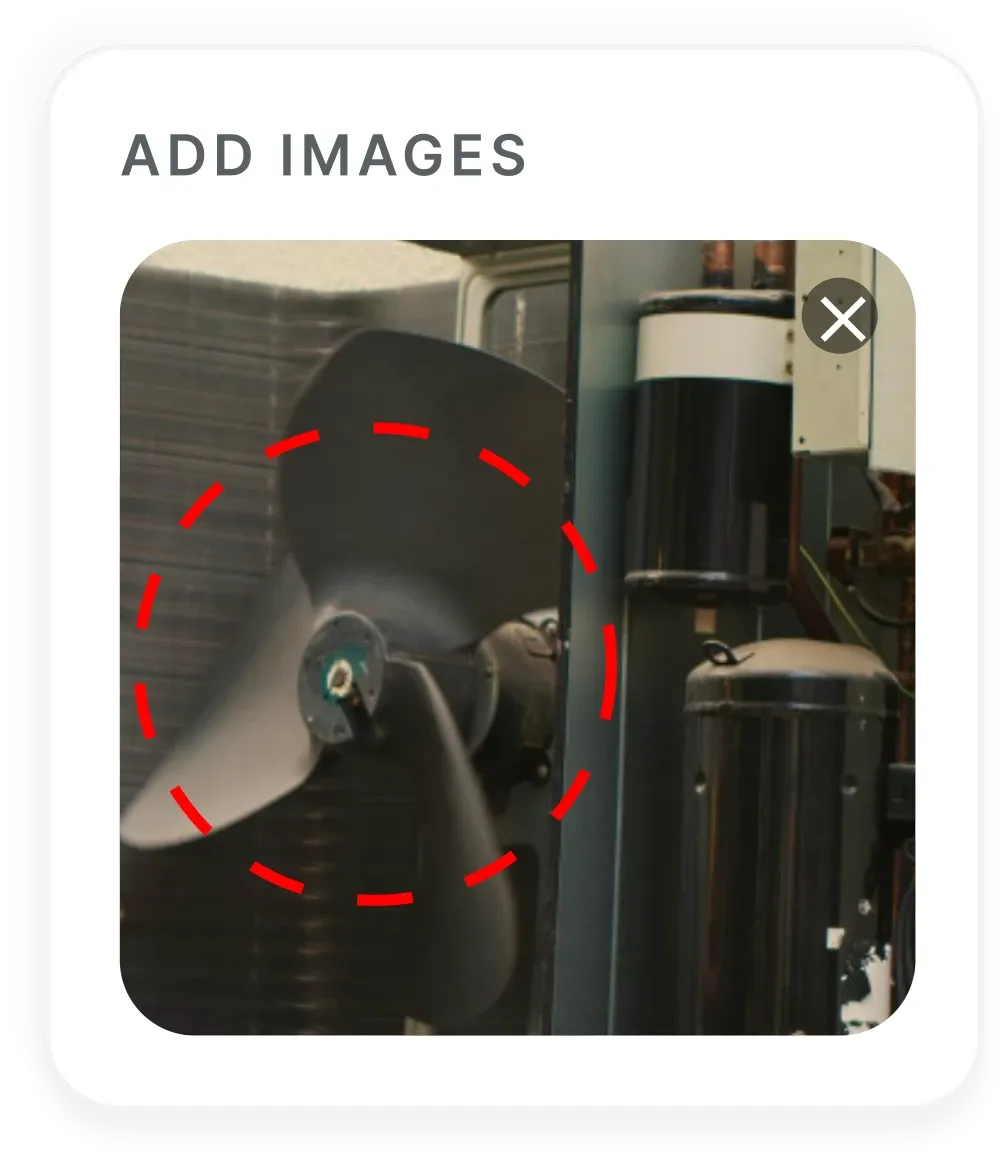
Your inspector takes a photo of any asset or defect. AI reads it and fills the inspection form automatically. No typing. No manual entry.

Convert your checklist into Mobile App
Browse by use case or industry, or see what other teams use most.
Book 30 minutes to discuss your challenges and see how InspectWrk digitizes operations with mobile apps, automated reporting, and real-time dashboards.
Use this weight monitoring audit checklist to check person and monitoring requirement, weighing procedure and equipment, recorded measurements and units, missed measurements and unexplained changes, trend review and escalation, and record completeness and documentation, recording pass, fail, or N/A and capturing a photo on anything that needs proof.

Customize with your logo and company details.
Available on App
Run inspections on iOS and Android - no internet required. Capture photos, annotate defects, and generate reports in the field.
Run the Weight Monitoring Audit Checklist on the InspectWrk app instead of paper. Inspectors capture photo evidence, work offline, and assign corrective actions on the spot, and the report generates itself the moment the inspection is signed off.

Weight Monitoring Audit Checklist
Weight Monitoring Audit Checklist Dashboard
Prioritized actions to keep operations running smoothly today.
Total Revenue
$42,680
+12% compared to last month
Active Projects
128
+8 new this week
Open Requests
56
-15 resolved this week
Operational Target
You're on track to meet this month's operational goal.
Target Task
200 ↑
Complete Task
136 ↑
Pending Task
10 ↓
Monthly Performance
Recent Client Activity
Everything your field team does on paper, InspectWrk does automatically: faster, more accurate, and without the admin.
Your inspector takes a photo of any asset or defect. AI reads it and fills the inspection form automatically. No typing. No manual entry.
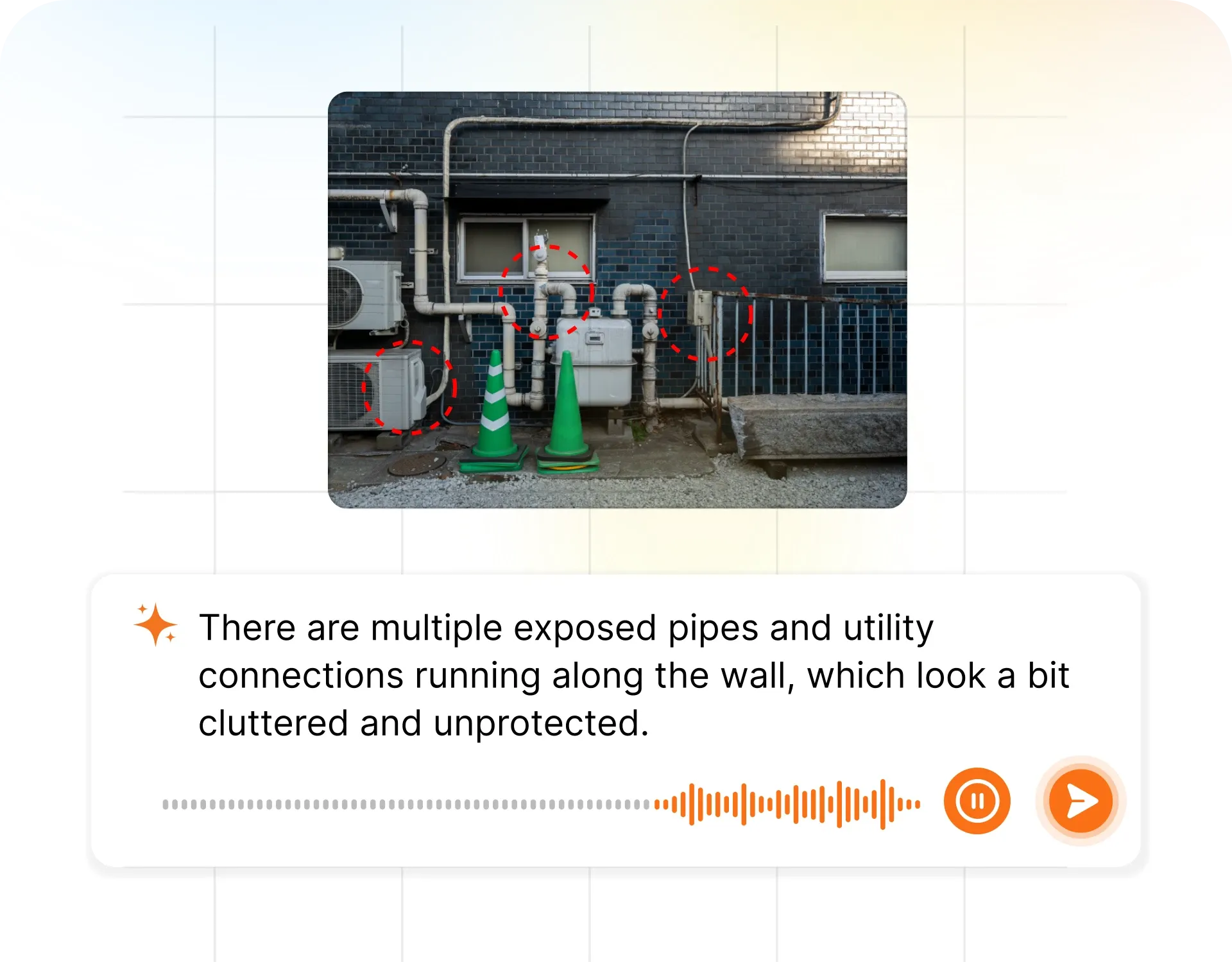
Inspectors speak their observations in any language. AI transcribes and fills the form in real time. Completely hands-free in the field.
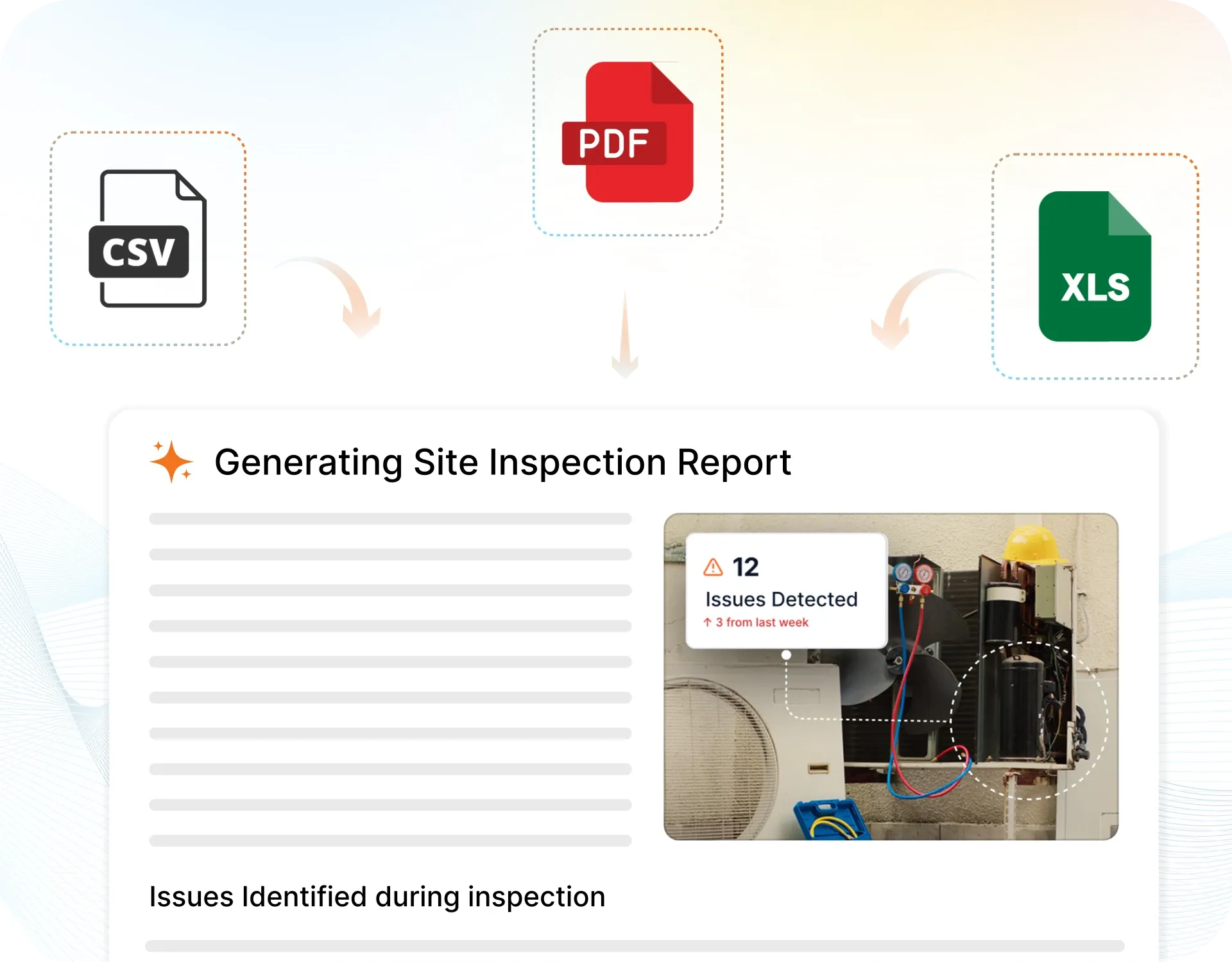
The moment an inspection is submitted, a branded PDF, Excel, or CSV report generates automatically. No manual work. No waiting.

InspectWrk integrates with the tools your team already uses, including Zoho, Microsoft 365, and SAP. No double entry.
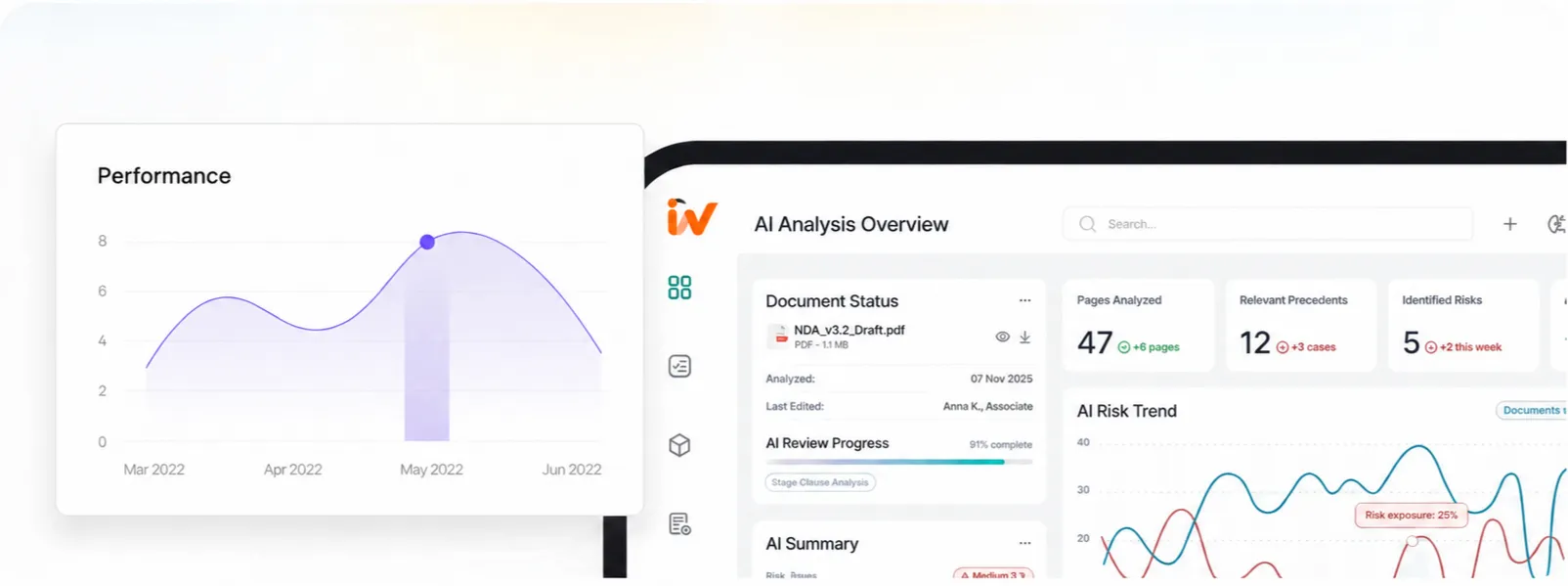
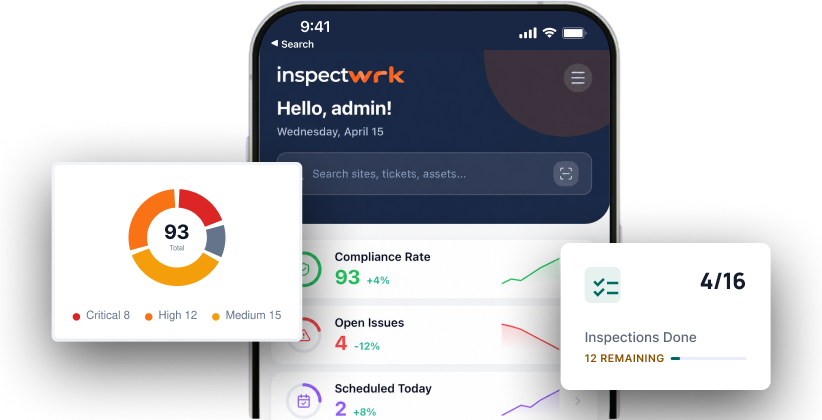
Your operations team sees completion rates, open issues, and compliance scores across all sites in real time. No chasing updates.
Manage every checklist in one connected workspace, capture evidence on mobile at the point of work, and let AI turn field inputs into clear, stakeholder-ready reports in minutes.

See which checklists your team has in progress across every site, jump into the same inspection with one tap, and keep field, supervisor, and back-office views in sync without sending screenshots on WhatsApp.


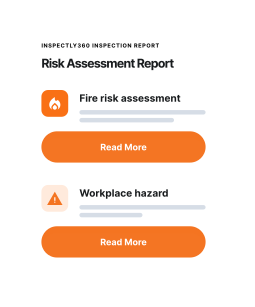
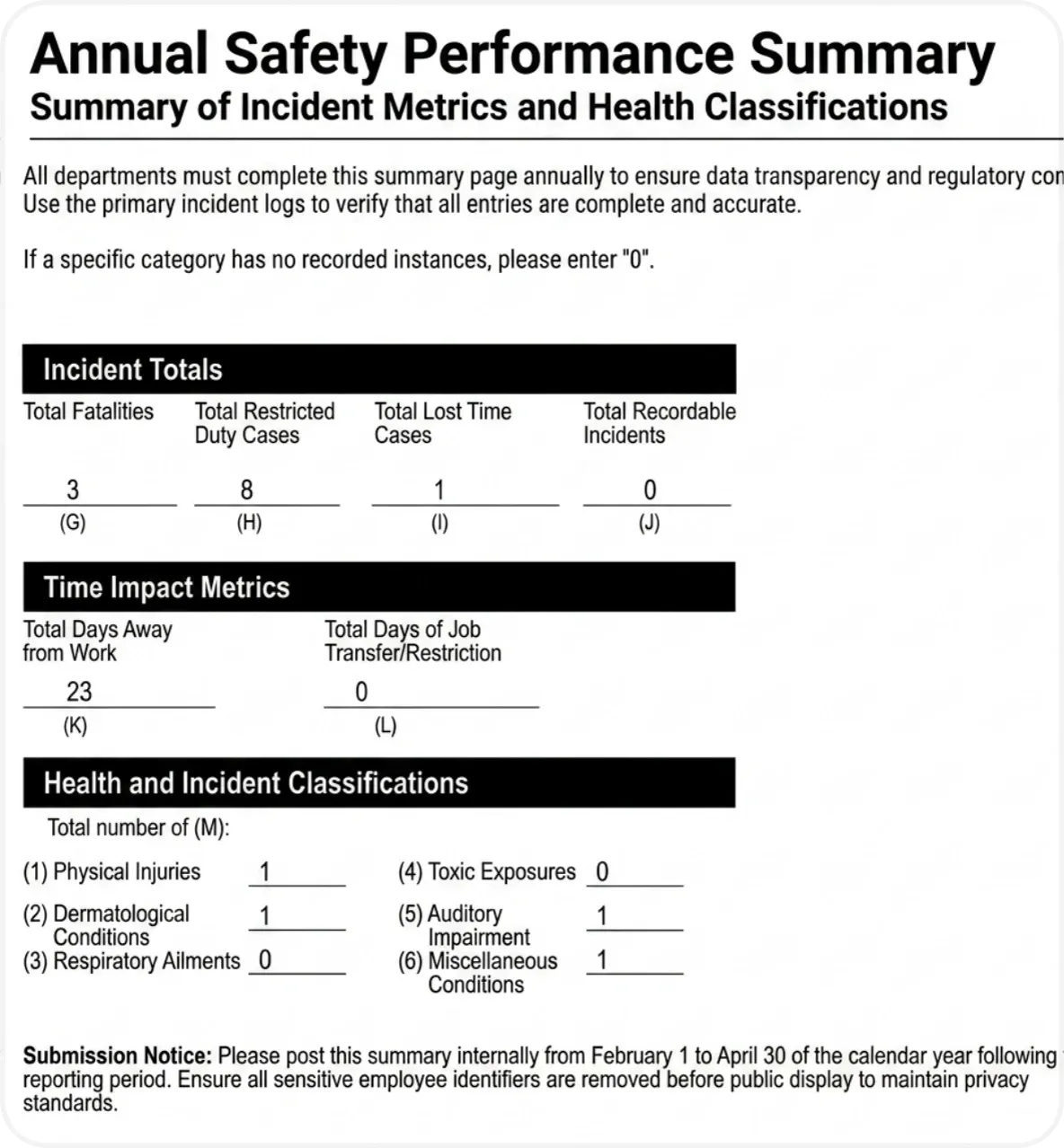


Every team reports differently. Build the report your operations, quality, or compliance leads actually want to read, share it as a branded PDF, and schedule delivery to the stakeholders who need it.


See completion, pass rate, and recurring findings across every checklist and every site, without pulling spreadsheets together at the end of the month.
Hand-picked templates for your specific industry needs.

Test medical-gas alarms: area and master alarms, alarm activation, audible and visual indicators, pressure conditions, sensor response, and panel status, with test results.

Inspect a mechanical ventilator for operational readiness: power supply, battery, self-test, alarm functionality, oxygen and air supply connections, breathing circuit, tubing and connectors, filters, sensors, display, and controls, with cleaning and inspection documentation.

Inspect the autoclave or steam sterilizer as equipment: chamber condition, door, locking mechanism and gasket, pressure and temperature indicators, controls and cycle settings, alarms, water supply and drainage, leaks and corrosion, cycle records, and sterilization indicators.

Inspect a multiparameter patient monitor: display, power and battery, alarm system, ECG leads, SpO2 sensor, blood-pressure cuff, temperature probe, cables and connectors, and controls, with physical-condition checks, cleaning, and functional testing.
Run the weight-monitoring audit on mobile, check the schedule, procedure, and recorded weights, flag missed measurements and trends, assign corrective actions, and sign off.
It is used to audit whether weight measurements are being taken, recorded, and reviewed consistently according to the applicable process. Rather than weighing someone or giving clinical advice, it audits the process and records: the monitoring requirement and schedule, the weighing procedure and scale condition, recorded weights, dates, and units, missed measurements, unexplained changes, the trend review and escalation, and record completeness. It answers whether measurements are reliable, appropriately documented, and reviewed when expected, and records corrective action and sign-off.
No. It deliberately does not provide medical advice or prescribe what an individual's weight should be. It audits the monitoring process and documentation: whether weights are measured on schedule with a sound procedure, recorded accurately, and reviewed for trends with escalation when expected. Clinical decisions about weight belong with the appropriate professionals; this checklist confirms that the monitoring and record-keeping around those decisions are being done consistently and reliably.
A care plan review or health assessment looks at a person's overall needs and clinical picture. This audit is narrower: it checks the weight-monitoring process and its records, confirming measurements are taken on schedule, recorded accurately, and reviewed for trends. It does not assess the person's health or set targets; it verifies that the monitoring and documentation are reliable. Keeping it separate means the audit stays focused on process and record quality rather than clinical judgement.
It is usually carried out by a registered manager, nurse, or quality and audit lead, with clinical supervision where relevant. One person should own the audit, check the records against the schedule and procedure, and confirm trends were reviewed and escalated when expected. Recording who audited the records, the gaps found, and the corrective action gives a clear audit trail and helps the service keep its weight-monitoring process consistent and reliable.

A weight monitoring audit checklist is used to audit whether weight measurements are being taken, recorded, and reviewed consistently according to the applicable process. Rather than weighing someone or giving clinical advice, it audits the process and records: the monitoring requirement and schedule, the weighing procedure and scale condition, recorded weights, dates, and units, missed measurements, unexplained changes, the trend review and escalation, and record completeness. It answers whether the measurements are reliable, appropriately documented, and reviewed when expected, and records corrective action and sign-off.
A weight monitoring audit checklist is an audit tool for confirming that weight measurements are performed, recorded, and reviewed consistently. It is not a clinical weight-management or treatment tool, and it does not prescribe what anyone's weight should be; it audits the monitoring process and its records. Working through the monitoring requirement and schedule, the weighing procedure and scale condition, recorded weights, dates, and units, missed measurements, unexplained changes, and the trend review and escalation process, it answers one question: are weight measurements reliable, appropriately documented, and reviewed when expected? Where gaps are found, it records corrective action and sign-off so the monitoring process improves.
Weight monitoring is easy to let slip. Measurements are missed and never flagged, scales are not checked, units are recorded inconsistently, and a steady change goes unnoticed because no one reviews the trend. Without an audit, the record looks complete but does not reliably show whether monitoring is actually happening or being acted on.
A process audit fixes that by checking measurements are taken on schedule with a sound procedure, the records are accurate and complete, and trends are reviewed and escalated, then recording corrective action where the process has drifted.
Auditing the monitoring process keeps weight records reliable and acted on:
A complete weight monitoring audit works through the process and its records:
Confirm how monitoring should be done:
Check the records hold up:
Confirm the records are reviewed and gaps closed:
Work through the audit in order:
See how this checklist fits into Healthcare inspection software.
This checklist runs as a mobile inspection app that works fully offline on site, with AI-powered defect detection on every photo. To see it on your own workflows, talk to our team.