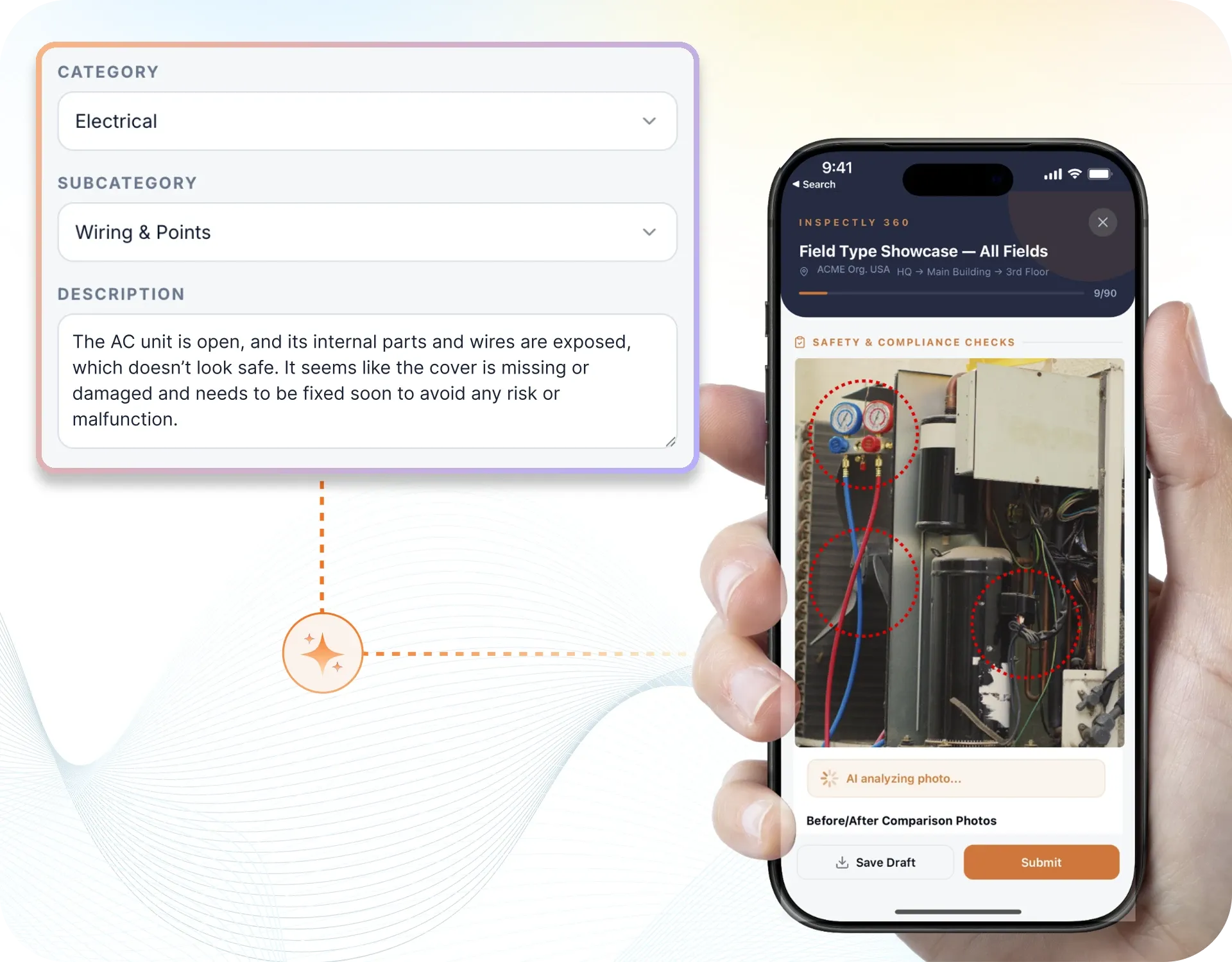
Take a Photo. AI Fills the Form
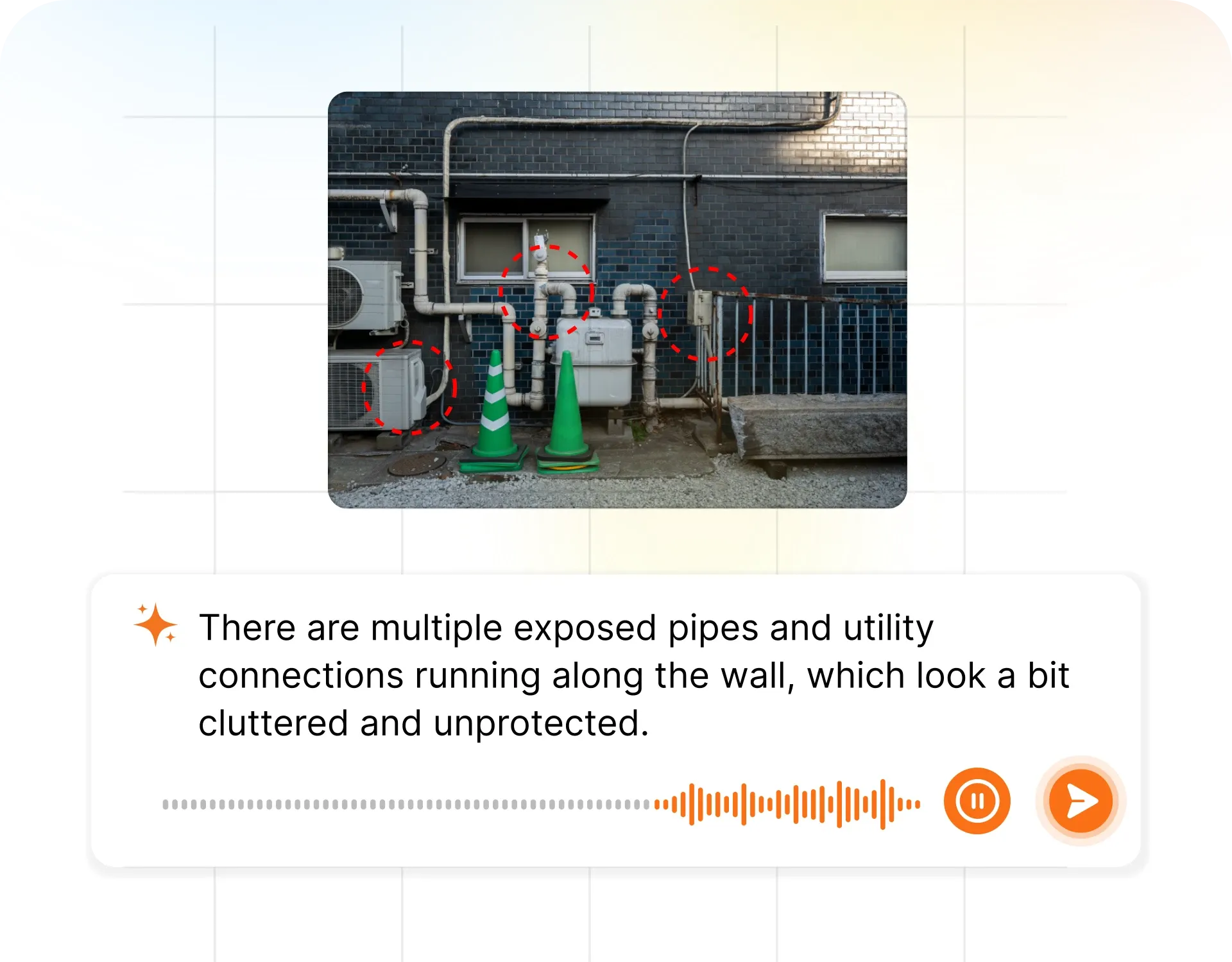
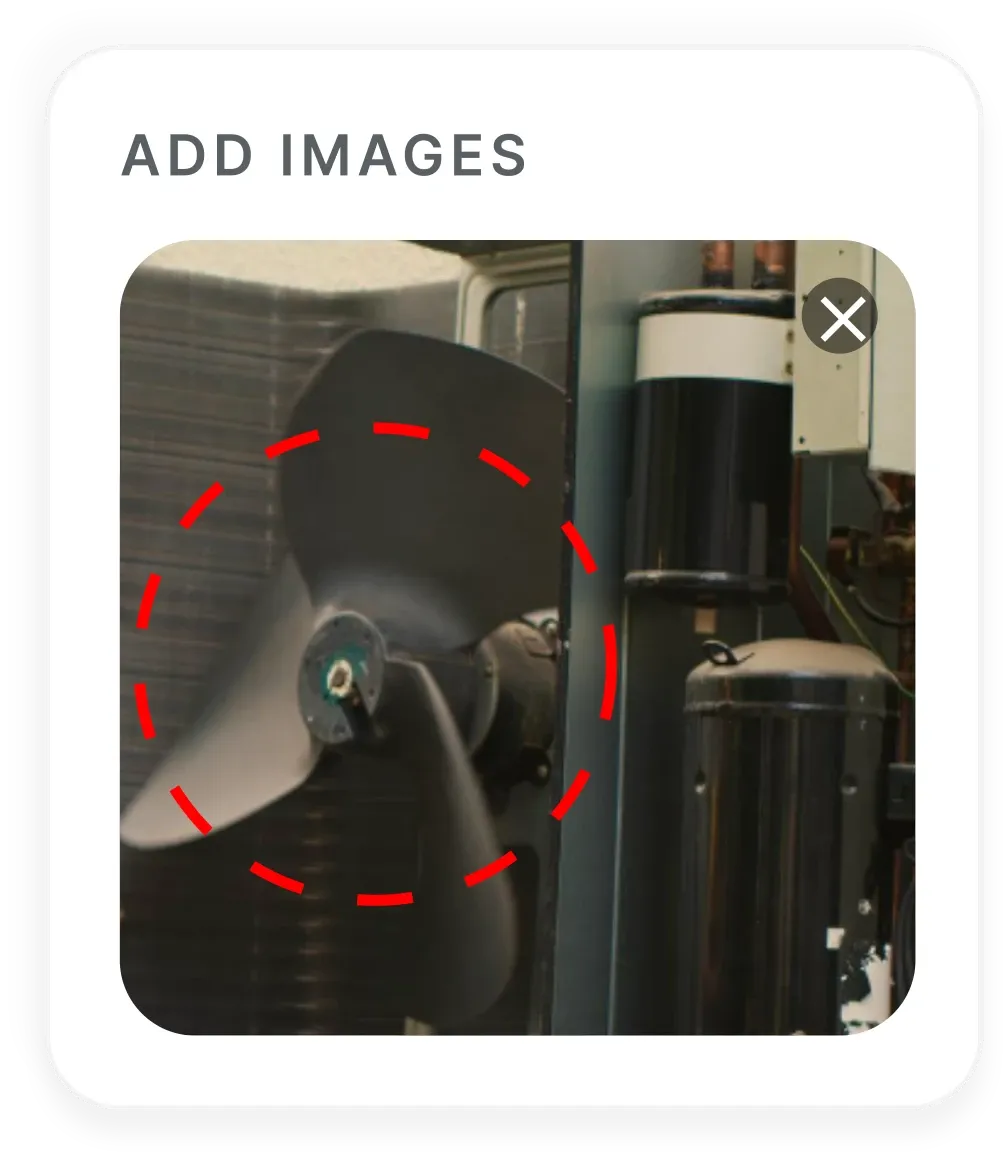
Your inspector takes a photo of any asset or defect. AI reads it and fills the inspection form automatically. No typing. No manual entry.

Use this total productive maintenance checklist to run checks on TPM objectives and program, autonomous maintenance, planned and preventive maintenance, equipment losses and OEE, and training, spares and improvement, capturing photo evidence per finding and tracking each fix through to closure.

Customize with your logo and company details.
Available on App
Run inspections on iOS and Android - no internet required. Capture photos, annotate defects, and generate reports in the field.
Run the Total Productive Maintenance Checklist on the InspectWrk app instead of paper. Inspectors capture photo evidence, work offline, and assign corrective actions on the spot, and the report generates itself the moment the inspection is signed off.

Total Productive Maintenance Checklist
Total Productive Maintenance Checklist Dashboard
Prioritized actions to keep operations running smoothly today.
Total Revenue
$42,680
+12% compared to last month
Active Projects
128
+8 new this week
Open Requests
56
-15 resolved this week
Operational Target
You're on track to meet this month's operational goal.
Target Task
200 ↑
Complete Task
136 ↑
Pending Task
10 ↓
Monthly Performance
Recent Client Activity
Everything your field team does on paper, InspectWrk does automatically: faster, more accurate, and without the admin.
Your inspector takes a photo of any asset or defect. AI reads it and fills the inspection form automatically. No typing. No manual entry.
Inspectors speak their observations in any language. AI transcribes and fills the form in real time. Completely hands-free in the field.
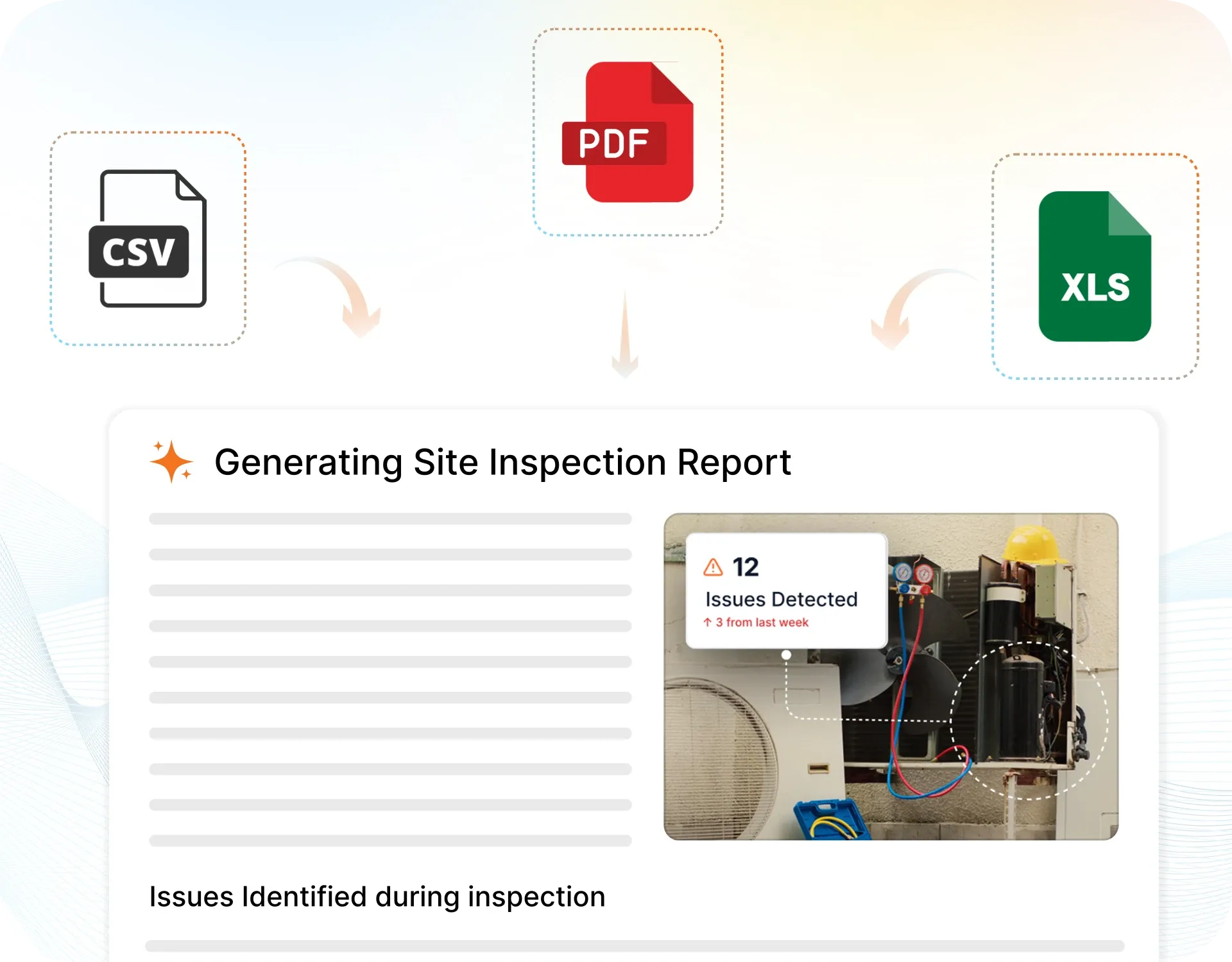
The moment an inspection is submitted, a branded PDF, Excel, or CSV report generates automatically. No manual work. No waiting.

InspectWrk integrates with the tools your team already uses, including Zoho, Microsoft 365, and SAP. No double entry.
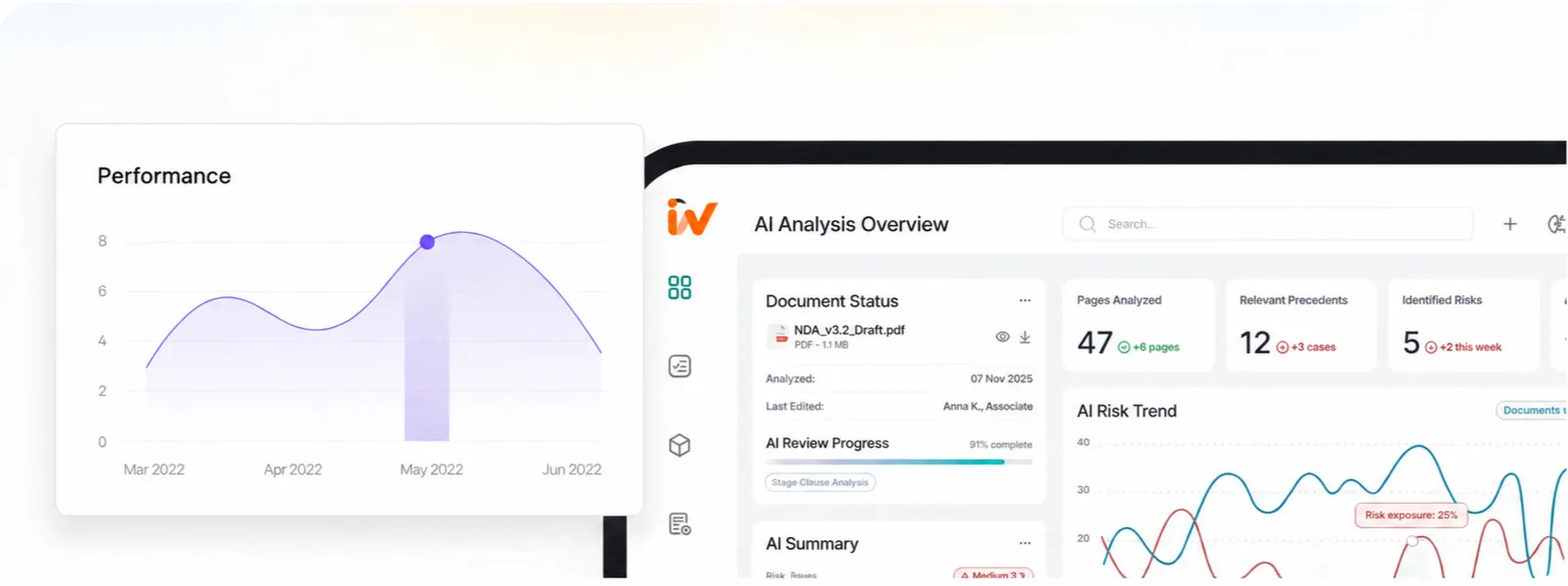
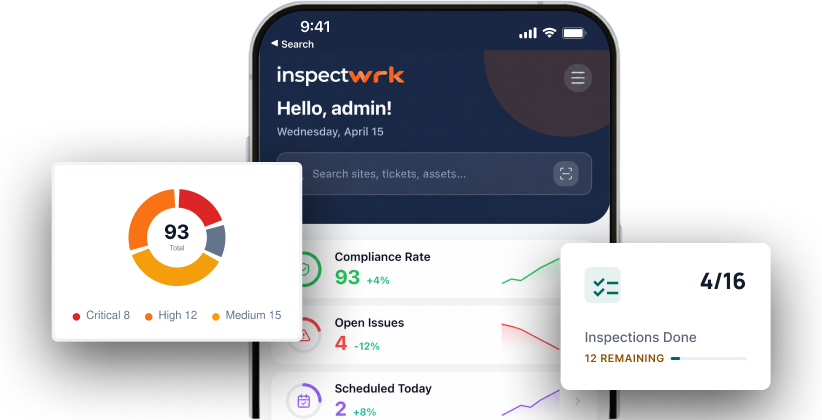
Your operations team sees completion rates, open issues, and compliance scores across all sites in real time. No chasing updates.
Manage every checklist in one connected workspace, capture evidence on mobile at the point of work, and let AI turn field inputs into clear, stakeholder-ready reports in minutes.
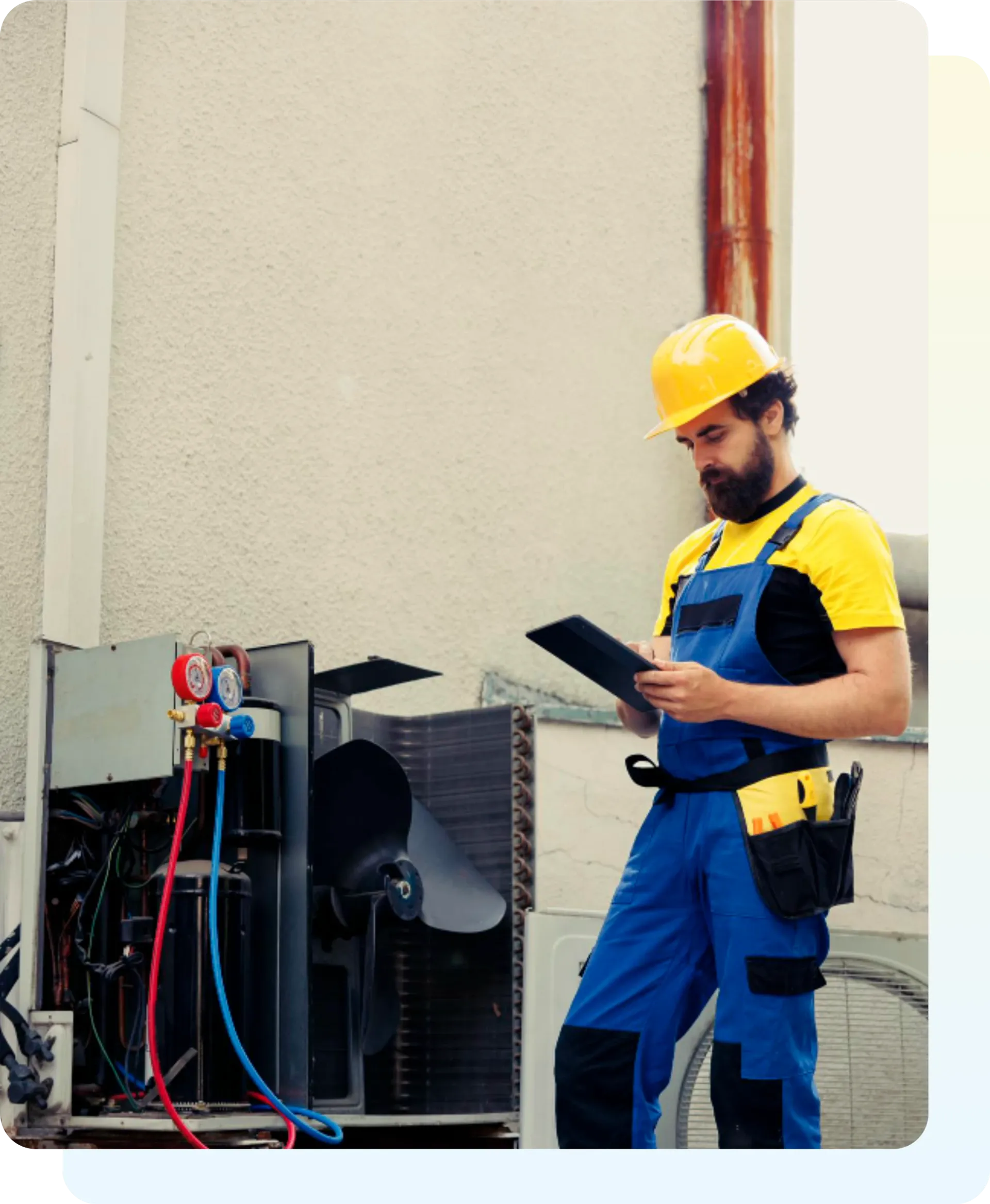

See which checklists your team has in progress across every site, jump into the same inspection with one tap, and keep field, supervisor, and back-office views in sync without sending screenshots on WhatsApp.


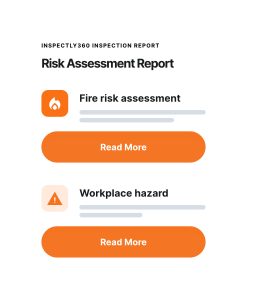
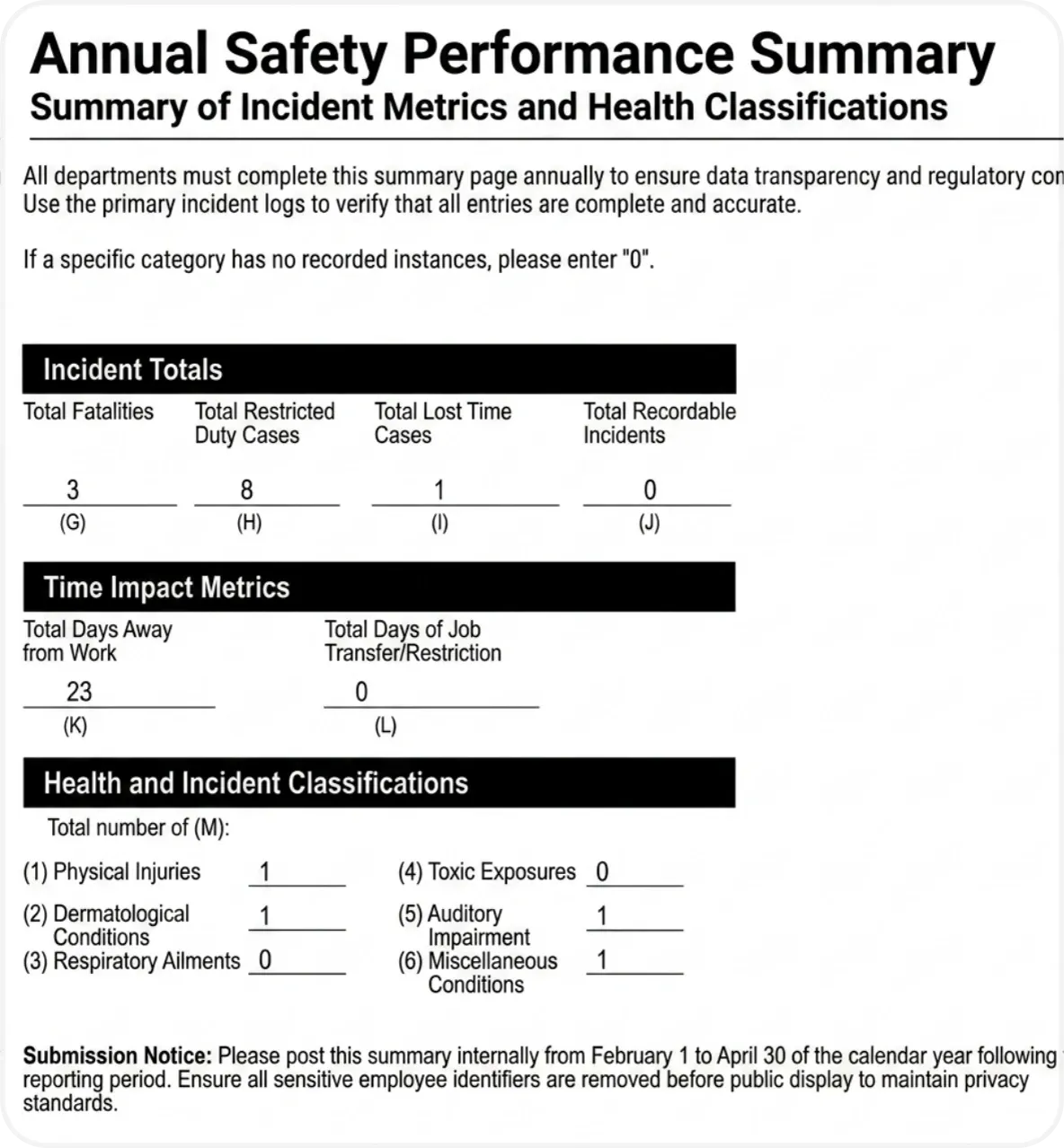


Every team reports differently. Build the report your operations, quality, or compliance leads actually want to read, share it as a branded PDF, and schedule delivery to the stakeholders who need it.


See completion, pass rate, and recurring findings across every checklist and every site, without pulling spreadsheets together at the end of the month.
Hand-picked templates for your specific industry needs.
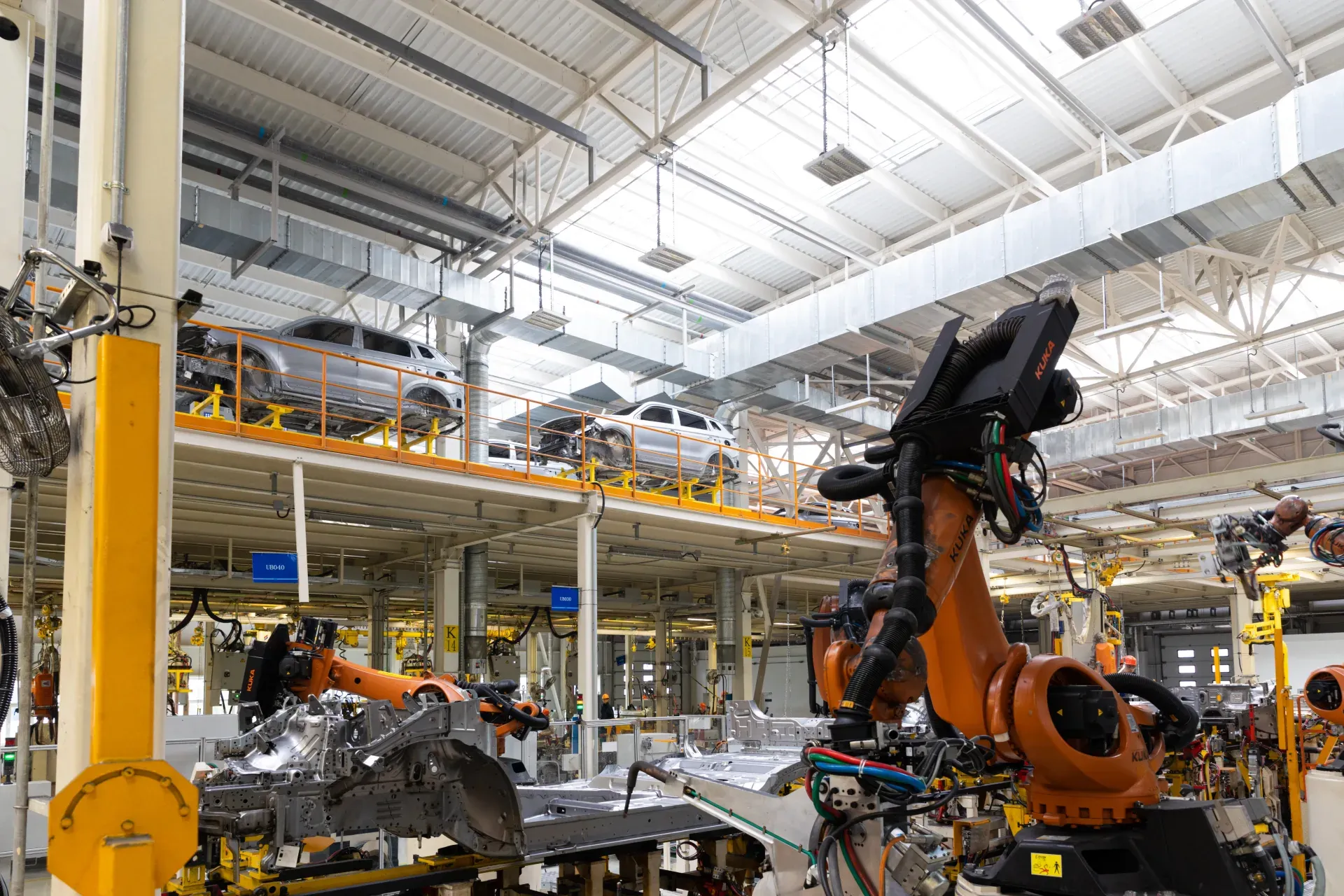
Industrial and warehouse punch list closeout.

Loading dock snagging: levelers, doors, lighting, and safety.
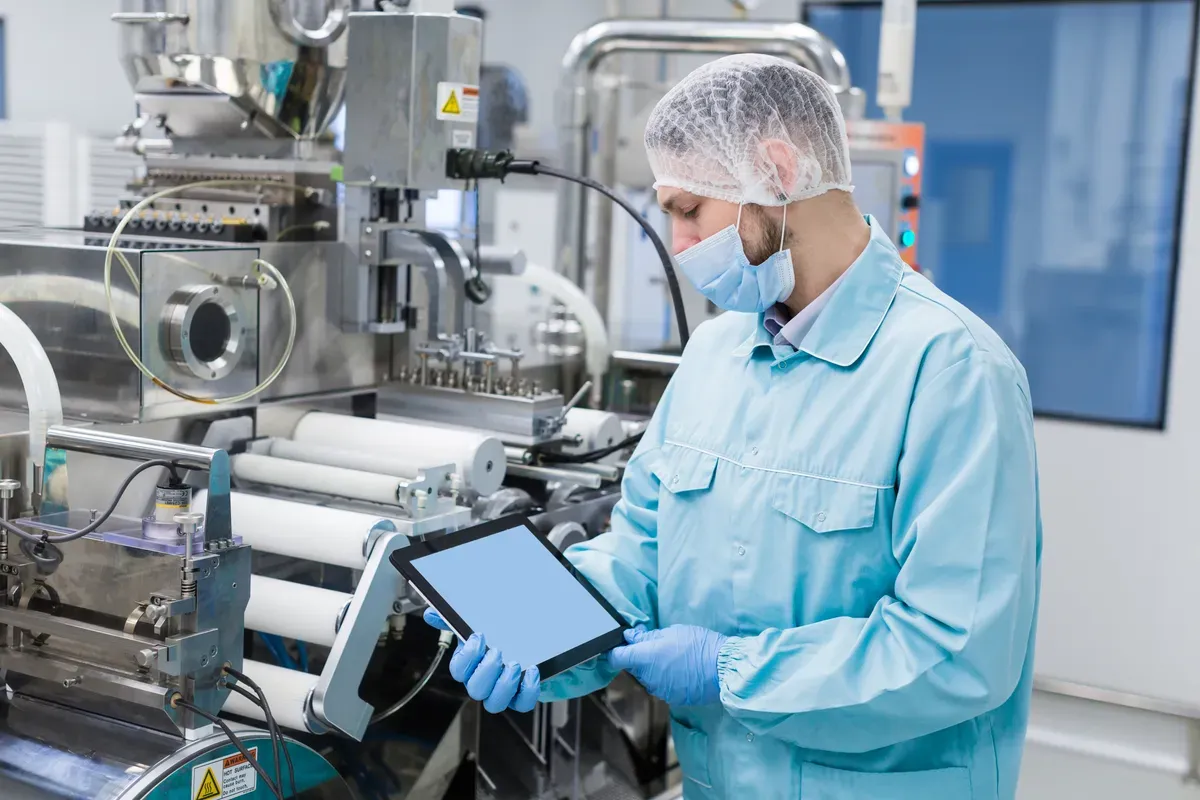
Racking installation snagging: alignment, bracing, and signage.
It assesses how well a TPM program is implemented and working, rather than inspecting a single machine. It reviews TPM objectives and program scope, autonomous maintenance and operator involvement, planned and preventive maintenance, equipment losses, downtime, and OEE, and the training, spares, and improvement work behind them. It is a program assessment, so it looks at whether the pillars of TPM are in place and delivering. It gives a maintenance or operations team a structured way to see where the program is strong and where it has slipped.
A machine inspection checks the condition of a single piece of equipment at a point in time. A TPM checklist assesses the program that keeps all equipment reliable: operator involvement, planned maintenance, loss tracking, training, and improvement. One looks at a machine; the other looks at the system around every machine. Keeping them separate matters, because equipment can look fine today while the program that sustains reliability has quietly stopped working. This checklist is the program assessment, not an equipment check.
Autonomous maintenance is the TPM idea that operators take on basic care of their own equipment: cleaning, inspection, lubrication, and spotting early signs of trouble, rather than leaving all of it to the maintenance team. It frees maintenance to focus on planned and more complex work and catches problems early. The checklist confirms whether autonomous maintenance is defined and actually being done, which is often where a program slips first. How it is structured depends on your TPM implementation.
OEE, overall equipment effectiveness, combines availability, performance, and quality into a measure of how well equipment is really used, and it is a common way to track whether TPM is reducing losses. The checklist confirms whether equipment losses, downtime, and breakdowns are tracked and whether OEE or an equivalent measure is monitored and acted on. It does not set OEE targets for you; those depend on your equipment and goals. The point is that the program measures losses and uses the data, not that it hits a fixed number.
In InspectWrk, a TPM assessment runs as a structured review across objectives, autonomous and planned maintenance, losses and OEE, and support, with findings and improvement actions recorded. Results are timestamped and stored, so a plant can track the program over time, compare areas or lines, and see whether pillars are strengthening or slipping. It gives maintenance and operations leaders an evidenced view of the program to take to a management review, rather than assuming TPM is working because it was once launched.

A total productive maintenance checklist assesses how well a TPM program is implemented and working, rather than inspecting a single machine. It reviews TPM objectives and program scope, autonomous maintenance and operator involvement, planned and preventive maintenance, equipment losses, downtime, and OEE, and the training, spares, and improvement work that support it. It is a program assessment, so it looks at whether the pillars of TPM are in place and delivering, not just whether one piece of equipment is in good condition.
A total productive maintenance checklist is used to assess a TPM program: how well it is implemented and whether it is delivering results. TPM is a way of running maintenance that involves operators, plans upkeep, and drives out equipment losses, so this checklist looks at the program as a whole, not at a single machine. Assessing the program is deliberately distinct from inspecting a piece of equipment.
Working through TPM objectives and program scope, autonomous maintenance, planned and preventive maintenance, equipment losses and OEE, and training, spares, and improvement, the checklist confirms whether the foundations of TPM are in place and being used. Because organisations implement TPM differently, it assesses the program you run rather than imposing a single model, and supports a review of where to improve.
TPM often starts with enthusiasm and then fades. Autonomous maintenance slips back to the maintenance team, planned work gives way to breakdowns, OEE stops being tracked, and the program becomes a poster on the wall. Because no one steps back to assess the program, it is not clear which pillars are working and which have quietly stopped.
A total productive maintenance checklist fixes that by assessing the program itself, objectives, autonomous and planned maintenance, losses and OEE, and the support behind them, so it is clear where TPM is delivering and where it needs attention, rather than assuming it is still running because it was launched.
Assessing the program shows whether TPM is really working, not just running:
A complete assessment runs across the pillars of TPM:
Confirm the foundation:
Confirm the maintenance is happening:
Confirm the results:
Confirm what sustains it:
Assess the program, not a single machine:
See how this checklist fits into Manufacturing inspection software.
This checklist runs as a mobile inspection app that works fully offline on site, with AI-powered defect detection on every photo. To see it on your own workflows, talk to our team.