Take a Photo. AI Fills the Form
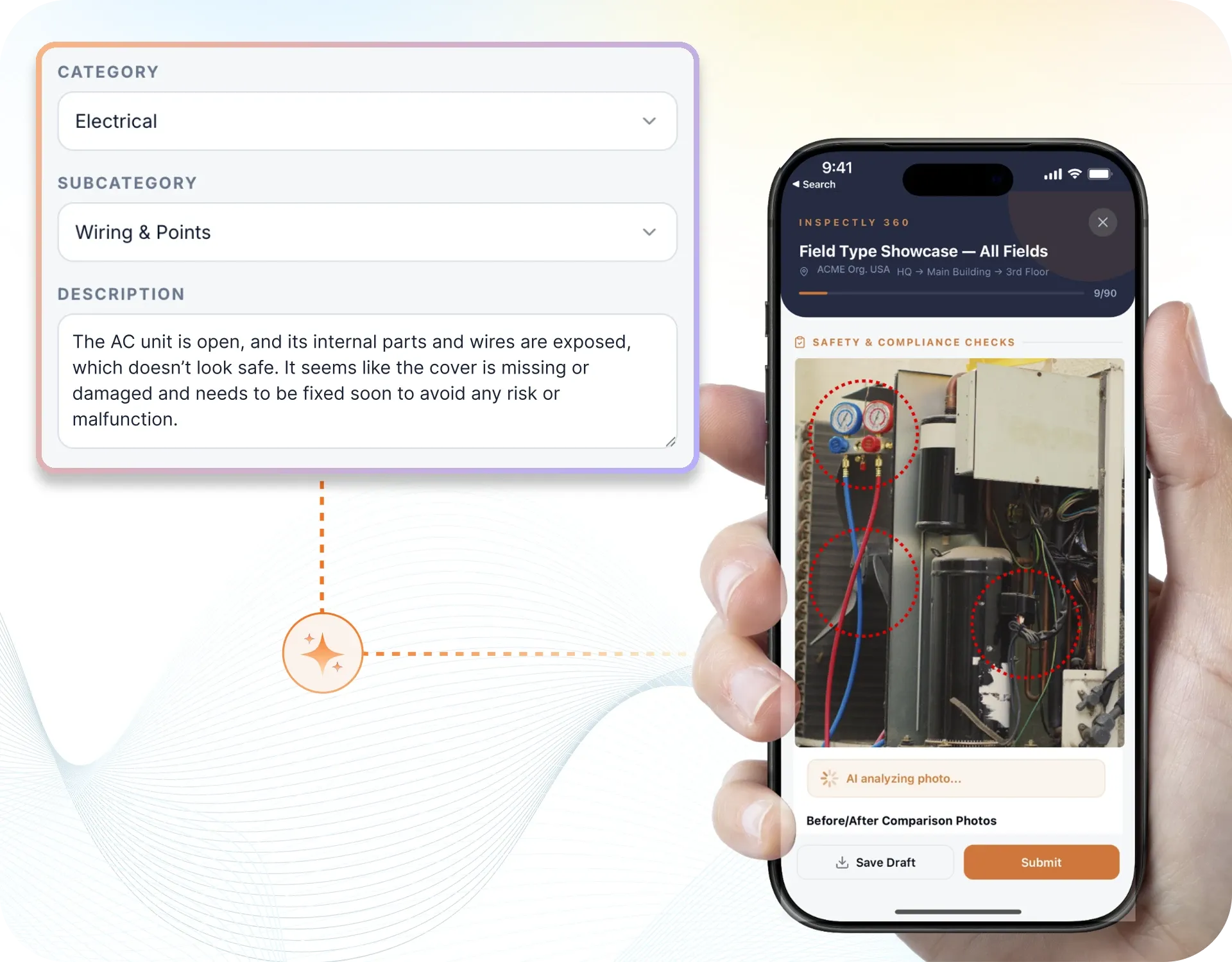
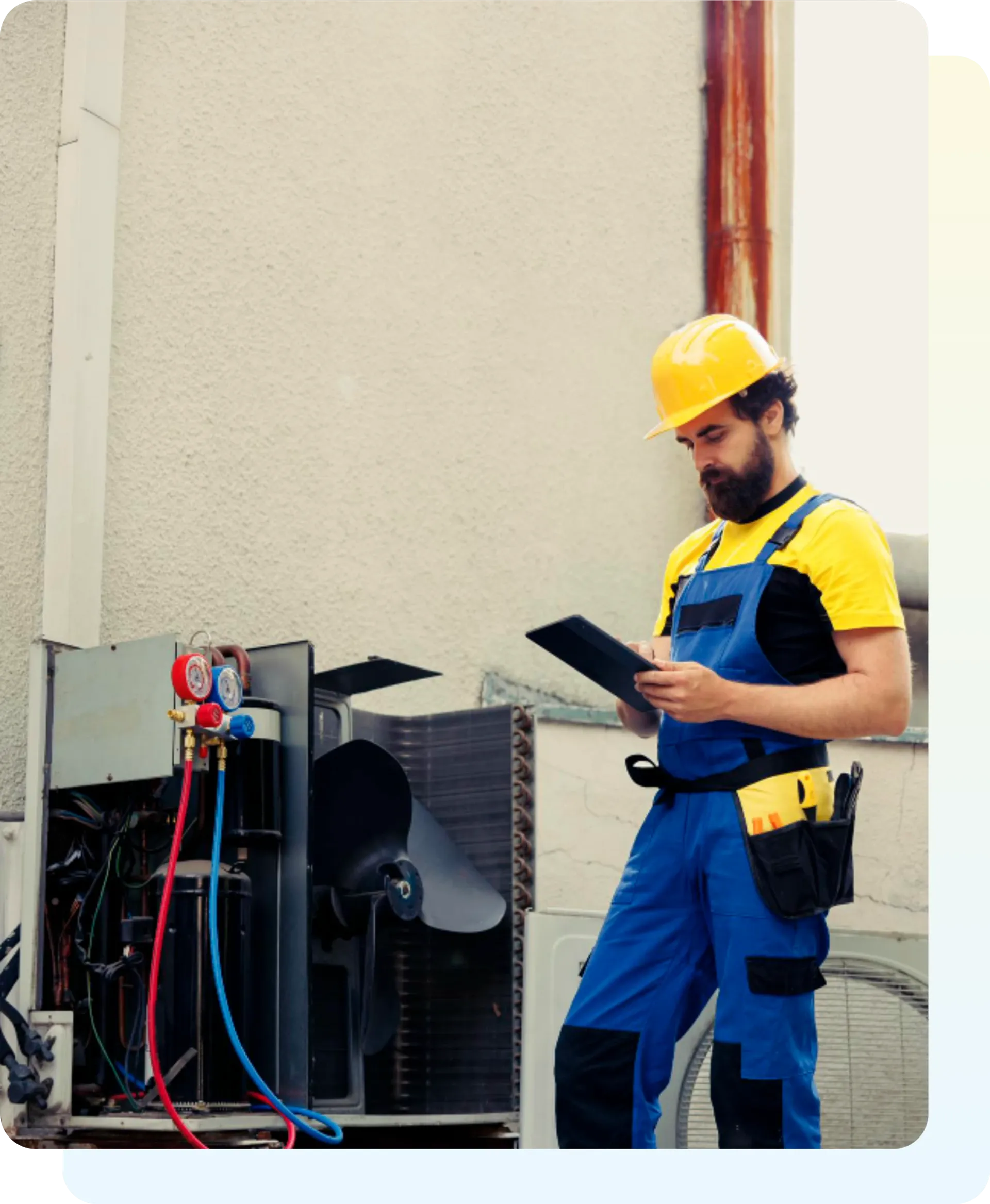
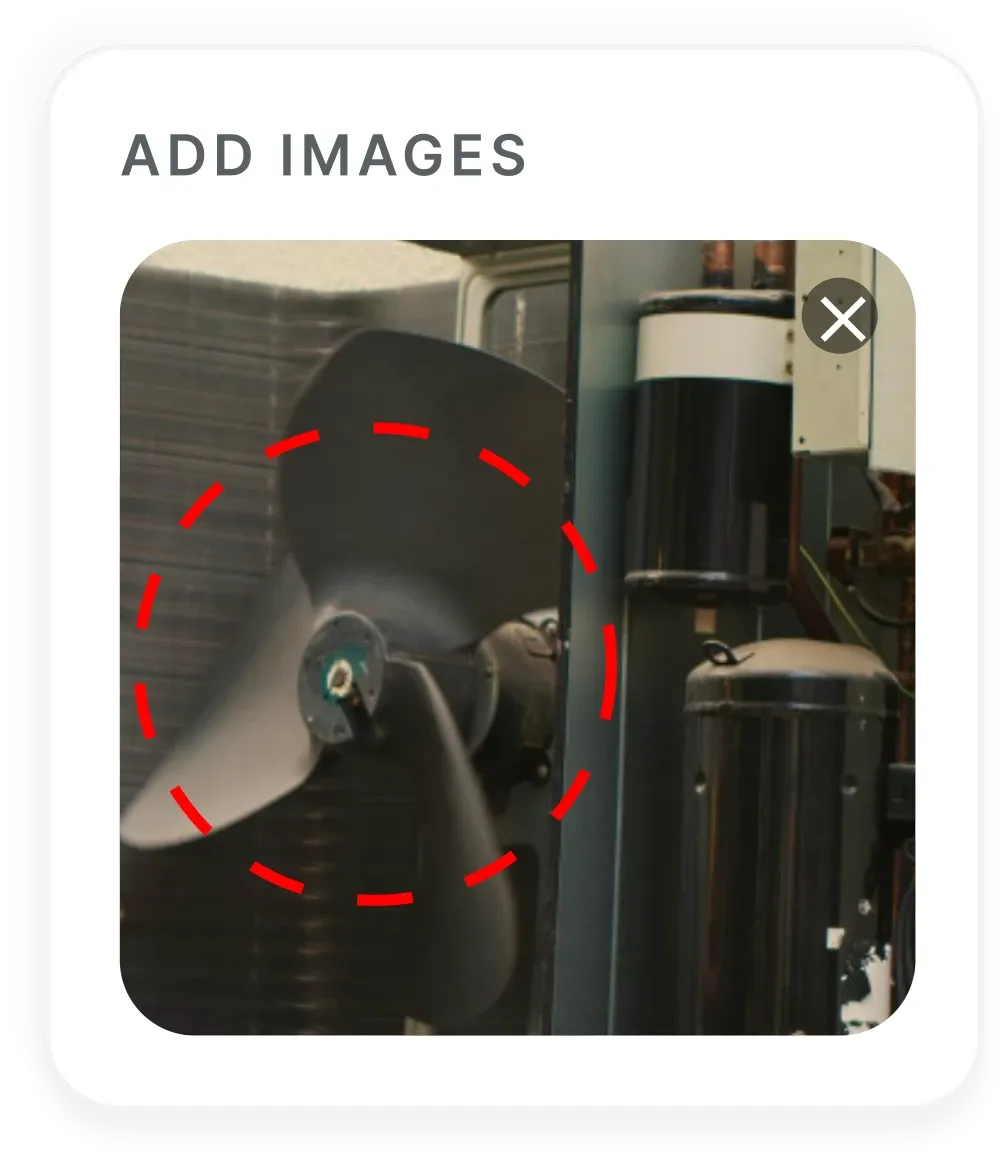
Your inspector takes a photo of any asset or defect. AI reads it and fills the inspection form automatically. No typing. No manual entry.

Convert your checklist into Mobile App
Browse by use case or industry, or see what other teams use most.
Book 30 minutes to discuss your challenges and see how InspectWrk digitizes operations with mobile apps, automated reporting, and real-time dashboards.
Use this hazard vulnerability analysis template to work through assessment details, hazard identification, hazard characteristics, impact and vulnerability, likelihood and severity, and preparedness and response capability, capturing photo evidence per finding and tracking each fix through to closure.

Customize with your logo and company details.
Available on App
Run inspections on iOS and Android - no internet required. Capture photos, annotate defects, and generate reports in the field.
Run the Hazard Vulnerability Analysis Template on the InspectWrk app instead of paper. Inspectors capture photo evidence, work offline, and assign corrective actions on the spot, and the report generates itself the moment the inspection is signed off.

Hazard Vulnerability Analysis Template
Hazard Vulnerability Analysis Template Dashboard
Prioritized actions to keep operations running smoothly today.
Total Revenue
$42,680
+12% compared to last month
Active Projects
128
+8 new this week
Open Requests
56
-15 resolved this week
Operational Target
You're on track to meet this month's operational goal.
Target Task
200 ↑
Complete Task
136 ↑
Pending Task
10 ↓
Monthly Performance
Recent Client Activity
Everything your field team does on paper, InspectWrk does automatically: faster, more accurate, and without the admin.
Your inspector takes a photo of any asset or defect. AI reads it and fills the inspection form automatically. No typing. No manual entry.
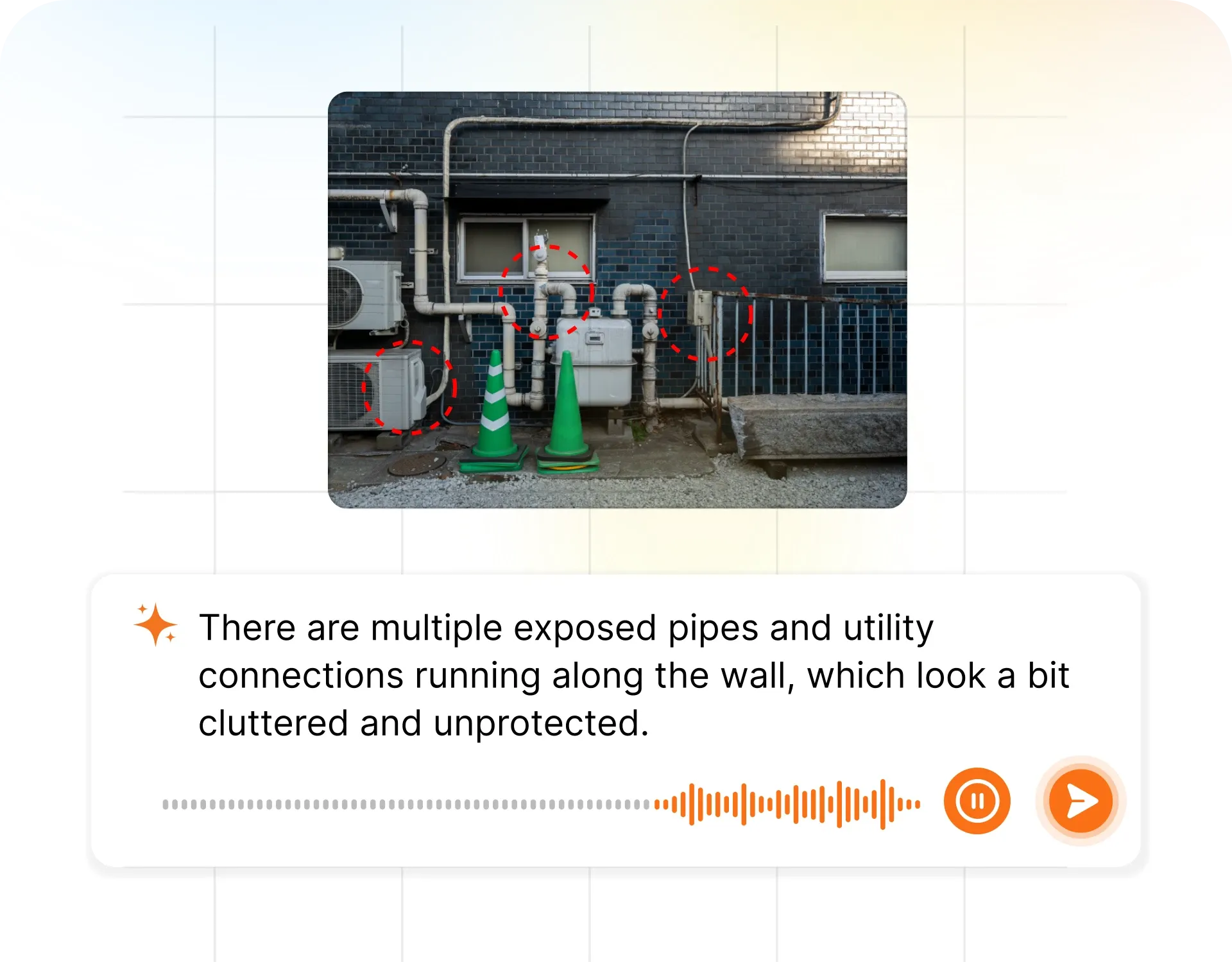
Inspectors speak their observations in any language. AI transcribes and fills the form in real time. Completely hands-free in the field.
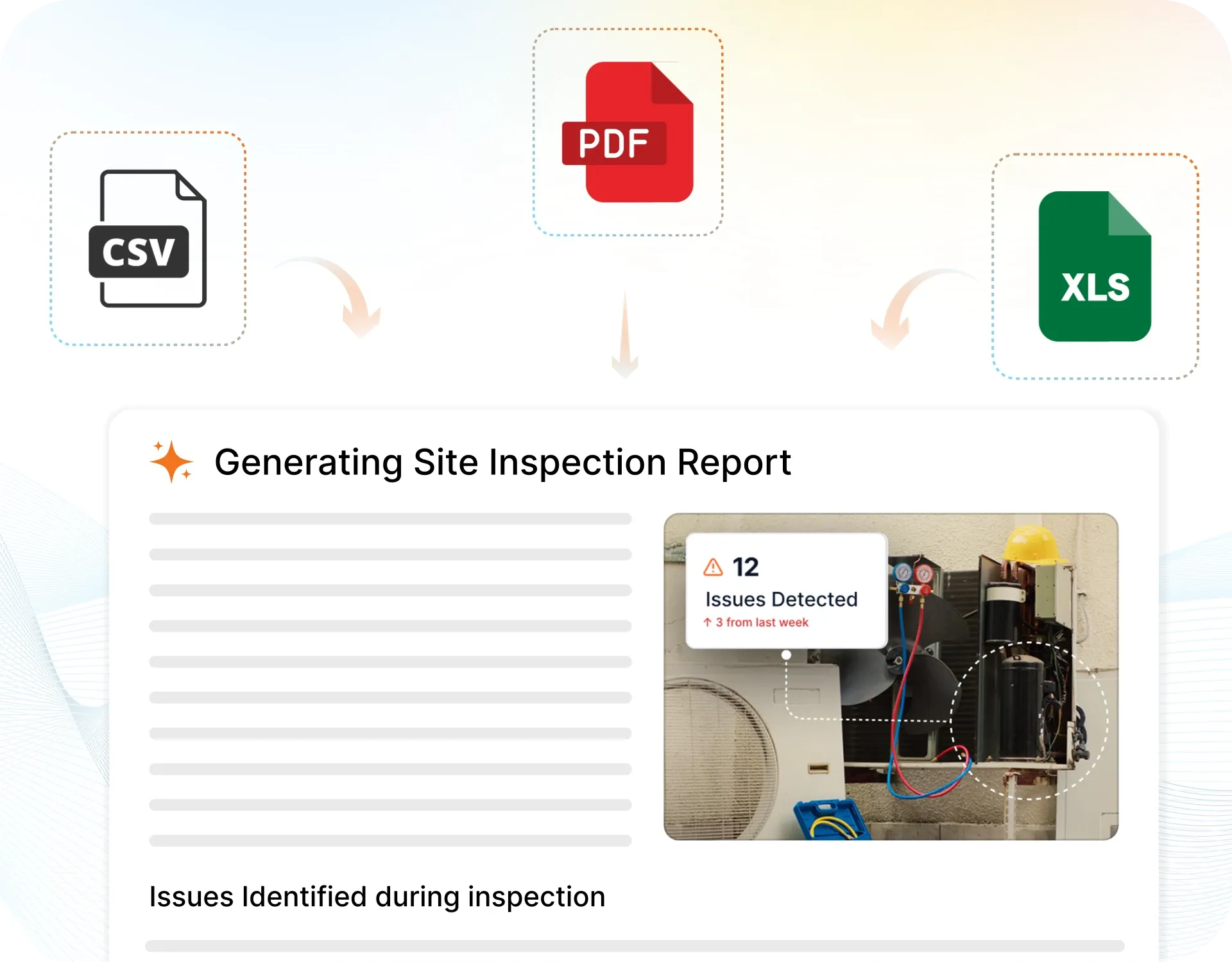
The moment an inspection is submitted, a branded PDF, Excel, or CSV report generates automatically. No manual work. No waiting.

InspectWrk integrates with the tools your team already uses, including Zoho, Microsoft 365, and SAP. No double entry.
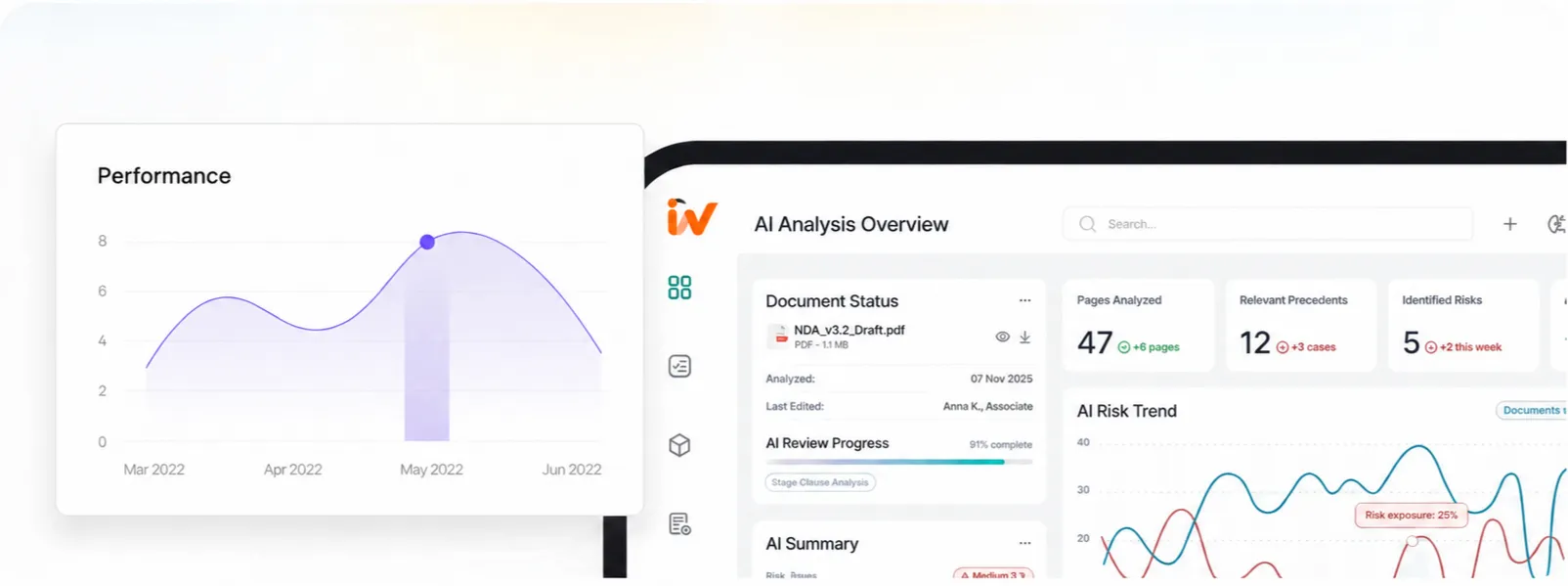
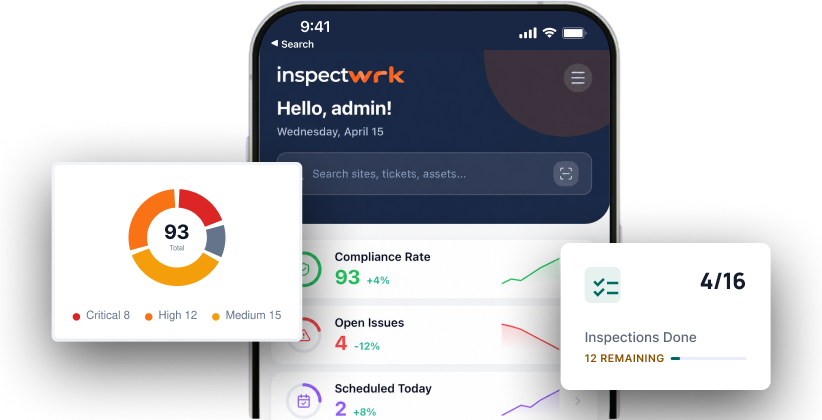
Your operations team sees completion rates, open issues, and compliance scores across all sites in real time. No chasing updates.
Manage every checklist in one connected workspace, capture evidence on mobile at the point of work, and let AI turn field inputs into clear, stakeholder-ready reports in minutes.

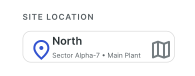
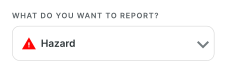
See which checklists your team has in progress across every site, jump into the same inspection with one tap, and keep field, supervisor, and back-office views in sync without sending screenshots on WhatsApp.


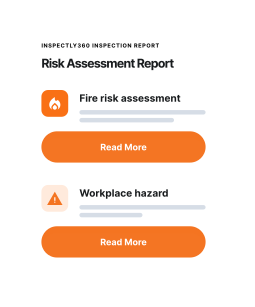
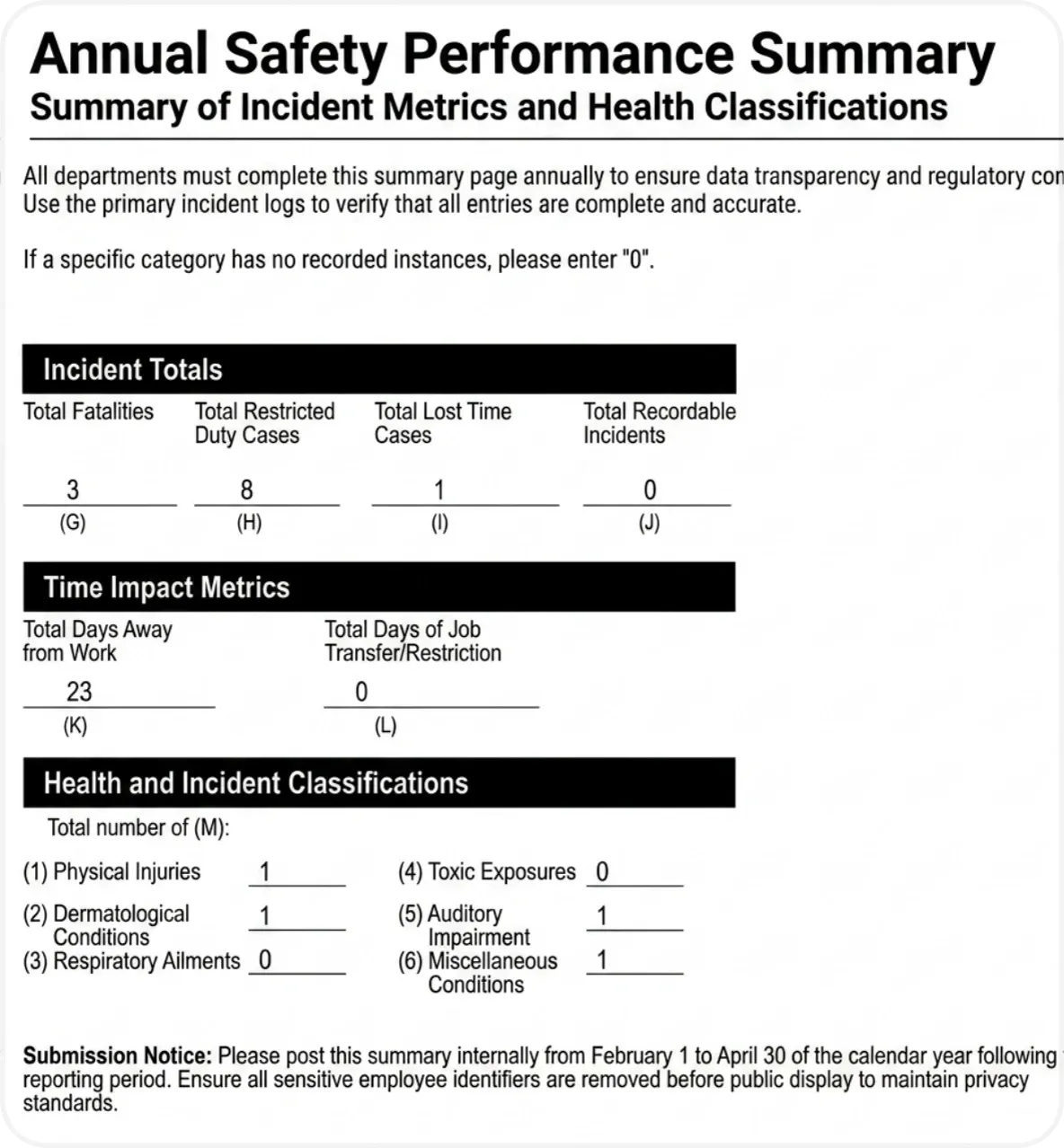


Every team reports differently. Build the report your operations, quality, or compliance leads actually want to read, share it as a branded PDF, and schedule delivery to the stakeholders who need it.

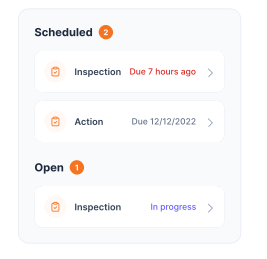

See completion, pass rate, and recurring findings across every checklist and every site, without pulling spreadsheets together at the end of the month.
Hand-picked templates for your specific industry needs.

Internal and external audits with scoring, evidence, and corrective actions.

Compliance-focused inspections with evidence capture and audit trails.

Give your Risk Management & Compliance team a repeatable process for audit software.

Give your Risk Management & Compliance team a repeatable process for compliance automation.
Assess hazards with your team on any device, rate likelihood, impact, and preparedness with your own method, assign mitigation actions, and keep every review on record.
A hazard vulnerability analysis, or HVA, is a structured assessment of the hazards that could affect an organization or facility. It identifies relevant natural, technological, human-caused, and biological hazards, assesses their likelihood and their impact on people, operations, facilities, and services, and considers how prepared the organization is to respond. The hazards are then prioritized, so emergency planning, mitigation, training, and exercises can focus on the vulnerabilities that matter most. It is widely used in healthcare emergency preparedness, and applies to any organization.
There is no single required formula. Different HVA methods use different factors, such as probability, human impact, property impact, business impact, and preparedness or response capability, and different scales. Choose a method that suits your organization, record it in the assessment, and apply it consistently so hazards can be compared. Record the reasoning behind each rating too, because the discussion often matters as much as the number, and note any factor the scores do not capture when setting priorities. Keep the same method between reviews so changes in ranking are meaningful.
A workplace risk assessment looks at hazards created by work activities, such as manual handling or machinery, and sets controls to protect the people doing the work. An HVA looks at events that could disrupt the whole organization, such as severe weather, utility failures, security threats, or disease outbreaks, and assesses how prepared the organization is to respond. The workplace assessment protects workers during tasks, while the HVA shapes emergency planning, continuity arrangements, and preparedness priorities for the organization. Many organizations need both, and each should reference the other where hazards overlap.
The HVA comes first and the plan follows. The analysis identifies which hazards are most likely and most damaging and where preparedness is weakest, and the emergency response plan then sets out how the organization will respond to those priority hazards. Training and exercises should be based on the same priorities. Review the HVA at least at the interval your program or sector requires, and after major incidents or changes in operations, then update the plan to match the new findings.

A hazard vulnerability analysis template helps an organization identify the hazards that could affect it, assess how likely and how damaging each one is, and judge how prepared it is to respond. It records natural, technological, human-caused, and biological hazards relevant to the site, their impact on people, operations, facilities, and services, existing preparedness and capability gaps, and a priority for each. The result is a ranked list of vulnerabilities with mitigation actions, owners, and target dates.
A hazard vulnerability analysis template gives an organization a structured way to decide which emergencies it most needs to prepare for. The assessment team identifies the hazards relevant to its location and operations, from severe weather and utility failures to security threats and disease outbreaks, and records past experience and the measures already in place. There is no universal hazard list: a coastal hospital, an inland warehouse, and a city office face different threats.
For each hazard, the team assesses the potential impact on people, operations, facilities, utilities, equipment, information, the supply chain, and the community, then rates likelihood and severity and reviews preparedness: plans, resources, staffing, communications, backup systems, and external support. The organization chooses its own scoring method, so the HVA template records the scales used and the reasoning behind each rating. Priority hazards become mitigation actions with owners and dates, and the findings feed the emergency response plan, training, and exercises.
Many emergency plans are written around the obvious scenarios, fire and evacuation, while the events most likely to disrupt the organization, a long power outage, a flood in the basement plant room, or a supplier failure, get a paragraph at best. Without an analysis, planning effort follows habit rather than risk.
A hazard vulnerability analysis compares hazards on the same basis, exposes the preparedness gaps, and turns the highest priorities into owned actions, so the emergency plan and training focus on what is most likely to hurt.
No organization can prepare equally for every emergency. A structured HVA helps you:
A complete hazard vulnerability analysis covers the hazards, the vulnerabilities, and the actions:
Run the analysis with a cross-functional team:
See how this checklist fits into AI audit software.
This checklist runs as a mobile inspection app that works fully offline on site, with AI-powered defect detection on every photo. To see it on your own workflows, talk to our team.