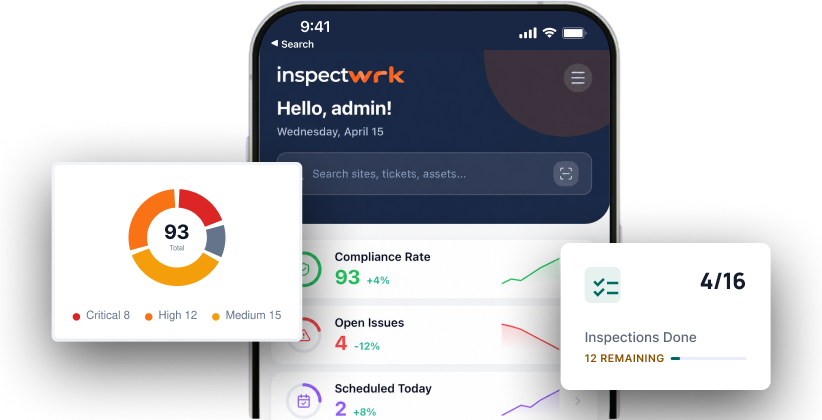

Take a Photo. AI Fills the Form
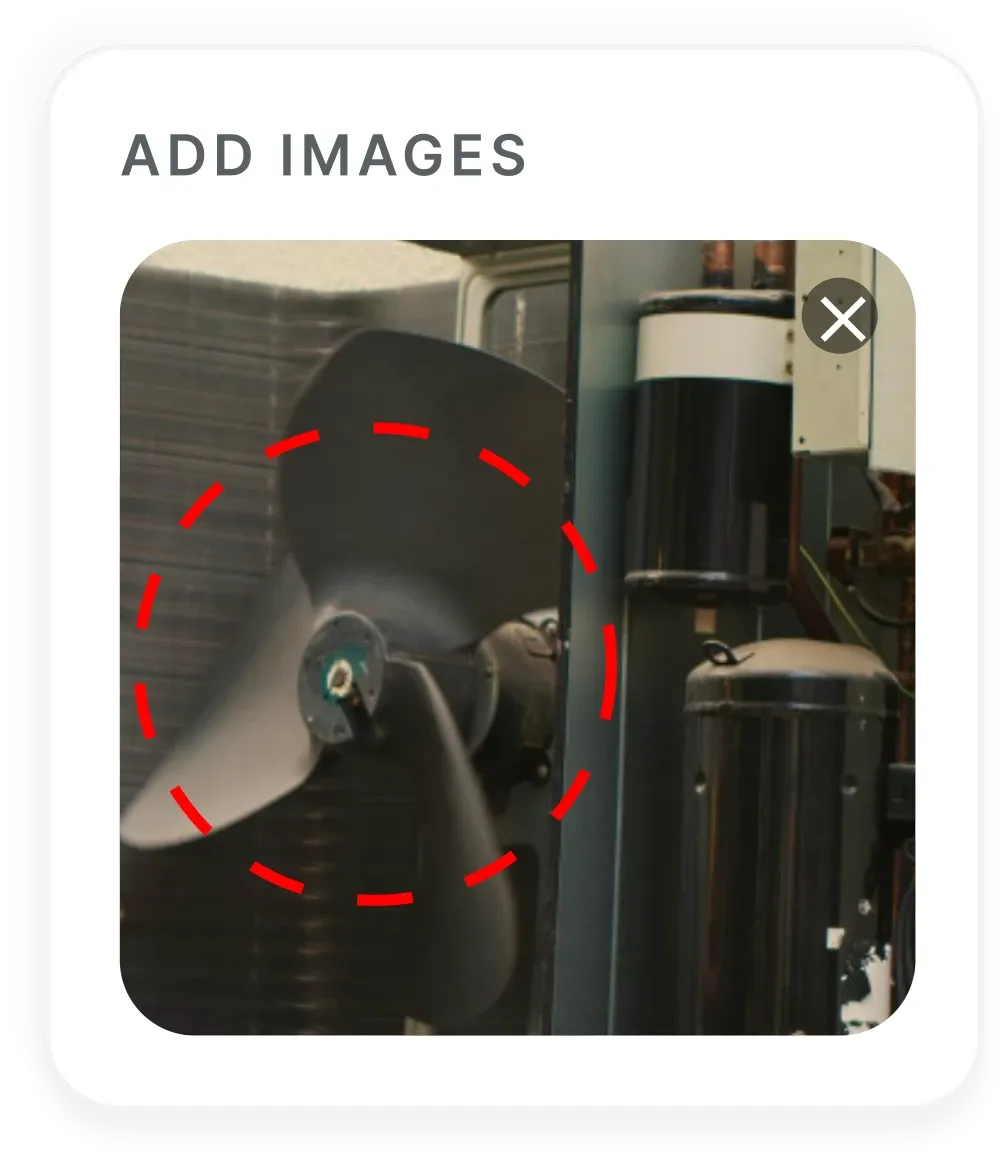
Your inspector takes a photo of any asset or defect. AI reads it and fills the inspection form automatically. No typing. No manual entry.

Convert your checklist into Mobile App
Browse by use case or industry, or see what other teams use most.
Book 30 minutes to discuss your challenges and see how InspectWrk digitizes operations with mobile apps, automated reporting, and real-time dashboards.
Use this erosion and sediment control plan template to work through project and site information, site characteristics and drainage, erosion and sediment risks, sediment-control measures, erosion-control measures and stabilisation, and inspection and maintenance arrangements, giving each action an owner and a due date and tracking it to completion. Records support your construction stormwater permit conditions, the applicable erosion and sediment control requirements and your site environmental management plan.

Customize with your logo and company details.
Available on App
Run inspections on iOS and Android - no internet required. Capture photos, annotate defects, and generate reports in the field.
Run the Erosion and Sediment Control Plan Template on the InspectWrk app instead of paper. Inspectors capture photo evidence, work offline, and assign corrective actions on the spot, and the report generates itself the moment the inspection is signed off.

Erosion and Sediment Control Plan Template
Erosion and Sediment Control Plan Template Dashboard
Prioritized actions to keep operations running smoothly today.
Total Revenue
$42,680
+12% compared to last month
Active Projects
128
+8 new this week
Open Requests
56
-15 resolved this week
Operational Target
You're on track to meet this month's operational goal.
Target Task
200 ↑
Complete Task
136 ↑
Pending Task
10 ↓
Monthly Performance
Recent Client Activity
Everything your field team does on paper, InspectWrk does automatically: faster, more accurate, and without the admin.
Your inspector takes a photo of any asset or defect. AI reads it and fills the inspection form automatically. No typing. No manual entry.
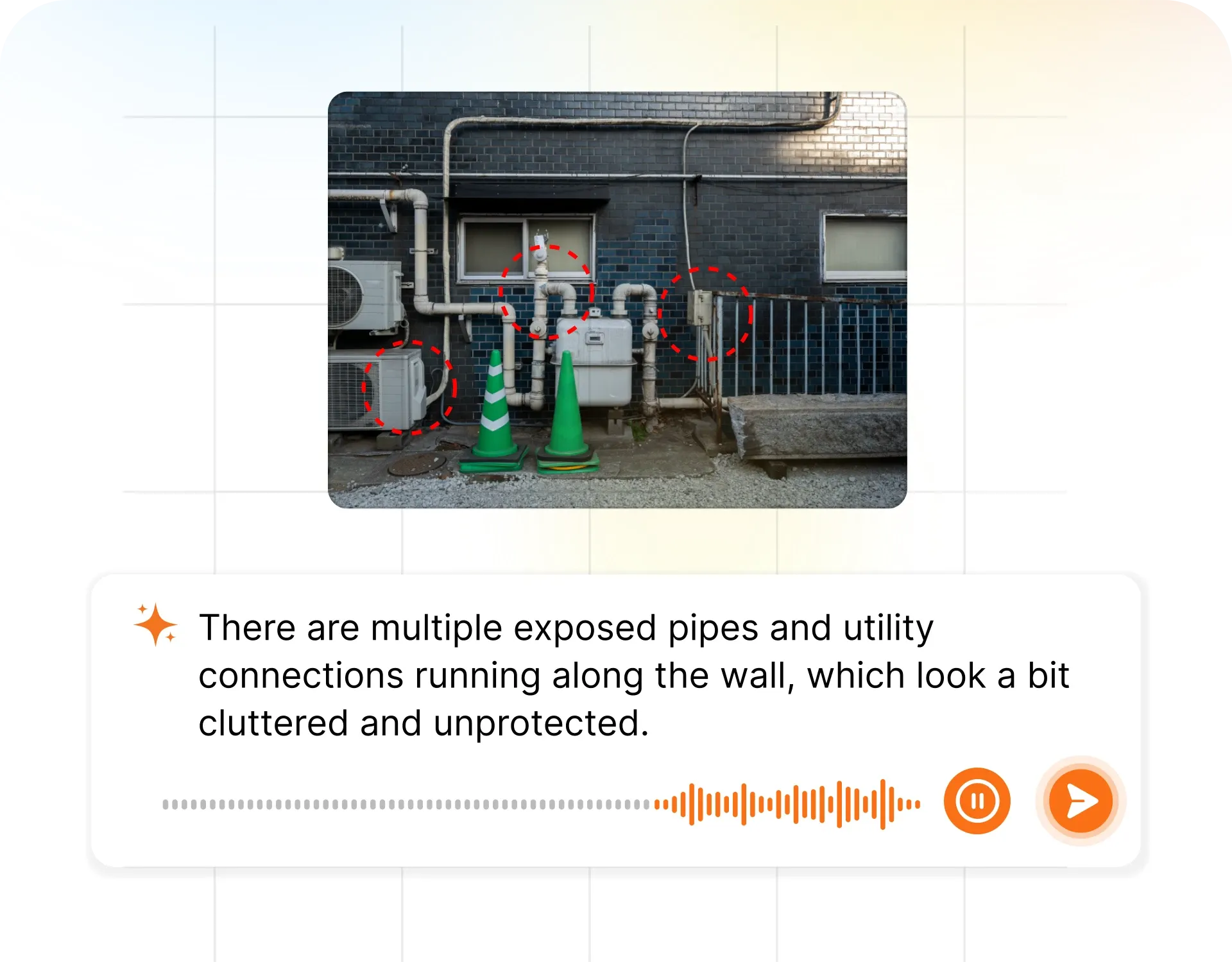
Inspectors speak their observations in any language. AI transcribes and fills the form in real time. Completely hands-free in the field.
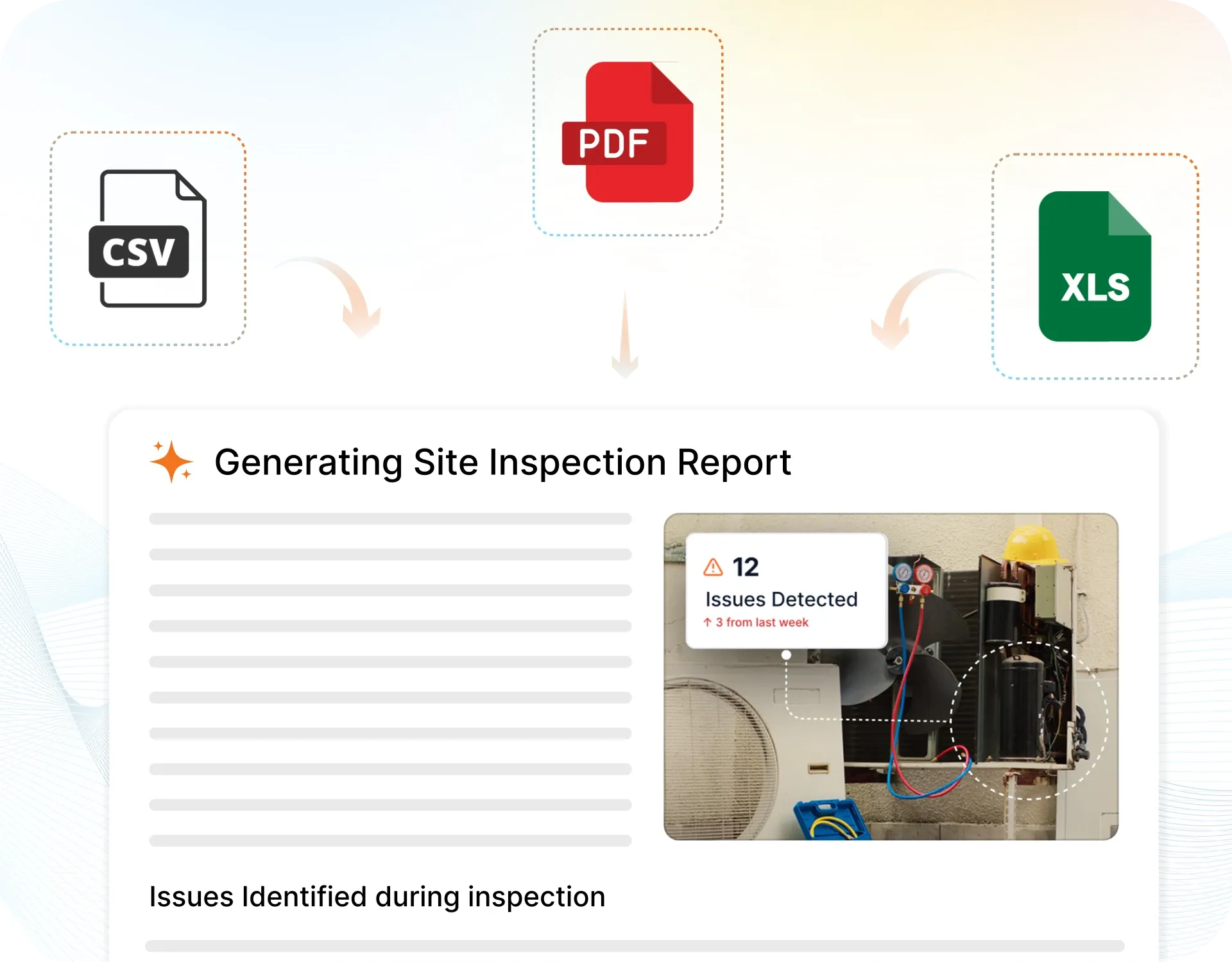
The moment an inspection is submitted, a branded PDF, Excel, or CSV report generates automatically. No manual work. No waiting.

InspectWrk integrates with the tools your team already uses, including Zoho, Microsoft 365, and SAP. No double entry.

Your operations team sees completion rates, open issues, and compliance scores across all sites in real time. No chasing updates.
Manage every checklist in one connected workspace, capture evidence on mobile at the point of work, and let AI turn field inputs into clear, stakeholder-ready reports in minutes.


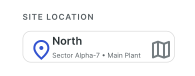
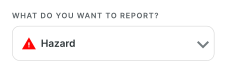
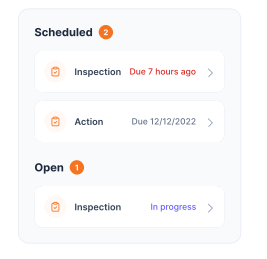
See which checklists your team has in progress across every site, jump into the same inspection with one tap, and keep field, supervisor, and back-office views in sync without sending screenshots on WhatsApp.


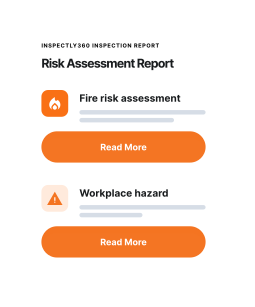
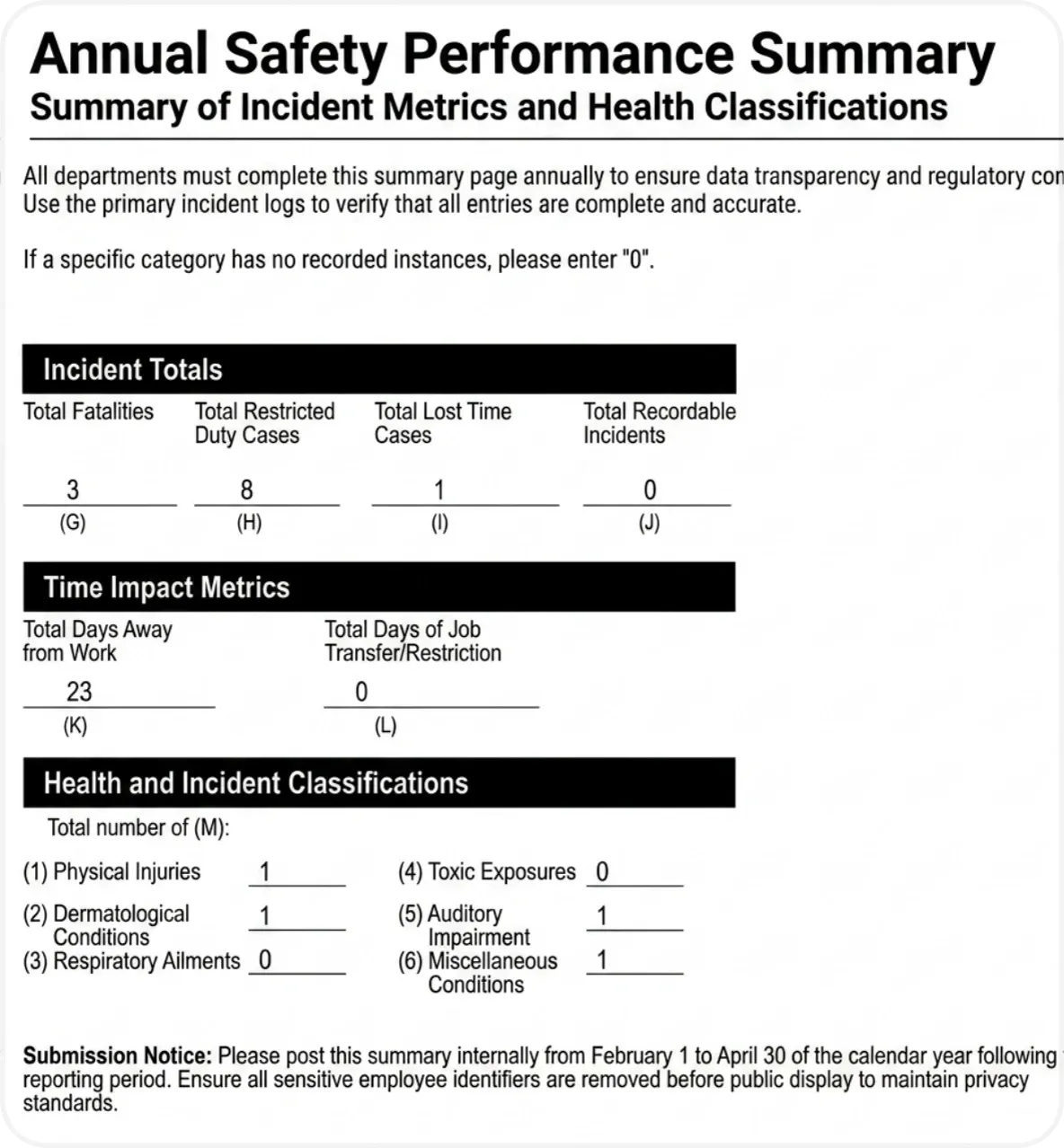


Every team reports differently. Build the report your operations, quality, or compliance leads actually want to read, share it as a branded PDF, and schedule delivery to the stakeholders who need it.


See completion, pass rate, and recurring findings across every checklist and every site, without pulling spreadsheets together at the end of the month.
Hand-picked templates for your specific industry needs.

Catch defects before handover and generate punch list reports in minutes.

Kitchen snagging: cabinets, worktops, appliances, tiling, plumbing, and electrical checks.

Bathroom snagging: tiling, sanitaryware, plumbing, ventilation, and finish quality.
Document site risks and planned controls on mobile, assign inspection and maintenance owners, track corrective actions, and keep the plan aligned with site conditions.
It is used to document how a construction site will control erosion and sediment. Rather than inspecting existing controls, it is a planning framework: it captures the site description, disturbed areas, and drainage, identifies erosion and sediment risks, sets out the perimeter, inlet, and stabilisation controls, and defines inspection, maintenance, corrective actions, and final stabilisation. The result is a site-specific plan that shows what controls will be used, who is responsible, and how they are kept working.
An erosion control inspection checklist checks whether the controls on a site are in place and working. This template is about creating and maintaining the plan those inspections are based on. It documents the site-specific risks, the controls to be installed, the sequence of work, and who is responsible, before and during construction. Inspection confirms the plan is being followed, while the plan defines what should be there in the first place. They work together but are different documents.
No. Erosion and sediment requirements vary by jurisdiction, project, and permit, so the template does not present universal legal obligations, inspection frequencies, or thresholds. It gives a structured framework for documenting site-specific risks and controls, and prompts you to align inspection frequency and requirements with what applies to your project. Any specific regulatory obligation should be confirmed against the applicable authority and your permit before the plan is relied on.
It is usually prepared by the project or site manager with an environmental coordinator or civil engineer, and maintained by site supervisors during construction. One person should own the plan, keep it aligned with the actual site conditions and programme, and make sure inspections and maintenance happen. Recording responsible people for each control and corrective action keeps the plan accountable and makes it easier to show the site is managing erosion and sediment as intended.

An erosion and sediment control plan template helps a project team document how erosion and sediment will be controlled on a construction site. Rather than inspecting whether a silt fence exists, it is a planning framework: it captures the site description and disturbed areas, the erosion and sediment risks, the perimeter and inlet controls and stabilisation measures, the inspection and maintenance responsibilities, and the corrective actions and final stabilisation. Because requirements vary by jurisdiction, project, and permit, any regulatory specifics should be confirmed against the applicable authority.
An erosion and sediment control plan template is a planning tool for documenting how a construction site will keep soil and sediment under control. It is not a site inspection checklist; it helps a project team create and maintain the plan itself, moving from site conditions and risks to the controls that will be used, who is responsible, and how they will be inspected and maintained. The template covers the site description, disturbed areas and drainage, erosion and sediment risks, sediment and erosion control measures, inspection and maintenance arrangements, corrective actions, and final stabilisation. Because erosion and sediment requirements vary by jurisdiction, project, and permit, any specific regulatory obligation, inspection frequency, or threshold should be confirmed against the applicable authority rather than assumed.
Erosion and sediment control often fails not because controls are missing, but because the plan is generic. A silt fence is drawn on a template with no reference to the site's actual slopes, drainage, or sequence of work, no one is named to inspect or maintain it, and there is no plan for stabilising ground once work moves on. When rain comes, sediment leaves the site and the plan cannot show what was supposed to happen.
A site-specific plan fixes that by tying controls to the real site conditions and risks, assigning responsibility for inspection and maintenance, and planning stabilisation from the start.
A clear, site-specific plan keeps sediment on site and everyone accountable:
A complete erosion and sediment control plan moves from site conditions to stabilisation:
Describe the site and where the risk is:
Set out the controls that will be used:
Plan how the controls are kept working:
Build and maintain the plan in order:
See how this checklist fits into Construction inspection software.
This checklist runs as a mobile inspection app that works fully offline on site, with AI-powered defect detection on every photo. To see it on your own workflows, talk to our team.