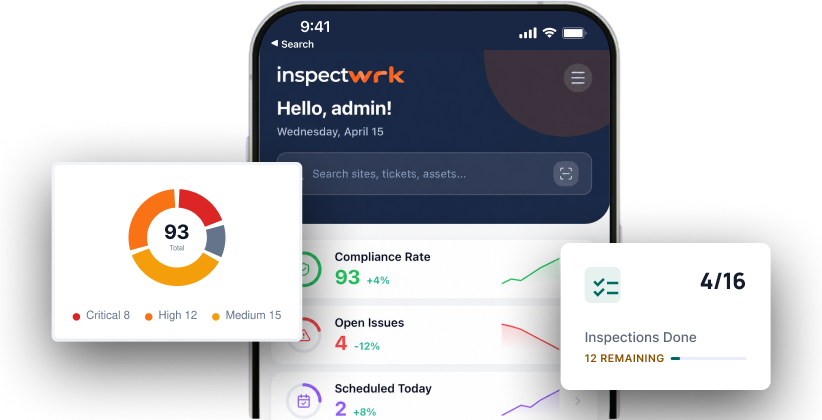

Take a Photo. AI Fills the Form
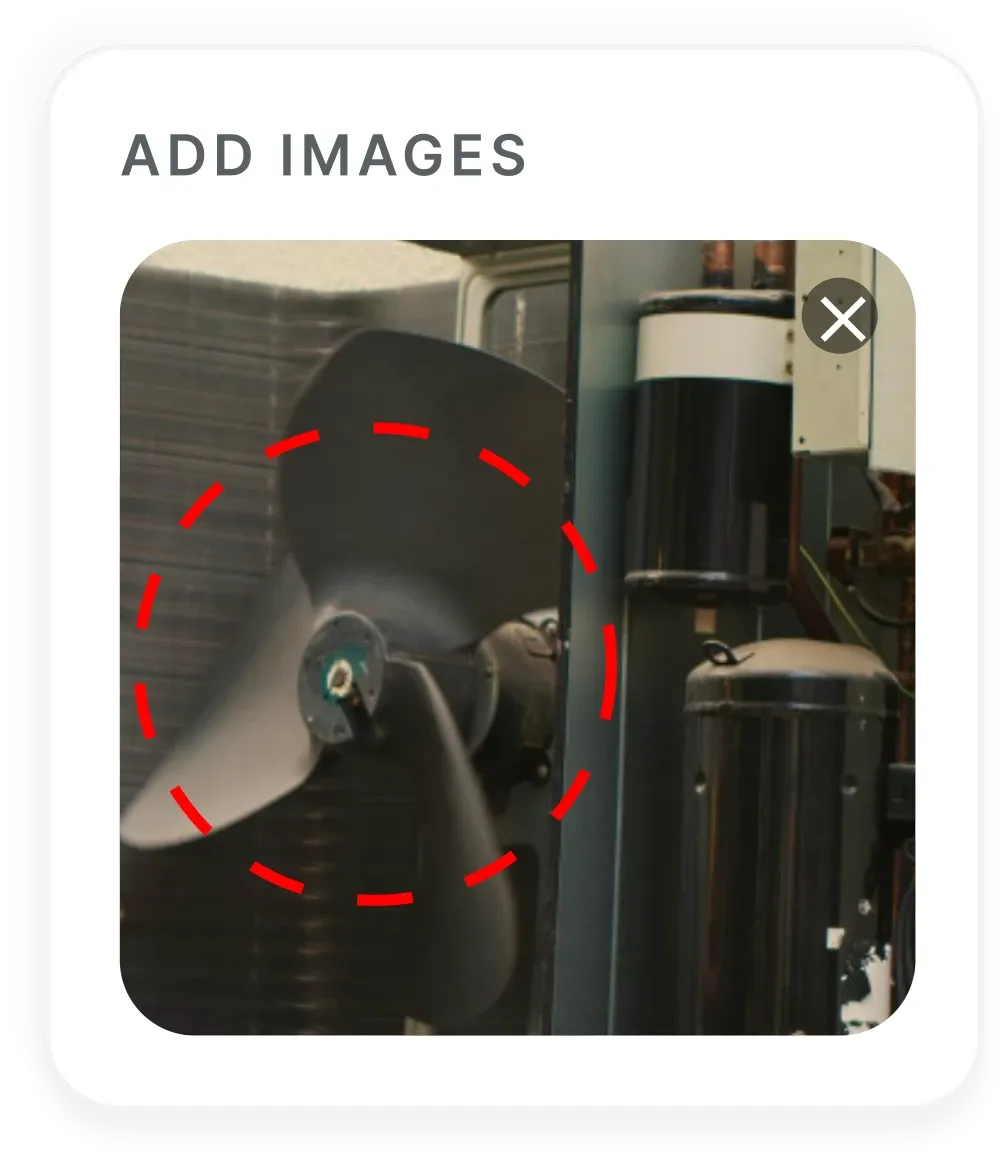
Your inspector takes a photo of any asset or defect. AI reads it and fills the inspection form automatically. No typing. No manual entry.

Convert your checklist into Mobile App
Browse by use case or industry, or see what other teams use most.
Book 30 minutes to discuss your challenges and see how InspectWrk digitizes operations with mobile apps, automated reporting, and real-time dashboards.
Use this seismic retrofit inspection checklist to run checks on project and inspection details, existing structural conditions, retrofit drawings and construction documents, shear walls, bracing and frames, diaphragms and collectors, and anchors and connections, capturing photo evidence per finding and tracking each fix through to closure.

Customize with your logo and company details.
Available on App
Run inspections on iOS and Android - no internet required. Capture photos, annotate defects, and generate reports in the field.
Run the Seismic Retrofit Inspection Checklist on the InspectWrk app instead of paper. Inspectors capture photo evidence, work offline, and assign corrective actions on the spot, and the report generates itself the moment the inspection is signed off.

Seismic Retrofit Inspection Checklist
Seismic Retrofit Inspection Checklist Dashboard
Prioritized actions to keep operations running smoothly today.
Total Revenue
$42,680
+12% compared to last month
Active Projects
128
+8 new this week
Open Requests
56
-15 resolved this week
Operational Target
You're on track to meet this month's operational goal.
Target Task
200 ↑
Complete Task
136 ↑
Pending Task
10 ↓
Monthly Performance
Recent Client Activity
Everything your field team does on paper, InspectWrk does automatically: faster, more accurate, and without the admin.
Your inspector takes a photo of any asset or defect. AI reads it and fills the inspection form automatically. No typing. No manual entry.
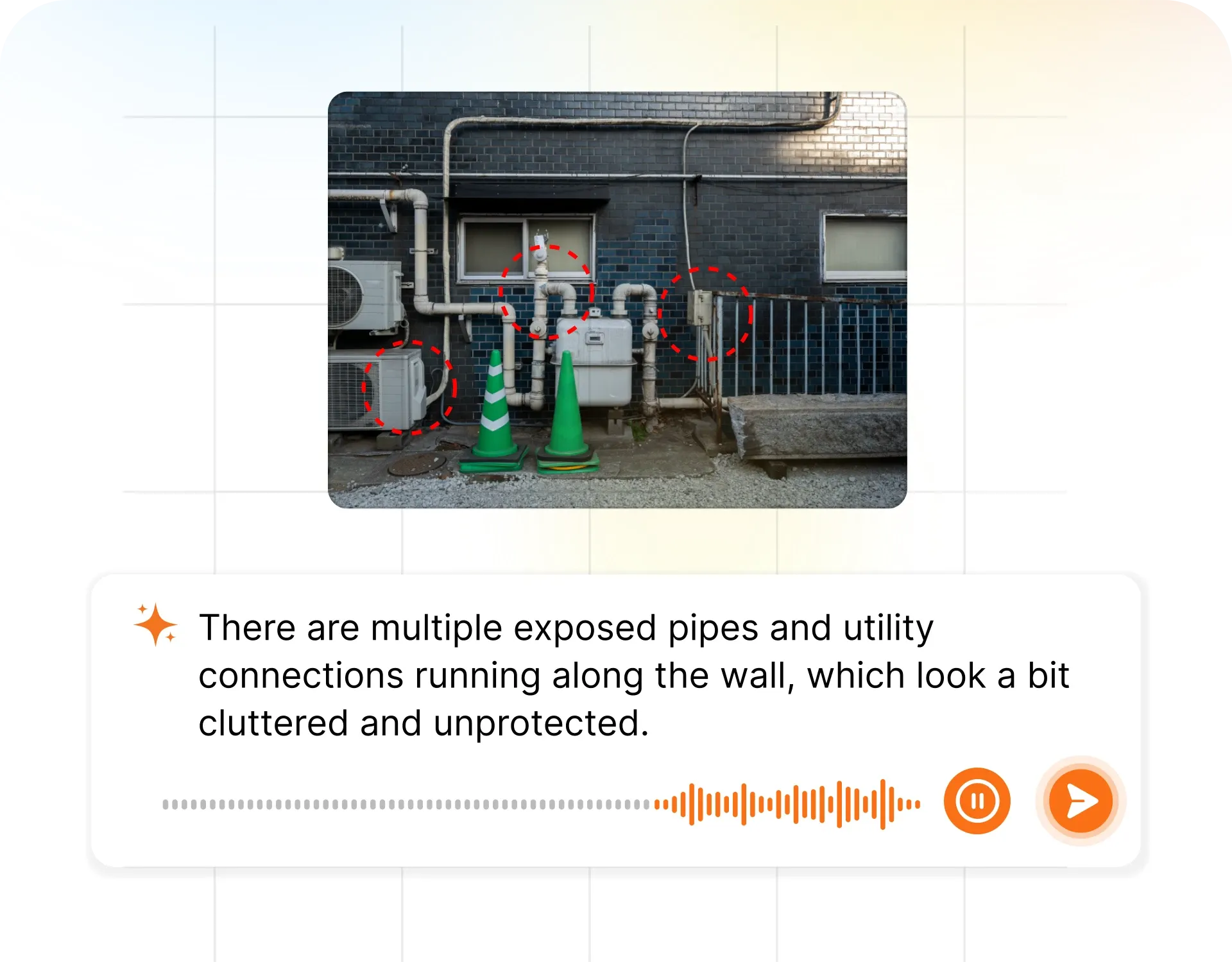
Inspectors speak their observations in any language. AI transcribes and fills the form in real time. Completely hands-free in the field.
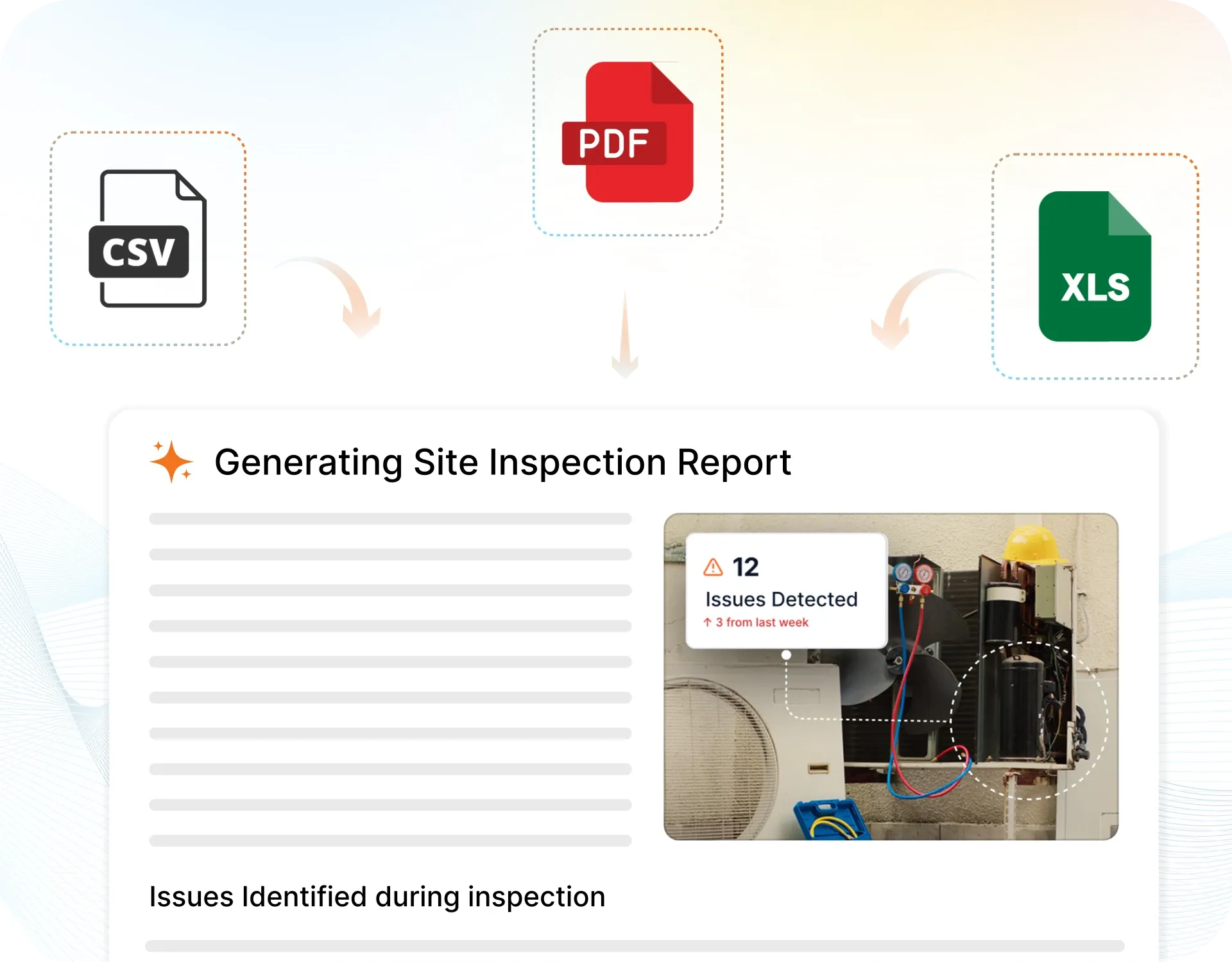
The moment an inspection is submitted, a branded PDF, Excel, or CSV report generates automatically. No manual work. No waiting.

InspectWrk integrates with the tools your team already uses, including Zoho, Microsoft 365, and SAP. No double entry.
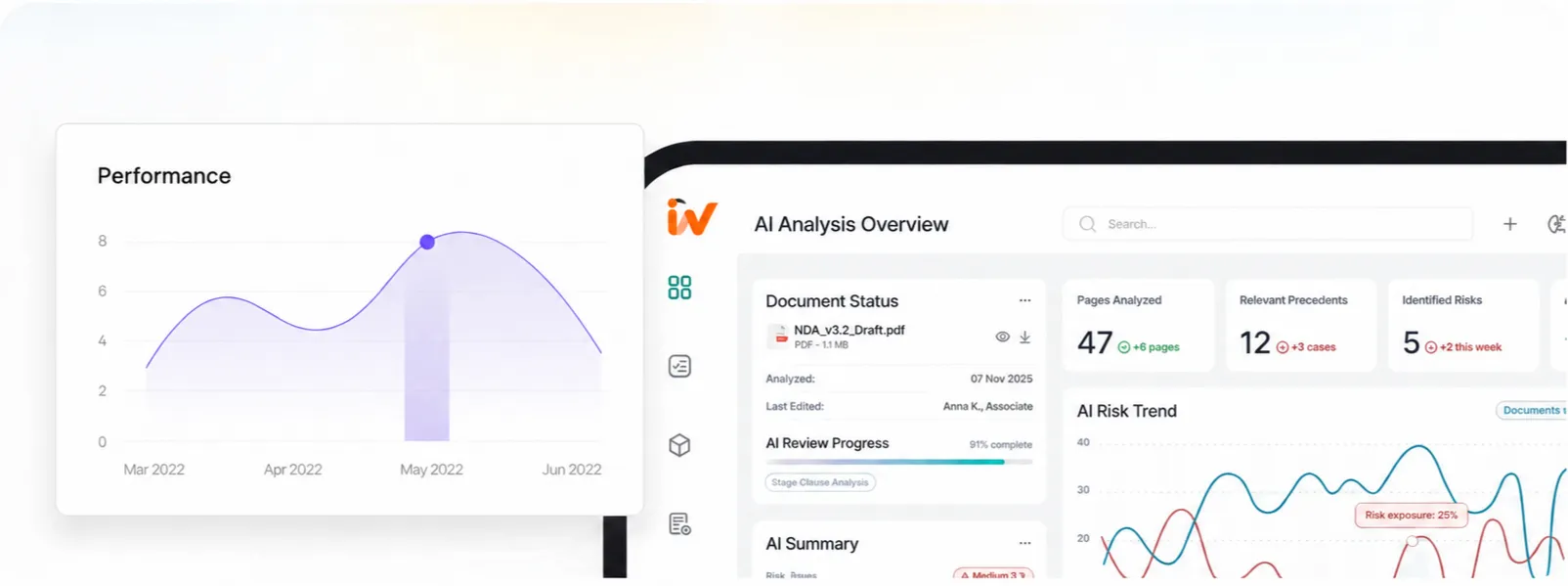
Your operations team sees completion rates, open issues, and compliance scores across all sites in real time. No chasing updates.
Manage every checklist in one connected workspace, capture evidence on mobile at the point of work, and let AI turn field inputs into clear, stakeholder-ready reports in minutes.



See which checklists your team has in progress across every site, jump into the same inspection with one tap, and keep field, supervisor, and back-office views in sync without sending screenshots on WhatsApp.


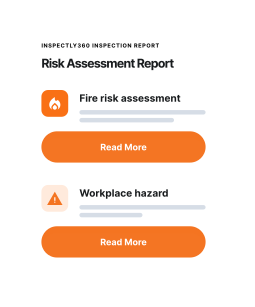
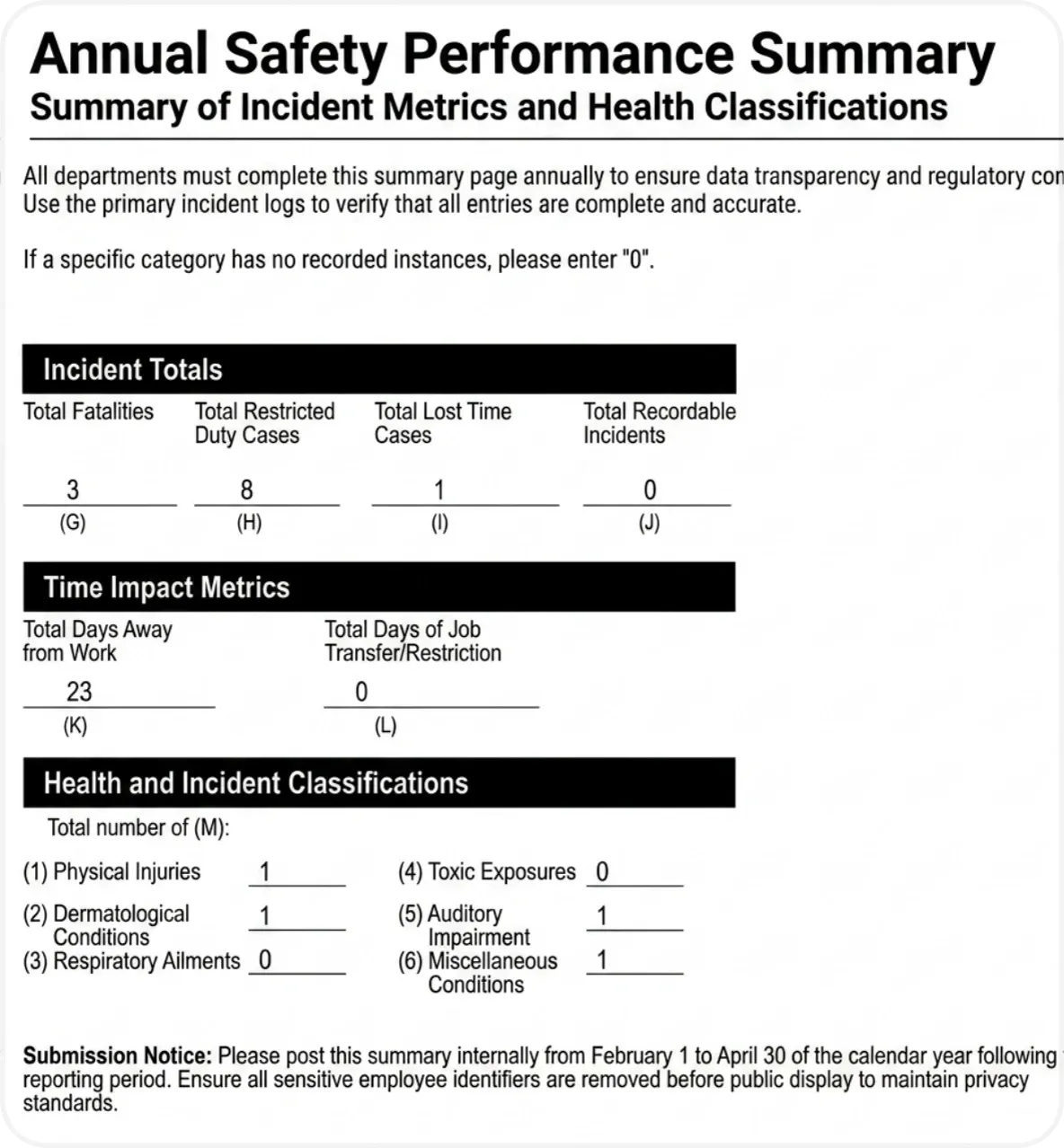


Every team reports differently. Build the report your operations, quality, or compliance leads actually want to read, share it as a branded PDF, and schedule delivery to the stakeholders who need it.

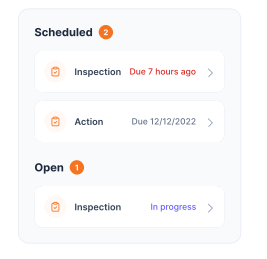

See completion, pass rate, and recurring findings across every checklist and every site, without pulling spreadsheets together at the end of the month.
Hand-picked templates for your specific industry needs.

Catch defects before handover and generate punch list reports in minutes.

Kitchen snagging: cabinets, worktops, appliances, tiling, plumbing, and electrical checks.

Bathroom snagging: tiling, sanitaryware, plumbing, ventilation, and finish quality.
Check every anchor, connection and strengthened element against the drawings, with photos, before it is covered. See it in 30 minutes.
It covers the retrofit work and the existing structure it connects to. That includes checking existing conditions against the design assumptions, new or strengthened shear walls, bracing and frames, diaphragms and collectors, anchors and connections, foundations and the load path, construction materials, any nonstructural seismic items in scope, and the testing and special inspection records. The last section records findings with a location, drawing reference, photo and owner, and confirms the completed work matches the approved documents, or approved changes, before closeout.
No. Seismic retrofit requirements depend on the building type, the jurisdiction, the adopted code and the retrofit design, so no single set of values applies to every project. The checklist asks the inspector to verify each item against the approved retrofit drawings and project requirements instead. Anchor sizes, embedment, test loads and inspection frequencies come from those documents and from the existing building code the jurisdiction has adopted, which in many places is based on the IEBC. Where the documents are unclear, the question goes to the engineer of record.
A seismic evaluation assesses an existing building to find its seismic deficiencies and decide whether a retrofit is needed. A post-earthquake inspection assesses damage after an event. This checklist comes later than an evaluation and has a different purpose: it inspects retrofit work that has already been designed and approved, to confirm it is built as drawn. It is also sometimes called an earthquake retrofit inspection, and it is used at each stage of construction and again at completion, not after a quake.
It depends on the project and the jurisdiction. The contractor's own quality team usually checks the work first. Where the code or the approved documents require it, special inspectors check specific items such as anchors, welding or concrete, and the engineer of record carries out structural observation of the overall system. The building official may inspect at set stages. This checklist gives each of them a consistent record, so findings from one inspection are visible and closed out before the next stage begins.
Inspectors complete the checklist on a phone or tablet at each stage, even in basements and crawl spaces without signal. Each anchor, connection or element gets a photo, a location and a drawing reference, so the record shows exactly what was installed before it was covered. Findings become corrective actions with an owner and a due date, and managers see open items across every building in one dashboard. At closeout the full inspection history exports as a single report for the engineer and the owner.

A seismic retrofit inspection checklist is used to check that retrofit work on an existing building is built the way the approved retrofit drawings show. It covers existing conditions, new walls and bracing, diaphragms, anchors and connections, the load path to the foundation, and the testing and special inspection records. Acceptance criteria come from the project documents and the adopted code, not from the checklist.
A seismic retrofit inspection checklist gives the inspector, engineer or contractor one record of whether retrofit work matches the approved design. The work is usually hidden soon after it is installed, so the checklist follows the job by stage: confirm the existing structure matches the design assumptions, check each new wall, brace and frame, verify anchors and connections before they are covered, and confirm the load path reaches the foundation. Every finding is tied to a location and a drawing reference.
Seismic strengthening of an existing building depends on details that are easy to get wrong in the field: an anchor at the wrong embedment, a missing hold-down, a collector cut for a new duct. The checklist does not set design values, anchor capacities or test frequencies. Those come from the approved retrofit documents, the existing building code adopted by the jurisdiction and the project's special inspection and testing requirements.
The hold-downs were installed on a Friday and the drywall went up on Monday. Nobody photographed the anchors, so when the engineer asks whether the embedment matched the detail, the only answer is to open the wall.
Retrofit work hides quickly, and a single missing connection can break the load path the whole design depends on. Inspecting each element against its drawing, with a dated photo, is what proves the work before it disappears.
Retrofit work is only as strong as its weakest connection. A structured inspection helps you:
A complete retrofit inspection record covers the work from existing conditions to closeout:
Run the checklist at each inspection stage of the retrofit:
See how this checklist fits into Construction inspection software.
This checklist runs as a mobile inspection app that works fully offline on site, with AI-powered defect detection on every photo. To see it on your own workflows, talk to our team.