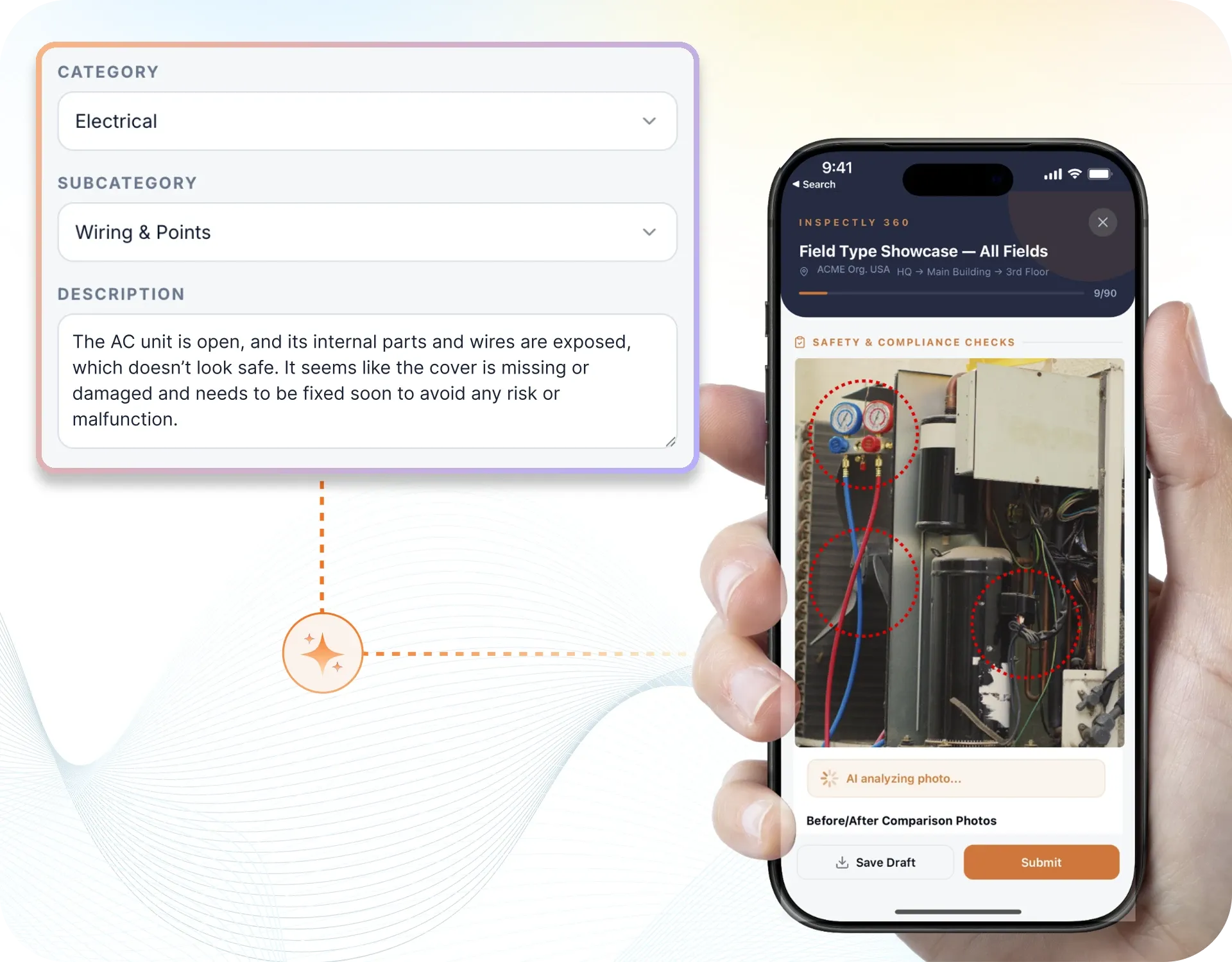
Take a Photo. AI Fills the Form
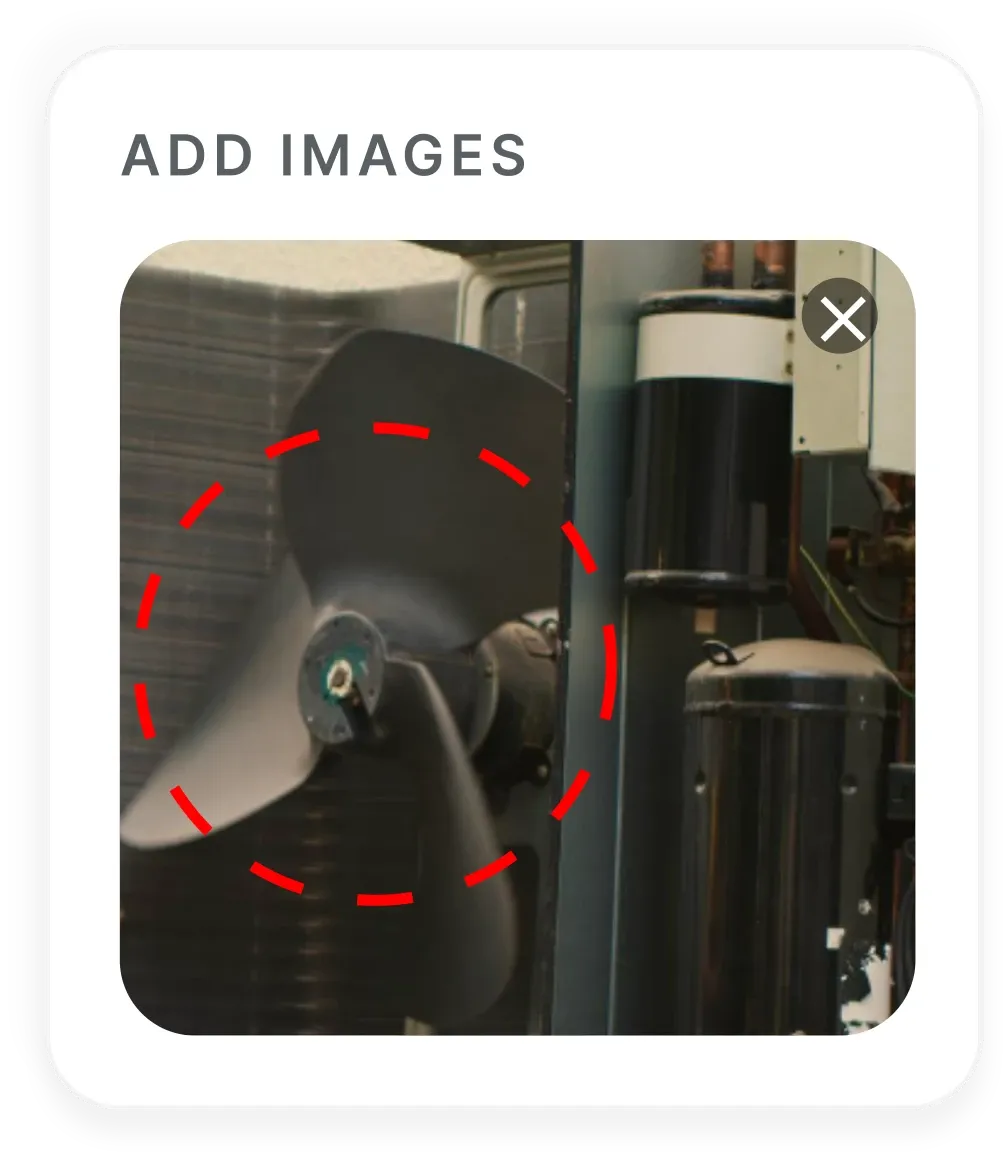
Your inspector takes a photo of any asset or defect. AI reads it and fills the inspection form automatically. No typing. No manual entry.

Use this mold inspection checklist to inspect property details and scope, reported concerns and history, visible mold and suspect growth, odors and moisture-damaged materials, moisture readings and mapping, and water intrusion and plumbing, scoring each item and raising corrective actions with owners and due dates.

Customize with your logo and company details.
Available on App
Run inspections on iOS and Android - no internet required. Capture photos, annotate defects, and generate reports in the field.
Run the Mold Inspection Checklist on the InspectWrk app instead of paper. Inspectors capture photo evidence, work offline, and assign corrective actions on the spot, and the report generates itself the moment the inspection is signed off.

Mold Inspection Checklist
Mold Inspection Checklist Dashboard
Prioritized actions to keep operations running smoothly today.
Total Revenue
$42,680
+12% compared to last month
Active Projects
128
+8 new this week
Open Requests
56
-15 resolved this week
Operational Target
You're on track to meet this month's operational goal.
Target Task
200 ↑
Complete Task
136 ↑
Pending Task
10 ↓
Monthly Performance
Recent Client Activity
Everything your field team does on paper, InspectWrk does automatically: faster, more accurate, and without the admin.
Your inspector takes a photo of any asset or defect. AI reads it and fills the inspection form automatically. No typing. No manual entry.
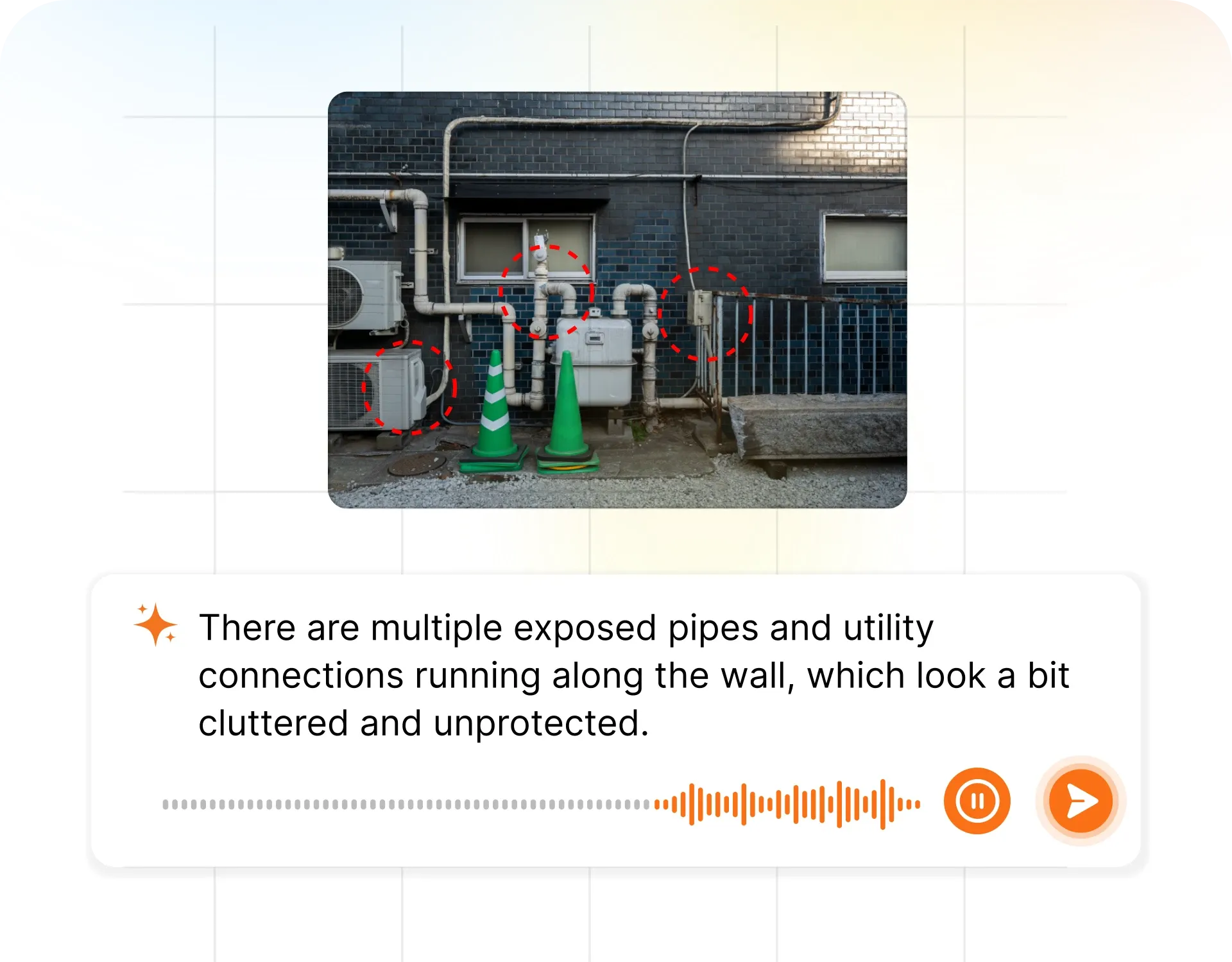
Inspectors speak their observations in any language. AI transcribes and fills the form in real time. Completely hands-free in the field.
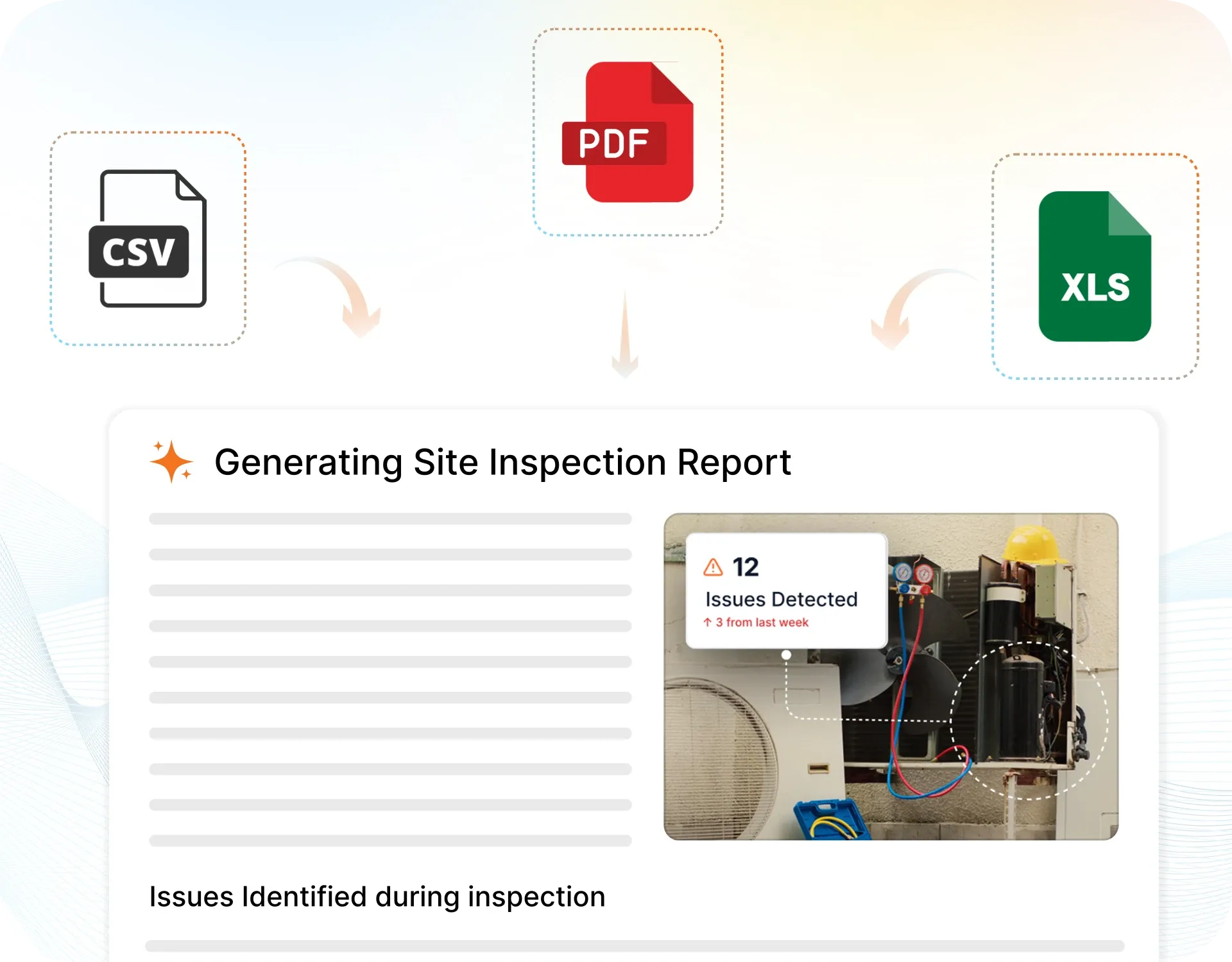
The moment an inspection is submitted, a branded PDF, Excel, or CSV report generates automatically. No manual work. No waiting.

InspectWrk integrates with the tools your team already uses, including Zoho, Microsoft 365, and SAP. No double entry.

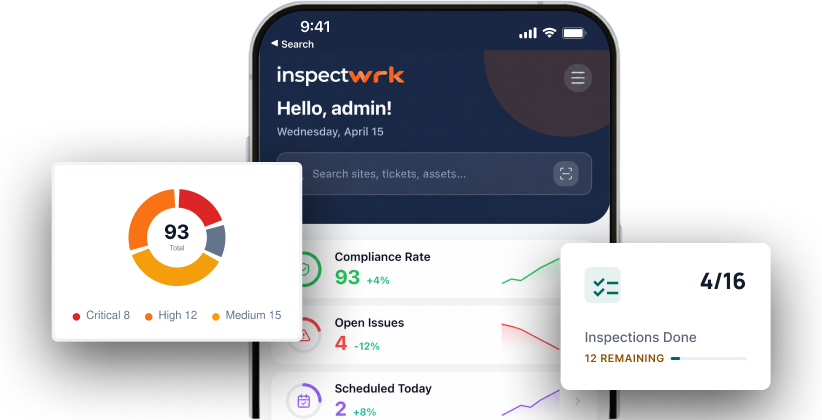
Your operations team sees completion rates, open issues, and compliance scores across all sites in real time. No chasing updates.
Manage every checklist in one connected workspace, capture evidence on mobile at the point of work, and let AI turn field inputs into clear, stakeholder-ready reports in minutes.

See which checklists your team has in progress across every site, jump into the same inspection with one tap, and keep field, supervisor, and back-office views in sync without sending screenshots on WhatsApp.


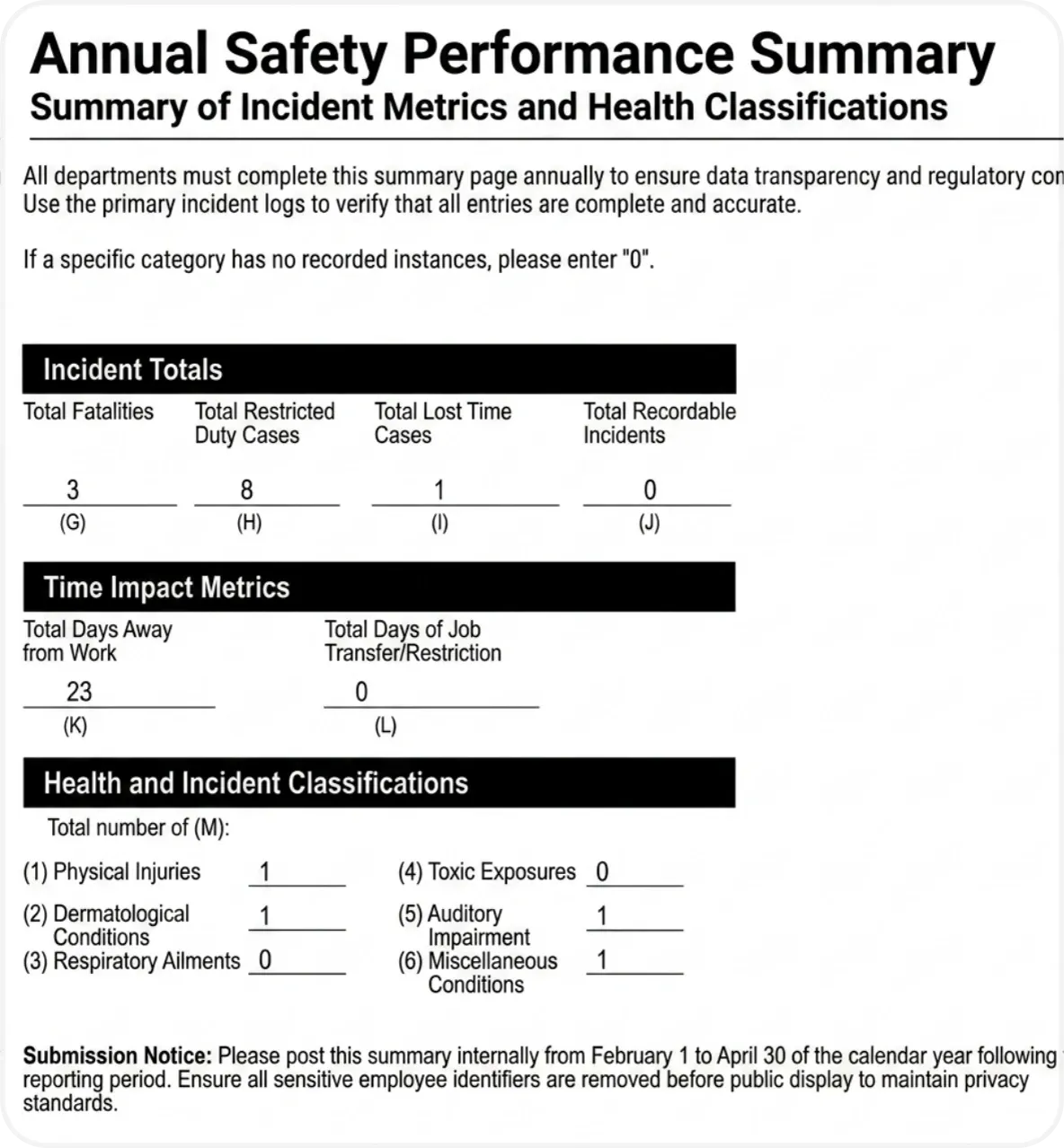


Every team reports differently. Build the report your operations, quality, or compliance leads actually want to read, share it as a branded PDF, and schedule delivery to the stakeholders who need it.

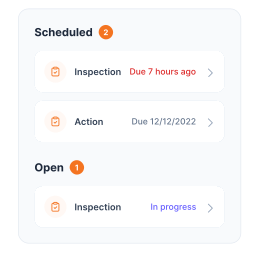

See completion, pass rate, and recurring findings across every checklist and every site, without pulling spreadsheets together at the end of the month.
Hand-picked templates for your specific industry needs.

Standard site-level inspections for construction, safety, and compliance.

Inspect assets and equipment: condition, location, photos, and maintenance history.

Run the Maintenance Checklist on the InspectWrk app to capture photo evidence per finding and generate audit-ready reports.
A structured list an inspector works through to look for visible mold, moisture damage and the water sources behind them. It records where each problem is, the materials affected, moisture readings and photos, and ends with findings and recommended next steps. It supports the inspector's judgment; it does not identify mold species or assess health effects.
The scope and any areas that could not be accessed, reported concerns and history, visible suspect growth, musty odors and moisture-damaged materials, and moisture readings. It should also check likely water sources such as leaks, condensation and ventilation, wet areas, basements, crawlspaces and HVAC drain pans where present, and concealed areas where access permits. Each finding needs a location, a likely moisture source and a recommendation.
Yes, where a suitable meter is available. Readings help show how far moisture extends beyond the visible damage and whether an area is still wet. Record the reading, the material and the location, plus a reference reading from a similar unaffected material. A reading on its own does not prove mold is present, and the checklist does not set pass or fail limits.
No. Whether sampling is useful depends on the inspection scope and the questions being asked. US EPA guidance notes that sampling is often unnecessary when mold is visible, and that there are no federal limits for mold spores. Where the scope includes sampling or further testing, this checklist records the areas identified for it; the sampling itself follows a separate process.
When the inspection finds growth that needs to be removed, or moisture problems that could not be fully assessed, the checklist records a recommendation and a referral. The moisture source should be identified and corrected as part of remediation, which is carried out as a separate process with its own checklist. A follow-up inspection can then confirm the area is dry and the problem has not returned.

A mold inspection checklist guides an inspector through a property to find visible suspect mold growth, moisture damage and the water sources behind them. It records where growth and damage are found, the materials affected, moisture readings, likely causes and recommended next steps. It does not identify mold species or assess health effects.
A mold inspection checklist gives facilities and property teams a consistent way to inspect a building for mold and the moisture problems that cause it. The inspector works area by area: walls, ceilings, floors, windows, wet areas, basements and crawlspaces, HVAC equipment and concealed spaces where access permits. Each observation is tied to a location, the affected material and a photo, so the record shows exactly what was found and where.
Mold needs moisture, so the checklist gives as much weight to water as to growth: leaks, condensation, ventilation, water intrusion through the roof or walls, and moisture readings compared with an unaffected reference. Inspect against applicable local requirements, building requirements, client requirements and relevant professional guidance. Where remediation is warranted, the checklist records the referral and the moisture source to correct, and leaves the remediation work itself to a separate process.
A tenant reports a musty smell, someone wipes the visible spots in the bathroom, and the ticket is closed. Three months later the growth is back, because nobody checked the leaking seal behind the shower or the exhaust fan that stopped working.
Without readings, photos and a recorded moisture source, each visit starts from scratch and nobody can show what was found or what was fixed.
An odor complaint or a patch of growth is usually the symptom. A structured mold inspection helps you:
A complete mold inspection covers the property from reported concerns to recommendations:
Work through the inspection in this order:
See how this checklist fits into Facility management software.
This checklist runs as a mobile inspection app that works fully offline on site, with AI-powered defect detection on every photo. To see it on your own workflows, talk to our team.