01 / 05Photo to formVISION AI
Take a Photo. AI Fills the Form.
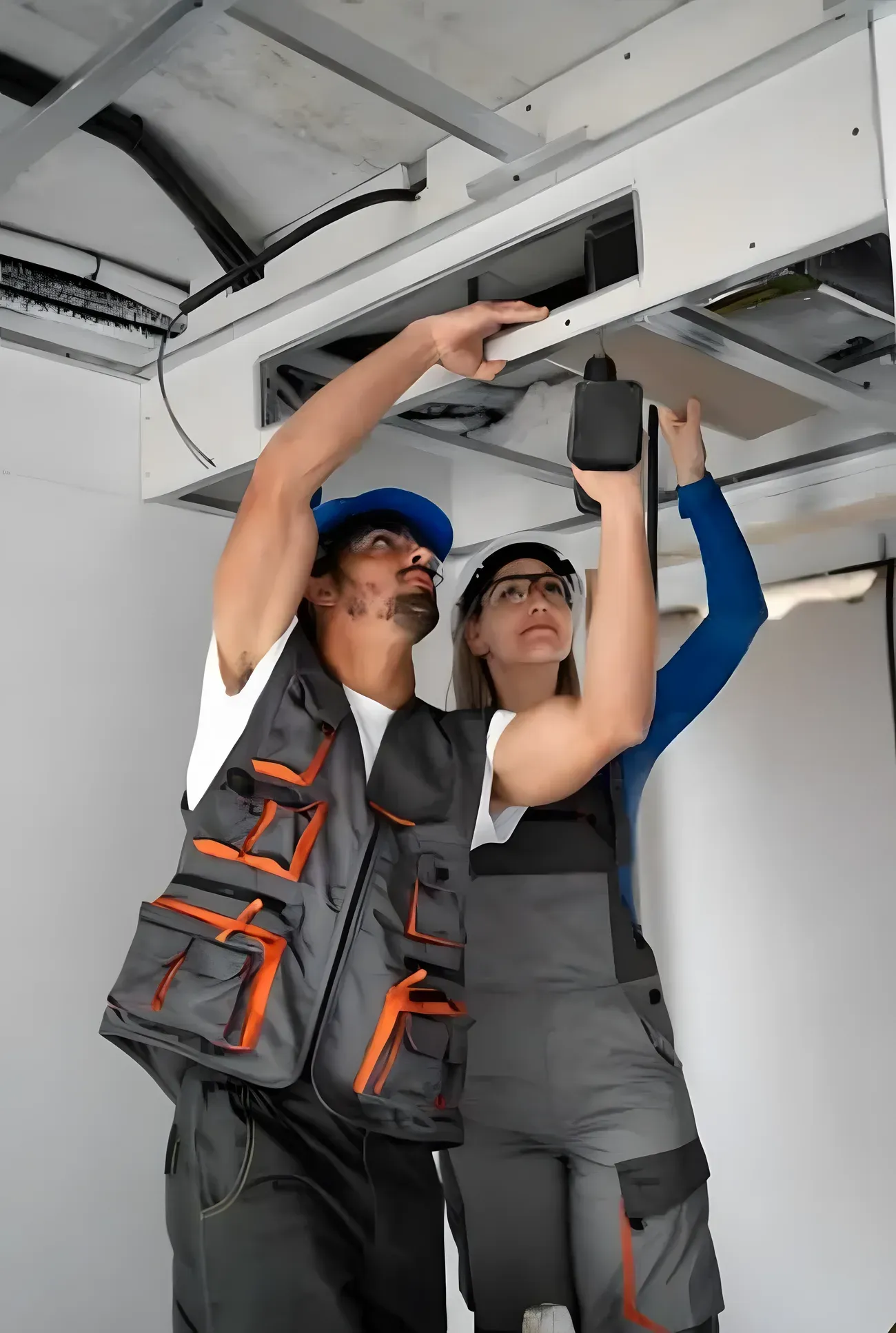
Your inspector takes a photo of any asset or defect. AI reads it and fills the inspection form automatically.
No typing. No manual entry.

Use this site inspection checklist to run checks on workers have a safe route, site fenced and secure, members of the public, traffic routes kept clear, vehicles have visual and reversing, and site tidy and well laid, logging issues with photos and notes and assigning corrective actions before sign-off.
1 section31 questions28 to 53 minutesFree
 Photo AddedPhoto AddedPhoto Added
1 section · 31 questions · 28 to 53 minutes · Free
Do workers have a safe route to their place of work?
Is the site fenced and secure so that the public cannot gain access?
Are members of the public, such as people passing by the site, protected e.g. from falling materials, and moving machines?
Are traffic routes kept clear and are they well-lit?
Do vehicles have visual and reversing aids fitted where needed e.g. reversing camera, convex mirror?
Is the site tidy and well laid out?
Are appropriate safety signs in place e.g. traffic routes, authorized personnel, PPE?
Are welfare facilities e.g. toilets and canteen, adequate and are they kept clean?
Are First-Aid facilities in place and do workers know where they are?
Have workers been instructed and trained on safe manual handling?
Is appropriate lifting equipment provided for handling heavy loads; is it suitable for the job, certified and inspected regularly?
Have existing services been identified and protected e.g. overhead or buried electricity or gas lines?
Are electrical systems and equipment maintained and frequently inspected by a competent person?
Is the only power supply being used 110V and are there adequate transformer points on site?
Are collective measures in place to stop workers and objects from falling e.g. netting, or scaffolding?
Are scaffolds erected, altered, and dismantled by competent CSCS scaffolders?
Are scaffolds inspected at least weekly by a competent person and are the results recorded?
Are any remedial works identified during scaffold inspections complete?
Where collective fall protection measures are not possible, are persons working at height using appropriate fall arrest/restraint equipment?
Are ladders and stepladders used only for light work of short duration and when there is no other choice?
Have lifts and hoists been properly installed, certified, and checked by competent people?
Are all people on site wearing the correct personal protective equipment e.g. footwear and hard hat?
Are suitable protective measures being used to prevent or reduce exposure to dust e.g. wood, cement, and silica?
Are suitable protective measures being used to prevent or reduce exposure to noise and vibration?
Is work equipment, plant, and machinery maintained in a safe condition and is it inspected regularly by competent persons?
Are plant and machinery safety devices kept in good working order e.g. sound signals, guards?
Are excavations adequately supported to reduce the risk of collapse and are they inspected before work starts and given a thorough examination by a competent person weekly and after alterations?
Are people working on-site in possession of a valid Safe Pass card and have they been inducted?
Are workers suitably trained and in possession of a valid CSCS card where applicable?
Do all employees get information about potential risks and control measures in a language and at a level that they understand?
Are there systems in place for consultation with workers on safety, health, and welfare matters and to support the safety representative?
Three steps, about 28 to 53 minutes.
Section by section, one check at a time.
Tap Fail, add a photo, assign who fixes it.
The report is ready the moment you finish.
Paper for a one-off check. The app when every finding needs fixing.
Branded checklist
Customize with your logo and company details.
Quick answer
A site inspection checklist is the structured inspection used to confirm the asset or process in scope remains serviceable, covering workers have a safe route, site fenced and secure, members of the public, traffic routes kept clear, vehicles have visual and reversing, and site tidy and well laid that facilities management teams use to check the key inspection points, assign owners to any failures, and close them with photo proof. Completed in InspectWrk, it is timestamped, works offline, and exports as an audit-ready facilities management report for OSHA, ISO 41001 and fire NOC and lift license requirements.
A site inspection checklist is the structured inspection used to confirm the asset or process in scope remains serviceable, covering workers have a safe route, site fenced and secure, members of the public, traffic routes kept clear, vehicles have visual and reversing, and site tidy and well laid that facilities management teams use to check workers have a safe route, site fenced and secure, members of the public, traffic routes kept clear, vehicles have visual and reversing, and site tidy and well laid, capture photo evidence, and track corrective actions to closure.
Centre managers, Facility managers and AFM and CE teams still miss unverified defects and repeat findings when rounds are ticked without service tags.
Without service tags, teams reconstruct the evidence from phones instead of proving OSHA, ISO 41001 and fire NOC and lift license requirements readiness.
It helps centre managers and supervisors keep facilities management work consistent, safe, and auditable, with the evidence needed for OSHA, ISO 41001 and fire NOC and lift license requirements:
A complete site inspection checklist works through workers have a safe route, site fenced and secure, members of the public, traffic routes kept clear, vehicles have visual and reversing, and site tidy and well laid, then records inspection context, scored checkpoints, and evidence with corrective actions:
Record where and when the inspection runs:
Define what each checkpoint verifies and how results are scored:
Make every finding traceable and actionable:
Follow these steps to run the site inspection checklist:
See how this checklist fits into Site inspection software and Facility management software.
This checklist runs as a mobile inspection app that works fully offline on site, with AI-powered defect detection on every photo. To see it on your own workflows, talk to our team.
Submit an inspection and AI writes the PDF report and Excel sheet for you. No admin, no waiting.
Your inspector takes a photo of any asset or defect. AI reads it and fills the inspection form automatically.
No typing. No manual entry.
Inspectors speak their observations in any language. AI transcribes and fills the form in real time.
Completely hands-free in the field.
The moment an inspection is submitted, AI summarises the findings and builds a branded PDF report and an Excel sheet for you.
No manual reporting. No copy-paste.
InspectWrk integrates with the tools your team already uses, including Zoho, Microsoft 365, and SAP.
No double entry.
Your operations team sees completion rates, open issues, and compliance scores across all sites in real time.
No chasing updates.
See which checklists your team has in progress across every site, jump into the same inspection with one tap, and keep field, supervisor, and back-office views in sync without sending screenshots on WhatsApp.
Every team reports differently. Build the report your operations, quality, or compliance leads actually want to read, share it as a branded PDF, and schedule delivery to the stakeholders who need it.
See completion, pass rate, and recurring findings across every checklist and every site, without pulling spreadsheets together at the end of the month.
See this checklist running on your own sites in a 30-minute demo.
Book a Free DemoIt is scoped to the scheduled cadence and controls that centre managers, facility managers, AFM and CE teams, operations directors run, not a one-off handover walk. It prompts workers have a safe route, site fenced and secure, members of the public, traffic routes kept clear, vehicles have visual and reversing, and site tidy and well laid, watching for unverified defects and repeat findings, records pass, fail, or N/A with service tags on critical items, and raises corrective actions with owners before sign-off. Run in InspectWrk, the record is timestamped and rolls into trend reports so repeat failures surface before the next audit.
They work through each checkpoint to confirm the asset or process in scope remains serviceable, covering workers have a safe route, site fenced and secure, members of the public, traffic routes kept clear, vehicles have visual and reversing, and site tidy and well laid, confirm the required controls are in place, and capture service tags on anything that fails or needs proof. Priority failure modes include unverified defects and repeat findings. Each checkpoint takes pass, fail, or N/A, and a failed item stays open until the fix is verified.
It expects service tags, plus service tags on failed or critical items, so findings rest on proof rather than memory. Records support OSHA, ISO 41001 and fire NOC and lift license requirements, and every photo, note, and sign-off stays attached to the inspection instead of living in chat threads.
The site inspection checklist covers workers have a safe route, site fenced and secure, members of the public, traffic routes kept clear, vehicles have visual and reversing, and site tidy and well laid. On each checkpoint, centre managers record pass, fail, or N/A, add a photo on anything that needs proof, and raise a corrective action with an owner and due date. Run in InspectWrk, the inspection is timestamped, traceable to whoever completed it, and exports as a single facilities management report aligned to OSHA, ISO 41001 and fire NOC and lift license requirements.

Complete work orders with checklist items, photos, and sign-off.

Inspect assets and equipment: condition, location, photos, and maintenance history.

Run the Maintenance Checklist on the InspectWrk app to capture photo evidence per finding and generate audit-ready reports.

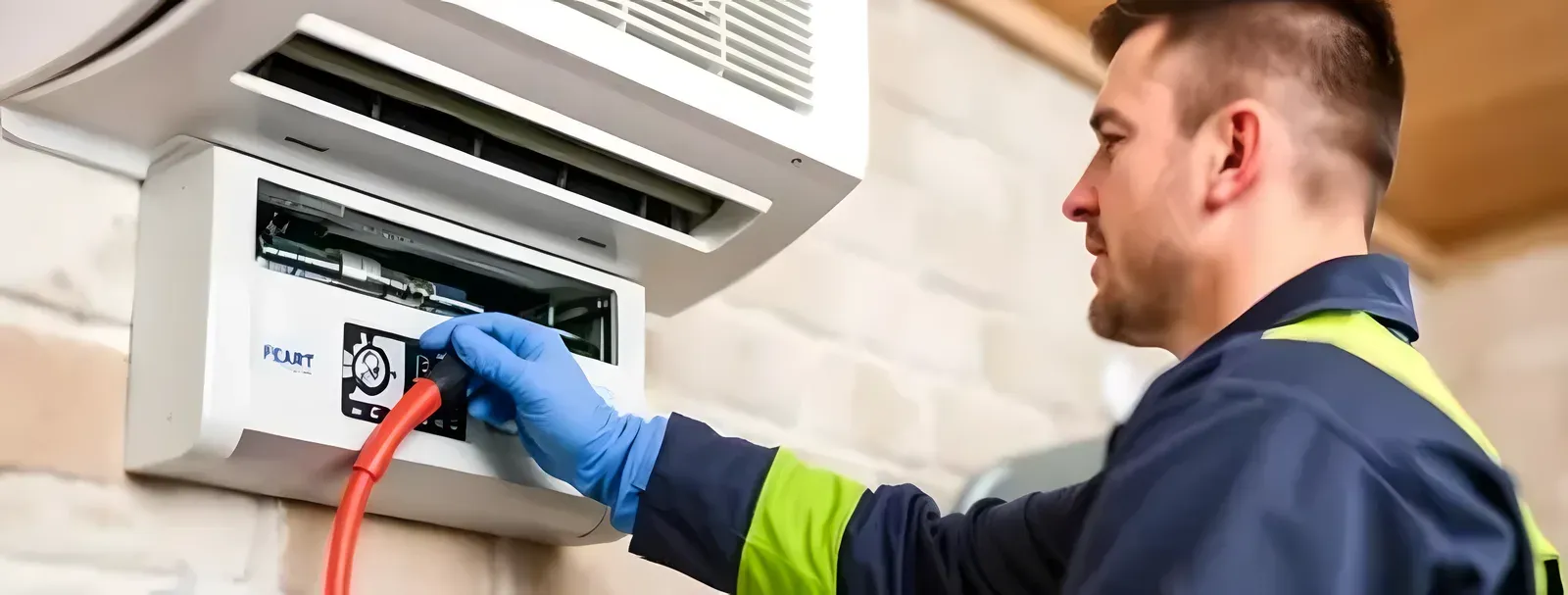
Inspect rooftop HVAC units end to end: filters, coils, belts, fans, motors, electrical connections, drainage, and thermostat operation, with photo evidence and corrective actions.