Take a Photo. AI Fills the Form
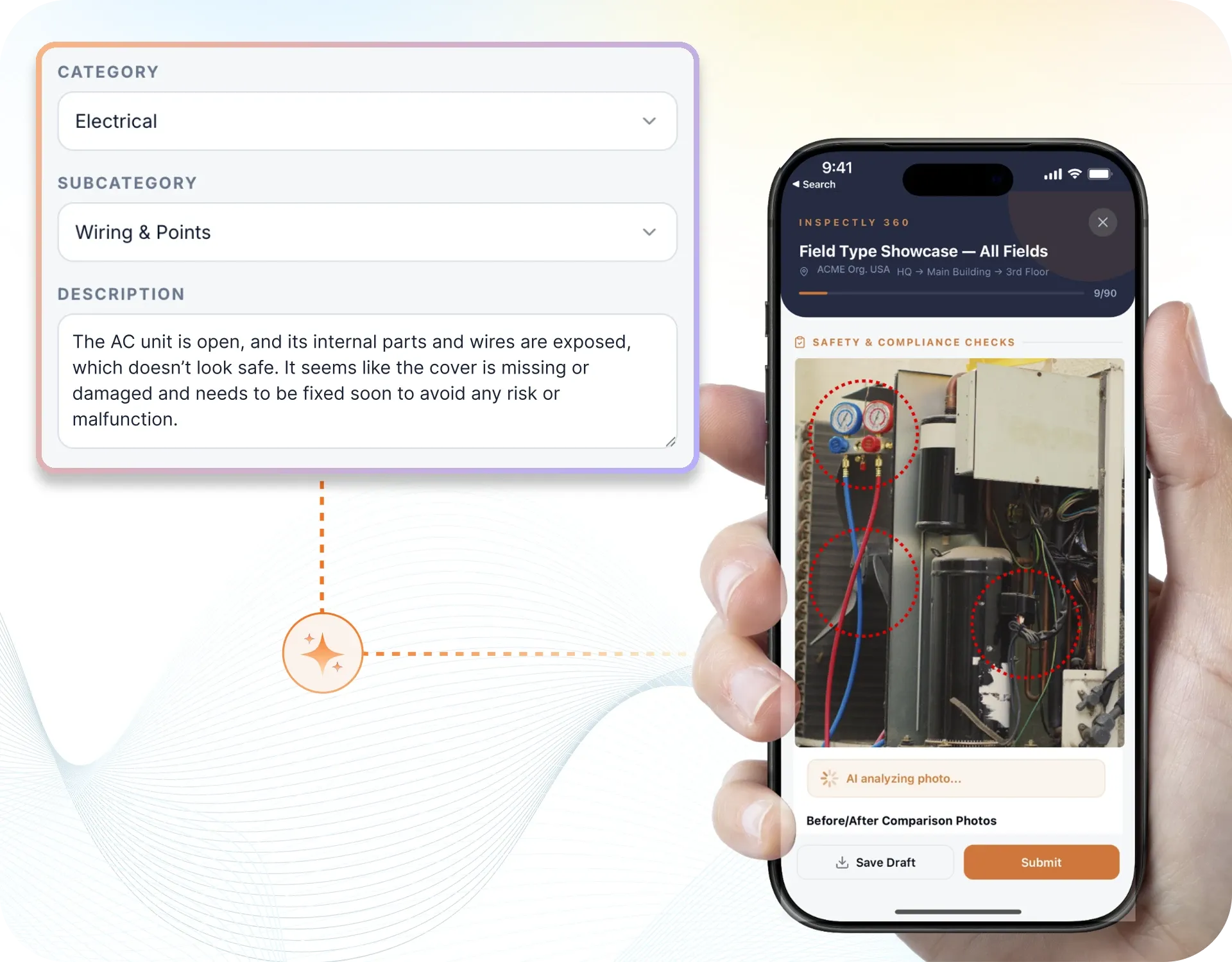
Your inspector takes a photo of any asset or defect. AI reads it and fills the inspection form automatically. No typing. No manual entry.

Convert your checklist into Mobile App
Browse by use case or industry, or see what other teams use most.
Book 30 minutes to discuss your challenges and see how InspectWrk digitizes operations with mobile apps, automated reporting, and real-time dashboards.
Use this ccp validation checklist to run checks on CCP and hazard, critical limit and scientific basis, monitoring capability, validation outcome and gaps, and revalidation and records, logging issues with photos and notes and assigning corrective actions before sign-off.

Customize with your logo and company details.
Available on App
Run inspections on iOS and Android - no internet required. Capture photos, annotate defects, and generate reports in the field.
Run the CCP Validation Checklist on the InspectWrk app instead of paper. Inspectors capture photo evidence, work offline, and assign corrective actions on the spot, and the report generates itself the moment the inspection is signed off.

CCP Validation Checklist
CCP Validation Checklist Dashboard
Prioritized actions to keep operations running smoothly today.
Total Revenue
$42,680
+12% compared to last month
Active Projects
128
+8 new this week
Open Requests
56
-15 resolved this week
Operational Target
You're on track to meet this month's operational goal.
Target Task
200 ↑
Complete Task
136 ↑
Pending Task
10 ↓
Monthly Performance
Recent Client Activity
Everything your field team does on paper, InspectWrk does automatically: faster, more accurate, and without the admin.
Your inspector takes a photo of any asset or defect. AI reads it and fills the inspection form automatically. No typing. No manual entry.
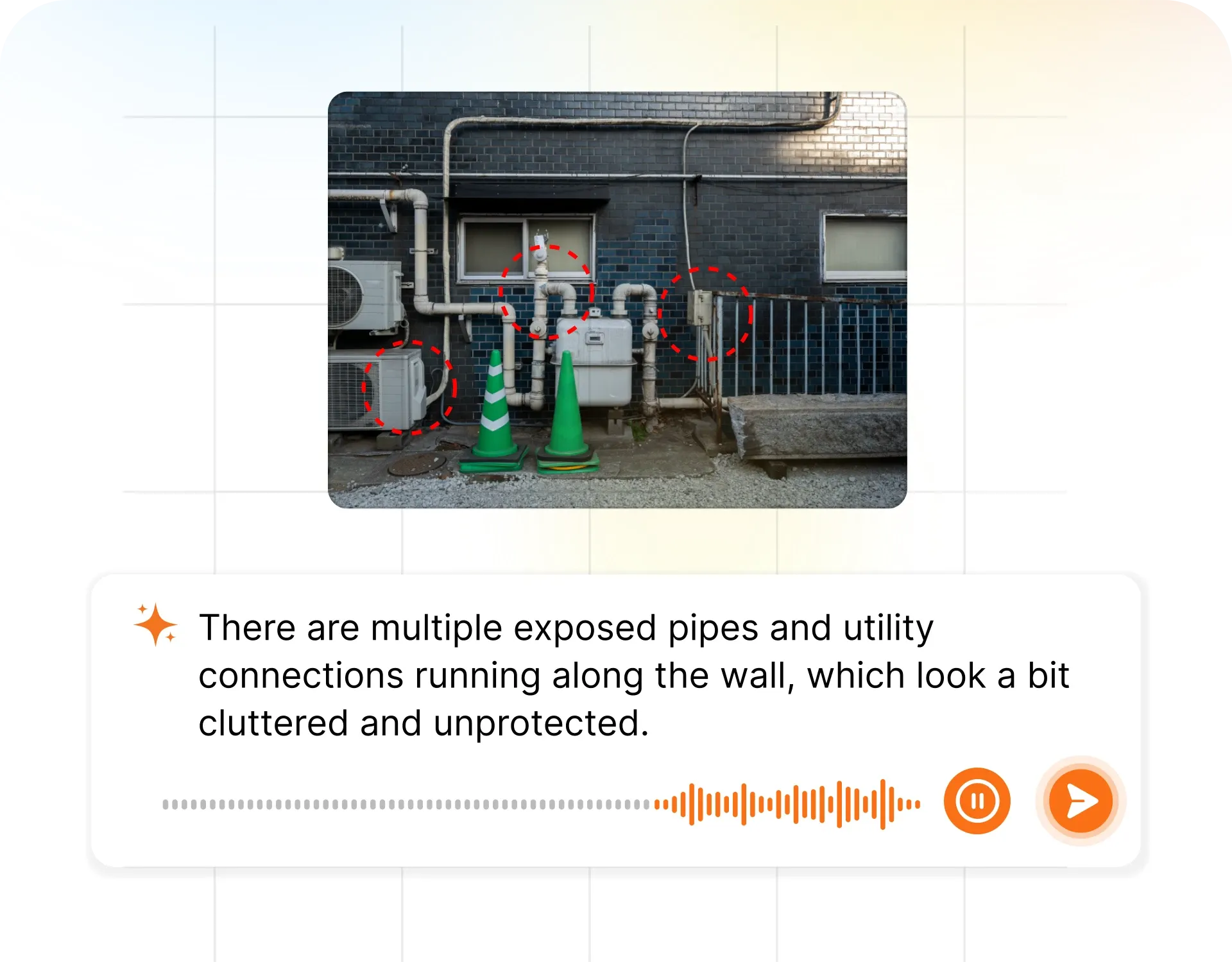
Inspectors speak their observations in any language. AI transcribes and fills the form in real time. Completely hands-free in the field.
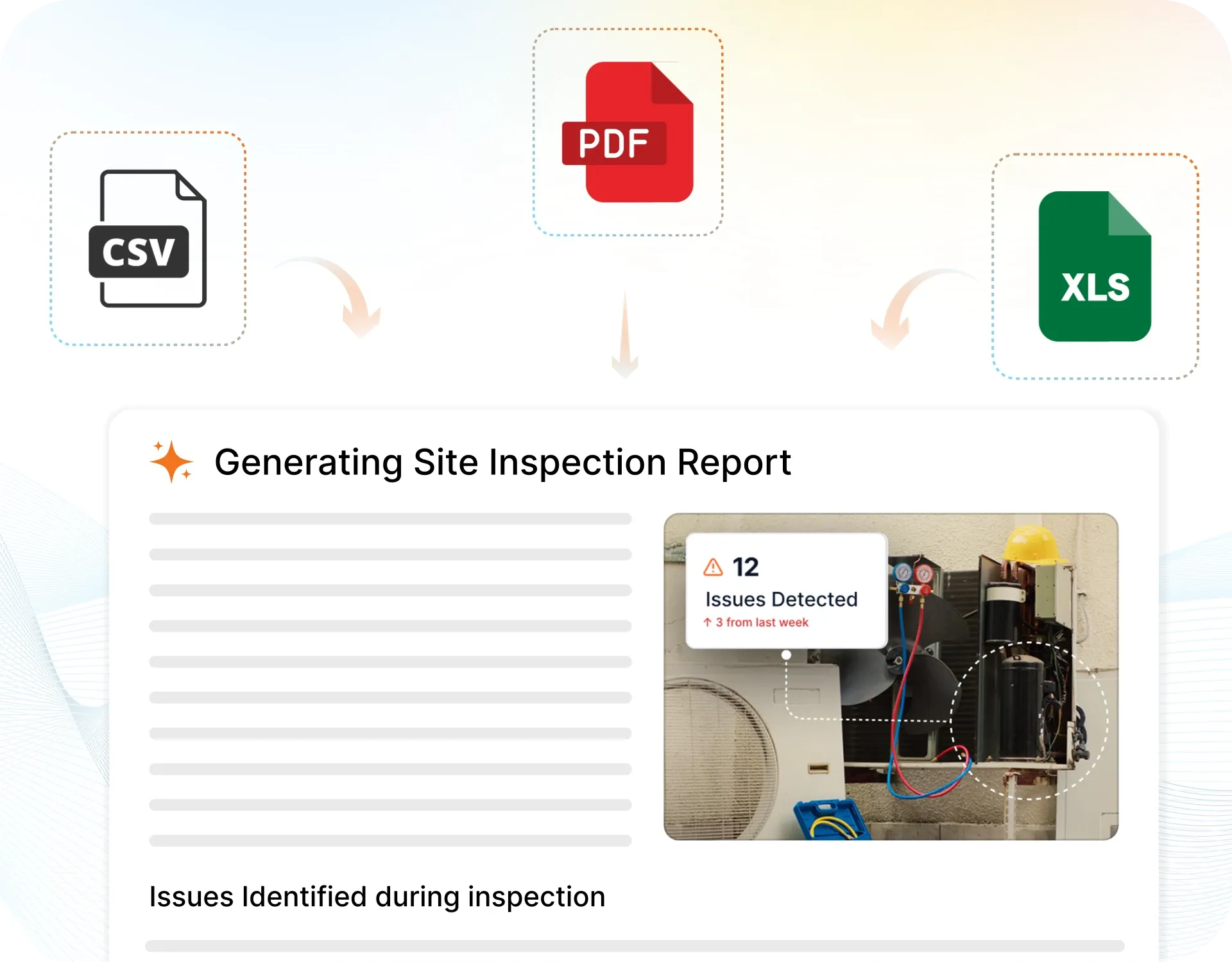
The moment an inspection is submitted, a branded PDF, Excel, or CSV report generates automatically. No manual work. No waiting.

InspectWrk integrates with the tools your team already uses, including Zoho, Microsoft 365, and SAP. No double entry.
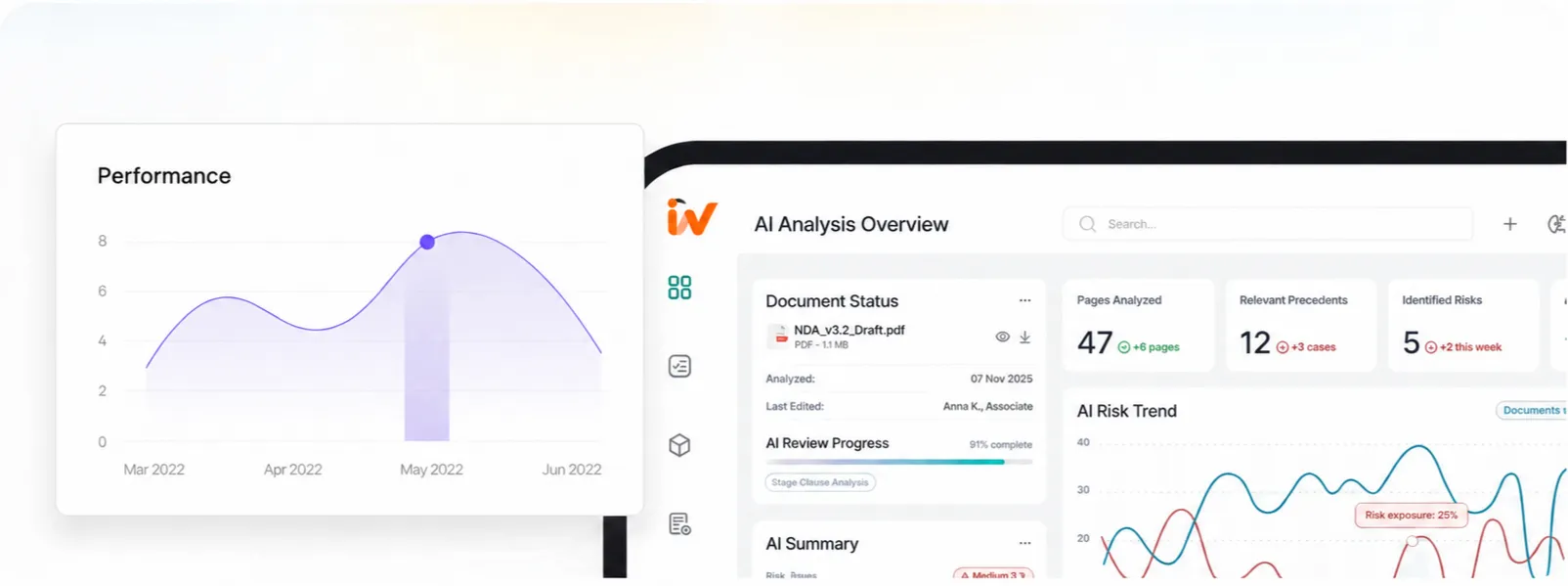
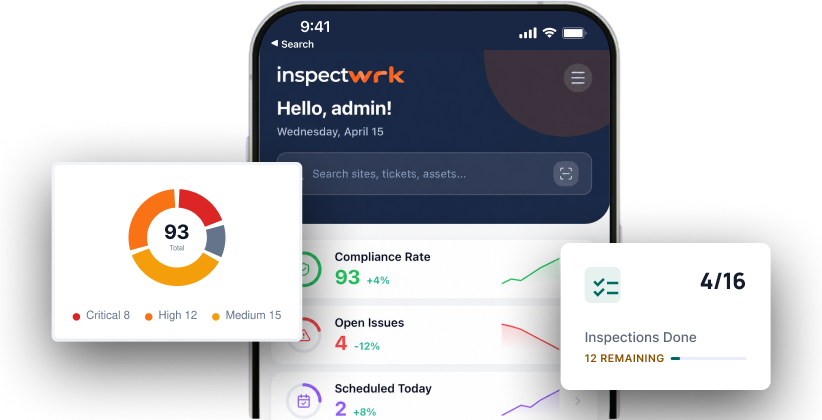
Your operations team sees completion rates, open issues, and compliance scores across all sites in real time. No chasing updates.
Manage every checklist in one connected workspace, capture evidence on mobile at the point of work, and let AI turn field inputs into clear, stakeholder-ready reports in minutes.


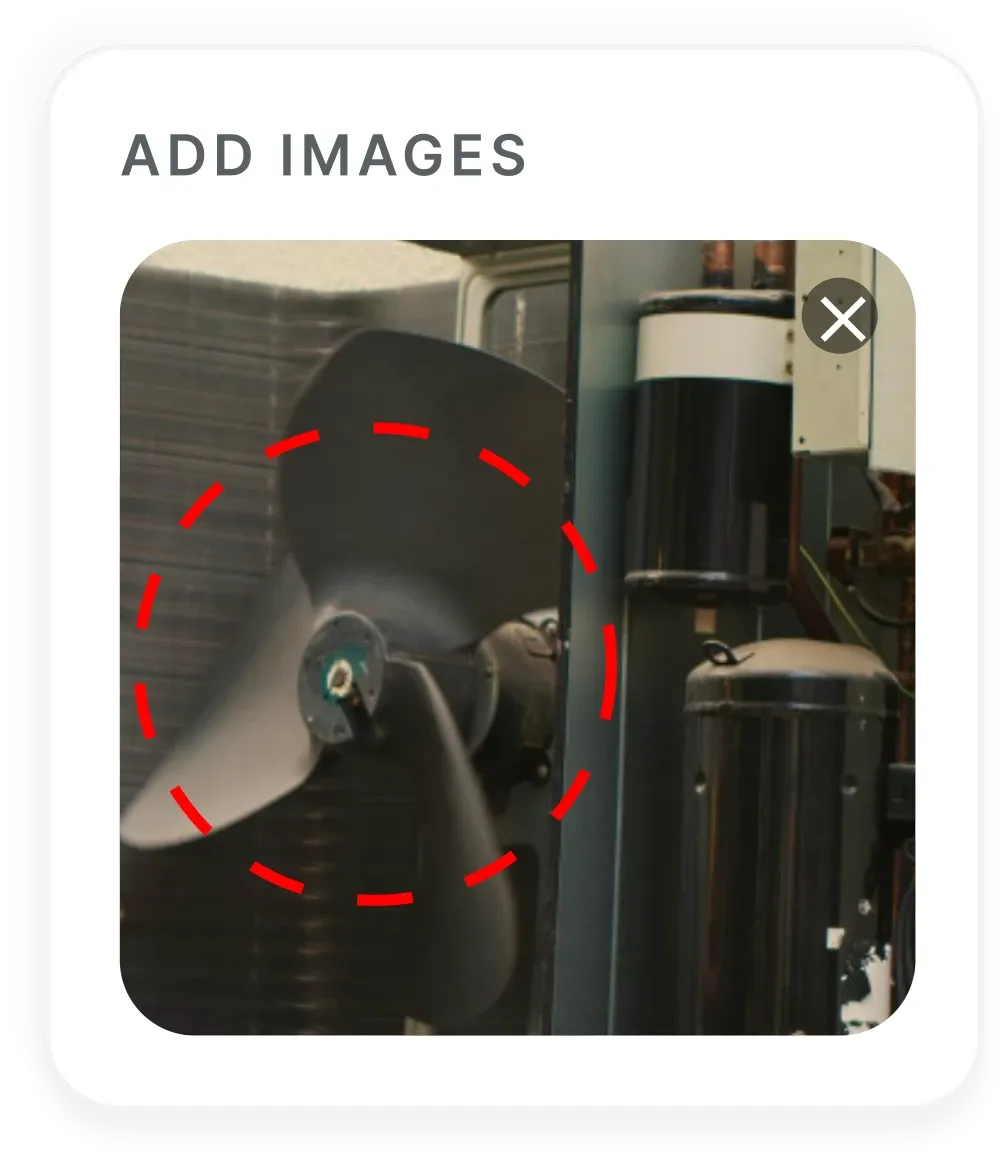
See which checklists your team has in progress across every site, jump into the same inspection with one tap, and keep field, supervisor, and back-office views in sync without sending screenshots on WhatsApp.


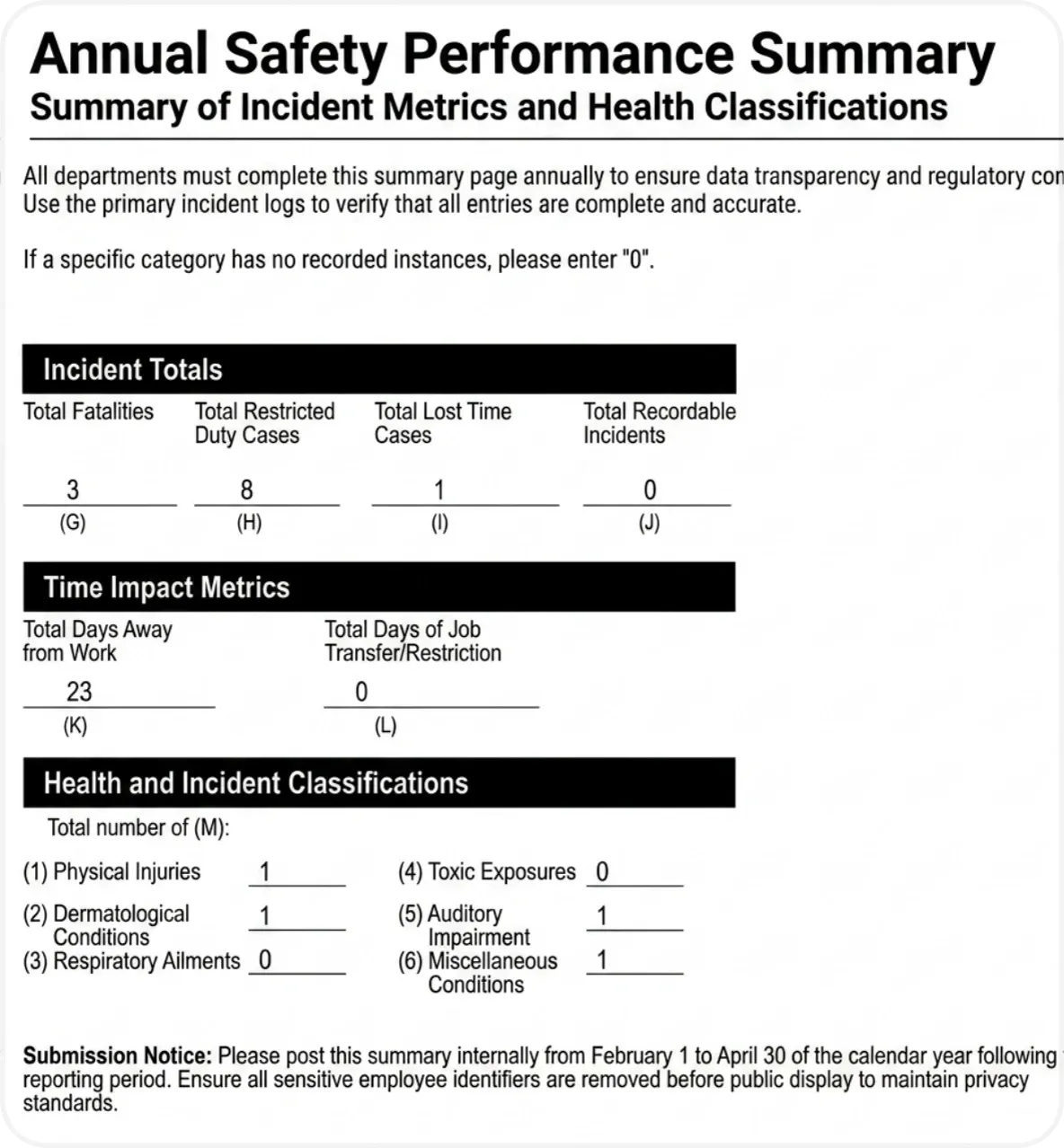


Every team reports differently. Build the report your operations, quality, or compliance leads actually want to read, share it as a branded PDF, and schedule delivery to the stakeholders who need it.


See completion, pass rate, and recurring findings across every checklist and every site, without pulling spreadsheets together at the end of the month.
Hand-picked templates for your specific industry needs.

Food safety and hygiene inspections: temperature checks, cleanliness, HACCP points, and corrective actions.

Inspect a commercial refrigerator end to end: temperature, thermostat and control, door and gasket, shelving, condenser, evaporator, compressor, fans, defrost system, drain, electrical condition, cleanliness, and frost or ice, with alarms and maintenance records.

Inspect a walk-in cooler's refrigeration operation and storage environment: temperature and temperature display, door condition, door seals and closer, evaporator, condenser, fans, drainage, interior condition, shelving, lighting, and cleanliness, with deficiencies and corrective actions.

Inspect a commercial oven end to end: heating elements or burners, temperature controls, thermostat, door and gasket, hinges, gas and electrical connections, ignition, safety controls, racks, chamber, ventilation, and cleanliness, with photo evidence and corrective actions.
Confirm each critical limit is capable and evidenced, and keep the validation and revalidation trigger in one auditable place. See it in 30 minutes.
A CCP validation checklist confirms that a control measure at a critical control point, with its critical limit, is capable of controlling the food-safety hazard it targets. It is HACCP validation, focused on capability: whether sound evidence shows the control keeps the hazard in check when applied correctly. It reviews the CCP and hazard, the control measure and critical limit, the scientific or technical basis, the validation evidence, and the monitoring method, then records whether the control is validated, any gaps, corrective actions, and when revalidation is needed. It supports the HACCP team's decision and its records.
Validation asks whether a control is capable of controlling the hazard: is the critical limit sound and supported by evidence. Verification asks whether the control is actually being applied and monitored as intended, by reviewing records, frequencies, deviations, and corrective actions. Validation usually happens before the control is relied on and when the process changes; verification happens routinely. Keeping them separate matters, because a control can be verified as being done while never having been validated as capable, or validated but not actually carried out. Both are needed for a sound HACCP plan.
A CCP is usually revalidated when something that could affect the control changes: the product or its formulation, the process or equipment, the supplier or raw materials, the critical limit itself, or new scientific information about the hazard. Many teams also revalidate on a set review cycle and after a failure that suggests the control was not capable. The checklist records the revalidation trigger so it is clear when validation must be repeated, rather than assuming a limit set once remains valid indefinitely.
No. The checklist does not set critical limits or provide the scientific evidence behind them. Critical limits and their validation depend on your specific product, process, and hazard, and on evidence such as scientific literature, regulatory guidance, or in-house studies. The checklist gives the HACCP team a structured way to confirm that a limit and control measure are supported by evidence and capable of controlling the hazard, and to record gaps. Treat it as a way to organise and document validation, not as a source of critical limits.
In InspectWrk, CCP validation runs as a structured record rather than notes in a plan. The team works through the CCP, hazard, control measure, critical limit, evidence, and monitoring capability, records whether the control is validated, and captures gaps and corrective actions. The validation result, who approved it, and the revalidation trigger are stored in one place, timestamped and exportable, so the basis for each critical limit is easy to produce for an auditor and easy to revisit when the process changes.

A CCP validation checklist confirms that a food-safety control measure and its critical limit are capable of controlling the identified hazard. It is HACCP validation, done before a control is relied on or when a process changes, and it is distinct from verification, which confirms the control is actually carried out. It reviews the CCP and hazard, the control measure and critical limit, the scientific basis and validation evidence, and the monitoring method, then records whether the control is validated as capable, any gaps, corrective actions, and when revalidation is needed.
A CCP validation checklist is used to confirm that a control measure at a critical control point, together with its critical limit, is capable of controlling the food-safety hazard it targets. Validation is about capability: is there sound evidence that, applied correctly, this control keeps the hazard in check. It is deliberately separate from monitoring and from verification, which confirm the control is applied and checked day to day.
Working through the CCP and hazard, the control measure and critical limit, the scientific or technical basis, the validation evidence, and the monitoring method, the checklist records whether the control is validated, notes gaps, and captures corrective actions. Because validation depends on your process, product, and evidence, it is repeated when those change. The checklist supports the HACCP team's validation decision and its records; it does not replace the evidence or expertise that decision relies on.
Critical limits are sometimes carried over from an old plan, copied from another site, or set from memory. If there is no evidence that the limit actually controls the hazard, monitoring can show the process in control while the hazard is not. The gap only shows up in a failure or an audit, when someone asks for the basis of the limit and it is not there.
A CCP validation checklist fixes that by making the team confirm the control measure, the critical limit, and the evidence behind them, and by setting a clear trigger for revalidation when the process changes. It supports the HACCP validation decision without replacing the evidence that decision depends on.
Validation gives confidence that a CCP can actually control its hazard:
A complete validation review runs from the hazard to the revalidation trigger:
Confirm what is being validated:
Confirm the basis for the limit:
Confirm the control can be watched:
Record the result and the trigger:
Validate the control before relying on it:
See how this checklist fits into Food & Beverage inspection software.
This checklist runs as a mobile inspection app that works fully offline on site, with AI-powered defect detection on every photo. To see it on your own workflows, talk to our team.