01 / 05Photo to formVISION AI
Take a Photo. AI Fills the Form.
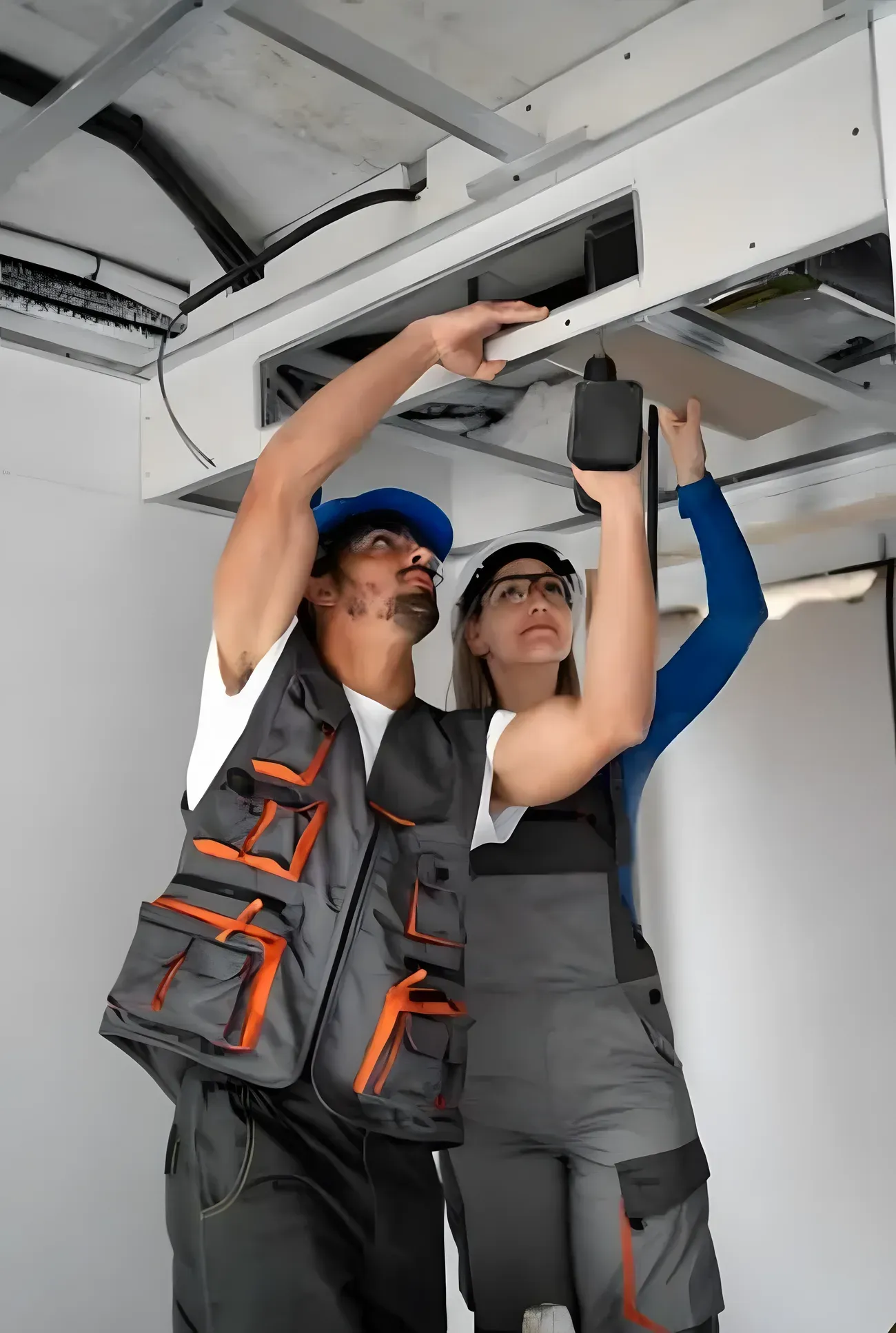
Your inspector takes a photo of any asset or defect. AI reads it and fills the inspection form automatically.
No typing. No manual entry.

Use this food safety training plan checklist to work through training needs and roles, topics and materials, onboarding and refresher, assessment and competency, and records, gaps and follow-up, capturing photo evidence per finding and tracking each fix through to closure.
5 sections15 questions16 to 30 minutesFree
 Photo AddedPhoto AddedPhoto Added
5 sections · 15 questions · 16 to 30 minutes · Free
Identify training needs across the team.
Map training to employee roles and food-handling responsibilities.
Confirm who needs which training.
Cover role-specific topics such as allergens, cross-contamination, hygiene, temperature control, cleaning, and illness reporting.
Confirm training materials are available and current.
Match topics to the risks of each role.
Deliver onboarding food-safety training to new staff.
Schedule refresher training for existing staff.
Confirm the refresher schedule is maintained.
Assess knowledge and practical competency after training.
Record attendance for each session.
Confirm competency before staff work unsupervised where required.
Keep training records for each employee.
Identify training gaps and overdue refreshers.
Set follow-up actions to close the gaps.
Three steps, about 16 to 30 minutes.
Section by section, one check at a time.
Tap Fail, add a photo, assign who fixes it.
The report is ready the moment you finish.
Paper for a one-off check. The app when every finding needs fixing.
Branded checklist
Customize with your logo and company details.
Quick answer
A food safety training plan checklist helps plan, deliver, document, and review food-safety training for employees. It is a training-program workflow, not a food inspection: identify training needs by role, cover role-specific topics such as allergens, cross-contamination, hygiene, temperature control, and cleaning, deliver onboarding and refresher training, assess knowledge and competency, record attendance and results, and track gaps and refreshers. It makes sure the right people get the right training and that there is a record of who was trained on what.
A food safety training plan checklist is used to plan and manage food-safety training across a team, from identifying who needs what through delivery, assessment, and records. Its purpose is a structured training program: the right topics for each role, delivered on time, assessed, and documented. It is a training-management workflow, distinct from a food-safety inspection or audit of the operation itself.
Working through training needs and roles, topics and materials, onboarding and refresher training, assessment and competency, and records, gaps, and follow-up, the checklist makes sure training is matched to roles and risks, delivered and assessed, and recorded. Because required training depends on roles, jurisdiction, and your food-safety plan, it records the program you run rather than prescribing a fixed curriculum.
Without a plan, training happens ad hoc: some new starters are trained, others are not, refreshers lapse, and no one is sure who has covered allergens or temperature control. The gap only appears when a mistake happens or an auditor asks for training records that cannot be produced.
A food safety training plan checklist fixes that by matching training to roles, keeping onboarding and refreshers on schedule, assessing competency, and recording who was trained on what, so gaps are visible and there is a record to show, rather than assuming everyone knows what they should.
A planned training program keeps food-safety knowledge current and provable:
A complete program runs from needs to records:
Plan the program:
Cover the right content:
Deliver on time:
Confirm and record:
Plan, deliver, and record the training:
See how this checklist fits into Food & Beverage inspection software.
This checklist runs as a mobile inspection app that works fully offline on site, with AI-powered defect detection on every photo. To see it on your own workflows, talk to our team.
Submit an inspection and AI writes the PDF report and Excel sheet for you. No admin, no waiting.
Your inspector takes a photo of any asset or defect. AI reads it and fills the inspection form automatically.
No typing. No manual entry.
Inspectors speak their observations in any language. AI transcribes and fills the form in real time.
Completely hands-free in the field.
The moment an inspection is submitted, AI summarises the findings and builds a branded PDF report and an Excel sheet for you.
No manual reporting. No copy-paste.
InspectWrk integrates with the tools your team already uses, including Zoho, Microsoft 365, and SAP.
No double entry.
Your operations team sees completion rates, open issues, and compliance scores across all sites in real time.
No chasing updates.
See which checklists your team has in progress across every site, jump into the same inspection with one tap, and keep field, supervisor, and back-office views in sync without sending screenshots on WhatsApp.
Every team reports differently. Build the report your operations, quality, or compliance leads actually want to read, share it as a branded PDF, and schedule delivery to the stakeholders who need it.
See completion, pass rate, and recurring findings across every checklist and every site, without pulling spreadsheets together at the end of the month.
See this checklist running on your own sites in a 30-minute demo.
Book a Free DemoIt helps plan, deliver, document, and review food-safety training for employees. It is a training-program workflow, not a food inspection: identify training needs by role, cover role-specific topics such as allergens, cross-contamination, hygiene, temperature control, and cleaning, deliver onboarding and refresher training, assess knowledge and competency, record attendance and results, and track gaps and refreshers. It makes sure the right people get the right training and that there is a record of who was trained on what, so food-safety knowledge stays current and provable.
Common topics include personal hygiene, cross-contamination prevention, allergen awareness, temperature control, cleaning and sanitation, and illness reporting, matched to each role's food-handling responsibilities. New starters need onboarding training, and existing staff need refreshers to keep knowledge current. The exact topics and required frequency depend on roles, your food-safety plan, and the applicable regulation, so the checklist records the program you run rather than prescribing a fixed curriculum. The aim is training that fits the risks each role actually handles.
A food-safety audit assesses whether the operation meets its food-safety requirements. A training plan is about building and maintaining staff knowledge: who needs training, on what, delivered when, and recorded. One measures the operation; the other develops the people. They connect, because trained staff are needed to pass an audit, but they are different activities. This checklist is the training-management workflow, not an audit of food-safety practices, though good training records support an audit.
Refresher frequency depends on roles, risk, your food-safety plan, and the applicable regulation, so it is set by your program rather than a single universal rule. Many operations schedule refreshers periodically and also retrain after a change in process, a recurring mistake, or a food-safety incident. The checklist keeps the refresher schedule visible and flags overdue training, so refreshers actually happen rather than lapsing. Confirm any mandatory training intervals against your food-safety plan and the applicable requirements.
In InspectWrk, the training plan runs as a structured record: needs are mapped to roles, onboarding and refresher training are scheduled and recorded, competency is assessed, and attendance and results are logged per employee. Records are timestamped and stored, so a manager can see who has been trained on what, which refreshers are due, and where the gaps are, and can produce training records for an auditor. It turns training from an ad hoc activity into a managed, provable program.

Food safety and hygiene inspections: temperature checks, cleanliness, HACCP points, and corrective actions.
Inspect a commercial refrigerator end to end: temperature, thermostat and control, door and gasket, shelving, condenser, evaporator, compressor, fans, defrost system, drain, electrical condition, cleanliness, and frost or ice, with alarms and maintenance records.
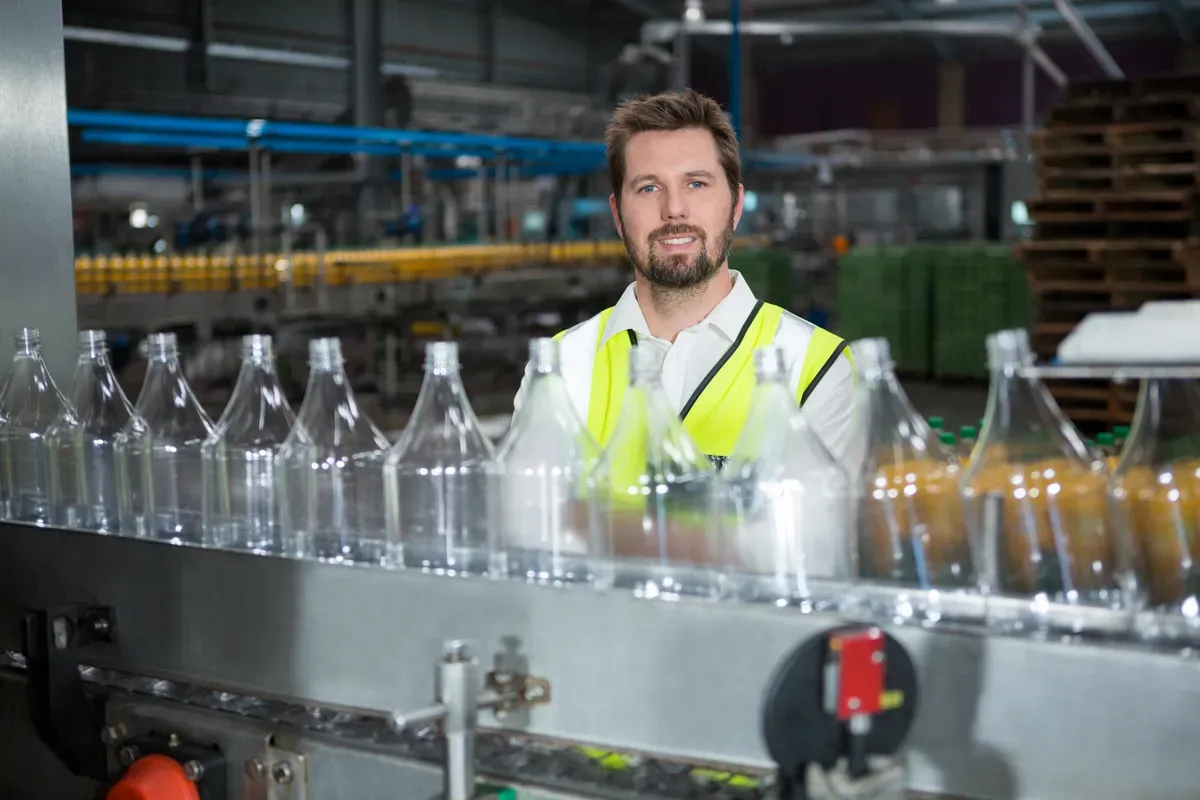
Inspect a walk-in cooler's refrigeration operation and storage environment: temperature and temperature display, door condition, door seals and closer, evaporator, condenser, fans, drainage, interior condition, shelving, lighting, and cleanliness, with deficiencies and corrective actions.

Inspect a commercial oven end to end: heating elements or burners, temperature controls, thermostat, door and gasket, hinges, gas and electrical connections, ignition, safety controls, racks, chamber, ventilation, and cleanliness, with photo evidence and corrective actions.