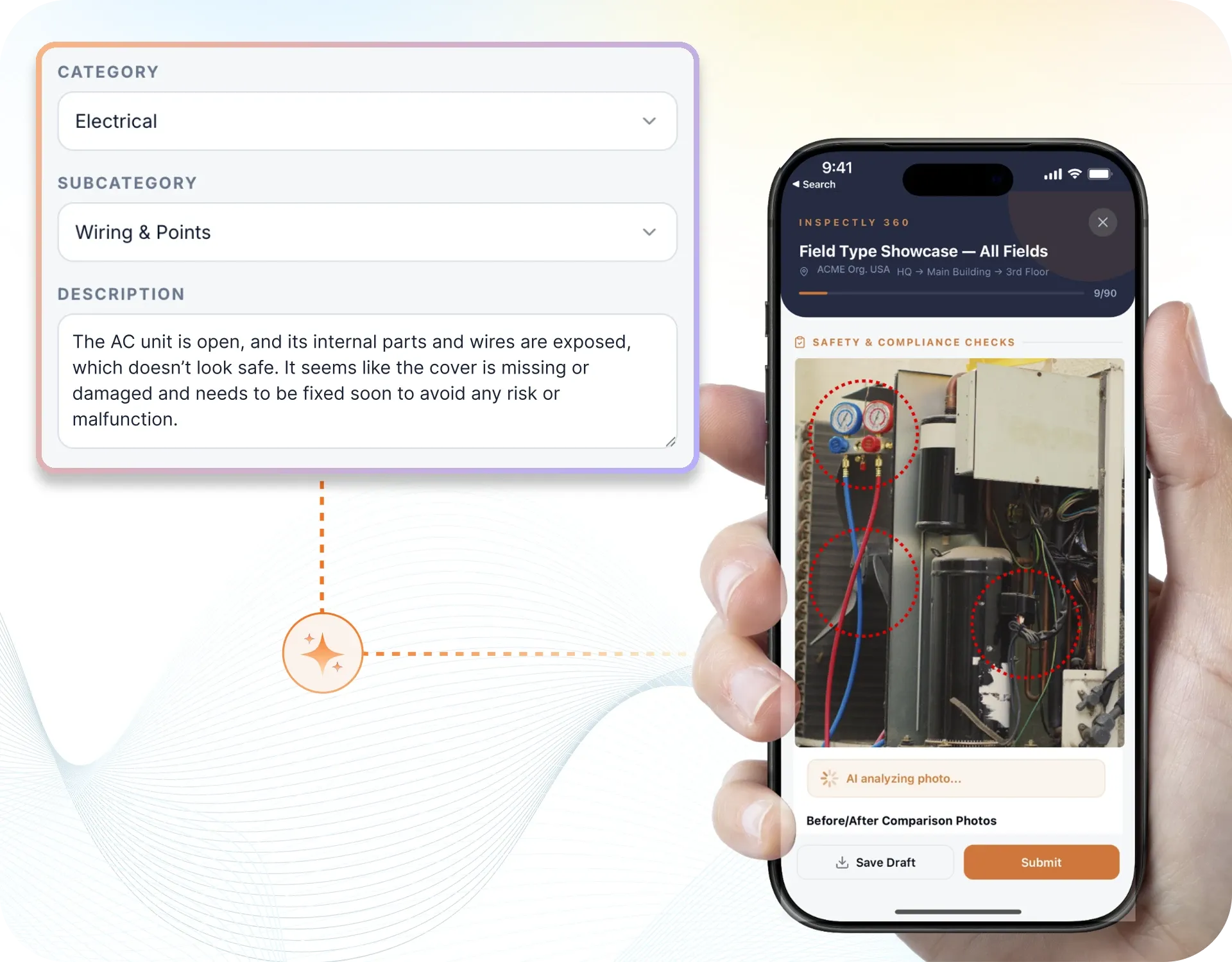
Take a Photo. AI Fills the Form
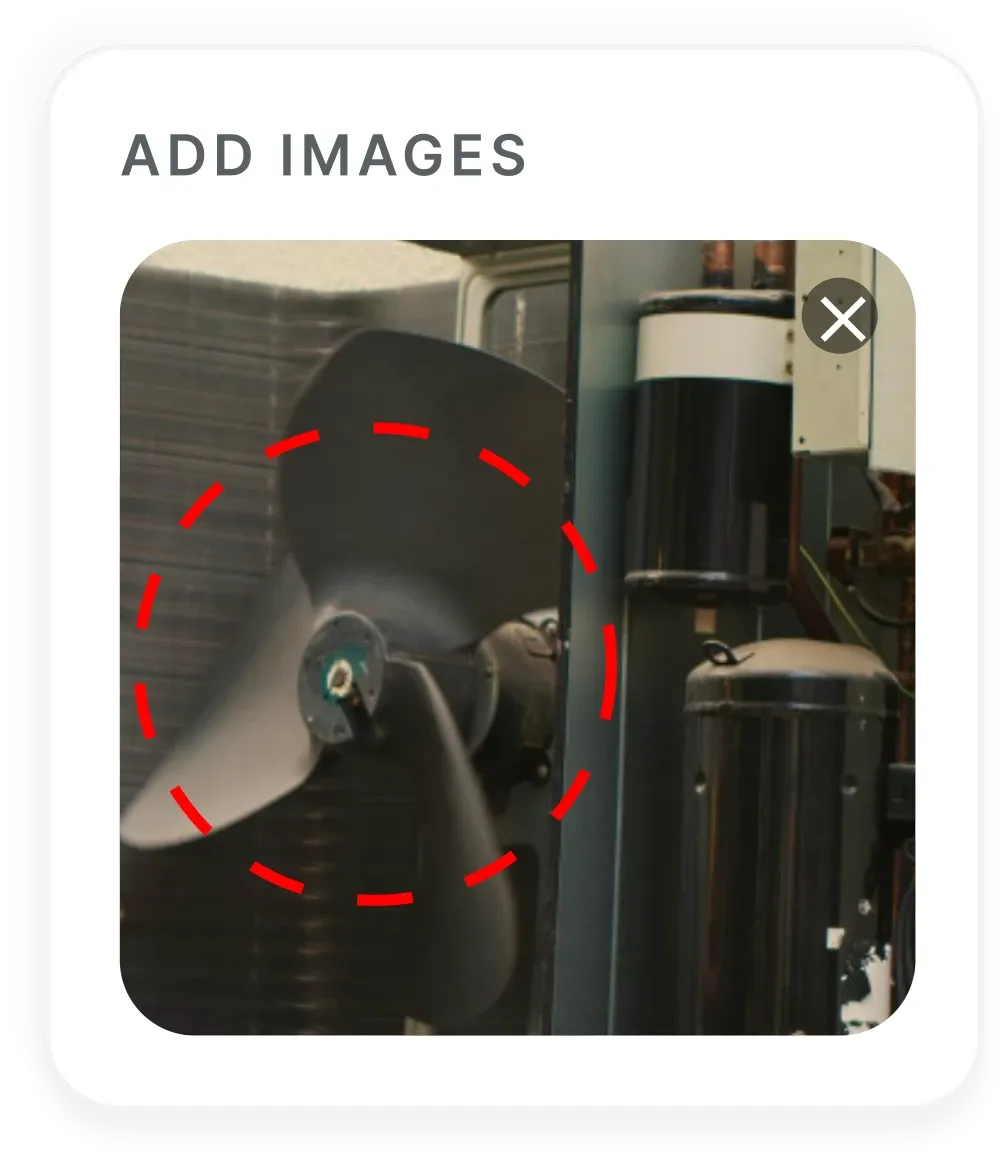
Your inspector takes a photo of any asset or defect. AI reads it and fills the inspection form automatically. No typing. No manual entry.

Convert your checklist into Mobile App
Browse by use case or industry, or see what other teams use most.
Book 30 minutes to discuss your challenges and see how InspectWrk digitizes operations with mobile apps, automated reporting, and real-time dashboards.
Use this foodborne illness complaint checklist to run checks on complaint details, food and consumption, symptoms and affected persons, investigation and evidence, and actions, escalation and closure, recording pass, fail, or N/A and capturing a photo on anything that needs proof.
Customize with your logo and company details.
Available on App
Run inspections on iOS and Android - no internet required. Capture photos, annotate defects, and generate reports in the field.
Run the Foodborne Illness Complaint Checklist on the InspectWrk app instead of paper. Inspectors capture photo evidence, work offline, and assign corrective actions on the spot, and the report generates itself the moment the inspection is signed off.

Foodborne Illness Complaint Checklist
Foodborne Illness Complaint Checklist Dashboard
Prioritized actions to keep operations running smoothly today.
Total Revenue
$42,680
+12% compared to last month
Active Projects
128
+8 new this week
Open Requests
56
-15 resolved this week
Operational Target
You're on track to meet this month's operational goal.
Target Task
200 ↑
Complete Task
136 ↑
Pending Task
10 ↓
Monthly Performance
Recent Client Activity
Everything your field team does on paper, InspectWrk does automatically: faster, more accurate, and without the admin.
Your inspector takes a photo of any asset or defect. AI reads it and fills the inspection form automatically. No typing. No manual entry.
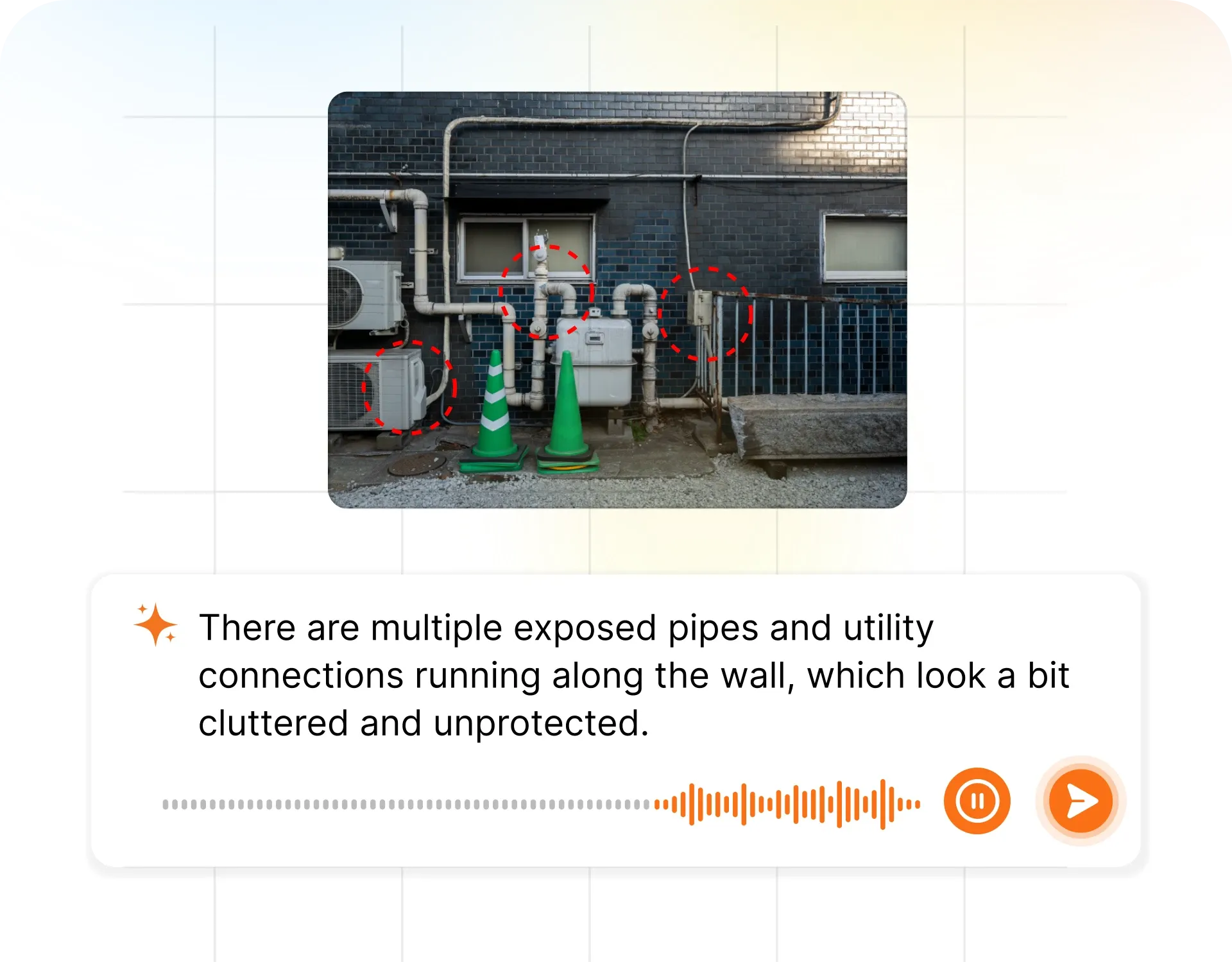
Inspectors speak their observations in any language. AI transcribes and fills the form in real time. Completely hands-free in the field.
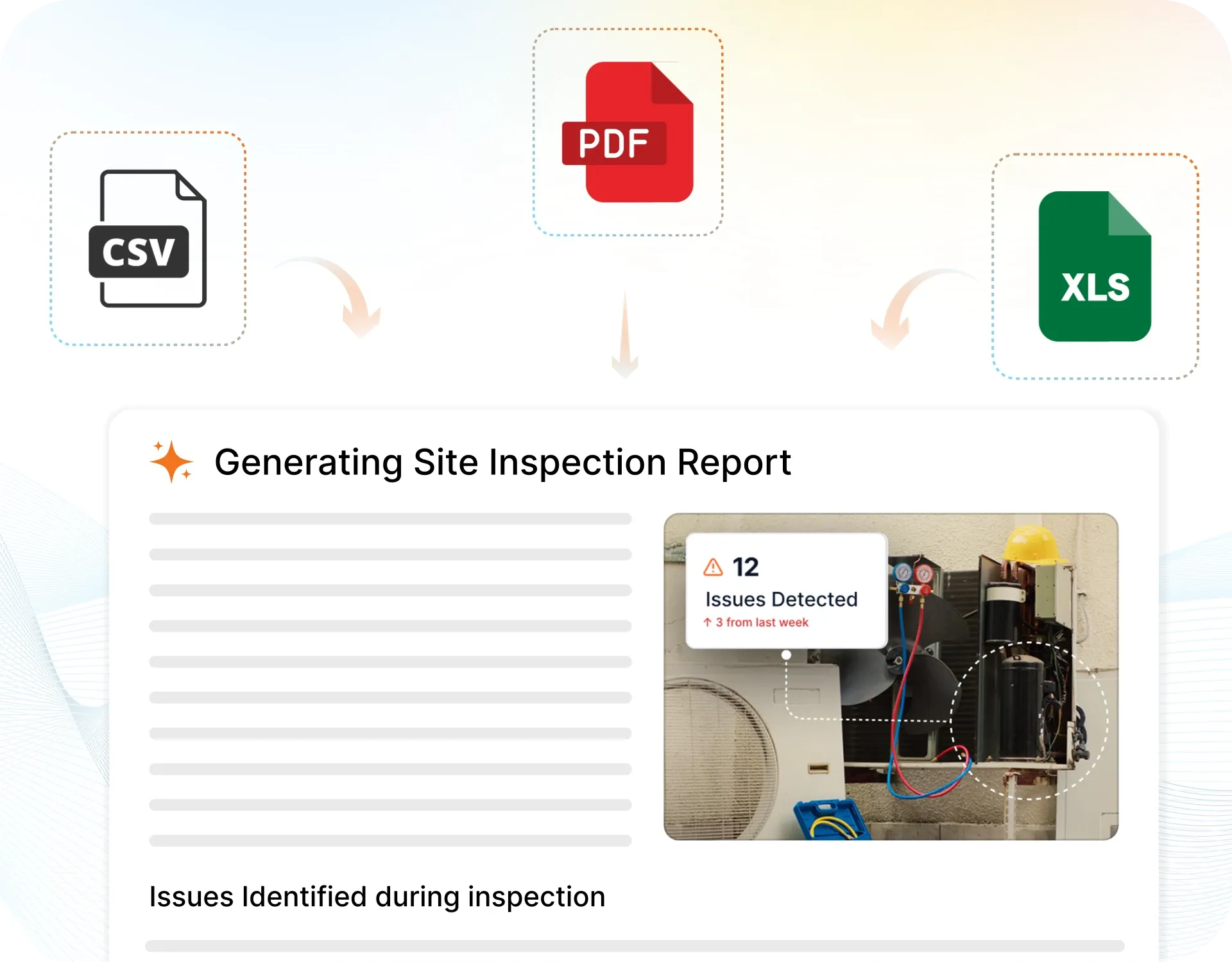
The moment an inspection is submitted, a branded PDF, Excel, or CSV report generates automatically. No manual work. No waiting.
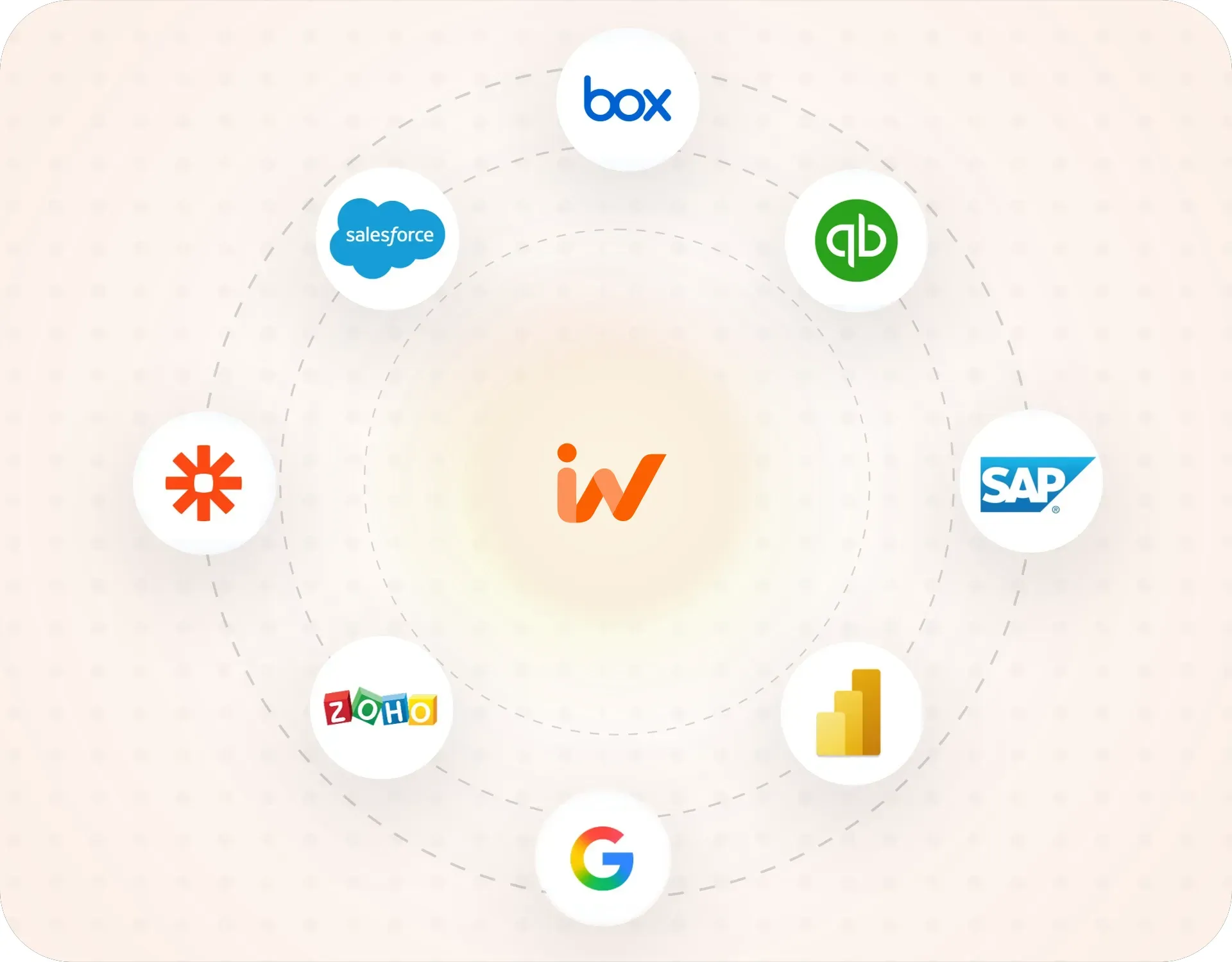
InspectWrk integrates with the tools your team already uses, including Zoho, Microsoft 365, and SAP. No double entry.
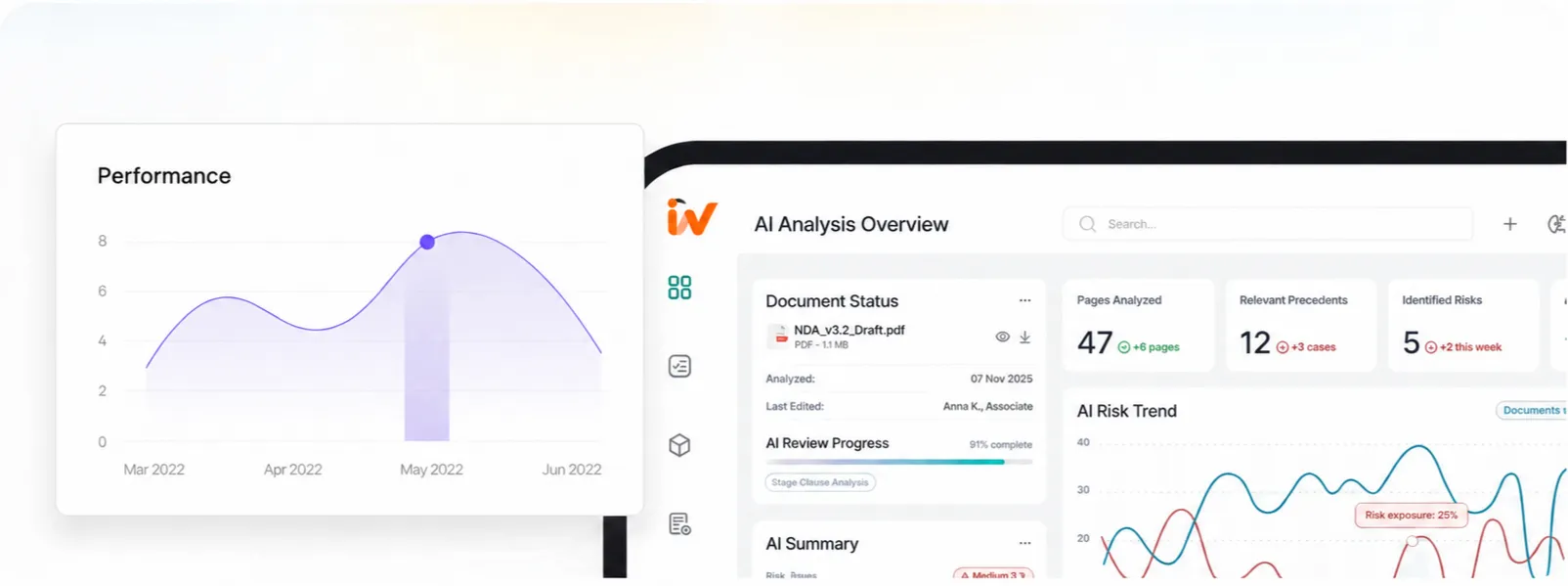
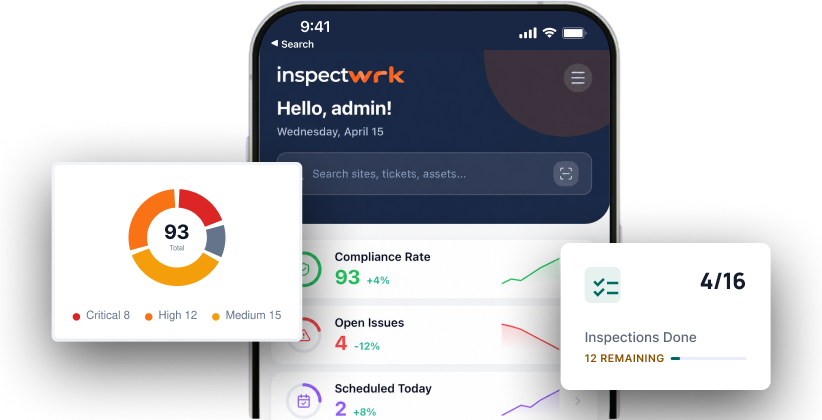
Your operations team sees completion rates, open issues, and compliance scores across all sites in real time. No chasing updates.
Manage every checklist in one connected workspace, capture evidence on mobile at the point of work, and let AI turn field inputs into clear, stakeholder-ready reports in minutes.

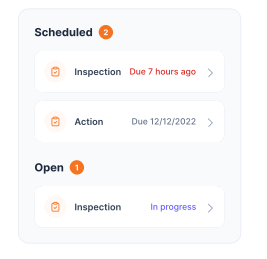
See which checklists your team has in progress across every site, jump into the same inspection with one tap, and keep field, supervisor, and back-office views in sync without sending screenshots on WhatsApp.


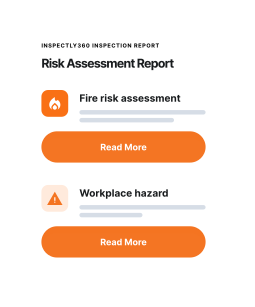


Every team reports differently. Build the report your operations, quality, or compliance leads actually want to read, share it as a branded PDF, and schedule delivery to the stakeholders who need it.


See completion, pass rate, and recurring findings across every checklist and every site, without pulling spreadsheets together at the end of the month.
Hand-picked templates for your specific industry needs.

Food safety and hygiene inspections: temperature checks, cleanliness, HACCP points, and corrective actions.

Inspect a commercial refrigerator end to end: temperature, thermostat and control, door and gasket, shelving, condenser, evaporator, compressor, fans, defrost system, drain, electrical condition, cleanliness, and frost or ice, with alarms and maintenance records.

Inspect a walk-in cooler's refrigeration operation and storage environment: temperature and temperature display, door condition, door seals and closer, evaporator, condenser, fans, drainage, interior condition, shelving, lighting, and cleanliness, with deficiencies and corrective actions.

Inspect a commercial oven end to end: heating elements or burners, temperature controls, thermostat, door and gasket, hinges, gas and electrical connections, ignition, safety controls, racks, chamber, ventilation, and cleanliness, with photo evidence and corrective actions.
Capture the facts, investigate against your records, escalate where required, and close every complaint with a record. See it in 30 minutes.
It is a structured workflow for handling a suspected foodborne-illness or food-poisoning complaint, from receiving it through to closure. It is a complaint and investigation workflow, not a general food-safety inspection: record the complaint and complainant, the food consumed and when, symptoms and affected persons, then review food-handling and temperature records, retain samples where applicable, capture evidence, take immediate and corrective actions, notify management and the regulator where required, and record the investigation and closure. It gives every complaint a consistent, documented response.
A food-safety inspection or HACCP monitoring checks that the operation is running safely, on a routine basis. A foodborne illness complaint checklist is the response to a specific reported incident: capturing the facts, investigating, escalating, and closing it. One is ongoing prevention; the other is reactive investigation of a single complaint. Keeping them separate matters, because a complaint needs its own factual record, evidence, and follow-up, which a routine inspection is not designed to hold. This checklist is the complaint-handling workflow.
Capture the complaint date and time and the complainant's details, the food or product consumed and the meal or service date and time, and the symptoms reported with their onset time and the number of affected persons. Also record purchase or order information, the suspected food and any lot or batch, and any related employee illness. Recording this while it is fresh is important because it drives the investigation. What must be reported externally depends on the severity and the applicable regulation, which the checklist records where it applies.
Reporting obligations for suspected foodborne illness depend on the jurisdiction, the nature and severity of the illness, and the number of people affected, so there is no single universal rule. Some situations, such as suspected outbreaks or notifiable illnesses, must be reported to the food-safety or public-health authority within set timeframes. The checklist records regulatory notification where it is required and prompts escalation, but the specific obligations should be confirmed against your food-safety plan and the applicable regulation rather than assumed.
In InspectWrk, a foodborne illness complaint is handled as a structured record: staff capture the complaint, the food consumed, symptoms, and affected persons, then link the investigation to food-handling and temperature records, attach evidence, and record immediate and corrective actions, escalation, and any regulatory notification. Everything is timestamped and stored in one place, so managers can investigate, track corrective actions to closure, and produce a complete record for the business or the regulator, rather than piecing together an ad hoc response after the fact.

A foodborne illness complaint checklist is a structured workflow for handling a suspected foodborne-illness complaint, from receiving it through to closure. It is a complaint and investigation workflow, not a general food-safety inspection: record the complaint and complainant, the food consumed and when, symptoms and affected persons, then review food-handling and temperature records, retain samples where applicable, capture evidence, take immediate and corrective actions, notify management and the regulator where required, and record the investigation and closure.
A foodborne illness complaint checklist is used when a customer reports a suspected foodborne illness or food-poisoning incident. Its purpose is a consistent, documented response: capturing the facts while they are fresh, investigating properly, escalating where needed, and closing the complaint with a record. It is a complaint and investigation workflow, deliberately different from a routine food-safety inspection or HACCP monitoring.
Working from the complaint details through the food consumed, symptoms and affected persons, the investigation and evidence, and actions, escalation, and closure, the checklist makes sure the important information is recorded, the right records are reviewed, and the response is escalated and documented. Because notification and reporting obligations depend on the jurisdiction and the severity, the checklist records regulatory notification where required rather than assuming a single rule.
When a customer reports suspected food poisoning, the response often depends on who takes the call. Key facts, what was eaten, when, and what symptoms, are not captured, the relevant records are not pulled while they still exist, and no one is sure whether it needs escalating or reporting. Weeks later, if it becomes serious, there is no usable record of what happened or what was done.
A foodborne illness complaint checklist fixes that by giving every complaint the same workflow: capture the facts, investigate against food-handling and temperature records, escalate and notify where required, and close with a record, so the business responds properly and can show it did.
A structured response protects customers and the business when a complaint comes in:
A complete response runs from the complaint to closure:
Capture what was reported:
Record the health picture:
Investigate properly:
Respond, escalate, and close:
Work the complaint from receipt to closure:
See how this checklist fits into Food & Beverage inspection software.
This checklist runs as a mobile inspection app that works fully offline on site, with AI-powered defect detection on every photo. To see it on your own workflows, talk to our team.