Take a Photo. AI Fills the Form
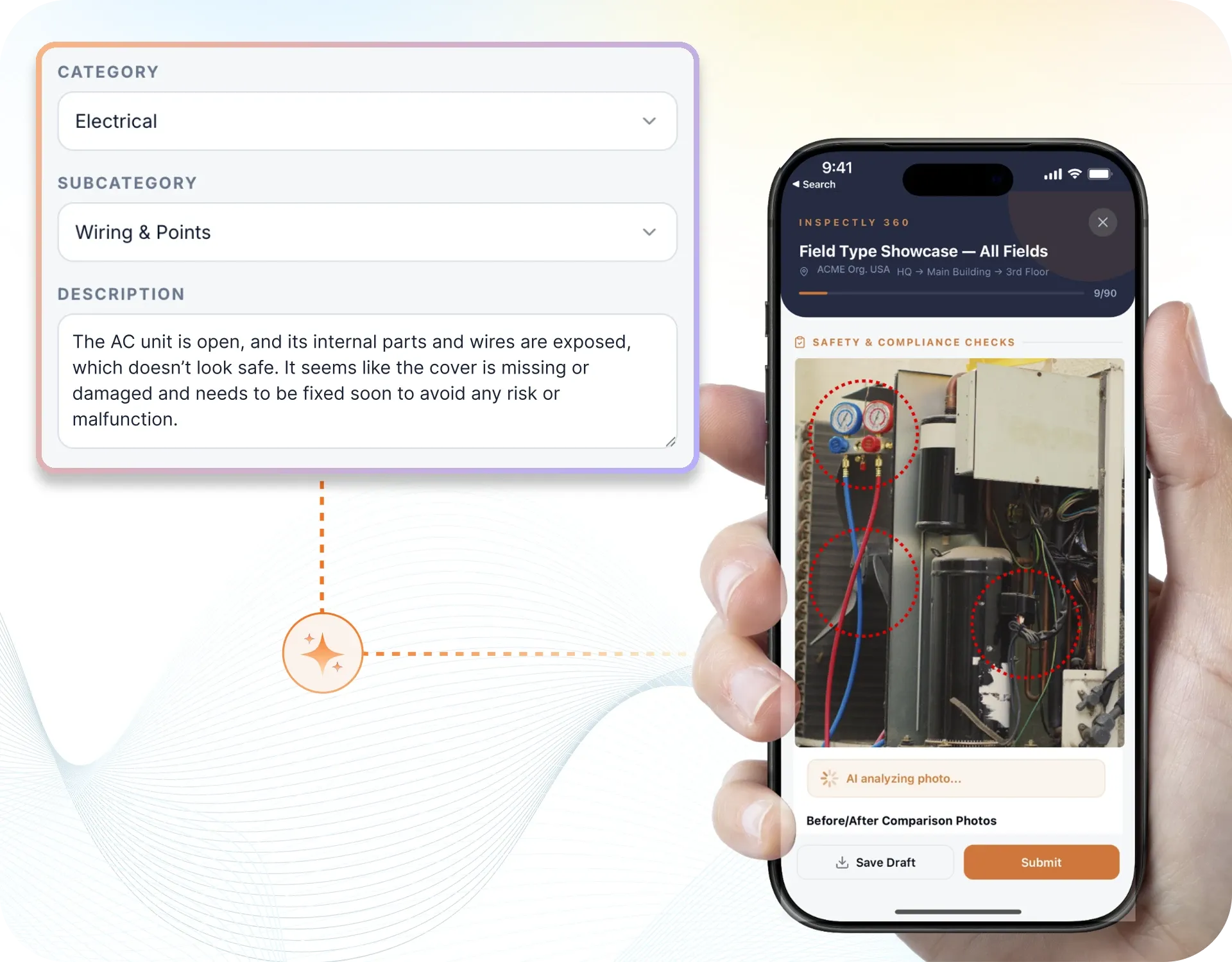
Your inspector takes a photo of any asset or defect. AI reads it and fills the inspection form automatically. No typing. No manual entry.

Convert your checklist into Mobile App
Browse by use case or industry, or see what other teams use most.
Book 30 minutes to discuss your challenges and see how InspectWrk digitizes operations with mobile apps, automated reporting, and real-time dashboards.
Use this temperature sensor installation checklist to work through monitoring point and location, placement and mounting, wiring, power and connectivity, identification and baseline, and installation verification and records, capturing photo evidence per finding and tracking each fix through to closure.

Customize with your logo and company details.
Available on App
Run inspections on iOS and Android - no internet required. Capture photos, annotate defects, and generate reports in the field.
Run the Temperature Sensor Installation Checklist on the InspectWrk app instead of paper. Inspectors capture photo evidence, work offline, and assign corrective actions on the spot, and the report generates itself the moment the inspection is signed off.

Temperature Sensor Installation Checklist
Temperature Sensor Installation Checklist Dashboard
Prioritized actions to keep operations running smoothly today.
Total Revenue
$42,680
+12% compared to last month
Active Projects
128
+8 new this week
Open Requests
56
-15 resolved this week
Operational Target
You're on track to meet this month's operational goal.
Target Task
200 ↑
Complete Task
136 ↑
Pending Task
10 ↓
Monthly Performance
Recent Client Activity
Everything your field team does on paper, InspectWrk does automatically: faster, more accurate, and without the admin.
Your inspector takes a photo of any asset or defect. AI reads it and fills the inspection form automatically. No typing. No manual entry.
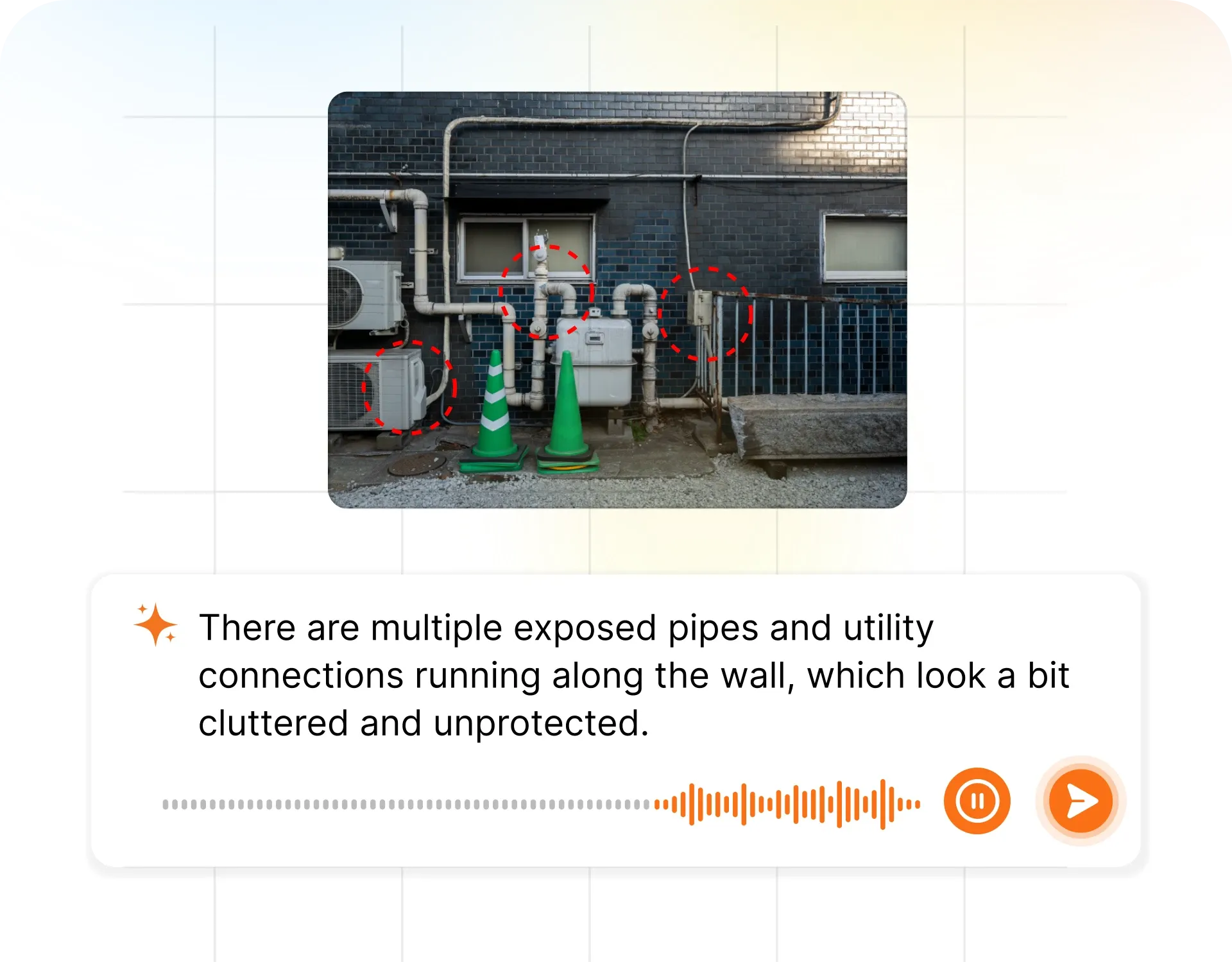
Inspectors speak their observations in any language. AI transcribes and fills the form in real time. Completely hands-free in the field.
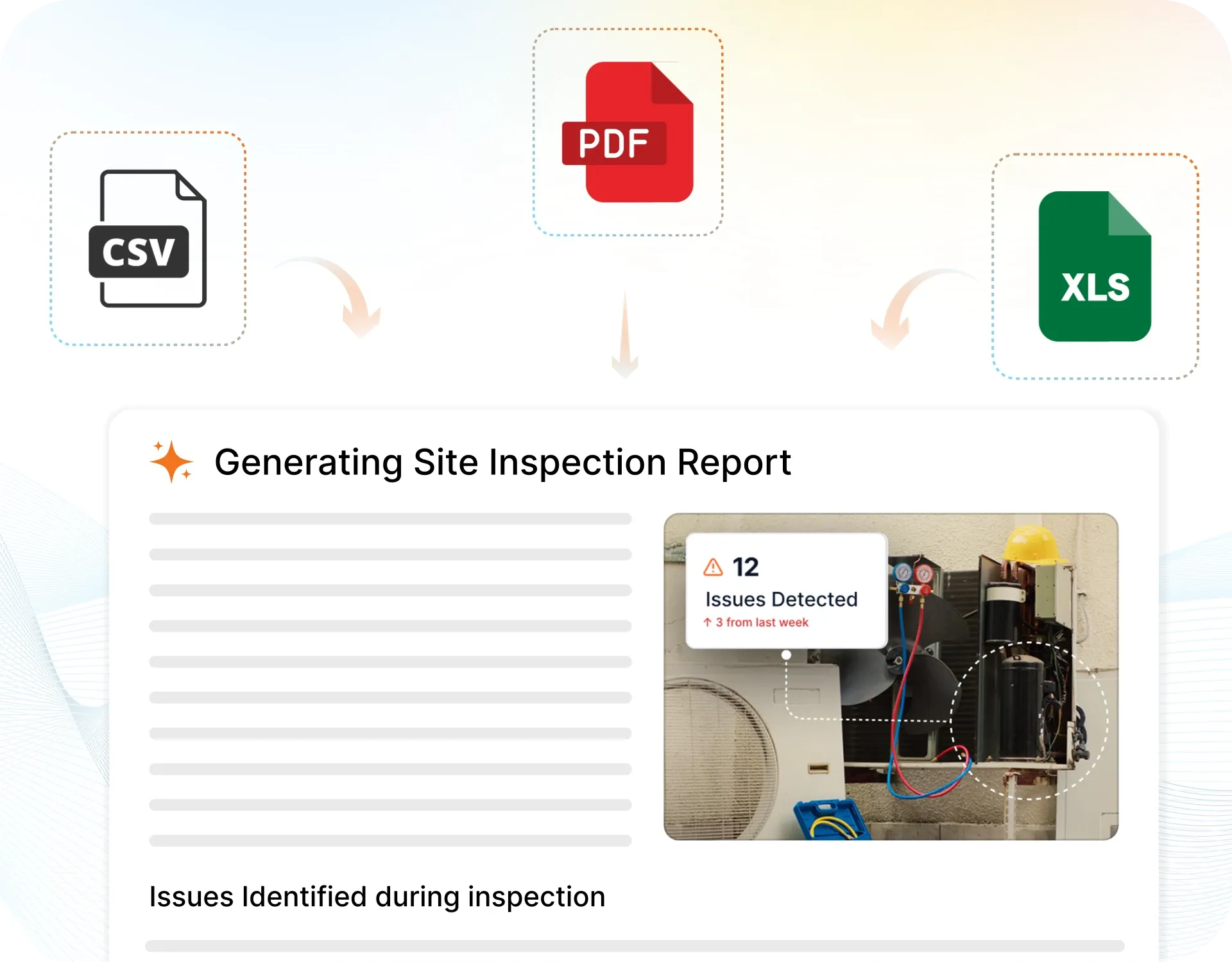
The moment an inspection is submitted, a branded PDF, Excel, or CSV report generates automatically. No manual work. No waiting.

InspectWrk integrates with the tools your team already uses, including Zoho, Microsoft 365, and SAP. No double entry.
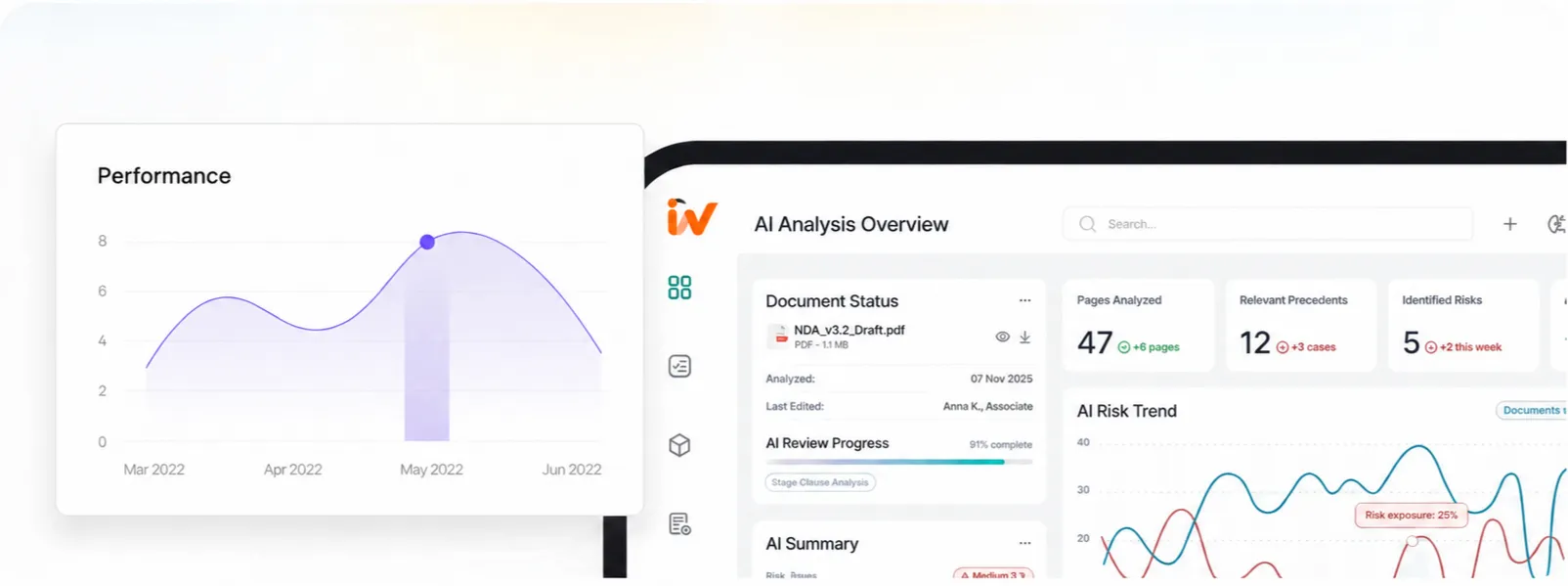
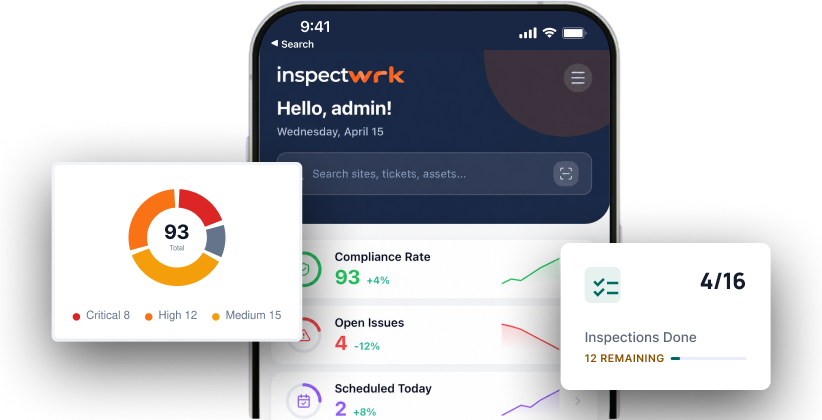
Your operations team sees completion rates, open issues, and compliance scores across all sites in real time. No chasing updates.
Manage every checklist in one connected workspace, capture evidence on mobile at the point of work, and let AI turn field inputs into clear, stakeholder-ready reports in minutes.


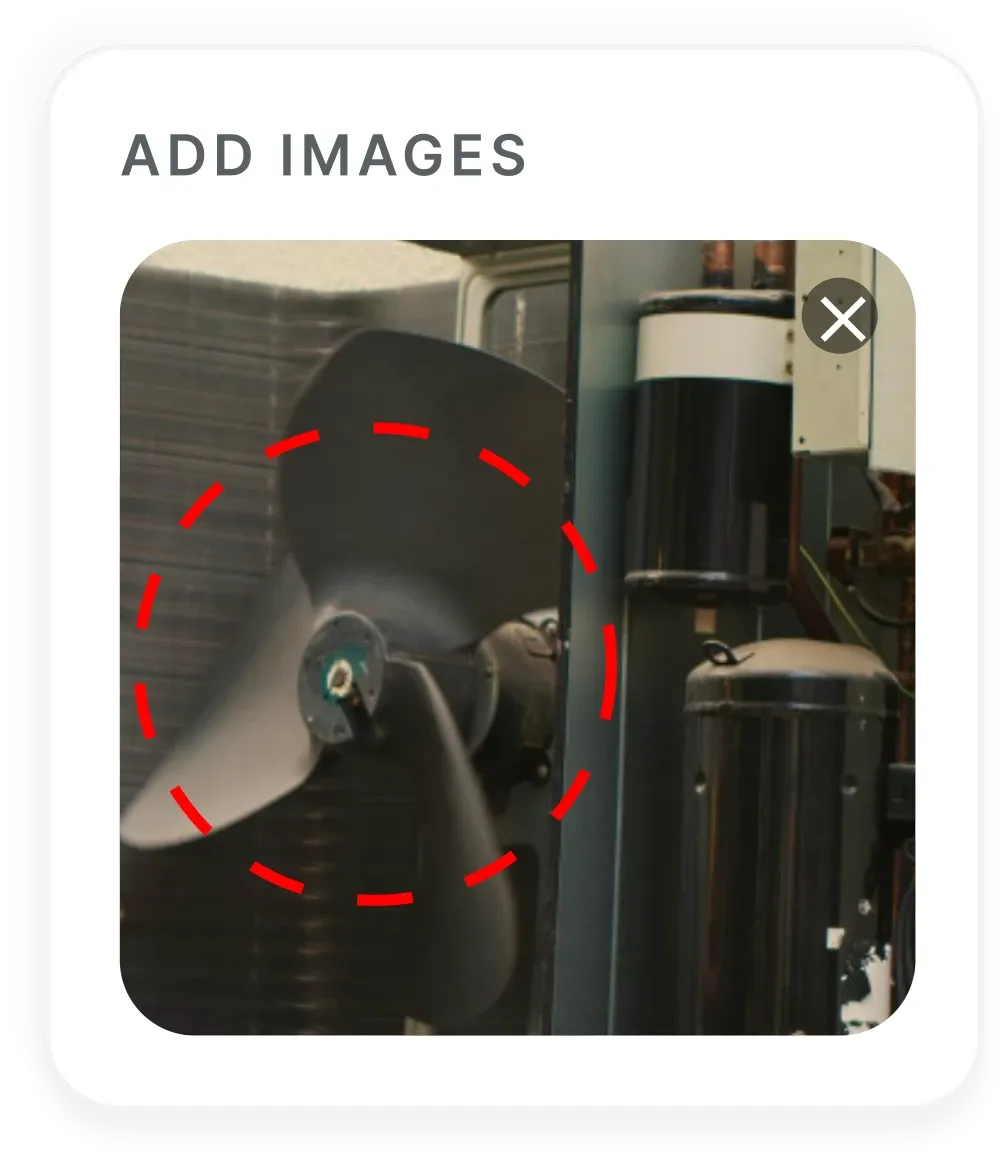
See which checklists your team has in progress across every site, jump into the same inspection with one tap, and keep field, supervisor, and back-office views in sync without sending screenshots on WhatsApp.


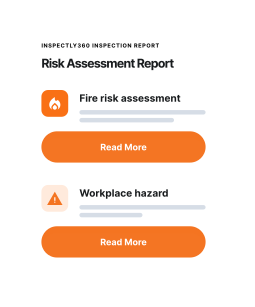
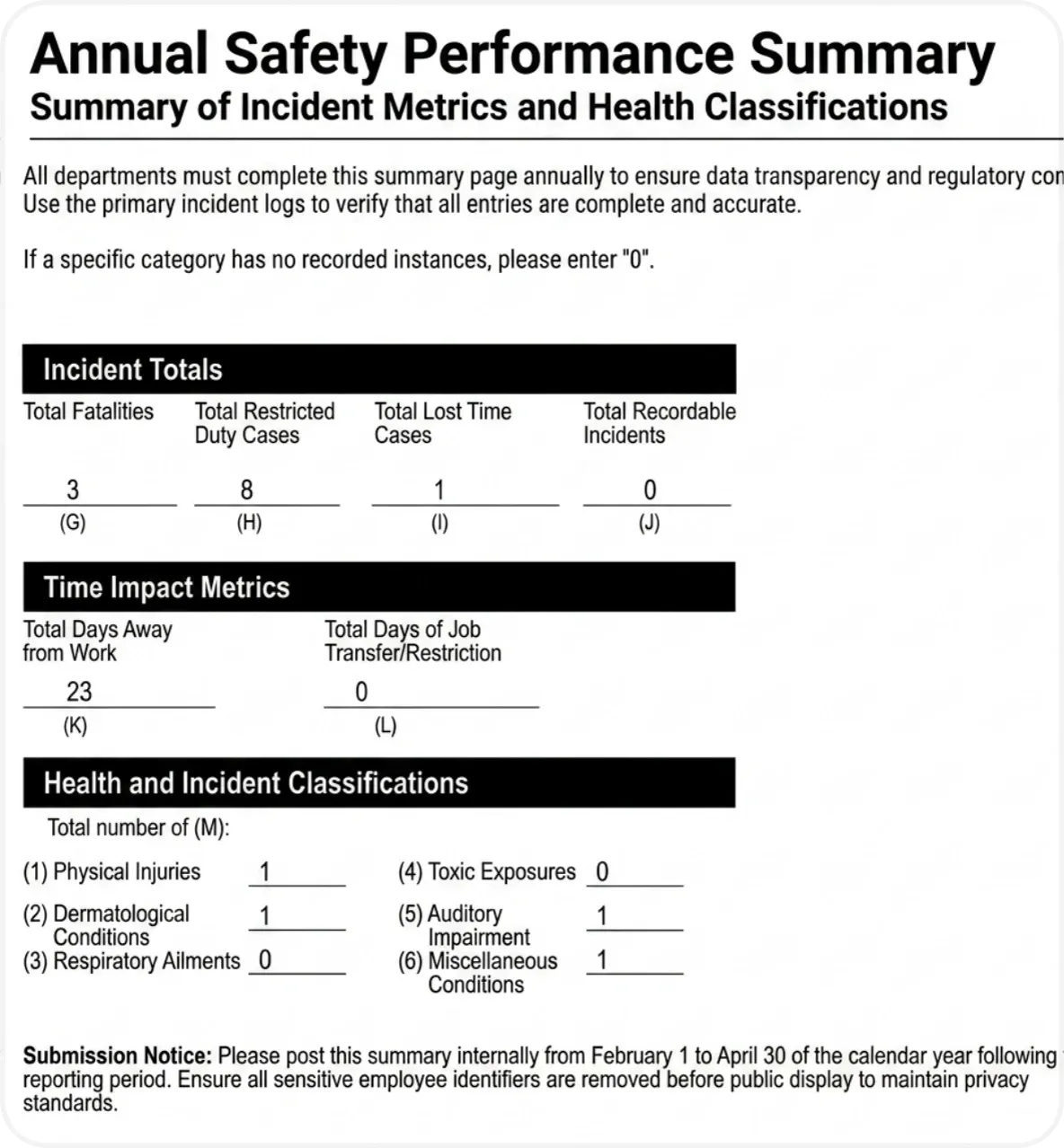


Every team reports differently. Build the report your operations, quality, or compliance leads actually want to read, share it as a branded PDF, and schedule delivery to the stakeholders who need it.

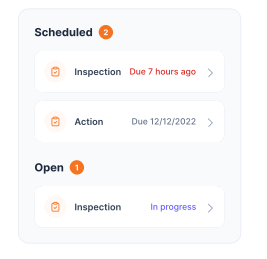

See completion, pass rate, and recurring findings across every checklist and every site, without pulling spreadsheets together at the end of the month.
Hand-picked templates for your specific industry needs.

Food safety and hygiene inspections: temperature checks, cleanliness, HACCP points, and corrective actions.

Inspect a commercial refrigerator end to end: temperature, thermostat and control, door and gasket, shelving, condenser, evaporator, compressor, fans, defrost system, drain, electrical condition, cleanliness, and frost or ice, with alarms and maintenance records.

Inspect a walk-in cooler's refrigeration operation and storage environment: temperature and temperature display, door condition, door seals and closer, evaporator, condenser, fans, drainage, interior condition, shelving, lighting, and cleanliness, with deficiencies and corrective actions.

Inspect a commercial oven end to end: heating elements or burners, temperature controls, thermostat, door and gasket, hinges, gas and electrical connections, ignition, safety controls, racks, chamber, ventilation, and cleanliness, with photo evidence and corrective actions.
Confirm point, placement, connectivity, identity, and a baseline reading at install, with a traceable record. See it in 30 minutes.
It covers installing and setting up a temperature sensor or probe for a food or cold-chain monitoring system. It is an installation workflow, not ongoing monitoring or a maintenance inspection: select the monitoring point, position and mount the probe, complete wiring or connectivity and power, label and identify the sensor, take a baseline reading, verify the installation, and document it. It gets a new sensor correctly placed, connected, and confirmed before it is relied on for monitoring, so the readings it produces can be trusted from the start.
Installation is a one-off task: physically placing, connecting, and setting up a new sensor. Verification is checking an installed sensor's accuracy against a reference over time. Monitoring is using the sensors day to day to watch temperatures. This checklist is only the installation step. Keeping them separate matters, because a sensor must be correctly installed and baselined before verification and monitoring mean anything. A well-verified reading from a badly placed sensor is still measuring the wrong thing.
A sensor should be placed where it measures the temperature that matters, typically representative of the product or the warmest or most at-risk point, rather than near a door, vent, or defrost element where readings are misleading. It should be mounted securely, be accessible for later checks, and suit the environmental conditions. Exact placement depends on the equipment, the product, and your monitoring design, so the checklist confirms the point is chosen deliberately and recorded, rather than prescribing one location for every case.
A baseline reading is the first reading taken once the sensor is installed and connected, confirming it is producing a plausible value and transmitting to the system. It gives a known starting point and catches obvious problems, a sensor reading wildly wrong, not transmitting, or mislabeled, before the sensor goes into service. It is not a substitute for later accuracy verification against a reference; it simply confirms the installation works. The checklist records the baseline alongside the install details.
In InspectWrk, a sensor installation runs as a structured task on a phone: the installer confirms the monitoring point, placement, connectivity, and power, records the sensor identity and location, and captures a baseline reading and verification, with photos where useful. The install record is timestamped and stored, so the team has a traceable record of where each sensor is, what it covers, and that it was confirmed working at install. That makes later verification and monitoring reliable, because every sensor's origin is documented.

A temperature sensor installation checklist covers installing and setting up a temperature sensor or probe for a food or cold-chain monitoring system. It is an installation workflow, not ongoing monitoring or a maintenance inspection: select the monitoring point, position and mount the probe, complete wiring or connectivity and power, label and identify the sensor, take a baseline reading, verify the installation, and document it. It gets a new sensor correctly placed, connected, and confirmed before it is relied on for monitoring.
A temperature sensor installation checklist is used when a new temperature sensor or probe is installed for a food or cold-chain monitoring system. Its purpose is to get the sensor correctly placed, connected, and confirmed, so the readings it produces can be trusted from the start. It is deliberately an installation workflow, distinct from ongoing temperature monitoring or a maintenance inspection of an existing sensor.
Working through the monitoring point and location, placement and mounting, wiring, power and connectivity, identification and baseline, and installation verification, the checklist confirms the sensor is where it should be, connected, identified, and producing a plausible reading before it goes into service. Getting installation right avoids sensors that read the wrong thing, drop offline, or cannot be traced later.
A sensor installed in the wrong spot, mounted loosely, or never baselined can read plausibly while measuring the wrong thing: the door area instead of the product, or air instead of the load. If it is not labeled or recorded, no one can trace which unit it covers. The monitoring looks fine while the readings are misleading from day one.
A temperature sensor installation checklist fixes that by confirming the point, placement, connectivity, identity, and baseline at install, so the sensor measures what it should, is traceable, and produces reliable readings before it is relied on.
Getting installation right means the readings can be trusted from day one:
A complete installation runs from the point to the record:
Put the sensor in the right place:
Connect it correctly:
Make it traceable:
Confirm and document:
Install and confirm the sensor before relying on it:
See how this checklist fits into Food & Beverage inspection software.
This checklist runs as a mobile inspection app that works fully offline on site, with AI-powered defect detection on every photo. To see it on your own workflows, talk to our team.