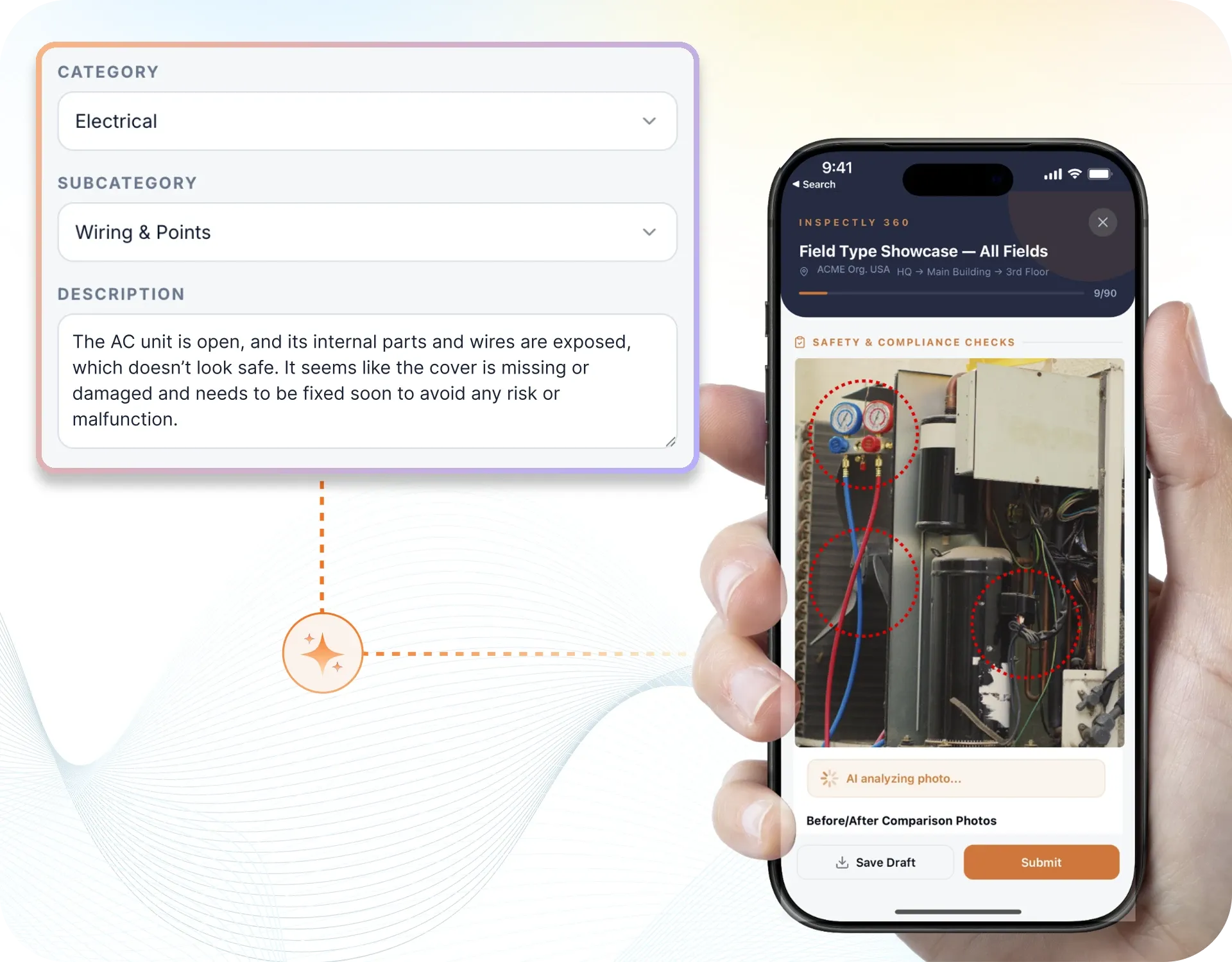
Take a Photo. AI Fills the Form
Your inspector takes a photo of any asset or defect. AI reads it and fills the inspection form automatically. No typing. No manual entry.

Convert your checklist into Mobile App
Browse by use case or industry, or see what other teams use most.
Book 30 minutes to discuss your challenges and see how InspectWrk digitizes operations with mobile apps, automated reporting, and real-time dashboards.
Use this gas leak emergency procedures checklist to inspect recognise a suspected gas leak, raise the alarm, evacuate and protect people, avoid ignition sources, notify emergency services and the gas supplier, and isolate the supply where authorised, logging issues with photos and notes and assigning corrective actions before sign-off.

Customize with your logo and company details.
Available on App
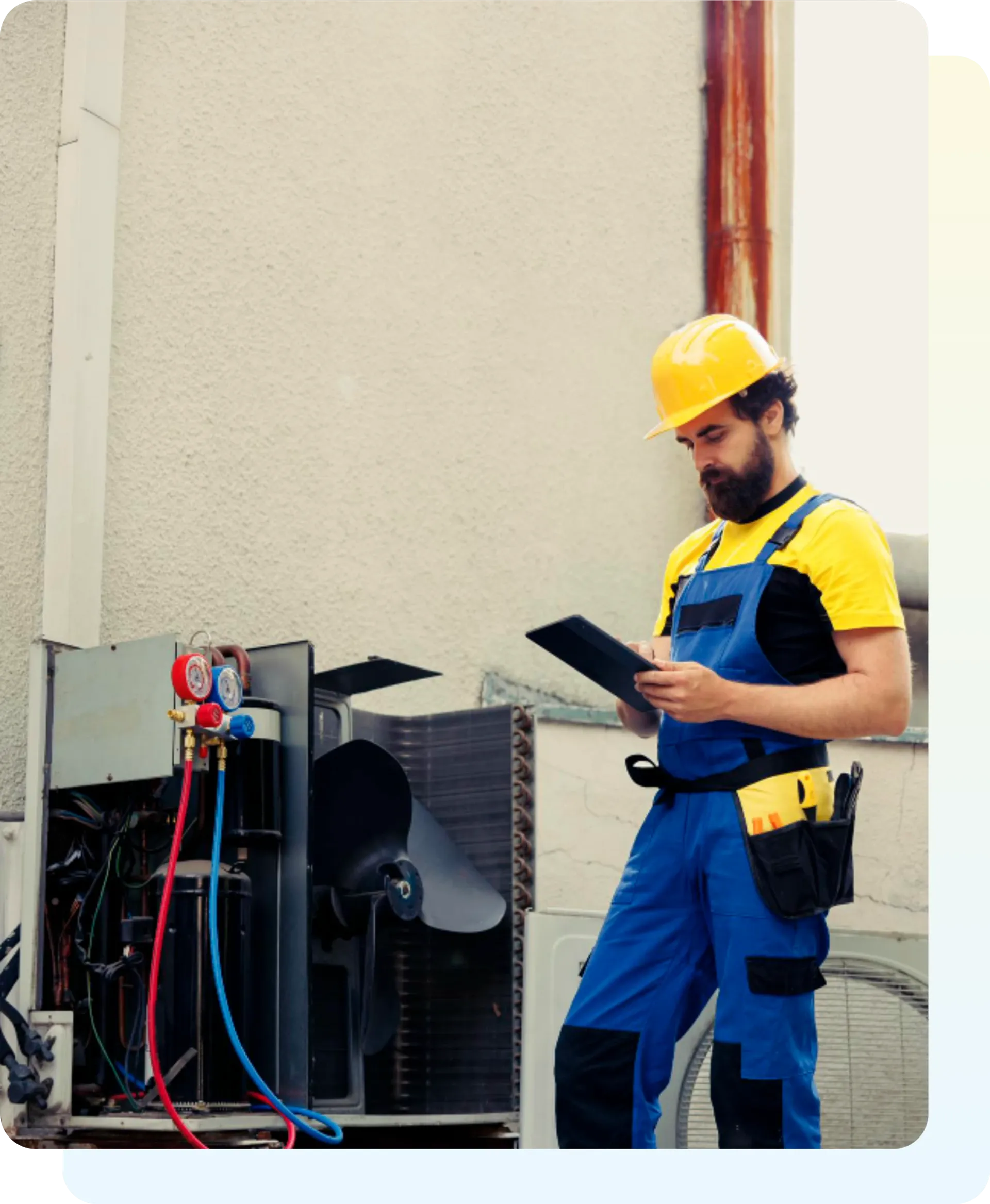
Run inspections on iOS and Android - no internet required. Capture photos, annotate defects, and generate reports in the field.
Run the Gas Leak Emergency Procedures Checklist on the InspectWrk app instead of paper. Inspectors capture photo evidence, work offline, and assign corrective actions on the spot, and the report generates itself the moment the inspection is signed off.

Gas Leak Emergency Procedures Checklist
Gas Leak Emergency Procedures Checklist Dashboard
Prioritized actions to keep operations running smoothly today.
Total Revenue
$42,680
+12% compared to last month
Active Projects
128
+8 new this week
Open Requests
56
-15 resolved this week
Operational Target
You're on track to meet this month's operational goal.
Target Task
200 ↑
Complete Task
136 ↑
Pending Task
10 ↓
Monthly Performance
Recent Client Activity
Everything your field team does on paper, InspectWrk does automatically: faster, more accurate, and without the admin.
Your inspector takes a photo of any asset or defect. AI reads it and fills the inspection form automatically. No typing. No manual entry.
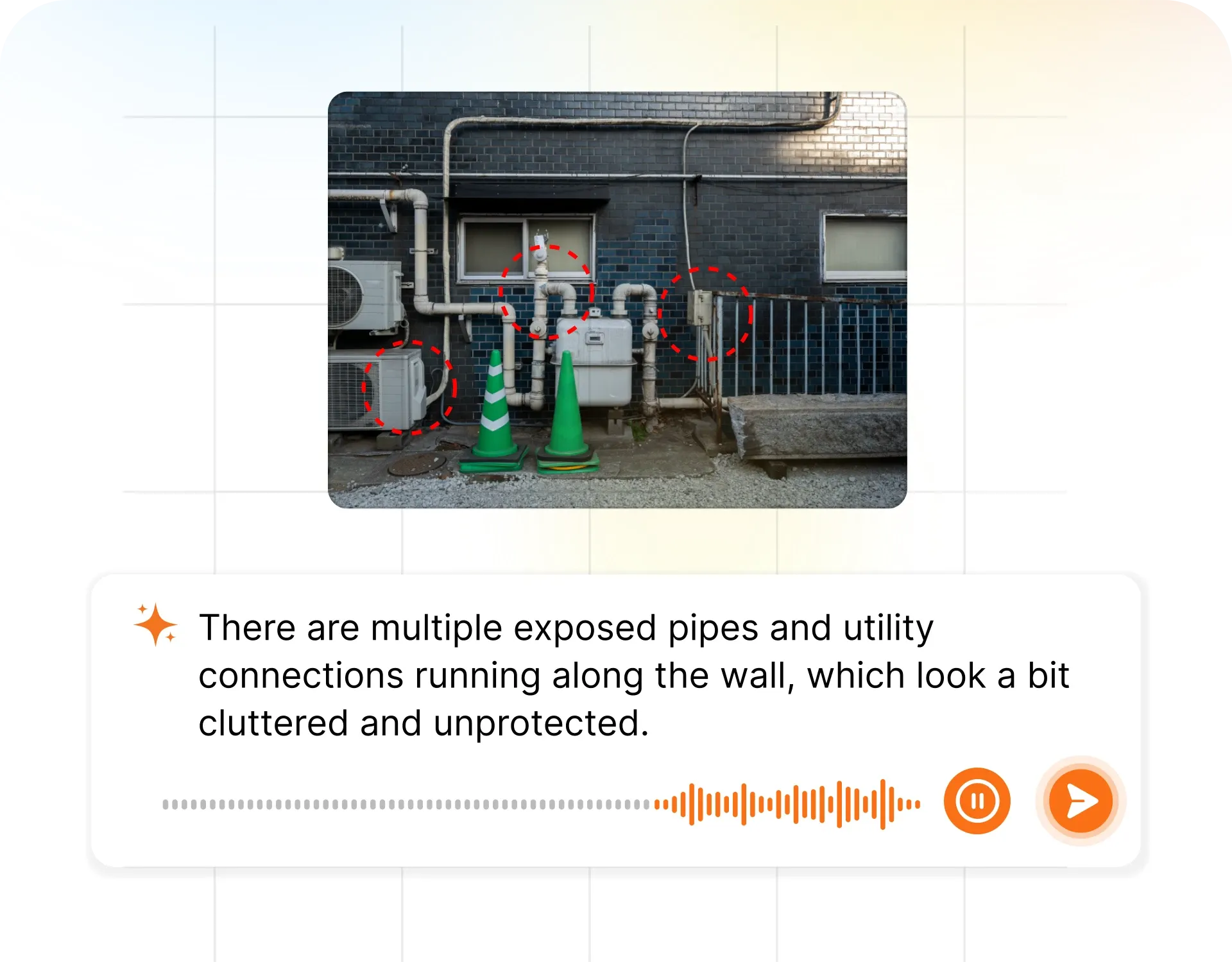
Inspectors speak their observations in any language. AI transcribes and fills the form in real time. Completely hands-free in the field.
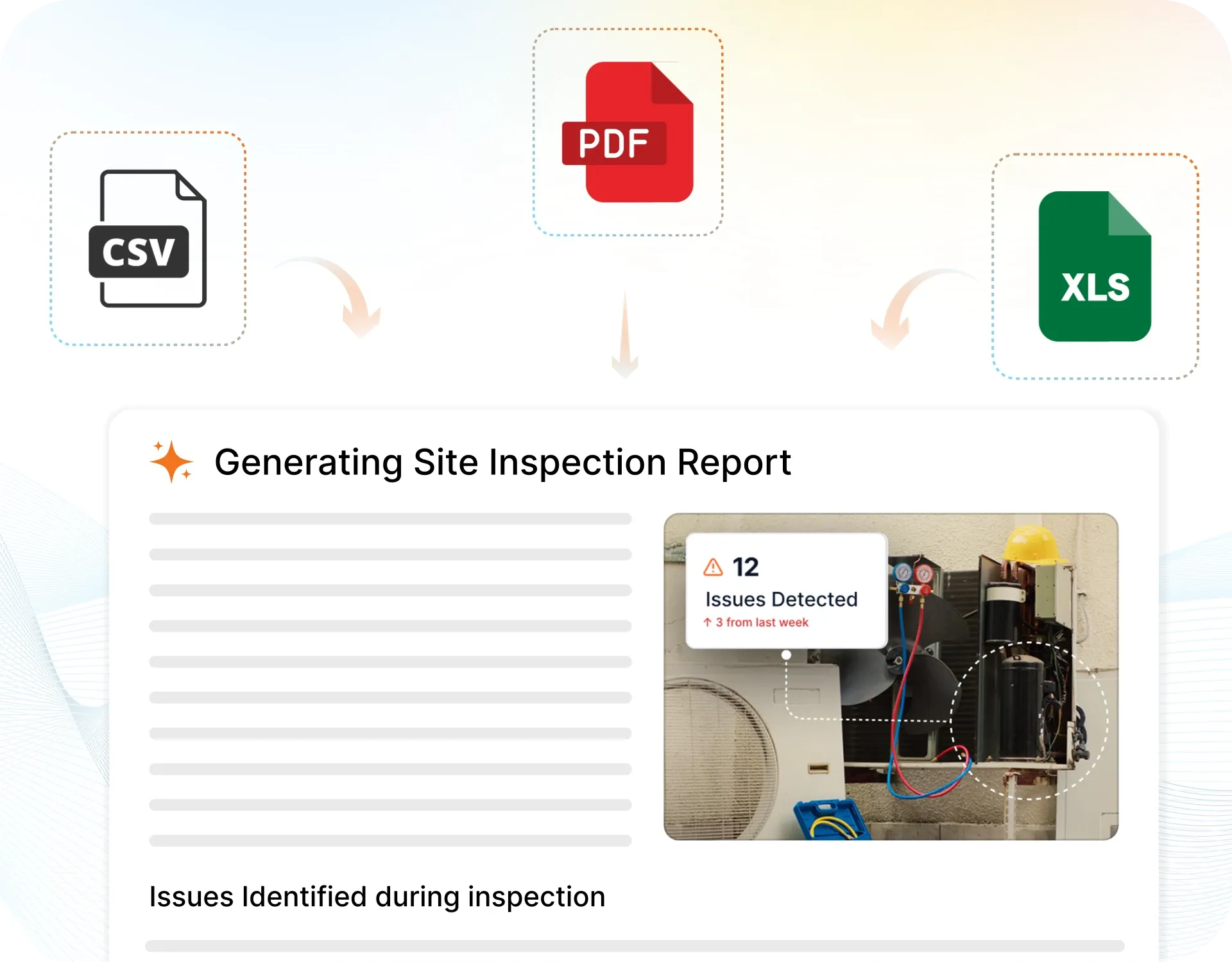
The moment an inspection is submitted, a branded PDF, Excel, or CSV report generates automatically. No manual work. No waiting.

InspectWrk integrates with the tools your team already uses, including Zoho, Microsoft 365, and SAP. No double entry.
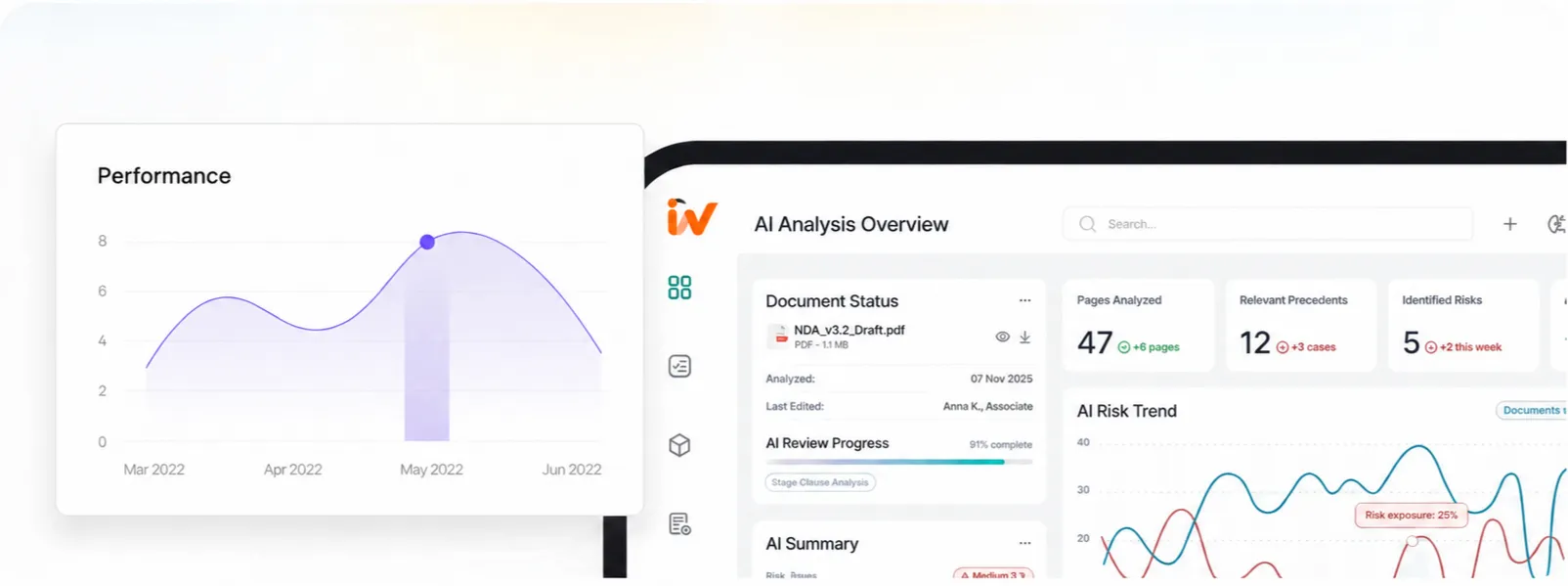
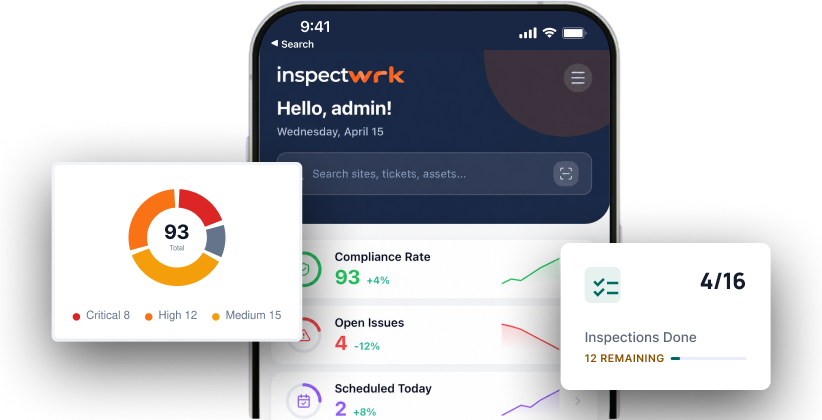
Your operations team sees completion rates, open issues, and compliance scores across all sites in real time. No chasing updates.
Manage every checklist in one connected workspace, capture evidence on mobile at the point of work, and let AI turn field inputs into clear, stakeholder-ready reports in minutes.
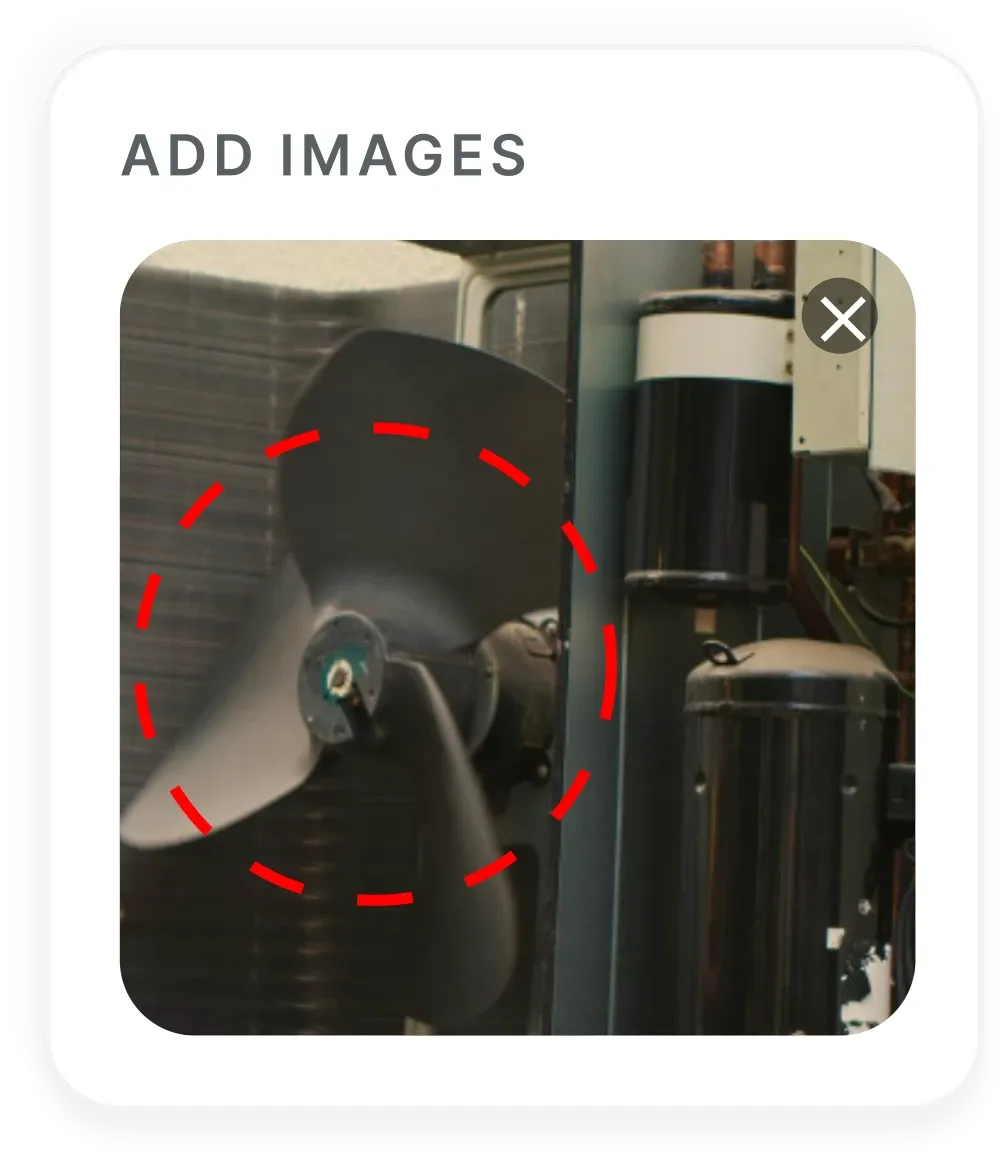
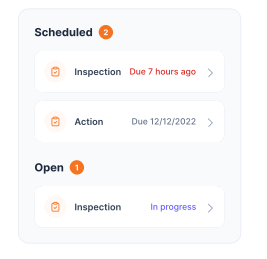
See which checklists your team has in progress across every site, jump into the same inspection with one tap, and keep field, supervisor, and back-office views in sync without sending screenshots on WhatsApp.


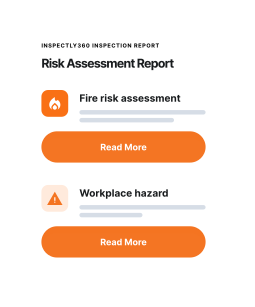
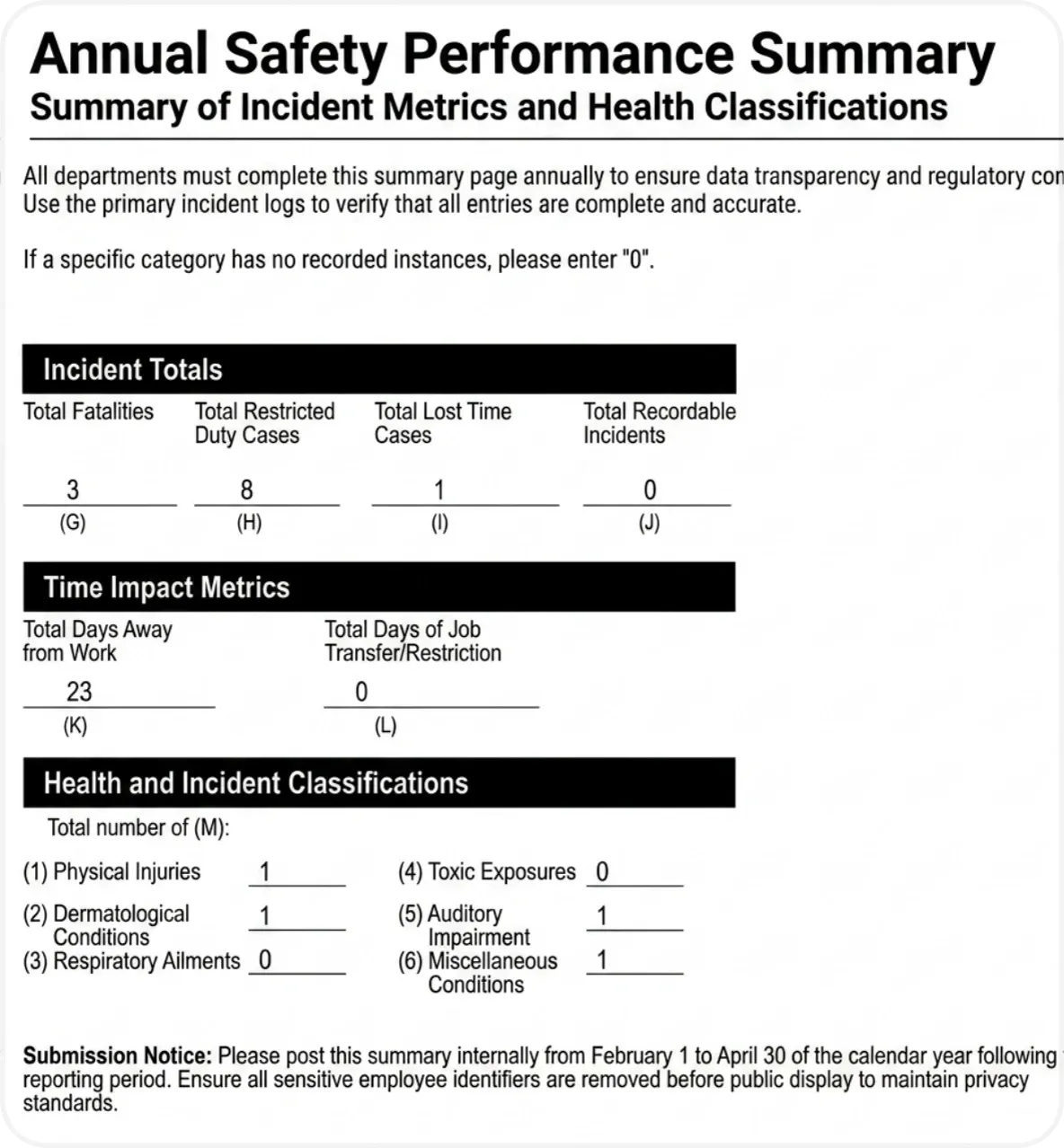


Every team reports differently. Build the report your operations, quality, or compliance leads actually want to read, share it as a branded PDF, and schedule delivery to the stakeholders who need it.

See completion, pass rate, and recurring findings across every checklist and every site, without pulling spreadsheets together at the end of the month.
Hand-picked templates for your specific industry needs.

Safety inspections with hazard identification, corrective actions, and compliance reporting.

Report incidents and near-misses with details, photos, location, and timeline.

Inspect grounding and bonding systems: grounding conductors and electrodes, bonding connections, equipment grounding, continuity, corrosion, and panel connections.

Verify arc-flash labels on electrical equipment: presence, visibility, legibility, equipment identification, voltage and incident-energy information, PPE data, and label condition.
Put your gas leak emergency procedure on mobile, run and record drills, capture evacuation headcounts and sign-off, and keep every incident and review audit-ready.
It sets out exactly what staff should do the moment a gas leak is suspected, so the response is fast and consistent rather than improvised. It moves through recognising the signs, raising the alarm, evacuating to the assembly point, avoiding ignition sources, notifying emergency services and the gas supplier, isolating the supply only where trained, controlling re-entry, and recording the incident. It is an emergency-response procedure focused on protecting people and accountability, not a guide to repairing gas systems.
A gas safety inspection checks the condition of gas equipment, pipework, and appliances on a routine basis to prevent problems. This checklist is about responding to a suspected leak that is happening now. It does not assess equipment condition; it tells people how to raise the alarm, evacuate, avoid ignition, notify the right people, and keep the area controlled until it is safe. Inspection prevents leaks, while this procedure manages the emergency when one is suspected.
Only where they are trained and it is safe to do so, such as closing an emergency isolation valve on the way out. Staff should never attempt repairs or interventions that require a competent or qualified person. The priority is always to get people out, avoid ignition, and let emergency services and the gas supplier deal with the source. The checklist makes that boundary explicit so no one takes on hazardous work they are not qualified for.
No. The right procedure depends on your site's layout, gas equipment, alarm and evacuation plan, gas supplier, jurisdiction, and competent-person arrangements. This checklist gives a sound, ordered structure for a suspected-leak response, but it should be adapted to your own emergency plan and local requirements rather than used as a universal rule. Always align it with the guidance from your gas supplier, emergency services, and site safety team.

A gas leak emergency procedures checklist sets out what staff should do the moment a gas leak is suspected. It moves through clear stages: recognise the signs, raise the alarm, evacuate to the assembly point, avoid anything that could cause ignition, notify emergency services and the gas supplier, isolate the supply only where trained, control re-entry, and record the incident. It is an emergency-response procedure, not a repair guide, and the exact steps should follow your site's own emergency plan, equipment, and gas supplier.
A gas leak emergency procedures checklist is a fast, ordered response plan for a suspected gas leak in a workplace. Instead of inspecting equipment, it tells people what to do in the first minutes of an emergency: recognise the warning signs, raise the alarm, get everyone out to the assembly point, avoid ignition sources, notify emergency services and the gas supplier, isolate the supply only if trained and safe to do so, keep people out until it is cleared, and document what happened. It is written for accountability and safe evacuation, not for repairing gas systems, and it should always be adapted to your site's own emergency plan, jurisdiction, and competent-person requirements.
When a gas leak is suspected, hesitation and improvised action are the real dangers. Staff who have never rehearsed the procedure may switch on lights, use phones near the leak, go back for belongings, or try to fix the problem themselves. Without a clear order of actions, people evacuate late, no one confirms who is still inside, and the gas supplier or emergency services are called too slowly. The result is avoidable risk to life.
A written emergency procedure removes that hesitation. It gives everyone the same ordered steps, keeps unqualified people away from isolation and repairs, and makes sure people are out, accounted for, and kept clear until a competent person confirms it is safe.
A clear, practised emergency procedure keeps people safe and removes hesitation in the first critical minutes:
A complete gas leak emergency procedure works through the response in order:
Spot the leak and warn everyone fast:
Protect people and remove ignition risk:
Bring in help and secure the area:
Follow the emergency procedure in order:
See how this checklist fits into AI safety inspection software.
This checklist runs as a mobile inspection app that works fully offline on site, with AI-powered defect detection on every photo. To see it on your own workflows, talk to our team.