01 / 05Photo to formVISION AI
Take a Photo. AI Fills the Form.
Your inspector takes a photo of any asset or defect. AI reads it and fills the inspection form automatically.
No typing. No manual entry.

Use this ISO 14644 checklist to review cleanroom, classification and applicable ISO 14644 parts, airborne particle cleanliness classification (part 1), monitoring for continued performance (part 2), test methods and verification (part 3), room conditions, airflow and filters, and design, construction and start-up (part 4, where applicable), scoring each item and raising corrective actions with owners and due dates.
9 sections29 questions16 to 30 minutesFree
 Photo AddedPhoto AddedPhoto Added
9 sections · 29 questions · 16 to 30 minutes · Free
Record the cleanroom or controlled environment name, location and use.
Record the ISO class and the occupancy state assessed (as-built, at-rest or operational).
Record which ISO 14644 parts are addressed, for example Part 1 classification, Part 2 monitoring or Part 4 design.
Record the editions of the applicable ISO 14644 parts and the assessment date.
Confirm the airborne-particle cleanliness classification has been determined in accordance with Part 1.
Confirm the number and location of sampling points are appropriate for the cleanroom.
Confirm the particle counter used is calibrated and suitable for the particle sizes assessed.
Record the measured particle concentrations, the particle sizes considered, and the required ISO class.
Confirm a monitoring plan providing evidence of continued cleanroom performance is in place.
Confirm monitoring locations, frequency and alert or action responses are defined.
Record the monitoring results and any alert or action responses.
Confirm the required tests are performed using appropriate methods and calibrated equipment.
Record the tests performed and their results.
Confirm airflow, whether unidirectional or non-unidirectional as designed, and air-change performance are as specified.
Confirm pressure differentials between the cleanroom and adjacent areas are maintained as specified.
Confirm HEPA or ULPA filters are installed, integrity-tested and free of leaks.
Record the measured airflow, air changes, pressure differentials and recovery against the specified values.
Confirm the design, construction and start-up requirements are met where a new or modified cleanroom applies.
Record the design, construction, start-up and commissioning evidence, or mark not applicable.
Confirm operational controls, including gowning and entry and exit procedures, are defined and followed.
Confirm cleaning and contamination-control practices are defined and performed.
Confirm materials, equipment and personnel entering the cleanroom are controlled.
Confirm monitoring results are within the required limits and trends are reviewed.
Record any deviations, out-of-limit results or adverse trends.
Record each deficiency against the applicable ISO 14644 part, with the cleanroom or location it relates to.
Record the severity of the most significant deficiency.
Record the corrective action, responsible person and target date.
Record the overall result against the applicable requirements.
Record the assessor, the evidence attached, and sign-off.
Three steps, about 16 to 30 minutes.
Section by section, one check at a time.
Tap Fail, add a photo, assign who fixes it.
The report is ready the moment you finish.
Paper for a one-off check. The app when every finding needs fixing.
Branded checklist
Customize with your logo and company details.
Quick answer
An ISO 14644 checklist is the structured inspection used to assess the cleanroom against the applicable parts of ISO 14644 for its classification and continued performance that manufacturing teams use to check the key inspection points, assign owners to any failures, and close them with photo proof. Completed in InspectWrk, it is timestamped, works offline, and exports as an audit-ready manufacturing report for the applicable parts of ISO 14644 (Cleanrooms and associated controlled environments), in their current editions and the cleanroom's specified classification and operational requirements.
An ISO 14644 checklist is the structured inspection used to assess the cleanroom against the applicable parts of ISO 14644 for its classification and continued performance that manufacturing teams use to check cleanroom, classification and applicable ISO 14644 parts, airborne particle cleanliness classification (part 1), monitoring for continued performance (part 2), test methods and verification (part 3), room conditions, airflow and filters, and design, construction and start-up (part 4, where applicable), capture photo evidence, and track corrective actions to closure. Its job is to assess the cleanroom against the applicable parts of ISO 14644 for its classification and continued performance.
Cleanroom qualification and monitoring specialists and QA and validation teams still miss unverified defects and repeat findings when rounds are ticked without photo evidence per finding.
Without a single inspection record, teams reconstruct the evidence from phones instead of proving the applicable parts of ISO 14644 (Cleanrooms and associated controlled environments), in their current editions and the cleanroom's specified classification and operational requirements readiness.
It helps cleanroom qualification and monitoring specialists and supervisors keep manufacturing work consistent, safe, and auditable, with the evidence needed for the applicable parts of ISO 14644 (Cleanrooms and associated controlled environments), in their current editions and the cleanroom's specified classification and operational requirements:
A complete ISO 14644 checklist works through cleanroom, classification and applicable ISO 14644 parts, airborne particle cleanliness classification (part 1), monitoring for continued performance (part 2), test methods and verification (part 3), room conditions, airflow and filters, and design, construction and start-up (part 4, where applicable), then records inspection context, scored checkpoints, and evidence with corrective actions:
Record where and when the inspection runs:
Define what each checkpoint verifies and how results are scored:
Make every finding traceable and actionable:
Follow these steps to run the ISO 14644 checklist:
See how this checklist fits into Manufacturing inspection software.
This checklist runs as a mobile inspection app that works fully offline on site, with AI-powered defect detection on every photo. To see it on your own workflows, talk to our team.
Submit an inspection and AI writes the PDF report and Excel sheet for you. No admin, no waiting.
Your inspector takes a photo of any asset or defect. AI reads it and fills the inspection form automatically.
No typing. No manual entry.
Inspectors speak their observations in any language. AI transcribes and fills the form in real time.
Completely hands-free in the field.
The moment an inspection is submitted, AI summarises the findings and builds a branded PDF report and an Excel sheet for you.
No manual reporting. No copy-paste.
InspectWrk integrates with the tools your team already uses, including Zoho, Microsoft 365, and SAP.
No double entry.
Your operations team sees completion rates, open issues, and compliance scores across all sites in real time.
No chasing updates.
See which checklists your team has in progress across every site, jump into the same inspection with one tap, and keep field, supervisor, and back-office views in sync without sending screenshots on WhatsApp.
Every team reports differently. Build the report your operations, quality, or compliance leads actually want to read, share it as a branded PDF, and schedule delivery to the stakeholders who need it.
See completion, pass rate, and recurring findings across every checklist and every site, without pulling spreadsheets together at the end of the month.
It is scoped to the scheduled cadence and controls that cleanroom qualification and monitoring specialists, QA and validation teams run, not a one-off handover walk. It prompts cleanroom, classification and applicable ISO 14644 parts, airborne particle cleanliness classification (part 1), monitoring for continued performance (part 2), test methods and verification (part 3), room conditions, airflow and filters, and design, construction and start-up (part 4, where applicable), watching for unverified defects and repeat findings, records pass, fail, or N/A with photo evidence per finding on critical items, and raises corrective actions with owners before sign-off. Run in InspectWrk, the record is timestamped and rolls into trend reports so repeat failures surface before the next audit.
They work through each checkpoint to assess the cleanroom against the applicable parts of ISO 14644 for its classification and continued performance, confirm the required controls are in place, and capture photo evidence per finding on anything that fails or needs proof. Priority failure modes include unverified defects and repeat findings. Each checkpoint takes pass, fail, or N/A, and a failed item stays open until the fix is verified.
It expects photo evidence per finding on failed or critical items, so findings rest on proof rather than memory. Records support the applicable parts of ISO 14644 (Cleanrooms and associated controlled environments), in their current editions and the cleanroom's specified classification and operational requirements, and every photo, note, and sign-off stays attached to the inspection instead of living in chat threads.
The ISO 14644 checklist covers cleanroom, classification and applicable ISO 14644 parts, airborne particle cleanliness classification (part 1), monitoring for continued performance (part 2), test methods and verification (part 3), room conditions, airflow and filters, and design, construction and start-up (part 4, where applicable). On each checkpoint, cleanroom qualification and monitoring specialists record pass, fail, or N/A, add a photo on anything that needs proof, and raise a corrective action with an owner and due date. Run in InspectWrk, the inspection is timestamped, traceable to whoever completed it, and exports as a single manufacturing report aligned to the applicable parts of ISO 14644 (Cleanrooms and associated controlled environments), in their current editions and the cleanroom's specified classification and operational requirements.

Warehouse floor flatness and finish snagging.
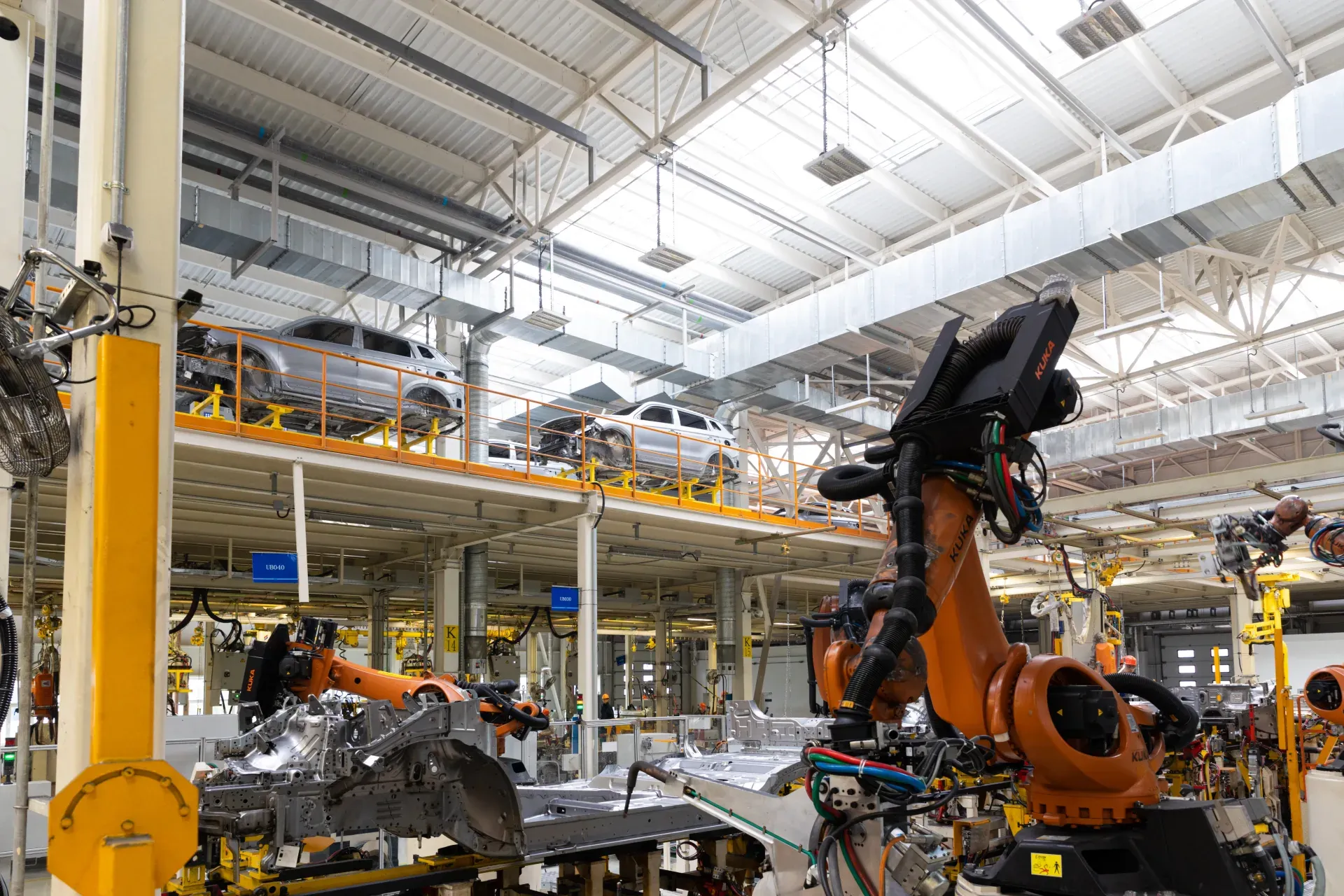
Industrial and warehouse punch list closeout.

Loading dock snagging: levelers, doors, lighting, and safety.

Racking installation snagging: alignment, bracing, and signage.