01 / 05Photo to formVISION AI
Take a Photo. AI Fills the Form.
Your inspector takes a photo of any asset or defect. AI reads it and fills the inspection form automatically.
No typing. No manual entry.

Apply for a limited-time deal on Premium.We apply it on your demo.
Black FridayPremium dealEnds
See the Deal
Use this slope stability inspection form to check slope stability setup, condition, and safe operation on mining sites so teams can confirm the slope stability stays safe and serviceable, capturing photo evidence per finding and tracking each fix through to closure. Watch for unresolved slope stability defects and repeat findings. Records support DGMS regulations, ISO 45001 and the Mines Act.
6 sections22 questions16 to 30 minutesFree
 Photo AddedPhoto AddedPhoto Added
6 sections · 22 questions · 16 to 30 minutes · Free
Three steps, about 16 to 30 minutes.
Section by section, one check at a time.
Tap Fail, add a photo, assign who fixes it.
The report is ready the moment you finish.
Paper for a one-off check. The app when every finding needs fixing.
Branded checklist
Customize with your logo and company details.
Quick answer
A slope stability inspection form is the structured form used to confirm the slope stability stays safe and serviceable that mining teams use to check the key inspection points, assign owners to any failures, and close them with photo proof. Completed in InspectWrk, it is timestamped, works offline, and exports as an audit-ready mining report for DGMS regulations, ISO 45001 and the Mines Act.
A slope stability inspection form is the structured form used to confirm the slope stability stays safe and serviceable that mining teams use to check slope stability setup, condition, and safe operation, capture photo evidence, and track corrective actions to closure. Its job is to confirm the slope stability stays safe and serviceable. This slope stability inspection form records the condition of pit slopes and batter faces, covering crack monitoring, ravelling, water seepage, and prism or radar movement readings. Run digitally in InspectWrk, every finding is timestamped, photo-evidenced, and traceable to the inspector, with the records mining teams need for DGMS regulations, ISO 45001 and the Mines Act.
Mine safety officers, Shift supervisors and Maintenance engineers still miss unresolved slope stability defects and repeat findings when rounds are ticked without photo evidence on each slope stability check.
Without a single inspection record, teams reconstruct the evidence from phones instead of proving DGMS regulations, ISO 45001 and the Mines Act readiness.
It helps mine safety officers and supervisors keep mining work consistent, safe, and auditable, with the evidence needed for DGMS regulations, ISO 45001 and the Mines Act:
A complete slope stability inspection form works through slope stability setup, condition, and safe operation, then records inspection context, scored checkpoints, and evidence with corrective actions:
Record where and when the inspection runs:
Define what each checkpoint verifies and how results are scored:
Make every finding traceable and actionable:
Follow these steps to run the slope stability inspection form:
See how this checklist fits into Mining inspection software.
This checklist runs as a mobile inspection app that works fully offline on site, with AI-powered defect detection on every photo. To see it on your own workflows, talk to our team.
Submit an inspection and AI writes the PDF report and Excel sheet for you. No admin, no waiting.
Your inspector takes a photo of any asset or defect. AI reads it and fills the inspection form automatically.
No typing. No manual entry.
Inspectors speak their observations in any language. AI transcribes and fills the form in real time.
Completely hands-free in the field.
The moment an inspection is submitted, AI summarises the findings and builds a branded PDF report and an Excel sheet for you.
No manual reporting. No copy-paste.
InspectWrk integrates with the tools your team already uses, including Zoho, Microsoft 365, and SAP.
No double entry.
Your operations team sees completion rates, open issues, and compliance scores across all sites in real time.
No chasing updates.
See which checklists your team has in progress across every site, jump into the same inspection with one tap, and keep field, supervisor, and back-office views in sync without sending screenshots on WhatsApp.
Every team reports differently. Build the report your operations, quality, or compliance leads actually want to read, share it as a branded PDF, and schedule delivery to the stakeholders who need it.
See completion, pass rate, and recurring findings across every checklist and every site, without pulling spreadsheets together at the end of the month.
See this checklist running on your own sites in a 30-minute demo.
Book a Free DemoIt is scoped to the scheduled cadence and controls that mine safety officers, shift supervisors, maintenance engineers, HSE managers run, not a one-off handover walk. It prompts slope stability setup, condition, and safe operation, watching for unresolved slope stability defects and repeat findings, records pass, fail, or N/A with photo evidence on each slope stability check on critical items, and raises corrective actions with owners before sign-off. Run in InspectWrk, the record is timestamped and rolls into trend reports so repeat failures surface before the next audit.
They work through each checkpoint to confirm the slope stability stays safe and serviceable, confirm the required controls are in place, and capture photo evidence on each slope stability check on anything that fails or needs proof. Priority failure modes include unresolved slope stability defects and repeat findings. Each checkpoint takes pass, fail, or N/A, and a failed item stays open until the fix is verified.
It expects photo evidence on each slope stability check on failed or critical items, so findings rest on proof rather than memory. Records support DGMS regulations, ISO 45001 and the Mines Act, and every photo, note, and sign-off stays attached to the inspection instead of living in chat threads.
It checks slope stability setup, condition, and safe operation across mining sites. The round exists to confirm the slope stability stays safe and serviceable. It prioritises failure modes such as unresolved slope stability defects and repeat findings. Mine safety officers record pass, fail, or N/A on each item, capture photo evidence on anything that needs proof, and assign corrective actions with owners and due dates. Evidence expectations include photo evidence on each slope stability check. A failed item stays open until the fix is verified, and it runs offline so a weak signal never costs a round. Run in InspectWrk, every finding is timestamped and exports as a single mining report aligned to DGMS regulations, ISO 45001 and the Mines Act.
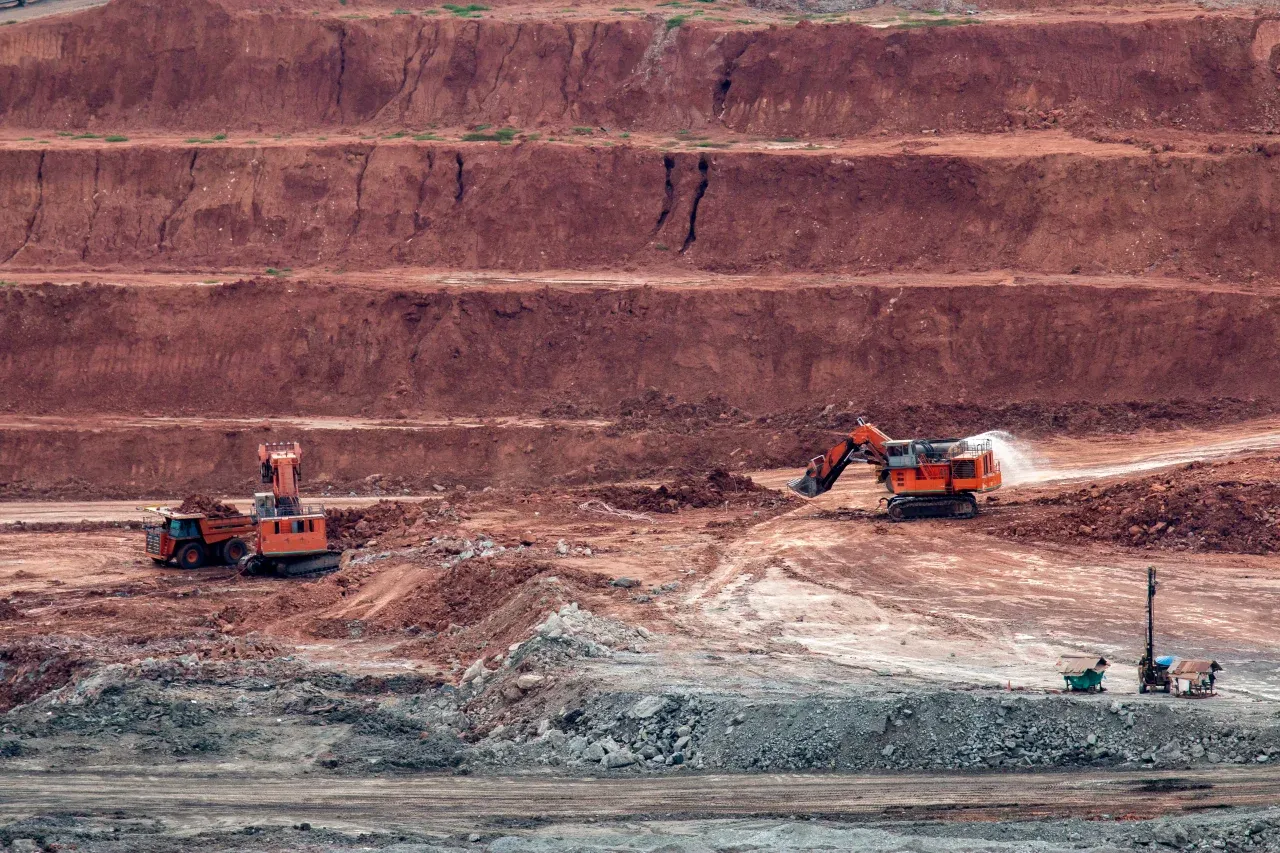
Run the 12 Week Underground Pump Station Calibration on the InspectWrk app to capture photo evidence per finding and generate audit-ready reports.
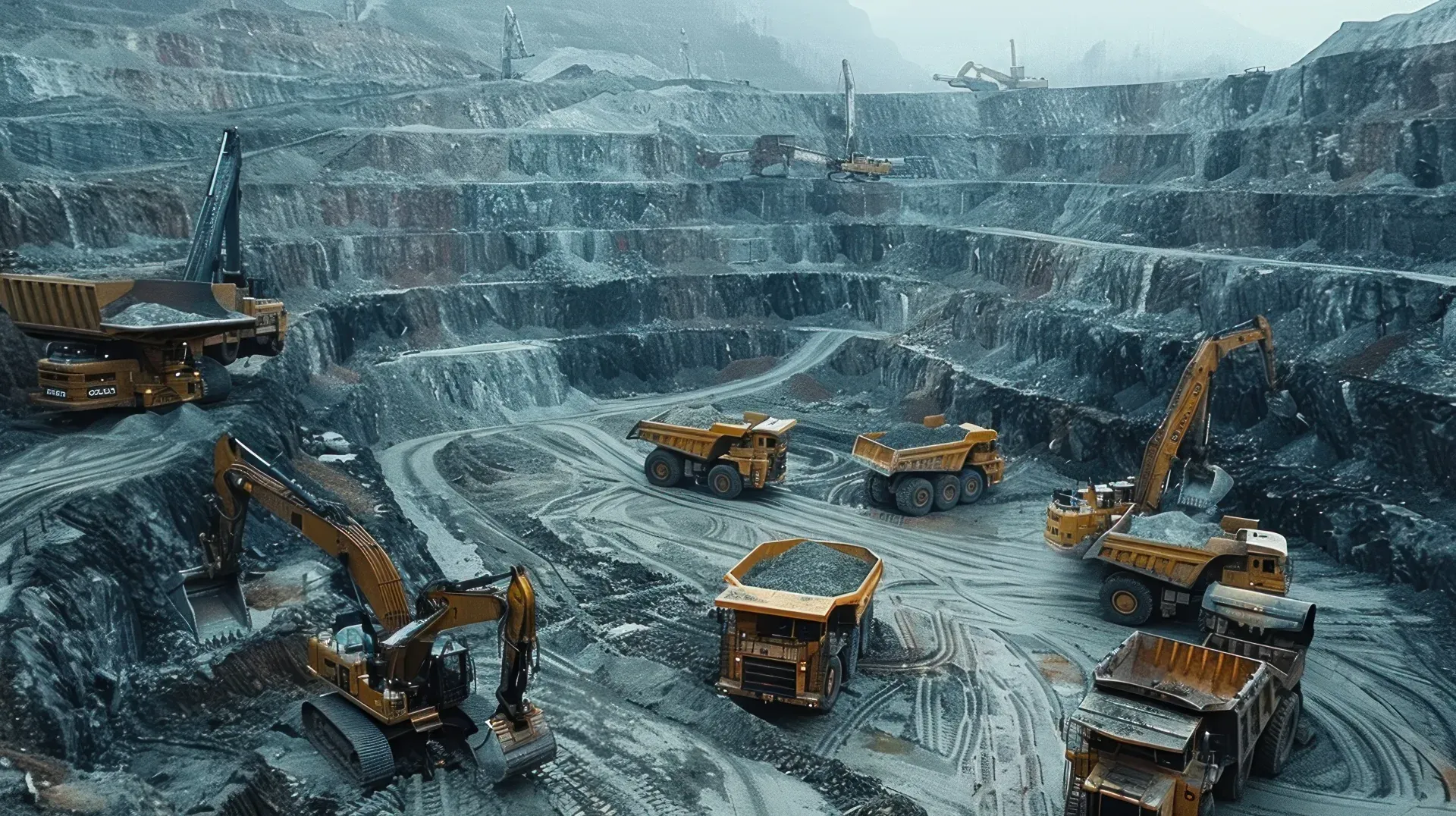
Conduct routine line audits across maintenance and production areas with this 15 Sapphire checklist.
Run the 210 Area - Monthly Area Safety Inspection on the InspectWrk app to capture photo evidence per finding and generate audit-ready reports.
Use this 3-monthly electrical systems CCV checklist to manage electrical event risks in mining operations.
Updated