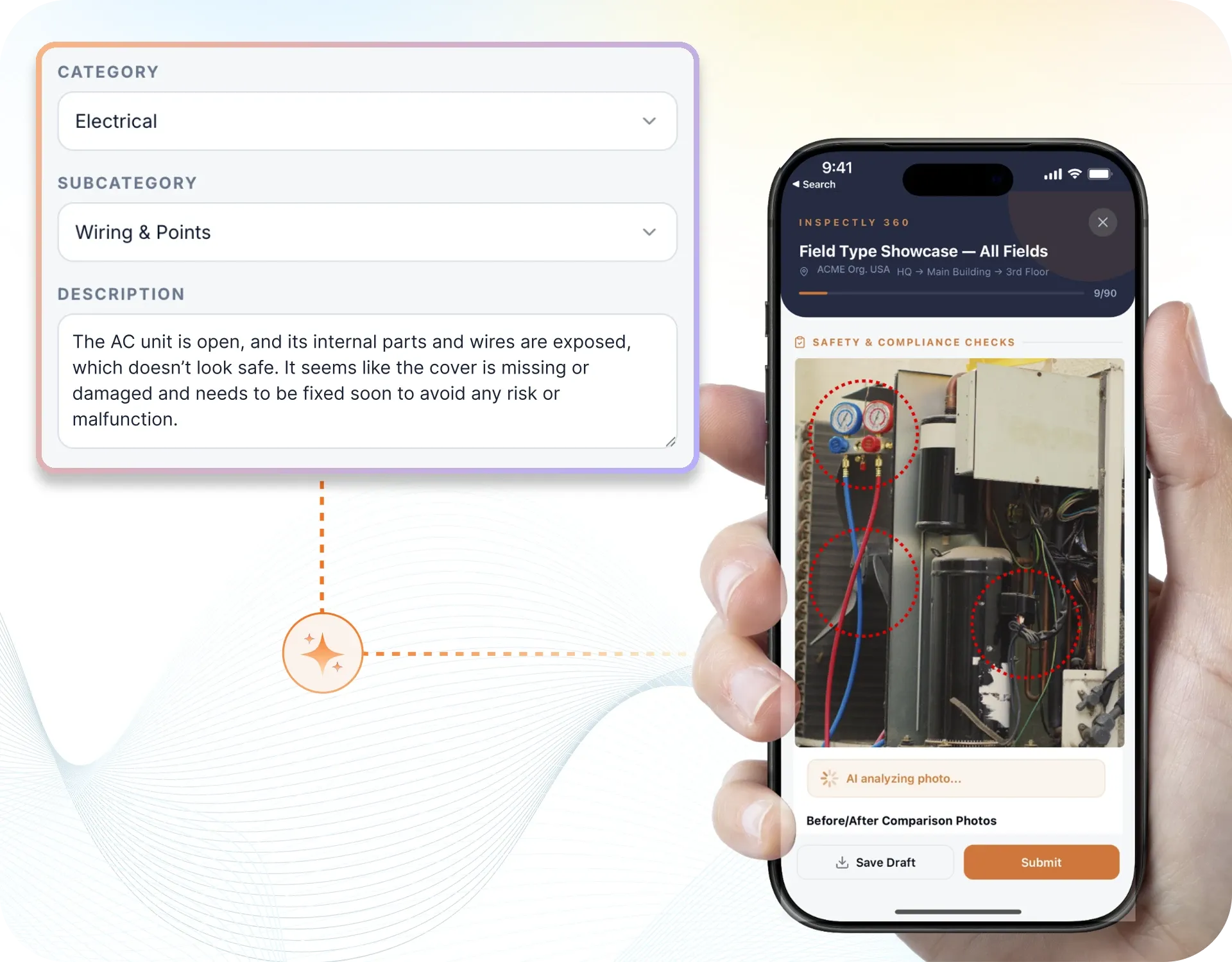
Take a Photo. AI Fills the Form
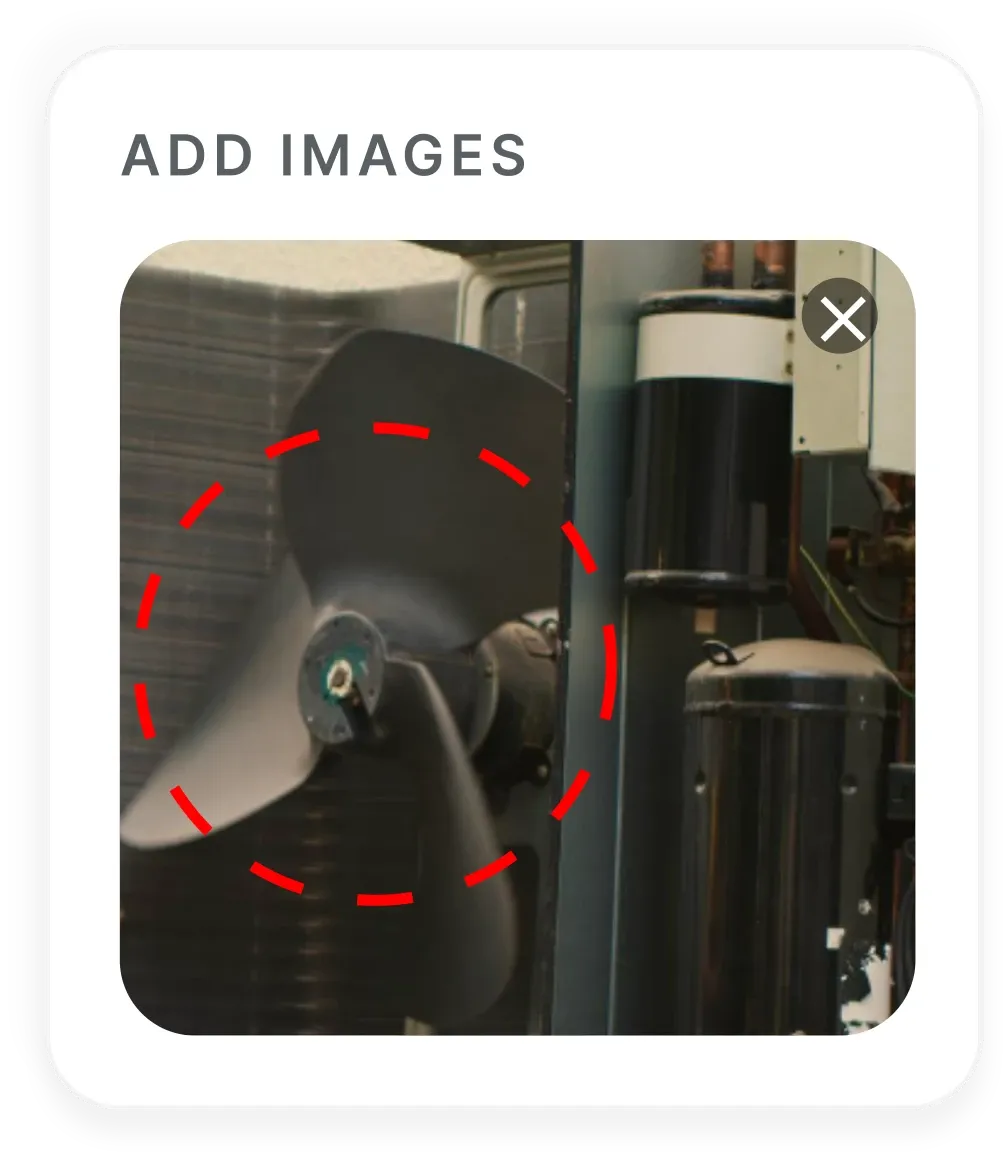
Your inspector takes a photo of any asset or defect. AI reads it and fills the inspection form automatically. No typing. No manual entry.

Use this ISO 17025 internal audit checklist to work through audit programme and planning, auditor competence and impartiality, clause-by-clause coverage, objective evidence, findings and nonconformities, and corrective actions and follow-up, logging issues with photos and notes and assigning corrective actions before sign-off.

Customize with your logo and company details.
Available on App
Run inspections on iOS and Android - no internet required. Capture photos, annotate defects, and generate reports in the field.
Run the ISO 17025 Internal Audit Checklist on the InspectWrk app instead of paper. Inspectors capture photo evidence, work offline, and assign corrective actions on the spot, and the report generates itself the moment the inspection is signed off.

ISO 17025 Internal Audit Checklist
ISO 17025 Internal Audit Checklist Dashboard
Prioritized actions to keep operations running smoothly today.
Total Revenue
$42,680
+12% compared to last month
Active Projects
128
+8 new this week
Open Requests
56
-15 resolved this week
Operational Target
You're on track to meet this month's operational goal.
Target Task
200 ↑
Complete Task
136 ↑
Pending Task
10 ↓
Monthly Performance
Recent Client Activity
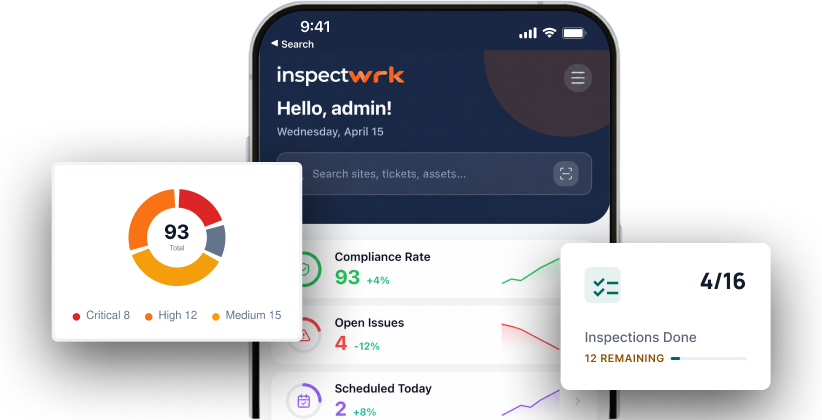
Everything your field team does on paper, InspectWrk does automatically: faster, more accurate, and without the admin.
Your inspector takes a photo of any asset or defect. AI reads it and fills the inspection form automatically. No typing. No manual entry.
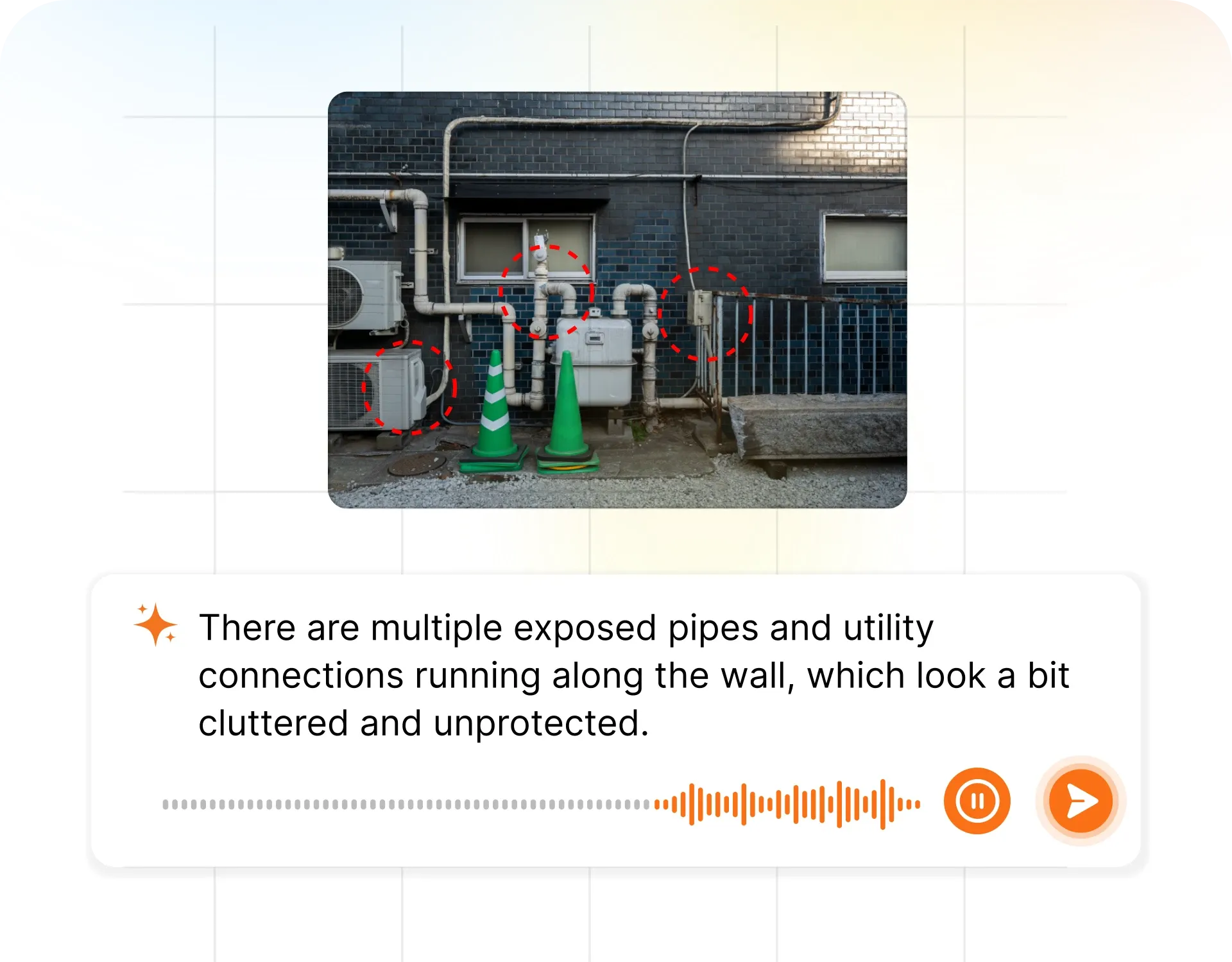
Inspectors speak their observations in any language. AI transcribes and fills the form in real time. Completely hands-free in the field.
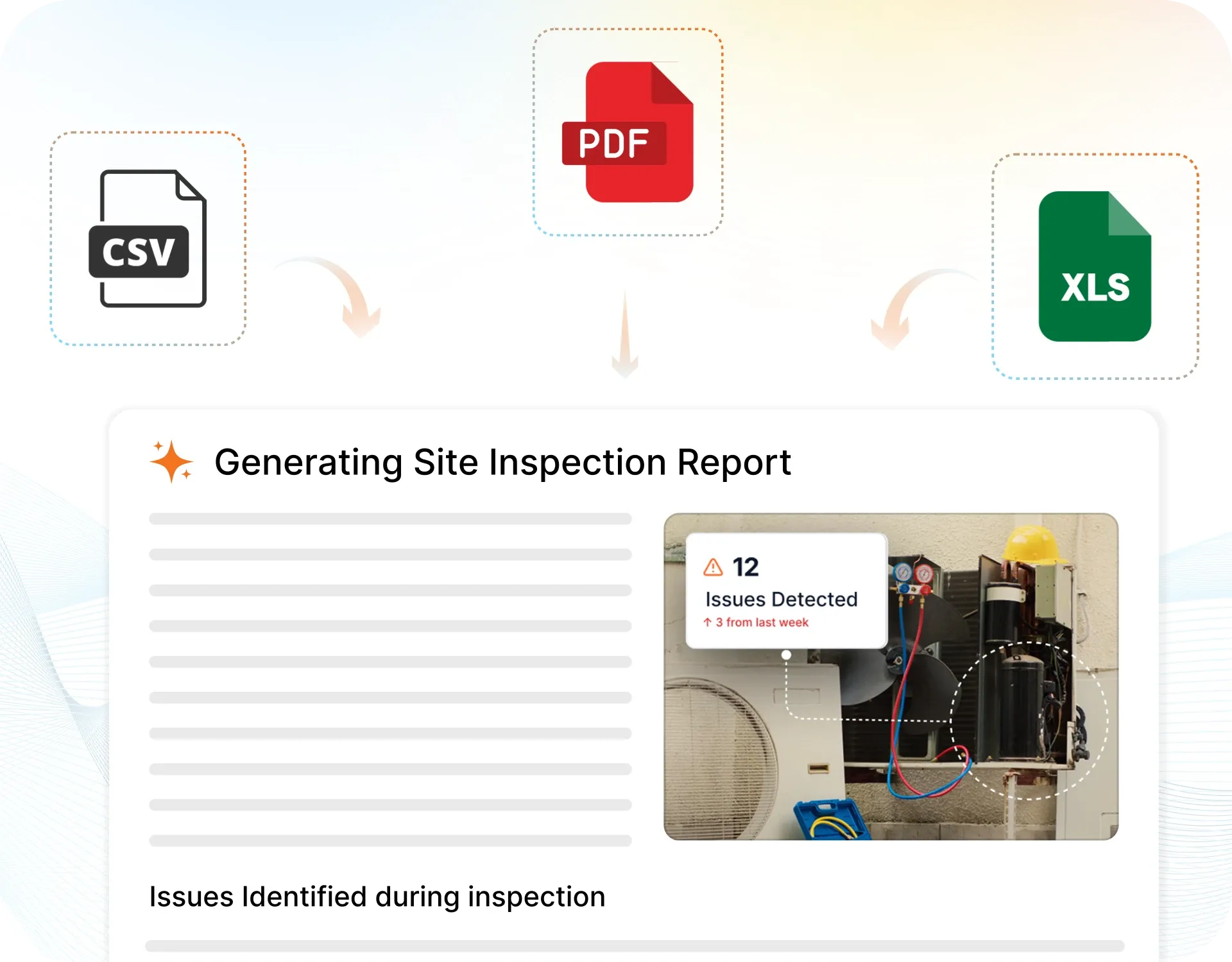
The moment an inspection is submitted, a branded PDF, Excel, or CSV report generates automatically. No manual work. No waiting.

InspectWrk integrates with the tools your team already uses, including Zoho, Microsoft 365, and SAP. No double entry.
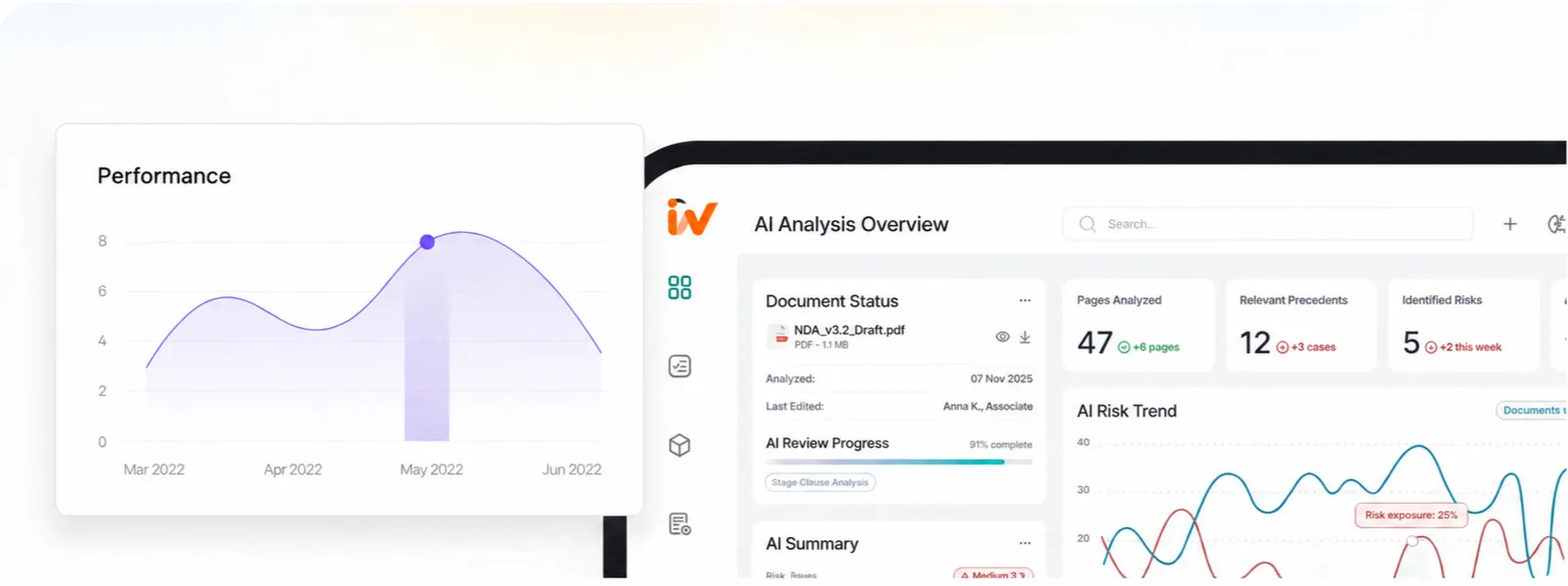
Your operations team sees completion rates, open issues, and compliance scores across all sites in real time. No chasing updates.
Manage every checklist in one connected workspace, capture evidence on mobile at the point of work, and let AI turn field inputs into clear, stakeholder-ready reports in minutes.

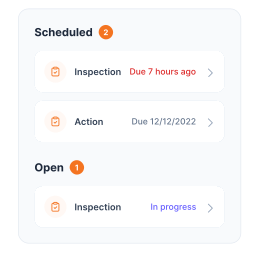
See which checklists your team has in progress across every site, jump into the same inspection with one tap, and keep field, supervisor, and back-office views in sync without sending screenshots on WhatsApp.


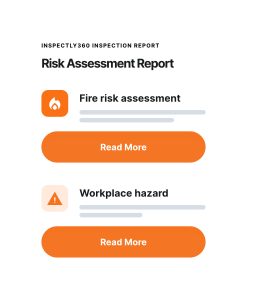
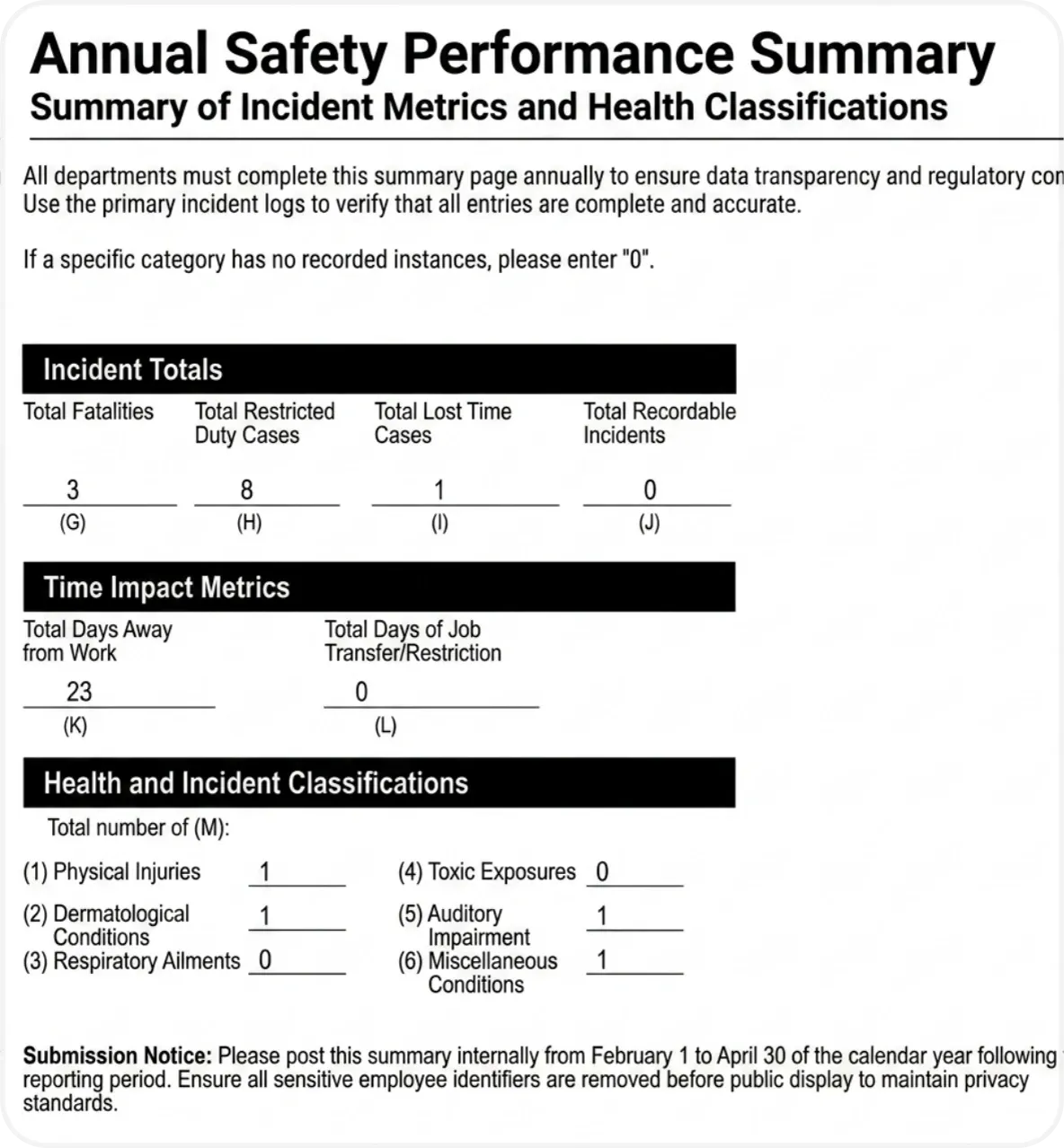


Every team reports differently. Build the report your operations, quality, or compliance leads actually want to read, share it as a branded PDF, and schedule delivery to the stakeholders who need it.


See completion, pass rate, and recurring findings across every checklist and every site, without pulling spreadsheets together at the end of the month.
Hand-picked templates for your specific industry needs.

This comprehensive threat assessment template provides a structured framework for evaluating various security risks and threats across multiple categories.

This course is the first of three in a series entitled 'Youth Entrepreneurship'.

Fire Risk Assessment in accordance with the Regulatory Reform (Fire Safety) Order 2005.

Run the 2. Youth Entrepreneurship: The Business Model on the InspectWrk app to capture photo evidence per finding and generate audit-ready reports.
An ISO 17025 internal audit checklist is used to plan and conduct an internal audit of a testing or calibration laboratory against ISO/IEC 17025:2017. It is built around the audit process: confirming the audit programme and scope, auditor competence and impartiality, clause-by-clause coverage, gathering objective evidence, stating findings and nonconformities against the requirement, and agreeing corrective actions to closure. It assesses an operating management system through auditing and feeds the results into management review, which makes it distinct from a first-time gap assessment or a general readiness checklist.
A gap assessment usually happens before accreditation, to find where a laboratory does not yet meet ISO/IEC 17025 and to plan the work to close those gaps. An internal audit happens on an operating management system, on a programme, to confirm through evidence that it continues to conform and works in practice. One builds readiness; the other maintains and assures it. The internal audit is also more formal about auditor independence, objective evidence and verified corrective actions. This checklist is the internal audit; the gap assessment is a separate page.
No. ISO/IEC 17025 requires internal audits at planned intervals, but the frequency, the audit programme and the sample of records and activities depend on the laboratory's size, risks and history, so the checklist does not fix them. It confirms that a programme exists and covers all requirements over time, and that sampling is planned to give confidence across the scope, and lets you record what your programme uses. Set the actual frequency and sampling against your own risk-based programme rather than a universal rule.
In InspectWrk, an internal audit runs as a structured checklist: the auditor records the scope and criteria, works clause by clause capturing objective evidence, and raises each nonconformity against the specific requirement with its significance. Corrective actions are assigned to owners with due dates and tracked to verified closure, and the audit record feeds management review. Everything is timestamped and stored, so the laboratory has a defensible audit trail and can show that internal audits are genuinely closing issues rather than repeating them.

An ISO 17025 internal audit checklist is used to plan and conduct an internal audit of a testing or calibration laboratory against ISO/IEC 17025:2017. It is built around the audit process: confirming the audit programme and scope, auditor competence and impartiality, clause-by-clause coverage, gathering objective evidence, stating findings and nonconformities against the requirement, and agreeing corrective actions to closure. It assesses an operating management system through auditing, and feeds the results into management review, distinct from a first-time gap assessment.
An ISO 17025 internal audit checklist is used to run an internal audit of a testing or calibration laboratory against ISO/IEC 17025:2017. Its purpose is to check, through objective evidence, that the laboratory's management system and technical activities conform to the standard and work in practice. It follows the auditing approach of ISO 19011: a planned programme, competent and impartial auditors, and findings based on evidence. It is for auditing an operating system, distinct from a first-time gap assessment.
Working through the audit programme and planning, auditor competence and impartiality, clause-by-clause coverage, objective evidence, findings and nonconformities, and corrective actions and follow-up, the checklist keeps the audit disciplined and its findings defensible. Because the scope and sampling depend on the laboratory's activities and the programme, the checklist covers the audit steps and lets you record what applies rather than prescribing a fixed sample.
Internal audits of a laboratory often drift into a formality: the same auditor reviews their own area, findings are opinions rather than evidence, and nonconformities are raised but never verified as closed. The audit satisfies the requirement on paper but gives management no real assurance, and the same issues reappear at the accreditation assessment.
An ISO 17025 internal audit checklist fixes that by holding the audit to the discipline of ISO 19011: a programme that covers everything over time, competent and impartial auditors, findings based on objective evidence tied to the requirement, and corrective actions verified to closure. The audit becomes a genuine source of assurance that feeds management review.
A disciplined internal audit gives real assurance, not a paper exercise:
A complete internal audit runs from the programme to closure:
Set up the audit:
Audit against the standard:
Close the loop:
Run the internal audit against the standard:
See how this checklist fits into Professional Services inspection software.
This checklist runs as a mobile inspection app that works fully offline on site, with AI-powered defect detection on every photo. To see it on your own workflows, talk to our team.