Take a Photo. AI Fills the Form
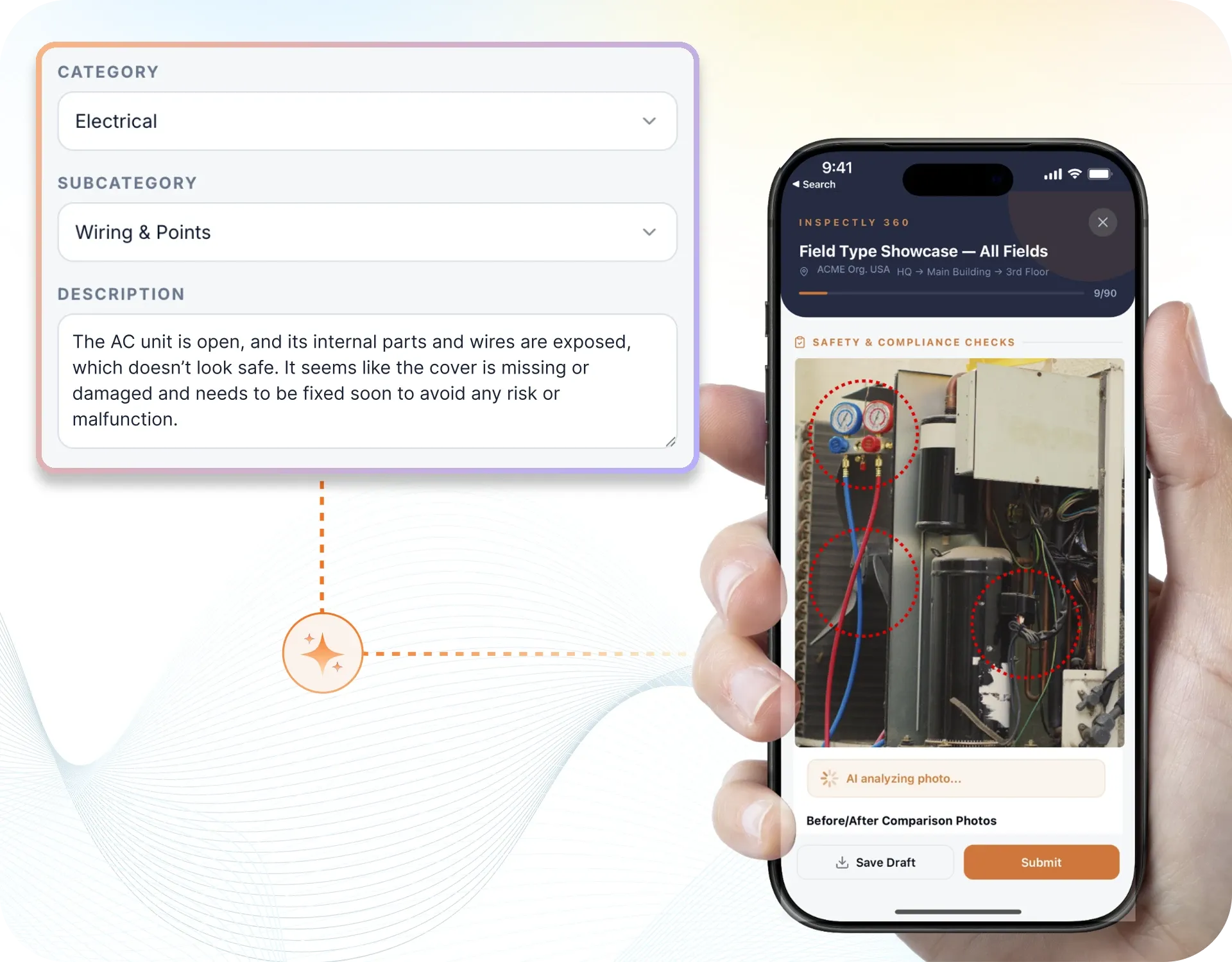
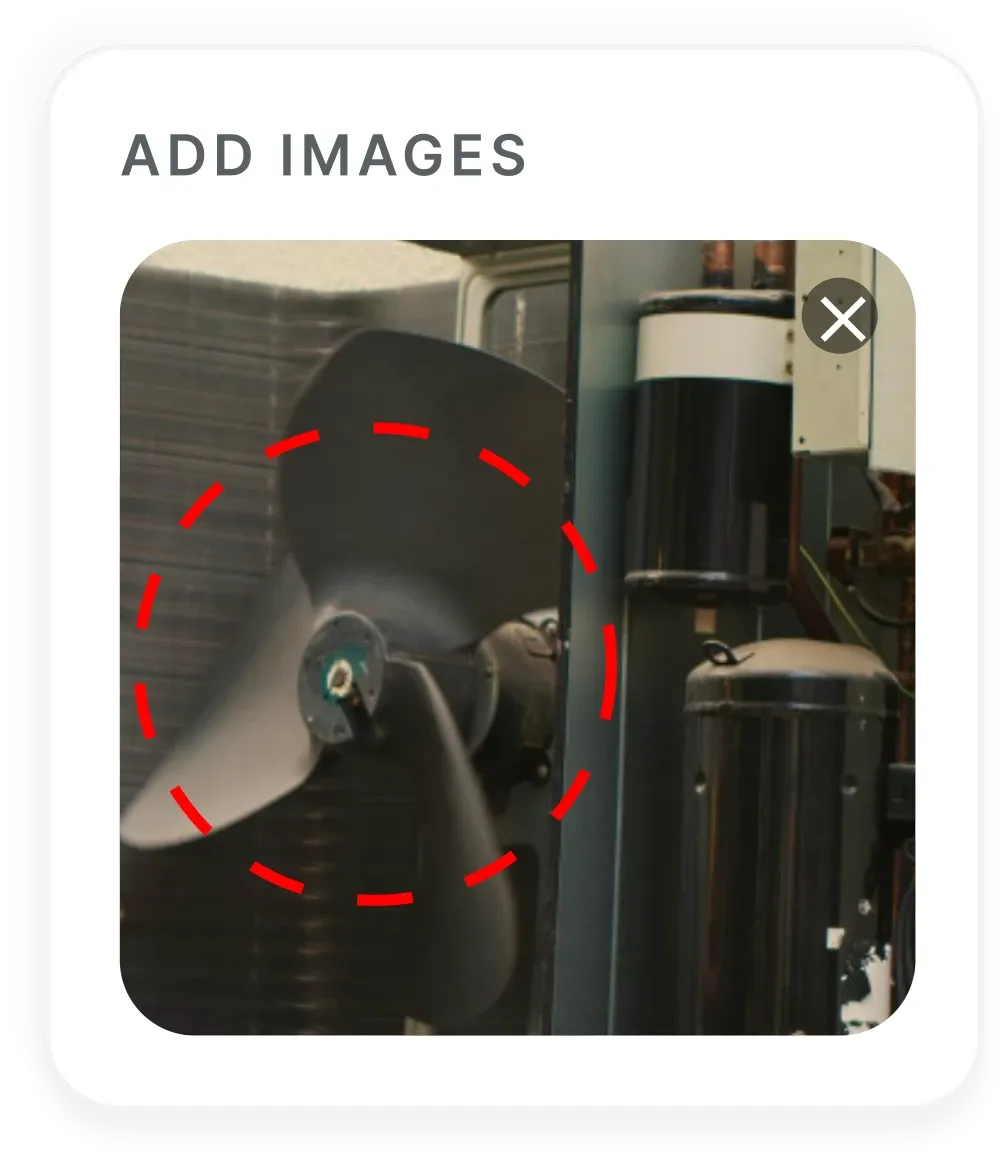
Your inspector takes a photo of any asset or defect. AI reads it and fills the inspection form automatically. No typing. No manual entry.

Convert your checklist into Mobile App
Browse by use case or industry, or see what other teams use most.
Book 30 minutes to discuss your challenges and see how InspectWrk digitizes operations with mobile apps, automated reporting, and real-time dashboards.
Use this retail equipment disposal checklist to review equipment identification and asset records, disposal approval and authorization, condition and reuse assessment, data security and decommissioning, electrical and utilities isolation, and removal and logistics planning, capturing photo evidence per finding and tracking each fix through to closure.

Customize with your logo and company details.
Available on App
Run inspections on iOS and Android - no internet required. Capture photos, annotate defects, and generate reports in the field.
Run the Retail Equipment Disposal Checklist on the InspectWrk app instead of paper. Inspectors capture photo evidence, work offline, and assign corrective actions on the spot, and the report generates itself the moment the inspection is signed off.

Retail Equipment Disposal Checklist
Retail Equipment Disposal Checklist Dashboard
Prioritized actions to keep operations running smoothly today.
Total Revenue
$42,680
+12% compared to last month
Active Projects
128
+8 new this week
Open Requests
56
-15 resolved this week
Operational Target
You're on track to meet this month's operational goal.
Target Task
200 ↑
Complete Task
136 ↑
Pending Task
10 ↓
Monthly Performance
Recent Client Activity
Everything your field team does on paper, InspectWrk does automatically: faster, more accurate, and without the admin.
Your inspector takes a photo of any asset or defect. AI reads it and fills the inspection form automatically. No typing. No manual entry.
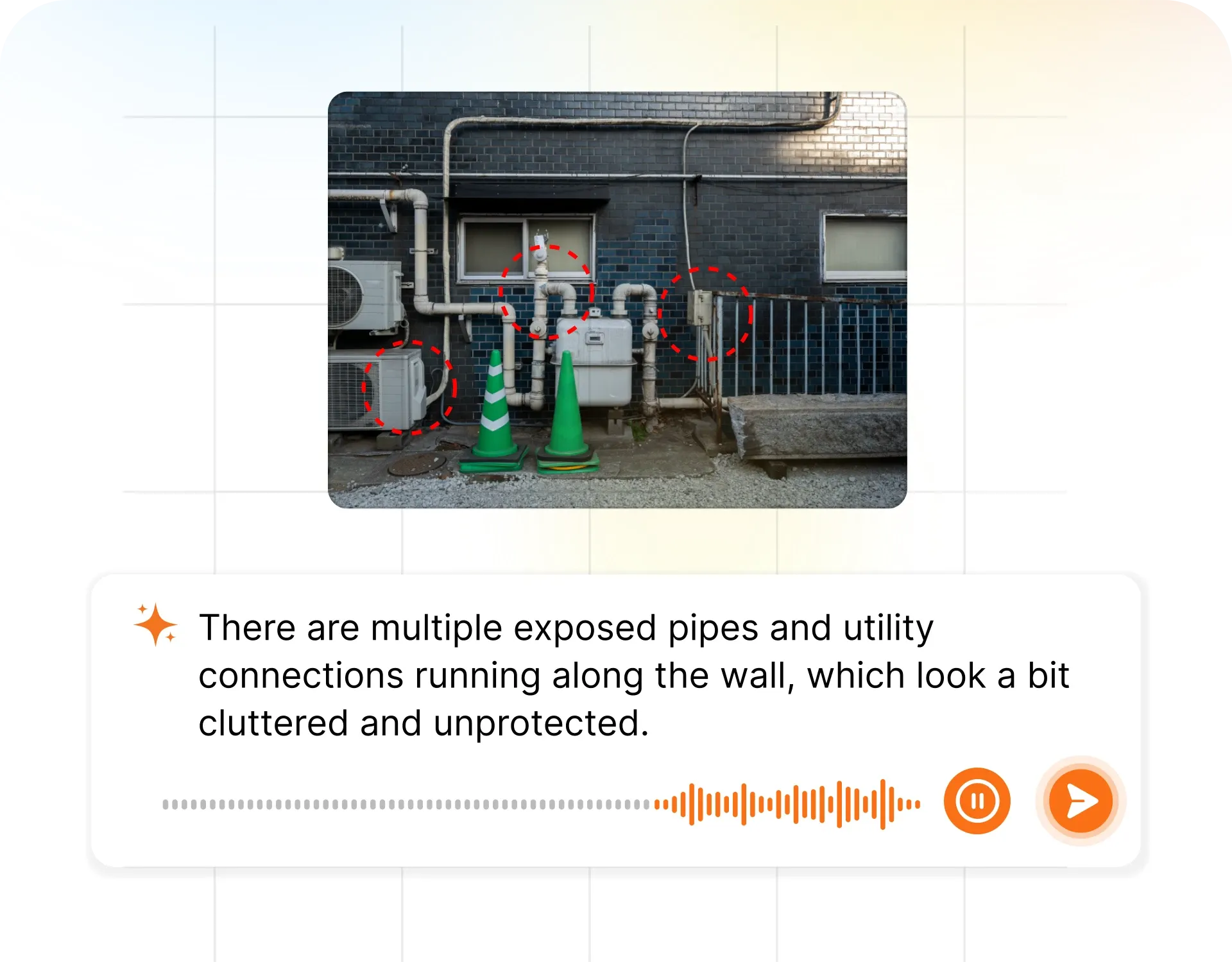
Inspectors speak their observations in any language. AI transcribes and fills the form in real time. Completely hands-free in the field.
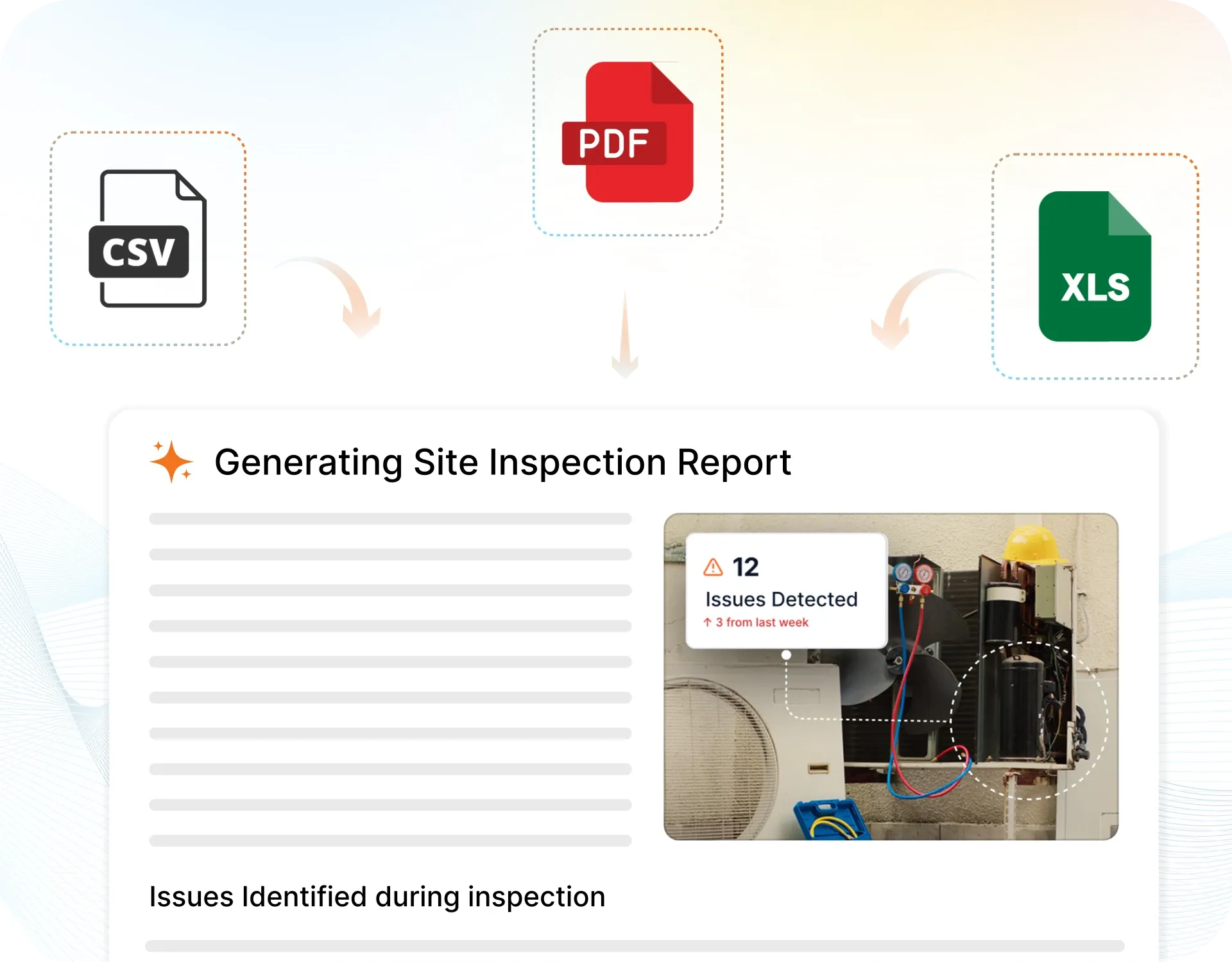
The moment an inspection is submitted, a branded PDF, Excel, or CSV report generates automatically. No manual work. No waiting.

InspectWrk integrates with the tools your team already uses, including Zoho, Microsoft 365, and SAP. No double entry.
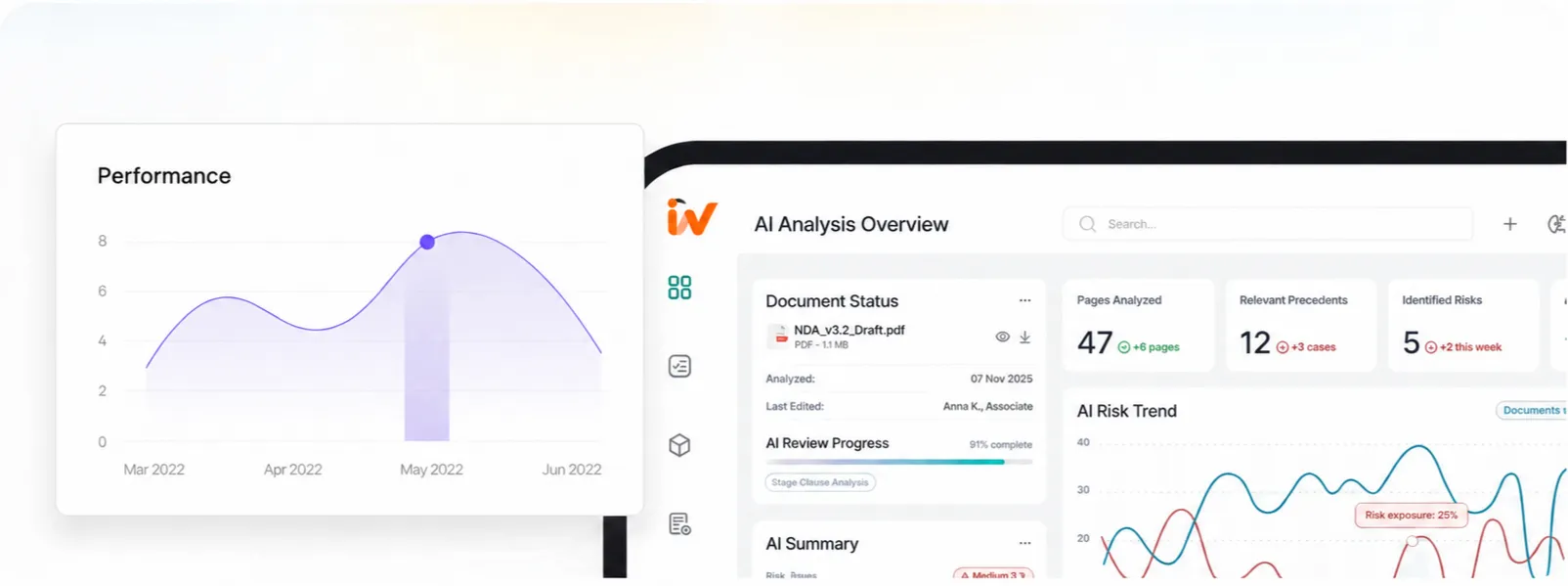
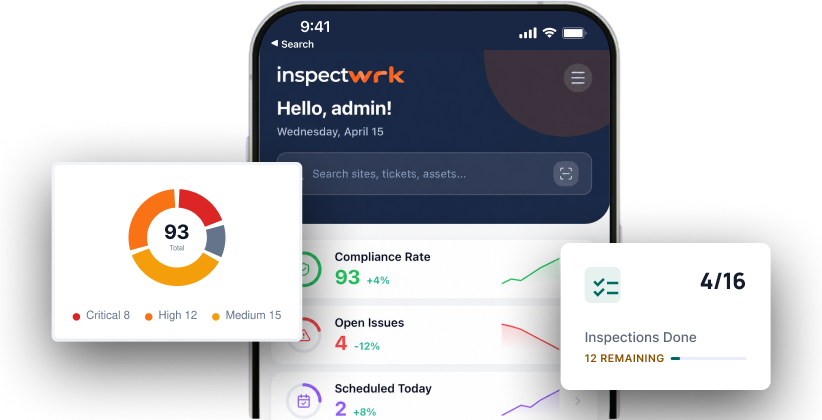
Your operations team sees completion rates, open issues, and compliance scores across all sites in real time. No chasing updates.
Manage every checklist in one connected workspace, capture evidence on mobile at the point of work, and let AI turn field inputs into clear, stakeholder-ready reports in minutes.


See which checklists your team has in progress across every site, jump into the same inspection with one tap, and keep field, supervisor, and back-office views in sync without sending screenshots on WhatsApp.


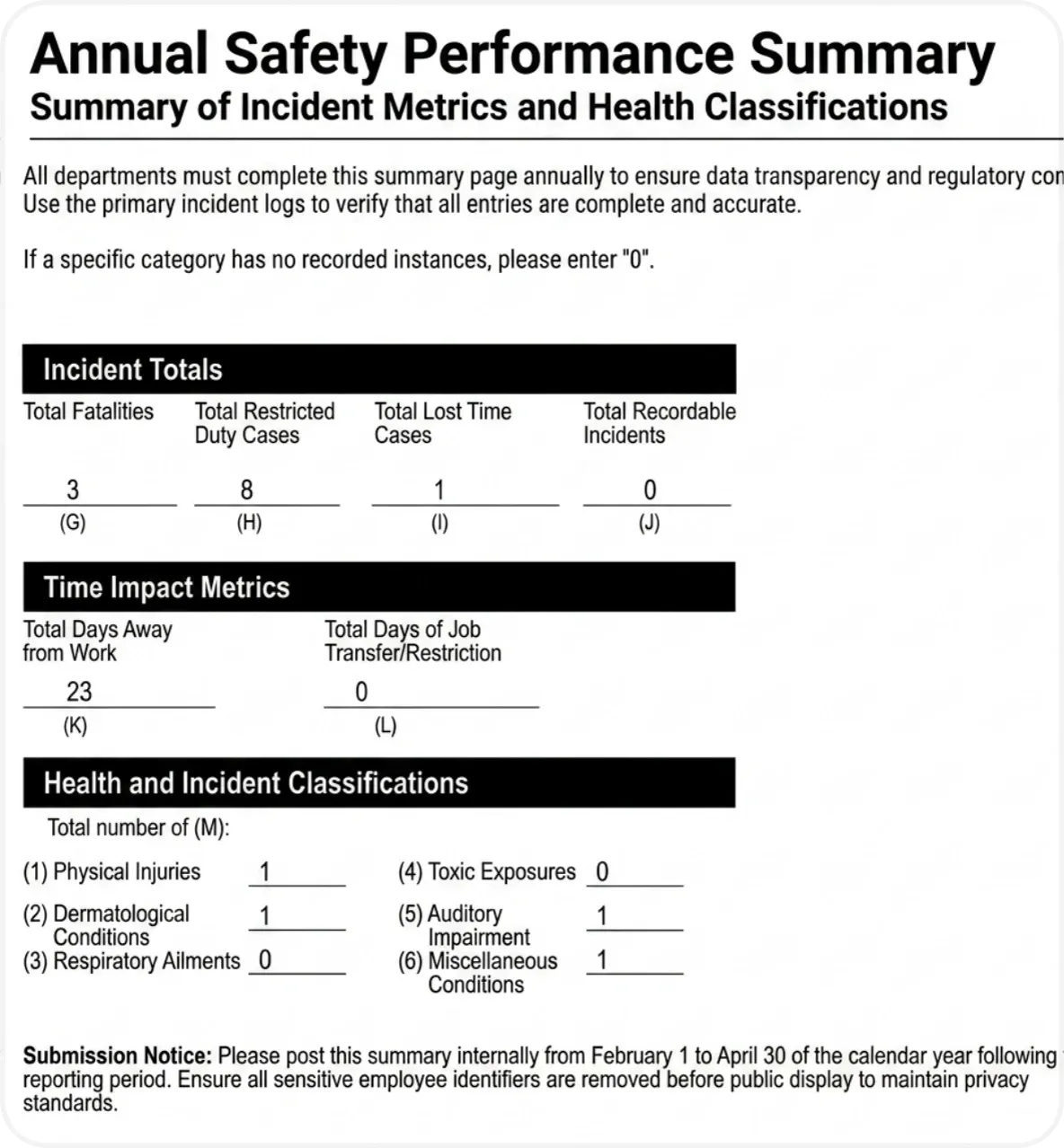


Every team reports differently. Build the report your operations, quality, or compliance leads actually want to read, share it as a branded PDF, and schedule delivery to the stakeholders who need it.

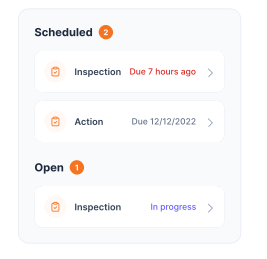

See completion, pass rate, and recurring findings across every checklist and every site, without pulling spreadsheets together at the end of the month.
Hand-picked templates for your specific industry needs.

Cash wrap and POS area snagging: counters, power, data, and security.

Mall common area snagging: flooring, ceiling, MEP, wayfinding, and life safety.

Retail punch list closeout and final snag verification.
Work through disposal on mobile, capture approvals, data-wipe confirmation, and waste transfer notes, assign owners and due dates, and keep every retired asset audit-ready.
It is used to retire store equipment from service in a controlled, documented way. Instead of simply throwing an item out, the checklist walks a team through identifying the asset, getting disposal approved, deciding whether it can be reused or resold, wiping any stored data, isolating power and utilities, arranging licensed removal and recycling, and updating the asset register. The result is proof that each retired item left the site safely, legally, and with a complete record for finance and auditors.
An inventory checklist counts and reconciles stock, and a cleaning checklist keeps the store presentable. Equipment disposal is about permanently retiring an asset. It may include an inventory check, but only to confirm what is leaving and to update the register afterwards. Its real focus is approval, data security, safe electrical and utilities isolation, the correct recycling or disposal route, and the paperwork that proves duty of care, none of which a stock-count or cleaning routine covers.
Any device that stored data, such as POS terminals, payment devices, scanners, tablets, and PCs, must be wiped and have accounts and SIM or memory cards removed before it leaves, to meet UK GDPR. Electrical and electronic items should go to a licensed WEEE recycler, and hazardous parts such as batteries, lamps, and refrigerant gas must be separated. A waste transfer note and proof of disposal show the business met its duty of care under waste rules.
It is normally run by store managers or facilities and maintenance teams, with asset and inventory controllers confirming the register update and loss prevention or IT signing off data destruction on connected devices. Disposal approval usually sits with the store or area manager, and specialist steps such as refrigerant recovery are carried out by a competent contractor. Recording each person and date keeps the disposal accountable and gives auditors a clear trail from approval through to final removal.

A retail equipment disposal checklist is the step-by-step workflow retail and facilities teams follow to retire store equipment from service and record how it was disposed of. It covers asset identification, disposal approval, condition and reuse decisions, data wiping, electrical and utilities isolation, licensed recycling, waste transfer records, and the asset-register update. Completed in InspectWrk, each step is timestamped, works offline, and exports as an audit-ready record for the WEEE Regulations, waste duty-of-care rules, and UK GDPR data destruction.
A retail equipment disposal checklist is the controlled process for removing unwanted or end-of-life equipment from a store and documenting exactly how it was disposed of. Rather than a store tidy-up, it follows a clear sequence: identify the asset, get disposal approved, decide whether it can be reused or resold, wipe any stored data, isolate power and utilities, arrange licensed removal and recycling, and update the asset register. Used by store, facilities, and asset teams, it proves each retired item left the site safely, legally, and with a full paper trail.
Store and facilities teams often retire equipment in a hurry, with no record of who approved it or where it went. POS terminals and back-office PCs get skipped or thrown out with data still on them, refrigerant and electrical waste ends up on the wrong route, and usable assets are scrapped instead of transferred. Months later the asset register still lists items that left the building, and there is no waste transfer note to prove the business met its duty of care.
A structured disposal workflow fixes that by forcing approval, data destruction, the right recycling route, and a register update on every item, with evidence kept for audit.
A disciplined disposal process protects data, keeps the business compliant with waste and environmental rules, and stops retired assets going missing:
A complete retail equipment disposal checklist moves an item from in-service to fully disposed in clear stages:
Confirm what is being disposed of and that it is authorised:
Make the item safe and clear of data before it leaves:
Route the item to the right destination and prove it:
Run the disposal in order so nothing is missed:
See how this checklist fits into Retail inspection software.
This checklist runs as a mobile inspection app that works fully offline on site, with AI-powered defect detection on every photo. To see it on your own workflows, talk to our team.