

Retail5,000+ downloads
Retail store fit out snagging checklist
Retail store fit-out snagging: shopfront, POS, lighting, and finishes. Punch list for opening.
- Retail
- Fit out

Retail checklists
Library of free retail audit checklist templates: store audits, VM compliance, planogram checks, cold chain, and brand standards. Find the right checklist and run it on the InspectWrk app.
Search or browse by industry to pick a proven template.
Edit questions, scoring and required photos to fit your sites.
Run it in the InspectWrk app, even offline, or export a PDF.
Sign off and a branded report is generated and shared.
1,313 free templates, ready to use in the app or as a PDF.
Showing 1-12 of 1,313 templates
Retail store fit-out snagging: shopfront, POS, lighting, and finishes. Punch list for opening.

Shopfront and storefront snagging: glazing, signage, lighting, and access. Defect capture for handover.

Cash wrap and POS area snagging: counters, power, data, and security. Pre-opening punch list.
Mall common area snagging: flooring, ceiling, MEP, wayfinding, and life safety. Handover punch list.

Retail punch list closeout and final snag verification. Confirm all defects resolved before sign-off.

Convenience store managers and staff use this cleaning checklist to keep every area sanitary shift by shift, covering entrance and forecourt, sales floor, checkout, restrooms, food-service and coffee stations, coolers and freezers, and waste areas with verification, photo evidence, and supervisor sign-off.

Standardise your dispatch operations with our comprehensive 5S audit checklist. Track pallet organization, return goods documentation, and inventory management efficiently.

Comprehensive retail cleaning audit template with scoring matrix, internal and external area assessments, action plans, and general feedback sections for ...
You can use this General Store Audit Checklist to evaluate the facilities, employees, safety, cleanliness, and processes within your retail ...

Use this General Mystery Shopper Questions template to record your overall impression of an establishment - its environment, staff members assistance ...
This Retial Store Checklist template can be used for inspecting sinage, entrances and exits and security for retail stores.
Comprehensive customer service evaluation template for retail stores. Track employee performance, service quality, cleanliness, and customer interactions with our detailed ...
Open a ready-to-use template and customize it for your team.
Every Retail template in one place: 1,313 in total.
A retail audit checklist (aka retail store walkthrough checklist) is a structured framework used to assess store execution against brand, operational, compliance, and merchandising standards. For growing chains, franchise networks, and multi-location retailers, it creates one clear operating baseline across every branch so expectations are not left to interpretation.
In practice, an effective audit checklist for retail stores helps area managers and operations teams validate store conditions, pricing accuracy, planogram compliance, stock visibility, staff readiness, and customer-facing quality. When powered by retail inspection software, the same checklist also becomes a live performance system that delivers photo-backed evidence, accountability by owner, and faster reporting than paper-based audits.
Whether you manage a single flagship, a regional cluster, or a national footprint, a digital shop audit checklist improves consistency, speeds execution, and reduces operational blind spots. It helps teams move from reactive issue handling to proactive control of store standards, compliance, and performance.
A retail operations checklist translates brand standards into repeatable, verifiable actions that every store team can follow. From entrance condition and promotional setup to shelf presentation and checkout readiness, teams execute the same expectations every day, not just during scheduled visits.
Using a retail store standards checklist also improves cross-store consistency for visual merchandising checklist execution, pricing compliance, and campaign rollouts. That consistency protects brand trust, improves shopper confidence, and reduces variation that can impact conversion and basket value.
A store inspection checklist helps teams detect stock anomalies earlier by enforcing cycle counts, damaged-item handling, and receiving controls at store level. Instead of discovering losses at month-end, managers can identify variance trends in near real time and intervene faster.
For high-velocity and high-risk categories, combining a supermarket audit checklist with exception tracking improves stock accuracy and loss prevention discipline. This supports better replenishment decisions, stronger availability on key SKUs, and improved gross margin protection.
Audit outcomes reveal where execution gaps are capability gaps. A staff performance checklist makes it easier to pinpoint whether missed standards are linked to product knowledge, selling behavior, SOP adherence, or compliance understanding.
With clear scoring and evidence, regional managers can prioritize targeted coaching instead of generic retraining. Over time, this raises frontline consistency, improves customer interactions, and strengthens accountability across teams and shifts.
A strong retail store visit checklist should cover operational execution end-to-end: customer-facing standards, back-of-house controls, people performance, and risk. The goal is to give operations and compliance teams complete visibility into what is happening in each location and what requires follow-up.
Use a visual merchandising checklist to verify shelf organization, promotional compliance, signage clarity, and display quality across priority zones. Include checks for planogram adherence, ticketing accuracy, hero-product placement, and seasonal execution quality.
For multi-store brands, this section of a retail store operations checklist is essential to maintain consistent customer perception and campaign impact. It ensures that central strategy is translated into in-store execution with measurable outcomes.
Your checklist for retail store operations should validate receiving workflows, cycle count discipline, shelf-to-system alignment, and treatment of expired or damaged stock. Include controls for high-shrink categories and out-of-stock root causes.
These checks improve inventory integrity, reduce write-offs, and support better forecasting. They also help store operations software and retail audit software produce more reliable KPI reporting for leadership teams.
A retail store audit questionnaire should assess service fundamentals such as greeting quality, queue awareness, product confidence, and resolution capability. It should also capture upselling behavior, promotion communication, and escalation handling.
When this data is tracked consistently, leaders can benchmark stores fairly, coach with precision, and improve conversion-driving behaviors at team level.
A retail compliance checklist should cover emergency exits, fire equipment readiness, hazard controls, incident logging, and secure cash/close procedures. Include clear pass/fail criteria and required corrective actions for non-compliant findings.
This creates stronger audit readiness, lowers operational risk, and demonstrates governance discipline across locations and departments.
Retail inspections should run on a defined cadence tied to business-critical workflows, not on ad hoc manager availability. Daily checks protect opening and closing standards, weekly audits validate merchandising and process execution, and monthly reviews confirm broader compliance and performance trends.
Using a daily store checklist format alongside weekly and monthly templates gives you layered control: immediate issue detection, recurring performance visibility, and long-term consistency. This approach is especially effective for franchise operators and regional teams managing many stores at once.
Read more on retail checklists for Retail Store Standard Operating Procedures.
A high-performing internal audit checklist for the retail industry should be simple for stores to execute and strong enough for leadership to trust. Use the following workflow to turn audits into measurable improvements across compliance, service quality, and store performance.
Define the audit objective first, such as brand execution, shrinkage reduction, service quality, or safety compliance. Select the right retail audit checklist and assign ownership before the visit so every area has a clear reviewer and expected evidence standard.
Execute the retail store walkthrough checklist zone by zone: entrance, sales floor, fitting rooms, checkout, stockroom, and back-office controls. Validate standards, observe team behavior, and confirm process adherence against your retail store operations checklist.
Capture findings in a structured retail store audit questionnaire with photos, severity, ownership, and due dates. This prevents ambiguity and ensures corrective actions are actionable, traceable, and reviewable at area and regional levels.
Analyze recurring failures, identify root causes, and assign corrective actions with clear accountability. Share insights through dashboards and store-level scorecards so operations, compliance, and merchandising teams can align on priorities.
With retail audit software and retail inspection software, this final step becomes continuous improvement rather than one-off reporting, helping teams protect standards, improve efficiency, and scale execution confidently.
Choose a proven workflow, customize it for your operation and deploy it to your team.
View All Apps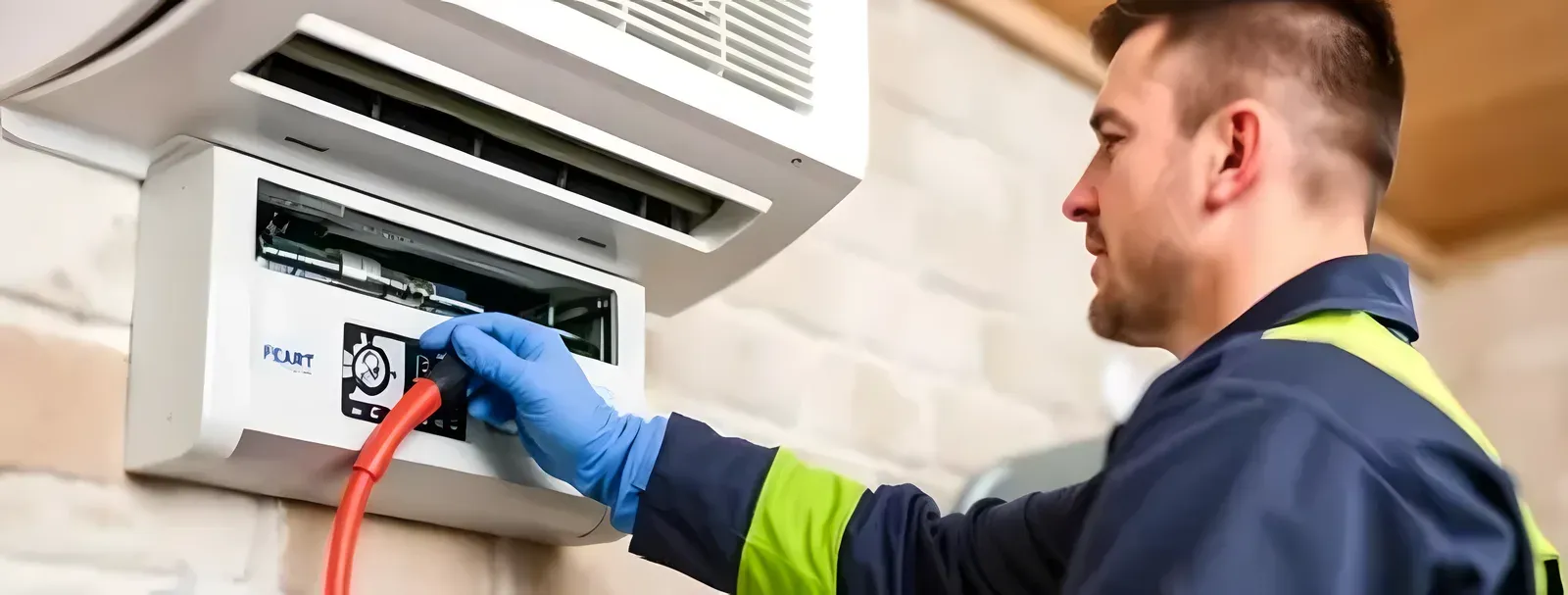 FacilitiesRated 4.8
by InspectWrk
Run planned maintenance, HVAC, and building services checks from one app.
 BuildingRated 4.8
by InspectWrk
Building condition and compliance inspections with photo evidence.
 PropertyRated 4.8
by InspectWrk
Move-in, move-out, and routine property condition reports.
 ConstructionRated 4.8
by InspectWrk
Site-level safety, quality, and progress checks for construction.
See your own checklist running in the app in a 30-minute demo.
Book a Free DemoA retail store audit checklist should cover brand standards, visual merchandising, cleanliness, safety, and the statutory checks a store cannot miss. Brand and VM items verify displays, planograms, signage, and stock presentation against head-office standards. Operational items cover opening and closing procedures, cash handling, loss prevention, and inventory accuracy. Safety and compliance items should name real obligations: Legal Metrology weights, measures, and MRP display, fire extinguisher and exit checks for the store's fire safety NOC, and FSSAI hygiene checks where the store sells or prepares food. Each finding should carry a photo and a corrective action. Running these on one template set means every store is audited the same way and head office can compare locations fairly.
The platform turns retail compliance obligations into scheduled digital checks with photo evidence and a corrective action trail. Stores in India commonly answer to the Legal Metrology Act for weights, measures, and MRP or net-quantity display, the Food Safety and Standards Act enforced by FSSAI where they sell packaged food or run a food court, the state Shops and Establishments Act for premises and working conditions, and fire safety NOC requirements for the store and the mall it sits in. Instead of tracking each on a separate paper register, a store runs one set of templates mapped to these standards, so a Legal Metrology renewal, an FSSAI hygiene round, or a fire extinguisher check is scheduled, evidenced, and escalated if it lapses.
It keeps brand standards consistent by putting the same audit templates and scoring in front of every store, rather than leaving each manager to interpret a standard from a PDF nobody opens. Brand and visual merchandising audits run on identical templates with photo evidence, so results are genuinely comparable across the estate and head office can see which stores meet the standard and which do not. When an audit finds a gap, a corrective action is assigned with an owner and a deadline, and overdue items escalate automatically. Multi-location dashboards rank stores on brand and VM compliance, so a quietly underperforming store becomes visible instead of hiding behind the estate average.
Yes. Stockrooms, basements, and stores in large malls often have weak in-store signal, so the app works fully offline. Auditors complete store audits, capture photo evidence, score brand standards, and assign corrective actions with no connectivity at all, and everything is stored on the device with timestamps until the signal returns. When the device reconnects, the completed audit and its findings sync automatically, so head office and regional managers see them immediately and action on any non-compliance can start straight away. The auditor never has to find a network to finish a walkthrough or submit a report, which is what keeps store audits happening on schedule rather than being skipped on a busy trading day.
It turns audit findings into tracked corrective actions rather than observations that sit in a report. When an audit flags an issue, a corrective action is created with an owner, a deadline, and a priority, and assigned to the right store or regional manager. Automated alerts and escalations make sure overdue items are not ignored, and closing an action requires evidence. Dashboards rank stores and surface recurring issues, so a regional manager can see which locations need a visit and which problems repeat across the estate. That means a brand standard or compliance gap is followed through to verified closure, and head office can tell at a glance whether stores are resolving findings or just recording them.
Last updated: