01 / 05Photo to formVISION AI
Take a Photo. AI Fills the Form.
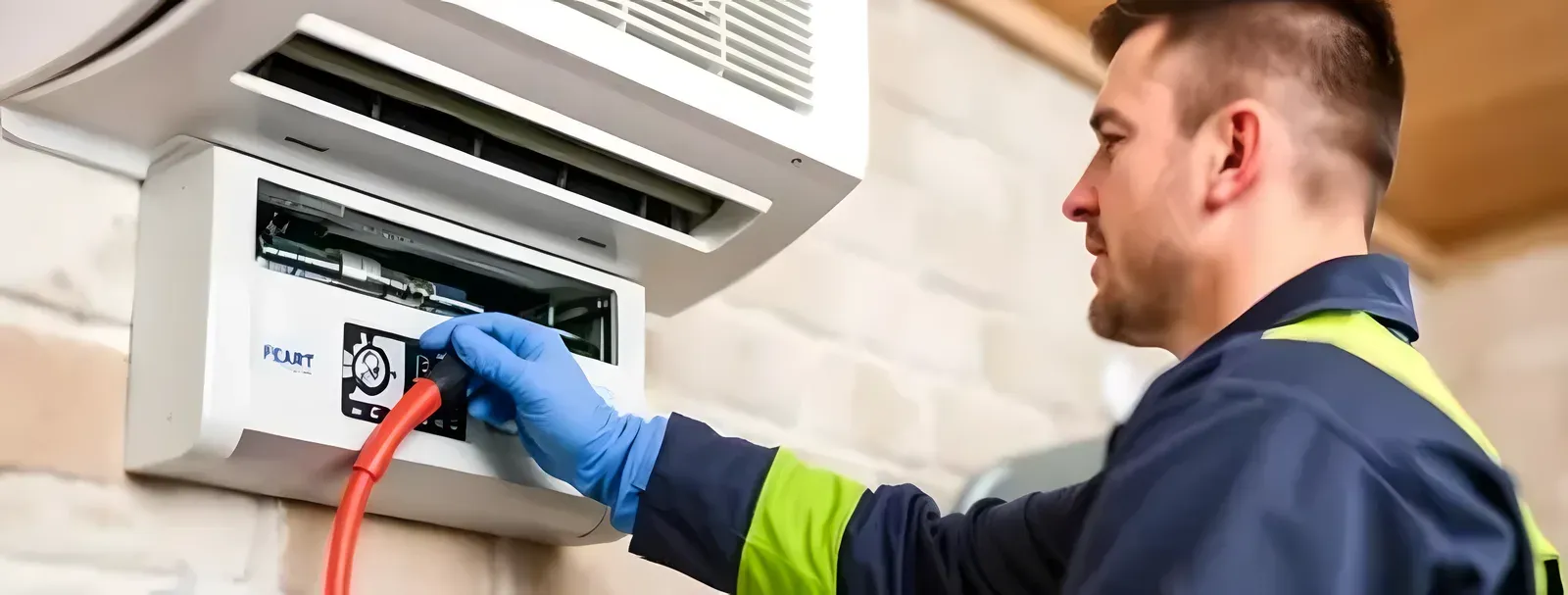
Your inspector takes a photo of any asset or defect. AI reads it and fills the inspection form automatically.
No typing. No manual entry.

Use this FOD inspection checklist to work through inspection area and location, runways, taxiways and movement areas, aircraft parking and stand areas, hangars and maintenance areas, tools and equipment accountability, and ground support equipment (GSE), logging issues with photos and notes and assigning corrective actions before sign-off.
10 sections50 questions16 to 30 minutesFree
 Photo AddedPhoto AddedPhoto Added
10 sections · 50 questions · 16 to 30 minutes · Free
Record the specific area or zone being inspected, for example runway, taxiway, apron stand, hangar bay, workshop or ground support equipment compound.
Record the date, time and inspector, and confirm who has operational control of the area during the check.
Confirm the area was coordinated or cordoned with operations before it is walked where live traffic or aircraft movement is possible.
Note weather, lighting and surface conditions that affect the ability to see small debris.
Confirm the previous FOD inspection for this area was closed out and carry forward any open items.
Walk or drive the movement area and look for stones, metal fragments, bolts, wire, rubber and pavement fragments on the surface.
Check pavement joints, edges, shoulders and drainage grilles where debris collects.
Inspect for spalling, loose aggregate or debris generated by pavement breakup.
Check that painted markings and any adjacent construction areas are not shedding material onto the surface.
Record the exact location of any FOD found, for example the runway designator, taxiway, distance marker or a grid reference.
Inspect each stand, gate and parking position for debris before and after aircraft movement.
Check under and around the aircraft, on service roads and at equipment staging points for loose items.
Look for catering, cargo and baggage debris such as plastic wrap, strapping, labels and packaging.
Check fuel and de-icing areas for caps, seals and dropped hardware.
Confirm stands are swept or cleared on the required frequency and after each turnaround where required.
Inspect hangar floors, aircraft work zones and access platforms for dropped hardware and consumables.
Confirm lockwire offcuts, rivets, drill swarf, fasteners and safety wire are collected and not left near the aircraft.
Look for rags, gloves, tape, packaging and shop towels that could be drawn into intakes or left inside structures.
Check open aircraft panels, bays and intakes for tools or foreign objects before closure.
Confirm the area is cleaned after each shift and before the aircraft is moved or powered.
Confirm tools are inventoried and accounted for before and after the task using a shadow board, tool control log or equivalent.
Check for any missing, broken or unaccounted tool and start a search before the aircraft is closed or moved.
Verify consumables such as drill bits, blades, batteries and small parts are tracked and none are unaccounted for.
Confirm calibrated and borrowed tools are returned and signed back in.
Record any tool or item that cannot be located and the action taken.
Inspect GSE, tugs, dollies, steps and carts for loose parts, dropped hardware and leaking fluids that create FOD.
Check that panels, caps, pins and fasteners on GSE are secure and not shedding.
Confirm GSE parking and staging areas are clear of debris and cables are managed.
Look for worn tires, chains and straps that shed fragments onto the movement area.
Record any GSE defect that could generate FOD and remove the unit from service where needed.
Look for loose bolts, nuts, washers, rivets, safety wire and other hardware on surfaces and in equipment.
Check for packaging, plastic, banding, paper and material waste from stores and deliveries.
Confirm personal items such as badges, pens, phones, PPE and food wrappers are not left in operational areas.
Check that windblown debris from adjacent landside, construction or vegetation areas is controlled.
Record the type and likely source of each item found so the source can be addressed.
Confirm FOD bins and containers are provided, clearly marked, positioned where debris is generated and not overflowing.
Check that bins are emptied on the required frequency and their contents are reviewed to identify recurring sources.
Confirm work areas follow good housekeeping so debris does not accumulate between inspections.
Check that magnetic bars, sweepers or FOD carts, where used, are serviceable and used as scheduled.
Verify FOD awareness signage and reminders are in place and legible.
Remove or control each item of FOD found immediately and record what was removed and from where.
Record the location, type and suspected source of each finding with a photograph.
Assign an owner and due date for any corrective action that addresses the source, for example a shedding GSE unit or a construction area.
Escalate any FOD event that reached an engine, tire or aircraft for damage assessment.
Confirm any suspected foreign object damage to an aircraft or engine is reported through the maintenance and safety reporting process.
Re-inspect the area after removal to confirm it is clear.
Verify each assigned corrective action is completed and close it with evidence.
Review repeat findings and locations to target FOD prevention at the source.
Confirm the completed inspection is recorded, attributed and available for audit.
Check FOD trends across inspections to see whether rates are improving.
Three steps, about 16 to 30 minutes.
Section by section, one check at a time.
Tap Fail, add a photo, assign who fixes it.
The report is ready the moment you finish.
Paper for a one-off check. The app when every finding needs fixing.
Branded checklist
Customize with your logo and company details.
Quick answer
A FOD inspection checklist is the structured inspection used to inspect operational and maintenance areas for foreign object debris, remove or control the hazard, capture evidence and track corrective actions that transport, logistics & warehousing teams use to check the key inspection points, assign owners to any failures, and close them with photo proof. Completed in InspectWrk, it is timestamped, works offline, and exports as an audit-ready transport, logistics & warehousing report for the applicable FOD prevention program requirements (for example FAA AC 150/5210-24 for airports and NAS 412 / AS9146 for maintenance and manufacturing), the aerodrome and ground-operations requirements that apply to the area (for example ICAO Annex 14 and IATA IGOM / ISAGO for ramp operations) and your organization's FOD control procedures and the manufacturer requirements for the aircraft and equipment.
A FOD inspection checklist is the structured inspection used to inspect operational and maintenance areas for foreign object debris, remove or control the hazard, capture evidence and track corrective actions that transport, logistics & warehousing teams use to check inspection area and location, runways, taxiways and movement areas, aircraft parking and stand areas, hangars and maintenance areas, tools and equipment accountability, and ground support equipment (GSE), capture photo evidence, and track corrective actions to closure. Its job is to inspect operational and maintenance areas for foreign object debris, remove or control the hazard, capture evidence and track corrective actions. Inspect operational and maintenance areas for foreign object debris (FOD) that could damage aircraft, engines, tires or equipment.
Airside operations and safety officers and Aircraft maintenance technicians and inspectors still miss foreign object debris and open corrective actions when rounds are ticked without photo evidence.
Without maintenance logs, teams reconstruct the evidence from phones instead of proving the applicable FOD prevention program requirements (for example FAA AC 150/5210-24 for airports and NAS 412 / AS9146 for maintenance and manufacturing), the aerodrome and ground-operations requirements that apply to the area (for example ICAO Annex 14 and IATA IGOM / ISAGO for ramp operations) and your organization's FOD control procedures and the manufacturer requirements for the aircraft and equipment readiness.
It helps airside operations and safety officers and supervisors keep transport, logistics & warehousing work consistent, safe, and auditable, with the evidence needed for the applicable FOD prevention program requirements (for example FAA AC 150/5210-24 for airports and NAS 412 / AS9146 for maintenance and manufacturing), the aerodrome and ground-operations requirements that apply to the area (for example ICAO Annex 14 and IATA IGOM / ISAGO for ramp operations) and your organization's FOD control procedures and the manufacturer requirements for the aircraft and equipment:
A complete FOD inspection checklist works through movement areas, parking stands, hangars, tools and tool accountability, ground support equipment and housekeeping, then records inspection context, scored checkpoints, and evidence with corrective actions:
Record where and when the inspection runs:
Define what each checkpoint verifies and how results are scored:
Make every finding traceable and actionable:
Follow these steps to run the FOD inspection checklist:
See how this checklist fits into Transport, Logistics & Warehousing inspection software.
This checklist runs as a mobile inspection app that works fully offline on site, with AI-powered defect detection on every photo. To see it on your own workflows, talk to our team.
Submit an inspection and AI writes the PDF report and Excel sheet for you. No admin, no waiting.
Your inspector takes a photo of any asset or defect. AI reads it and fills the inspection form automatically.
No typing. No manual entry.
Inspectors speak their observations in any language. AI transcribes and fills the form in real time.
Completely hands-free in the field.
The moment an inspection is submitted, AI summarises the findings and builds a branded PDF report and an Excel sheet for you.
No manual reporting. No copy-paste.
InspectWrk integrates with the tools your team already uses, including Zoho, Microsoft 365, and SAP.
No double entry.
Your operations team sees completion rates, open issues, and compliance scores across all sites in real time.
No chasing updates.
See which checklists your team has in progress across every site, jump into the same inspection with one tap, and keep field, supervisor, and back-office views in sync without sending screenshots on WhatsApp.
Every team reports differently. Build the report your operations, quality, or compliance leads actually want to read, share it as a branded PDF, and schedule delivery to the stakeholders who need it.
See completion, pass rate, and recurring findings across every checklist and every site, without pulling spreadsheets together at the end of the month.
See this checklist running on your own sites in a 30-minute demo.
Book a Free DemoIt is scoped to the scheduled cadence and controls that airside operations and safety officers, aircraft maintenance technicians and inspectors, ground handling and ramp supervisors, quality, FOD prevention and EHS teams run, not a one-off handover walk. It prompts movement areas, parking stands, hangars, tools and tool accountability, ground support equipment and housekeeping, watching for foreign object debris and open corrective actions, records pass, fail, or N/A with photo evidence on critical items, and raises corrective actions with owners before sign-off. Run in InspectWrk, the record is timestamped and rolls into trend reports so repeat failures surface before the next audit.
They work through each checkpoint to inspect operational and maintenance areas for foreign object debris, remove or control the hazard, capture evidence and track corrective actions, confirm the required controls are in place, and capture photo evidence on anything that fails or needs proof. Priority failure modes include foreign object debris and open corrective actions. Each checkpoint takes pass, fail, or N/A, and a failed item stays open until the fix is verified.
It expects photo evidence, plus maintenance logs on failed or critical items, so findings rest on proof rather than memory. Records support the applicable FOD prevention program requirements (for example FAA AC 150/5210-24 for airports and NAS 412 / AS9146 for maintenance and manufacturing), the aerodrome and ground-operations requirements that apply to the area (for example ICAO Annex 14 and IATA IGOM / ISAGO for ramp operations) and your organization's FOD control procedures and the manufacturer requirements for the aircraft and equipment, and every photo, note, and sign-off stays attached to the inspection instead of living in chat threads.
The FOD inspection checklist covers inspection area and location, runways, taxiways and movement areas, aircraft parking and stand areas, hangars and maintenance areas, tools and equipment accountability, and ground support equipment (GSE). On each checkpoint, airside operations and safety officers record pass, fail, or N/A, add a photo on anything that needs proof, and raise a corrective action with an owner and due date. Run in InspectWrk, the inspection is timestamped, traceable to whoever completed it, and exports as a single transport, logistics & warehousing report aligned to the applicable FOD prevention program requirements (for example FAA AC 150/5210-24 for airports and NAS 412 / AS9146 for maintenance and manufacturing), the aerodrome and ground-operations requirements that apply to the area (for example ICAO Annex 14 and IATA IGOM / ISAGO for ramp operations) and your organization's FOD control procedures and the manufacturer requirements for the aircraft and equipment.
Give your Transport, Logistics & Warehousing team a repeatable process for asset tracking software.

A mobile-ready inspection template for transport and logistics teams focused on field data collection app.
Give your Transport, Logistics & Warehousing team a repeatable process for inspection management software.

Looking at inspection software for logistics.