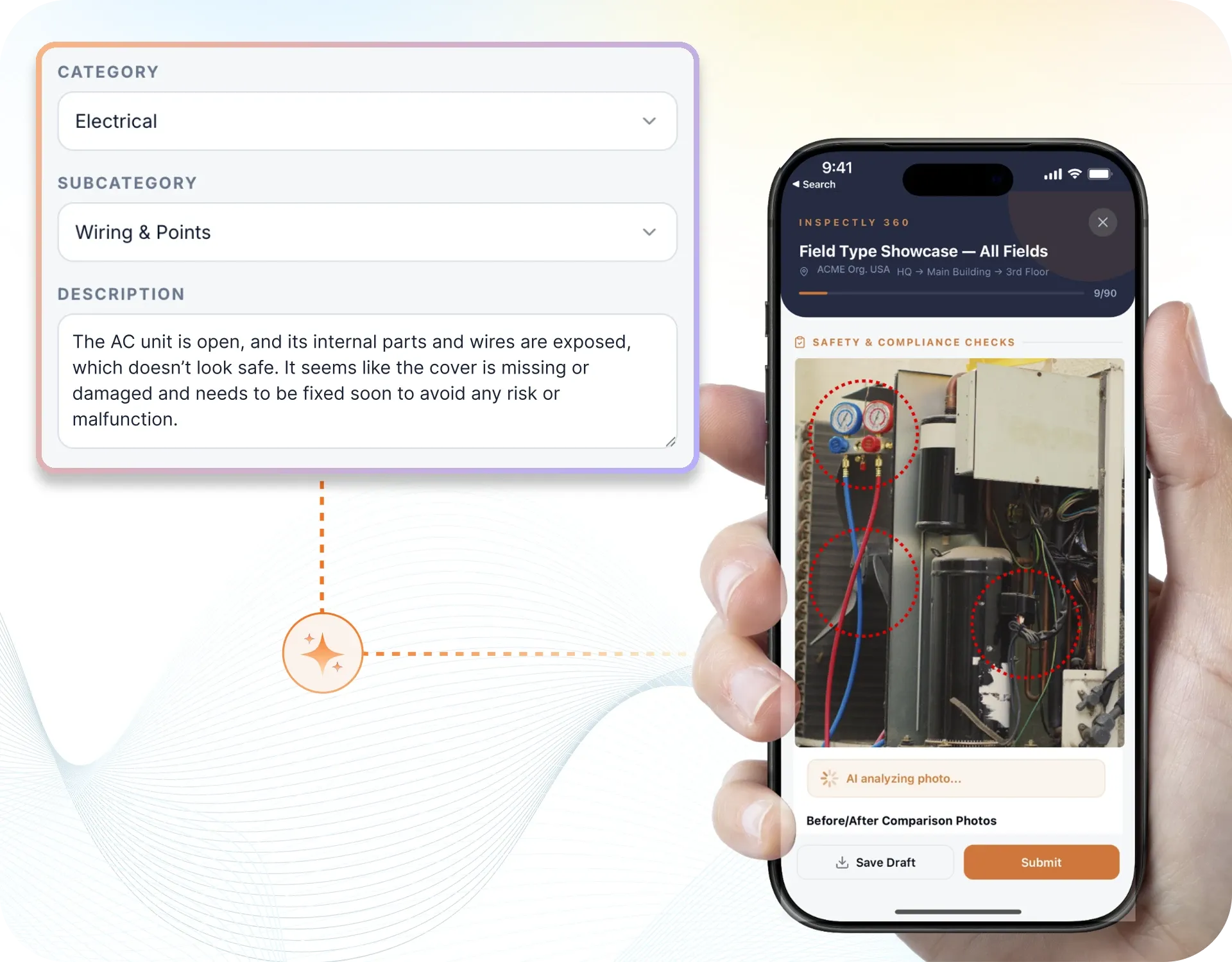
Take a Photo. AI Fills the Form
Your inspector takes a photo of any asset or defect. AI reads it and fills the inspection form automatically. No typing. No manual entry.

Convert your checklist into Mobile App
Run airside inspection in the field, capture photo evidence, log defects, assign corrective actions, and keep a complete, provable inspection history, all in one workflow.
InspectWrk is the software we provide to run this inspection workflow. It is mobile-first, offline-capable, and built so every record holds up as evidence.
Reported by voice or chat, fod on the movement area caught late is caught late and logged with no evidence tied to the asset.
Faded runway or taxiway markings goes unrecorded between rounds, so there is no proof it was found, owned, or fixed.
On a manual round unserviceable edge or centreline lighting is easy to miss, and hard to defend to an auditor after the fact.
A hazard radioed but not tracked to a fix lands in a photo thread with no owner, deadline, or audit trail behind it.
InspectWrk runs the whole airside inspection cycle on one mobile system, from the scan to the signed-off report. Here is the loop your team follows.
Open the right airside checklist by scanning the asset or location QR tag.
Record photos, readings, and signatures, offline where signal is poor.
AI flags likely defects from the photo and the inspector confirms or overrides.
A failed item becomes an owned action with a severity and a deadline.
The finding stays open until a named approver signs off proof of the fix.
A branded report generates on close-out and dashboards update across sites.
The inspection workflow, end to end: Plan → Inspect → Capture evidence → Record findings → Correct → Re-inspect → Report. Every step happens on one system, so nothing falls between the field and the office.
Set up your airside self-inspection routes as mobile checks, covering the runways, taxiways, aprons, and hazards each shift is responsible for.
Teams complete the route on iOS or Android, offline where signal is poor on the movement area, recording the condition of each item against the check.
Each finding is logged with a photo, a location, and a severity, so the evidence stays linked to the check that raised it.
A finding becomes an owned task with a deadline, and stays open until the fix is done and a reviewer verifies it with evidence.
Completed routes and closed findings roll up to live dashboards and dated evidence packs, so managers can show what was checked, when, and by whom.
The capabilities that matter for this workflow, and what your team can do with each one.
Turn your airside self-inspection routes into mobile checks covering runways, taxiways, aprons, and the wider movement area, so every area is inspected to the same standard.
Log FOD, wildlife, spills, and surface hazards the moment they are found, with a photo and a location, so a hazard on the movement area is tracked rather than radioed and forgotten.
Record the condition of edge and centreline lighting, runway and taxiway markings, and pavement, with required photos, so a fading or unserviceable item is caught before it becomes an operational risk.
A failed airside check becomes an owned task with a severity and a deadline, and stays open until photo proof of the fix is reviewed and verified.
Track completion, overdue findings, and recurring hazards across every area of the airfield, so a slipping route surfaces before an operational review does.
Export a dated, branded evidence pack and a searchable history for the area in scope, built from the live record rather than rebuilt before a review.
An airside inspection covers the airport movement area where aircraft operate: runways, taxiways, and aprons, and the FOD, lighting, markings, pavement, and perimeter around them. InspectWrk turns your airside self-inspection routes into scheduled checks, captures photo and location evidence against each item, and tracks findings to a verified fix, so every airside record shows what was checked, when, and by whom.
Manage every checklist in one connected workspace, capture evidence on mobile at the point of work, and let AI turn field inputs into clear, stakeholder-ready reports in minutes.


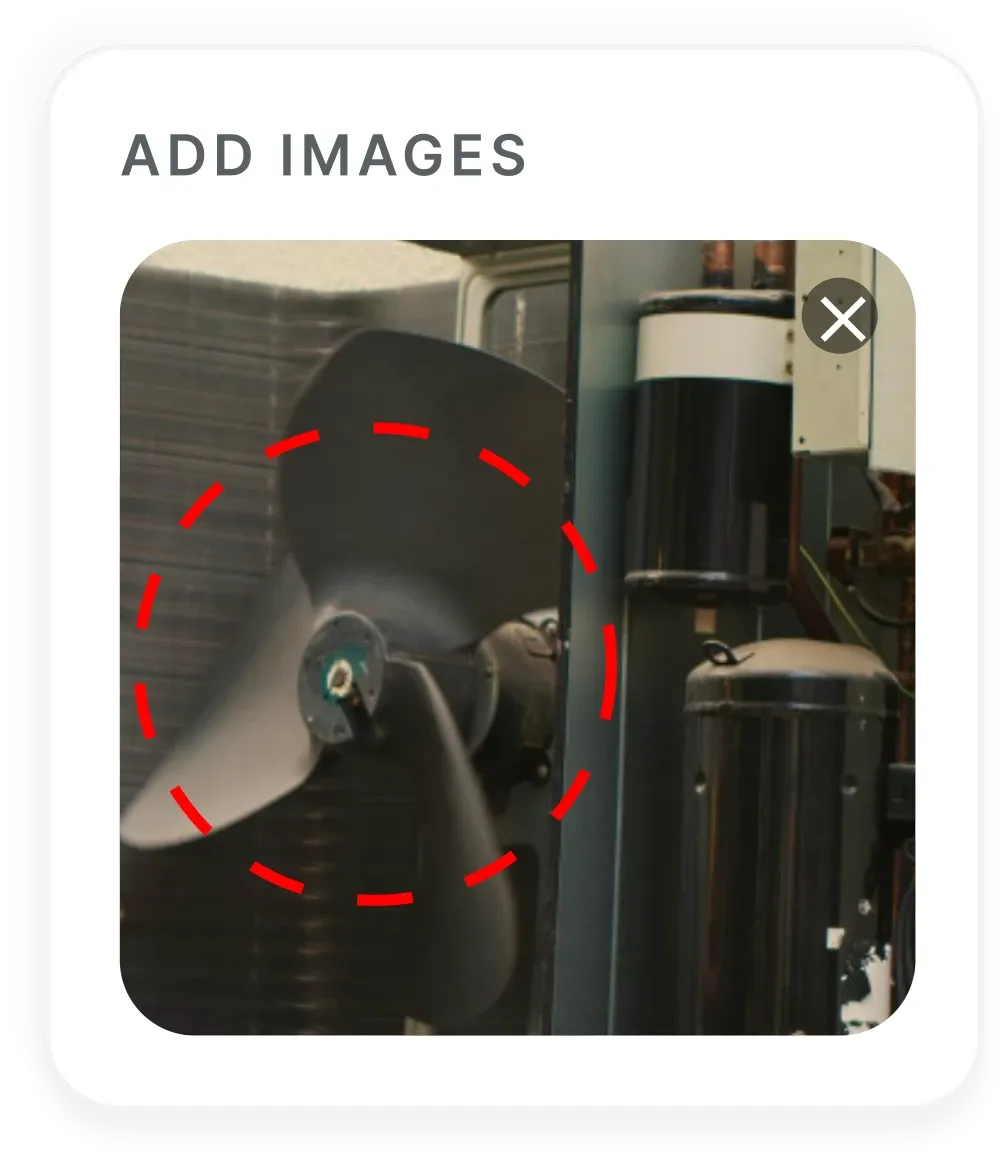
See which checklists your team has in progress across every site, jump into the same inspection with one tap, and keep field, supervisor, and back-office views in sync without sending screenshots on WhatsApp.


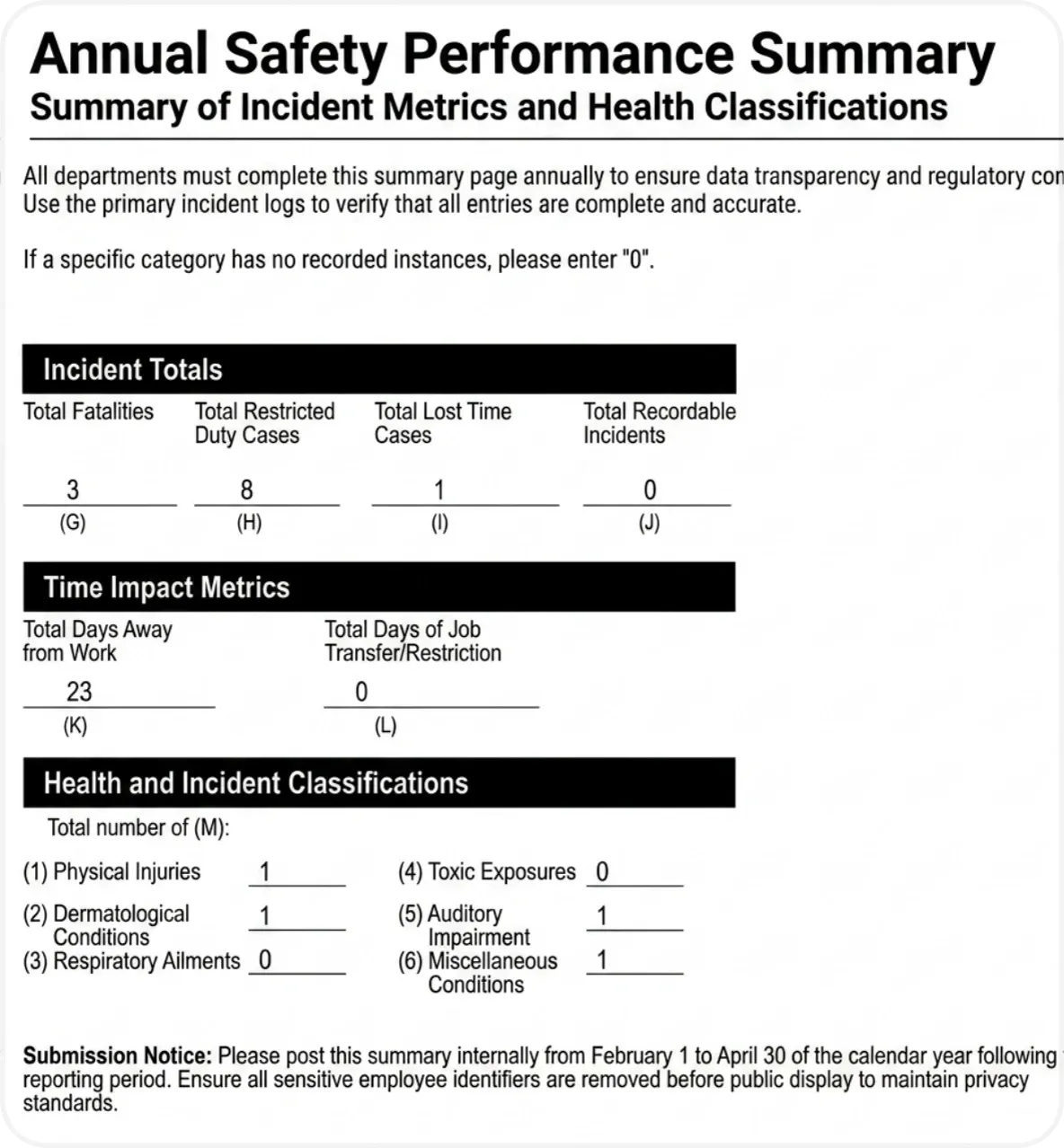


Every team reports differently. Build the report your operations, quality, or compliance leads actually want to read, share it as a branded PDF, and schedule delivery to the stakeholders who need it.

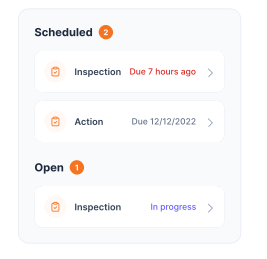

See completion, pass rate, and recurring findings across every checklist and every site, without pulling spreadsheets together at the end of the month.
Everything your field team does on paper, InspectWrk does automatically: faster, more accurate, and without the admin.
Your inspector takes a photo of any asset or defect. AI reads it and fills the inspection form automatically. No typing. No manual entry.
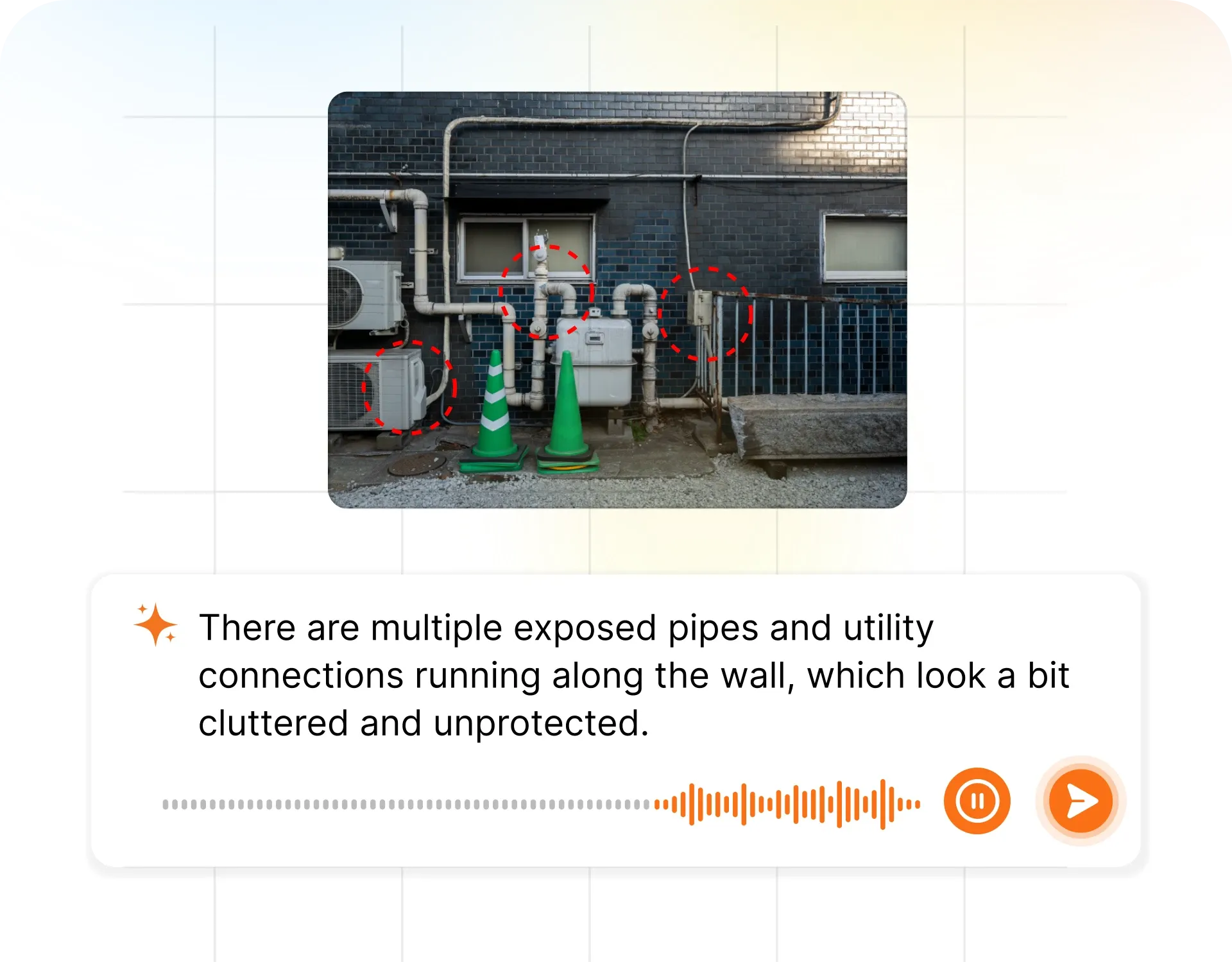
Inspectors speak their observations in any language. AI transcribes and fills the form in real time. Completely hands-free in the field.
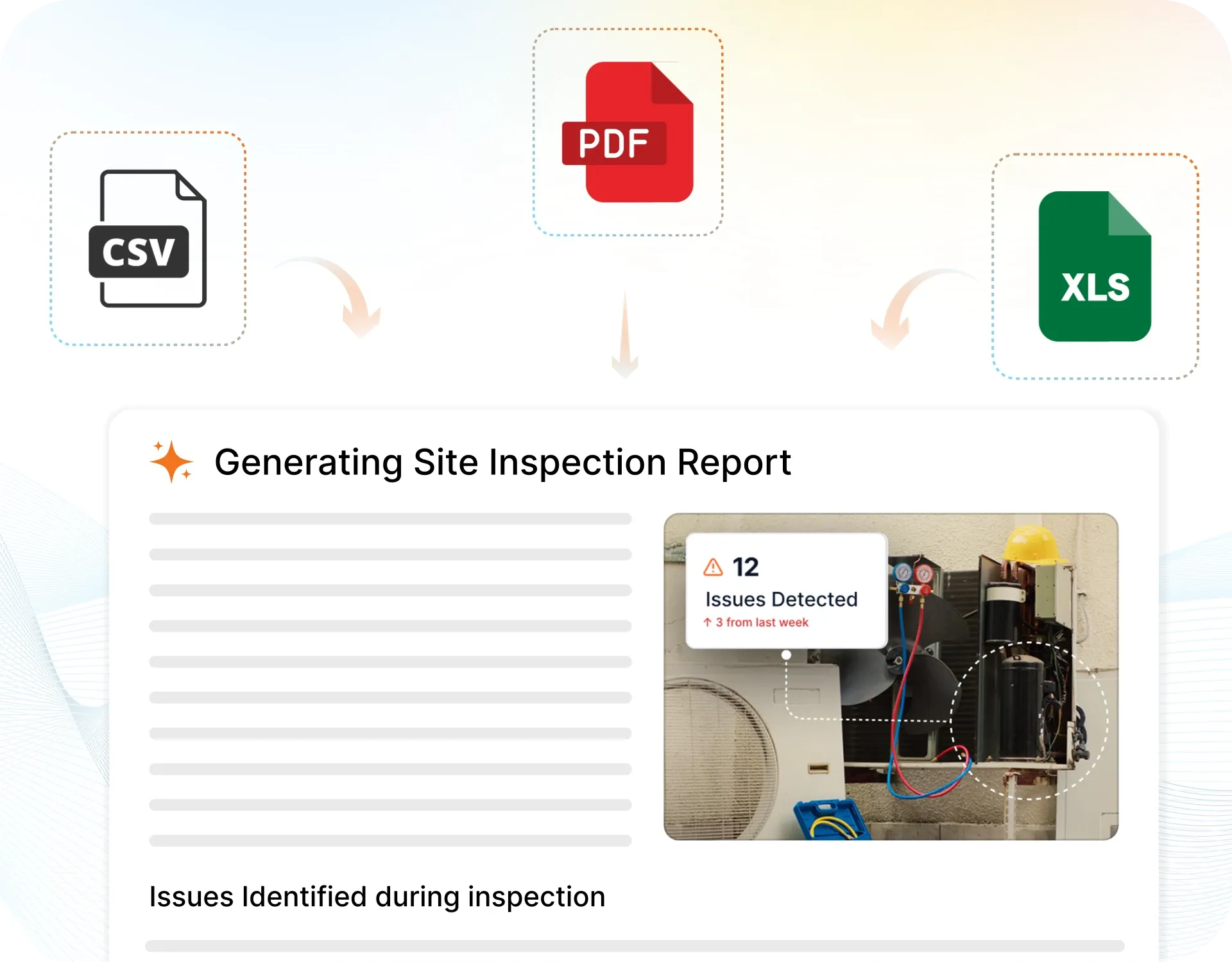
The moment an inspection is submitted, a branded PDF, Excel, or CSV report generates automatically. No manual work. No waiting.

InspectWrk integrates with the tools your team already uses, including Zoho, Microsoft 365, and SAP. No double entry.
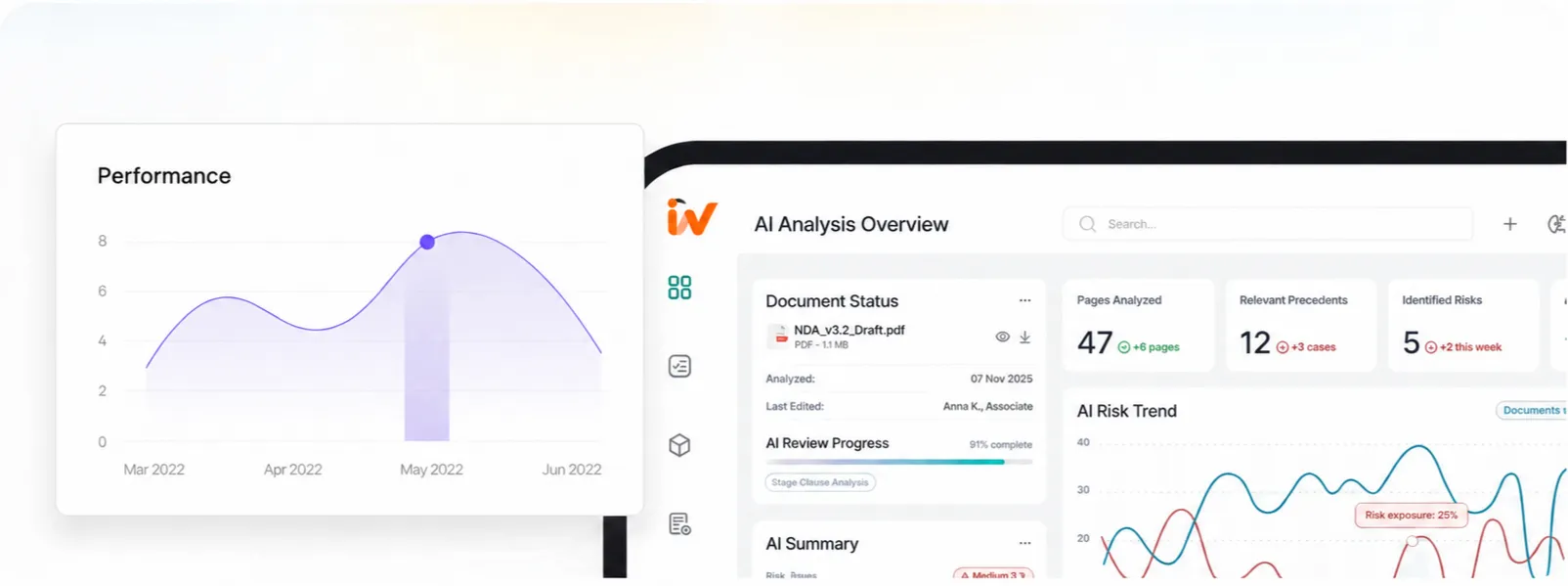
Your operations team sees completion rates, open issues, and compliance scores across all sites in real time. No chasing updates.
Airside and operations managers get one live view of airfield self-inspection status across every area, with evidence that stands up in an operational or regulatory review.
Field teams run airside routes on mobile with offline capture, so a FOD hazard or a faded marking is logged at the point of work rather than written up later.
Findings become owned corrective actions with deadlines and verified closure, so a recurring hazard on the movement area is fixed at the cause.
When a reviewer or regulator asks, the dated evidence pack for the airside area in scope exports in minutes, not after days of digging through shift notes.
Operations and site managers
Own performance and audit readiness across sites.
Field teams and inspectors
Complete guided checks in the field, offline where needed.
QHSE and compliance teams
Retrieve evidence the moment an auditor or client asks.
Multi-site operations leaders
Compare sites and spot recurring risk without spreadsheets.
Aviation teams
Standardise on one workflow across every location.
Your systems of record
System of record
ERP / WMS / CMMS · Existing spreadsheets · Current reporting
InspectWrk
Inspection and evidence layer
Inspections · Condition evidence · Corrective actions · Compliance clocks
Managers, clients, and auditors
Outputs
Live dashboards · Evidence packs · Audit-ready reports
Where paper and spreadsheets fall short against InspectWrk on the airside inspection job.
| Capability | Paper / spreadsheets | With InspectWrk |
|---|---|---|
| Inspection execution | Checks like runway, taxiway, and apron surface and pavement condition are run on paper or from memory, so coverage and cadence vary by inspector and shift. | Guided airside templates run the same way every time, with required fields and photos before sign-off. |
| Evidence capture | Photos sit on personal phones and in chat threads with no link to the asset or the check. | Evidence attaches to the record at the point of work, with inspector, timestamp, and location. |
| Defect identification | A fault such as fod on the movement area caught late is spotted late or missed entirely between rounds. | AI surfaces likely defects from the photo and the inspector confirms the finding on the spot. |
| Corrective action | Failed items are noted but ownership, deadlines, and proof of the fix are unclear. | Each failure becomes a tracked action with an owner, a due date, and photo-verified closure. |
| Reporting | Reports are assembled by hand and ICAO Annex 14 evidence is hard to retrieve, days after the round. | Reports generate on close-out aligned to ICAO Annex 14, and managers see status across every site live. |
Prove the airside inspection workflow on one region first, checking that findings close on time and audit packs assemble cleanly before the next site group joins.
Widen airside inspection coverage across the estate with permissions per role and templates that reflect each aviation site's regulatory scope.
Publish airside inspection performance to portfolio dashboards, export branded audit packs, and integrate with the aviation systems that own work orders and records.
No. Your existing checklist becomes a mobile template, so the same checks run with photos, timestamps, and named sign-off attached. Only the capture changes.
The check runs on the device they already carry, works offline where signal drops, and opens the right checklist from a QR scan, so there is no typing from memory.
It becomes an owned action with a severity and a deadline, and stays open until a named approver verifies the fix with photo proof.







“InspectWrk transformed how we manage site safety inspections. The offline capability alone saved us countless hours. Our compliance rate jumped from 72% to 96% in just three months.”
Sarah Mitchell
Meridian Construction Group
“The AI-powered defect detection has changed how we work. Our inspectors capture photos and the system flags issues we'd have missed. It's like having an expert reviewer on every site visit.”
James Chen
Pacific Manufacturing Co.
“Rolling out digital checklists across multiple projects gave us instant visibility into recurring safety issues. We now resolve critical findings in hours instead of days.”
Olivia Carter
Northbridge Infrastructure
Get started with inspection and audit checklist templates.

Catch defects before handover and generate punch list reports in minutes. Room-by-room finish checks, evidence, and corrective actions.

Pre-handover snagging for new build apartments. Room-by-room finish checks, MEP, and defect tracking before keys.

Utilize this Scaffolding Safety Inspection Checklist to spot hazards, verify stability, and ensure compliance with safety standards before work begins.

Capture job details, measurements, work performed, photos, and sign-offs in one structured field service report form.
Use these apps to run inspections and audits.
Airside inspection focuses on the movement area where aircraft operate: runways, taxiways, aprons, and the FOD, lighting, markings, and pavement around them, run as a repeatable self-inspection route. A broad airport or terminal inspection covers different ground, such as terminal facilities, security, wayfinding, and passenger areas. InspectWrk supports both, but this page is about the airside operational environment, so the checks, findings, and evidence are organised around the airfield rather than the terminal.
For US certificated airports, it supports the airside self-inspection work under FAA Part 139.327: route-based checks across the movement area, FOD control, findings, and the records those programmes rely on. InspectWrk helps your team conduct and document those inspections and keep the evidence retrievable; it does not certify your airport or guarantee compliance, which remains the airport's responsibility. For runway-specific checks in particular, InspectWrk also runs runway inspection and compliance rounds you can link into the same programme.
The checks are configured to your airfield, and typically cover runways, taxiways, and aprons or ramp areas, plus FOD, edge and centreline lighting, markings and signage, pavement condition, perimeter fencing and access, and wildlife, spills, and standing water. Each item is captured with a photo and a location, so a hazard is logged where it is found and tracked to a verified fix rather than noted on a route sheet and lost.
Yes. InspectWrk is offline-first, so teams complete airside routes on iOS or Android with no signal on the movement area, and each record syncs when the connection returns with its timestamp and author intact. The same routes run across every area of the airfield, so airside and operations managers get one live view of what is complete, overdue, or failing per area, without waiting for a shift to write up its notes.
Every completed airside check carries a photo and a location for each finding, a named and timestamped sign-off, and the corrective actions raised against it. When a reviewer or regulator asks, InspectWrk exports a dated, branded evidence pack and a searchable history for the area in scope, built from the live record. Because the evidence is captured during the route rather than typed up afterwards, proof does not depend on someone remembering which radio call raised a hazard.
Yes. InspectWrk runs alongside the systems you already use. Airside findings and readings can flow into a CMMS, an asset register, or a records system through the API, so those systems hold verified field data instead of re-keyed notes. InspectWrk owns the part they were not built for: offline capture on the movement area, evidence linked to each check, and a fast, audit-ready pack, so your team adds the airside inspection layer without duplicating records.
Book 30 minutes to discuss your challenges and see how InspectWrk digitizes operations with mobile apps, automated reporting, and real-time dashboards.