
“InspectWrk transformed how we manage site safety inspections. The offline capability alone saved us countless hours. Our compliance rate jumped from 72% to 96% in just three months.”
Sarah Mitchell
Meridian Construction Group

Looking for crisis management software built around how your team responds? We provide it. InspectWrk delivers a tailored crisis management solution on our mobile platform, configured to your response plans, teams, and escalation. Book a demo to scope it.
Crisis management software coordinates an organisation's response to a serious event while it is unfolding: the response plan, the team roles, the escalation, the communication, the documentation, and the recovery. InspectWrk provides a crisis management solution tailored to your operation, built on our mobile workflow and evidence platform and configured to your response plans, teams, and escalation paths.
When a crisis hits, most organisations fall back on phone calls, group chats, and memory. Nobody is sure who owns what, updates are scattered across messages, decisions and actions are not written down, and once it is over there is no clear record of what happened, what was done, and what needs to change. The response works through effort and improvisation, but it is not coordinated and it is not evidenced.
We deliver your crisis management solution in five steps, from scoping your response plans to rollout and support.
We map your crisis response plans, team roles, and escalation paths, so the solution reflects how your organisation actually coordinates a response rather than a generic template.
We build response plans, roles, and escalation on the platform with the tasks, notifications, and communication each scenario needs.
We configure structured incident documentation and corrective and recovery actions, so decisions and tasks are captured as the response unfolds.
You run the solution through a tabletop or live exercise, so roles, escalation, and the documentation loop are proven before a real crisis.
We roll the solution across your teams and sites and support it, with response plans and a live record ready for your crisis leads from day one.
InspectWrk is the active-response coordination layer beside your preparedness and continuity programmes, not a replacement for either. Emergency management holds your plans, drills, and readiness; business continuity keeps critical operations running through disruption. Crisis management is what you run when a serious event is actually unfolding. InspectWrk can provide all three as connected solutions, so the response plan draws on your emergency plans and the recovery hands off to continuity, with roles, escalation, and documentation owned here and nothing duplicated across the three.
Validate four things during the pilot rather than after. First, that response plans open on a phone and roles activate clearly when a crisis is declared. Second, that escalation and notifications reach the right people fast. Third, that the response can be documented as it unfolds. Fourth, that corrective and recovery actions close and feed an after-action review. Run a tabletop or live exercise end to end so the role, escalation, documentation, and recovery loop is proven before a real crisis, not during one.
Crisis records carry sensitive decisions and information that should be controlled, so integrity matters. InspectWrk enforces role-based access so responders see their tasks, crisis leads coordinate the response, and executives see status without editing the record. Plans, decisions, escalations, and actions are logged and retained for the period your risk and audit teams require, so any claim about how a crisis was handled can be traced to its evidence with time and author preserved for the after-action review.
A crisis-response rollout works best by team and scenario rather than all at once. Start with the response type and team where a coordinated response matters most, prove the plans, roles, and documentation there through an exercise, then extend to other scenarios and sites. Existing response plans import so teams do not start empty. Because plans and escalation are configuration rather than code, each scenario can carry its own roles and steps while response status and after-action records roll up to one view for crisis leadership.
What Crisis Management Software covers for your team.
Teams comparing InspectWrk to phone calls and group chats for crisis response see the difference on five points: role clarity, escalation, live documentation, action closure, and after-action record.
| Capability | Without InspectWrk | With InspectWrk |
|---|---|---|
| Role clarity | In the moment nobody is sure who owns what, so tasks are dropped or duplicated under pressure. | Response roles and responsibilities are defined in the plan, so each person knows their tasks immediately. |
| Escalation | Escalation depends on someone calling the right person, so critical alerts are slow or missed. | Escalation and notifications route to the right roles automatically, so the right people are engaged fast. |
| Live documentation | Decisions and updates are scattered across calls and messages, so there is no single picture of the response. | The response is documented as it unfolds, so decisions, actions, and status sit in one live record. |
| Action closure | Corrective and recovery tasks are remembered informally, so some are never completed. | Actions are owned and tracked to verified closure, so recovery tasks are seen through. |
| After-action record | Once it is over there is no clear record of what happened, so the same failures repeat next time. | A timestamped record supports an honest after-action review, so lessons actually change the response. |
Manage every checklist in one connected workspace, capture evidence on mobile at the point of work, and let AI turn field inputs into clear, stakeholder-ready reports in minutes.


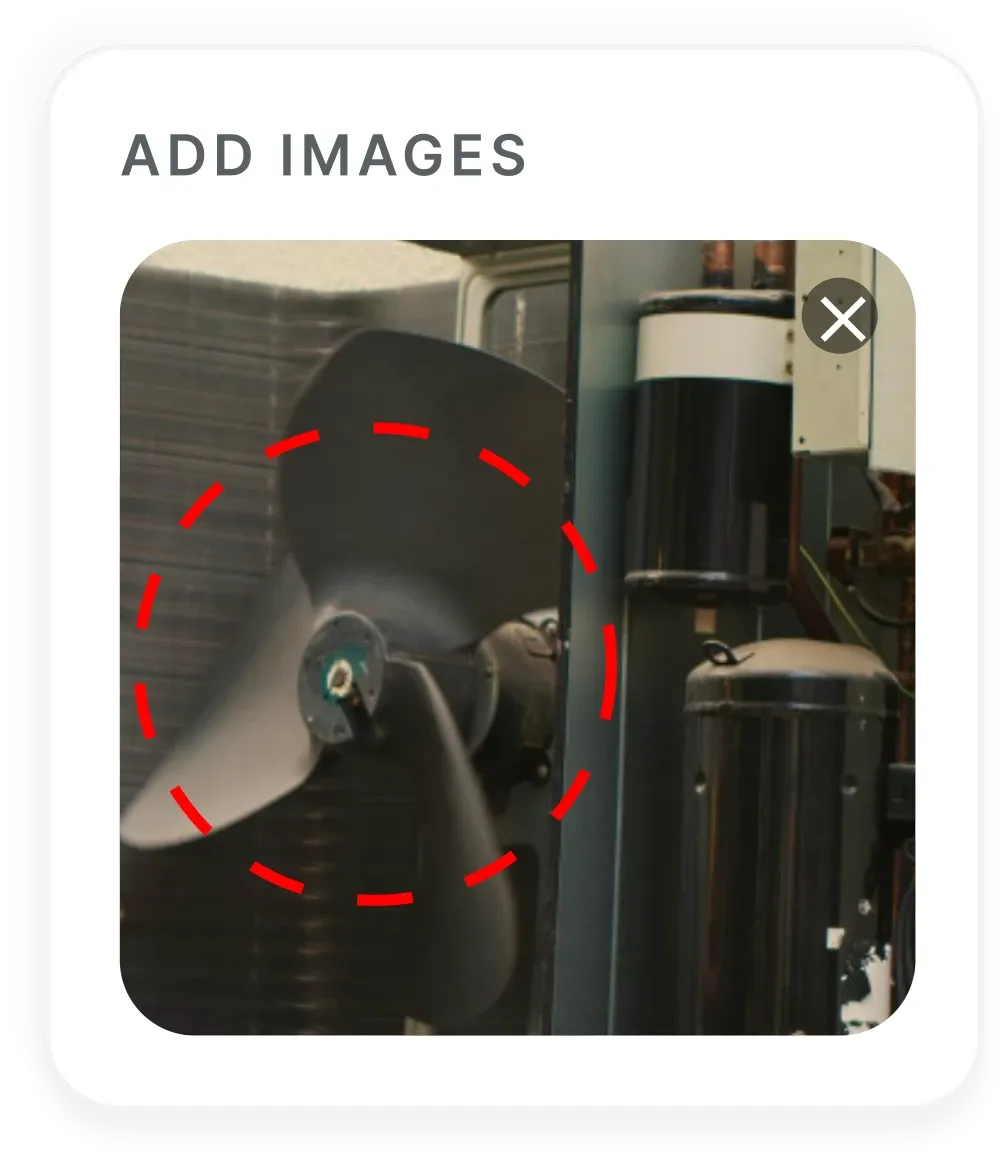

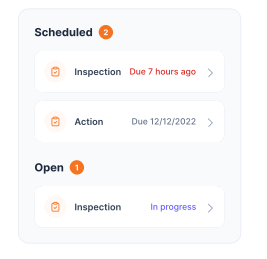
See which checklists your team has in progress across every site, jump into the same inspection with one tap, and keep field, supervisor, and back-office views in sync without sending screenshots on WhatsApp.


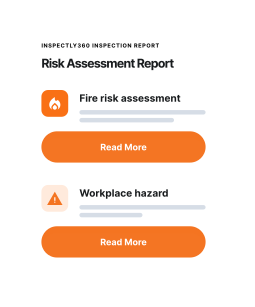
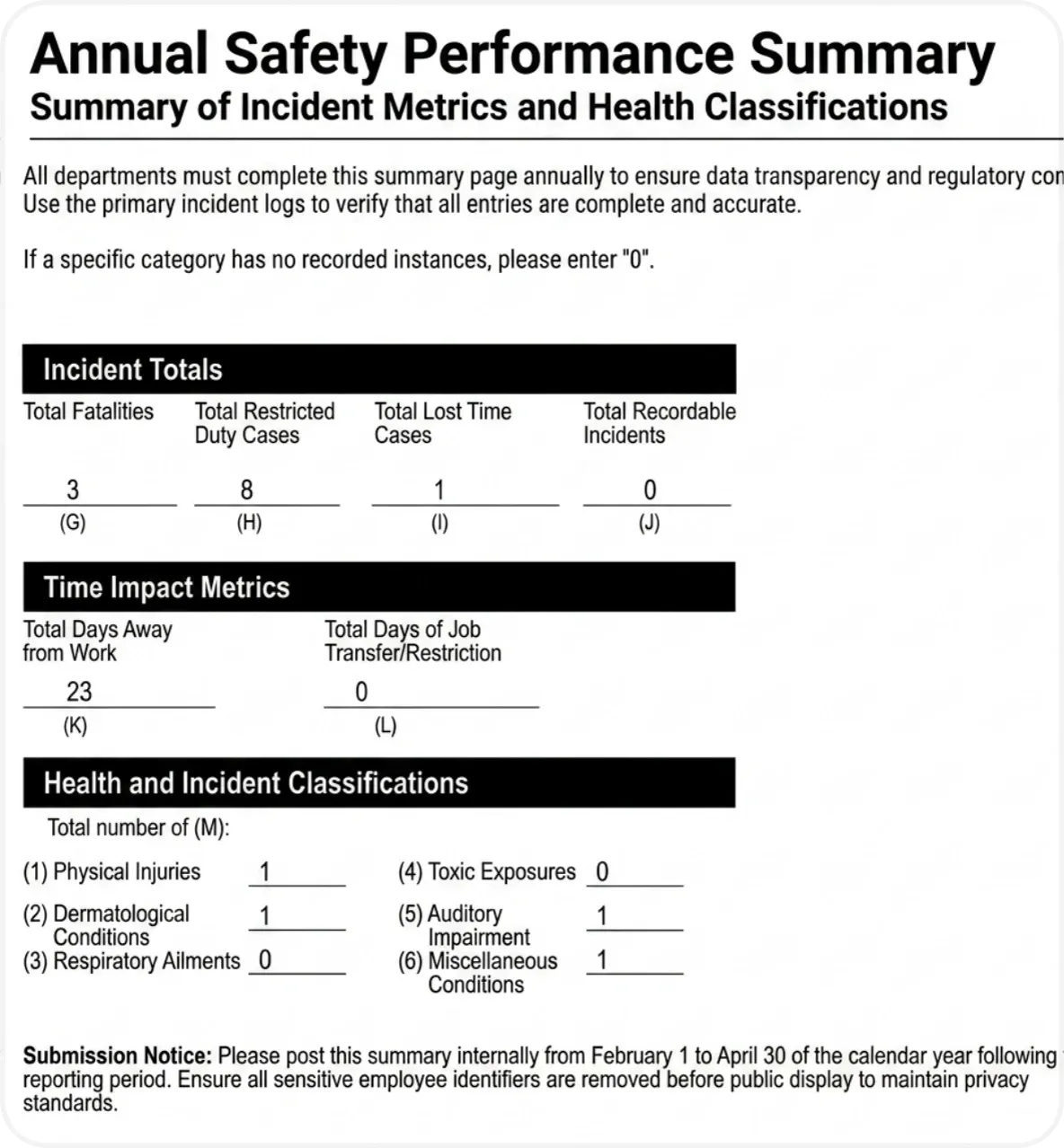


Every team reports differently. Build the report your operations, quality, or compliance leads actually want to read, share it as a branded PDF, and schedule delivery to the stakeholders who need it.


See completion, pass rate, and recurring findings across every checklist and every site, without pulling spreadsheets together at the end of the month.
What changes once crisis management software is standardised on InspectWrk.






“InspectWrk transformed how we manage site safety inspections. The offline capability alone saved us countless hours. Our compliance rate jumped from 72% to 96% in just three months.”
Sarah Mitchell
Meridian Construction Group

“The AI-powered defect detection has changed how we work. Our inspectors capture photos and the system flags issues we'd have missed. It's like having an expert reviewer on every site visit.”
James Chen
Pacific Manufacturing Co.
“Rolling out digital checklists across multiple projects gave us instant visibility into recurring safety issues. We now resolve critical findings in hours instead of days.”
Olivia Carter
Northbridge Infrastructure
Get started with inspection and audit checklist templates.

Safety inspections with hazard identification, corrective actions, and compliance reporting. Offline capture and evidence.

Report incidents and near-misses with details, photos, location, and timeline. Ready for safety or quality review.

Verify arc-flash labels on electrical equipment: presence, visibility, legibility, equipment identification, voltage and incident-energy information, PPE data, and label condition.

Inspect grounding and bonding systems: grounding conductors and electrodes, bonding connections, equipment grounding, continuity, corrosion, and panel connections.
Emergency management is the broader preparedness programme: the plans, the recurring drills, the readiness, and the record-keeping that keep a site prepared over time. Crisis management is the coordination of an active response when a serious event is actually unfolding, focused on roles, escalation, communication, documentation, and recovery in the moment. The two are related and share data, but they answer different questions. Emergency management asks whether you are prepared and can prove it; crisis management asks how you coordinate and respond when something happens. InspectWrk provides both as separate, connected solutions, so your emergency plans and drills can feed the crisis response without duplicating anything, and you can adopt one first and add the other later.
We build your crisis management solution on the InspectWrk platform and configure it to your response, rather than handing you a fixed product. Our team scopes your response plans, team roles, and escalation paths, configures the mobile plans, roles, notifications, incident documentation, and action tracking to match, and proves it in a tabletop exercise before rollout. Because the platform is built for configurable mobile workflows, notifications, evidence capture, and action tracking, a crisis management solution tailored to your process is delivered without custom code. You get software shaped to how your organisation actually coordinates a response, supported by our team, rather than the phone calls and group chats most teams fall back on when a crisis hits.
When a crisis is declared, the relevant response plan is opened on the platform and the defined roles activate, so each person sees their responsibilities and tasks immediately rather than waiting to be told. Escalation and notifications route to the right people automatically, so the early minutes are not lost to phone tag. As the response unfolds, decisions, updates, and status are documented on structured forms, giving everyone one live picture instead of scattered messages. Corrective and recovery actions are captured as owned tasks and tracked to closure. The result is a coordinated response where roles are clear, the right people are engaged fast, and there is a single live record of what is happening, rather than an improvised effort that is hard to steer and impossible to review afterwards.
Yes. Escalation paths and notifications are configured into each response plan, so when a situation reaches a threshold or a role needs to be engaged, the alert routes to the right person automatically rather than depending on someone remembering to call them. Tasks, updates, and status changes notify the people who need to know, so the response team stays aligned without a flood of side conversations. Because the communication is tied to the documented response rather than living only in a chat thread, what was escalated, to whom, and when becomes part of the record. This is the coordination and communication layer of a crisis, and it is deliberately connected to the documentation and action tracking so the whole response holds together as one coordinated effort with a clear trail.
The value does not end when the event does. Because the whole response was documented as it unfolded, with timestamped decisions, actions, escalations, and status, you have an honest record to run an after-action review from, rather than reconstructing events from memory and message history. Recovery tasks continue as tracked corrective actions until they close, so the organisation is carried back to normal in a managed way rather than assuming recovery happened. Findings from the review become actions that improve the response plan itself, so each crisis genuinely strengthens readiness. This after-action loop, from live record to review to plan improvement, is what turns a one-off response into a programme that gets better, and it connects back to your emergency-management preparedness where those improvements live.
Last updated: