Take a Photo. AI Fills the Form
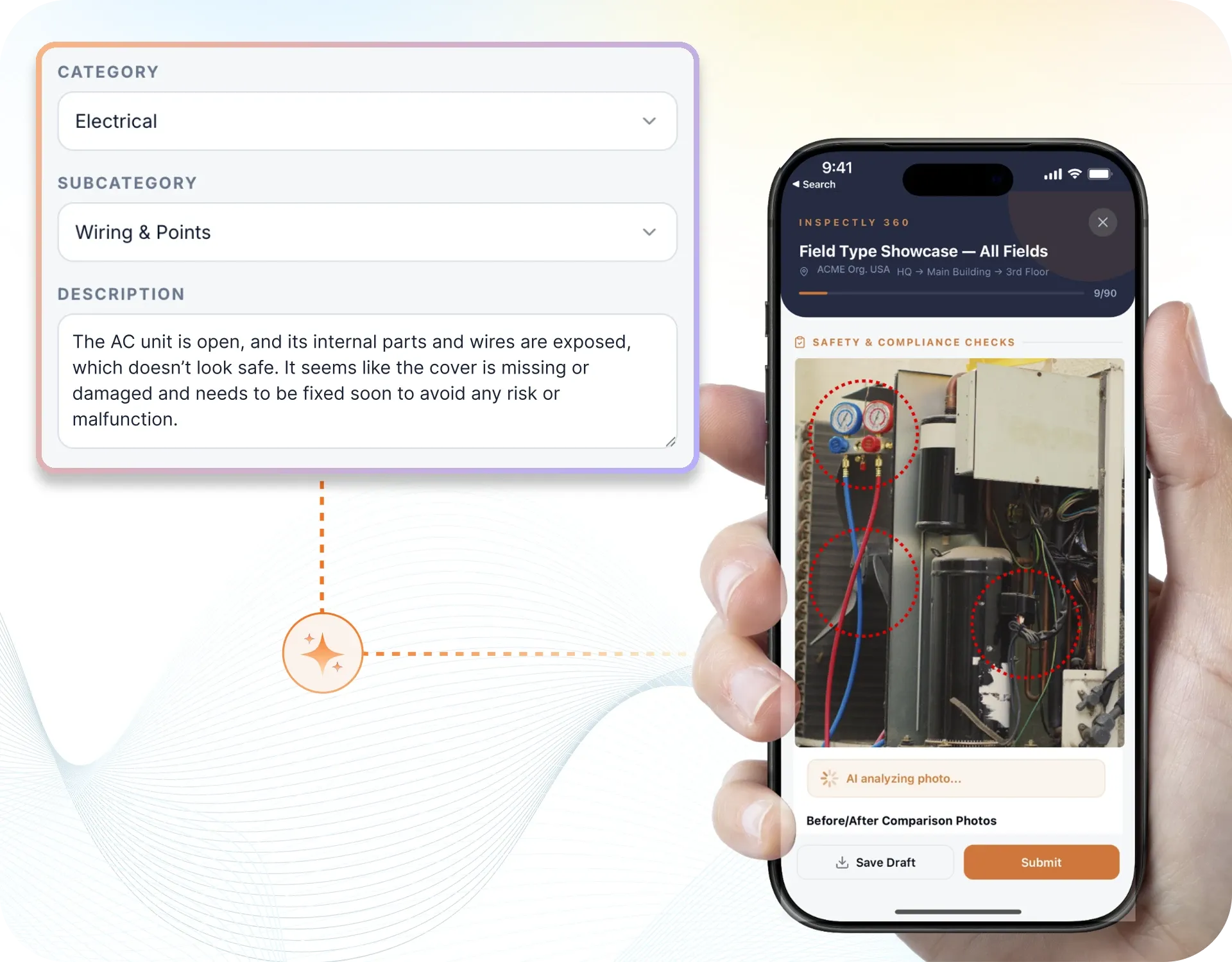
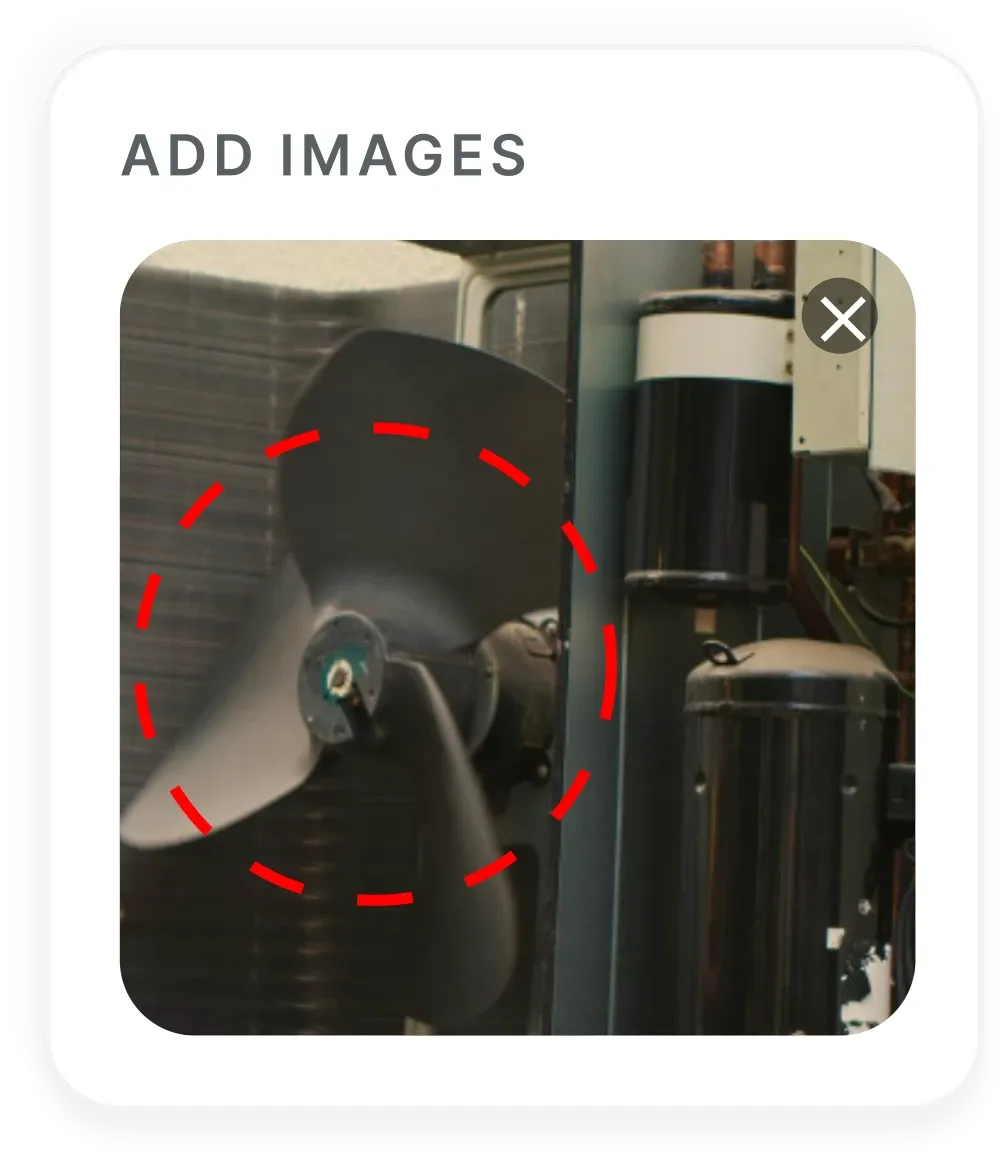
Your inspector takes a photo of any asset or defect. AI reads it and fills the inspection form automatically. No typing. No manual entry.

Convert your checklist into Mobile App
Browse by use case or industry, or see what other teams use most.
Book 30 minutes to discuss your challenges and see how InspectWrk digitizes operations with mobile apps, automated reporting, and real-time dashboards.
Use this fire damage assessment form to review assessment details, fire incident information, area-by-area damage, structural and building elements, building systems and utilities, and contents and asset damage, scoring each item and raising corrective actions with owners and due dates.

Customize with your logo and company details.
Available on App
Run inspections on iOS and Android - no internet required. Capture photos, annotate defects, and generate reports in the field.
Run the Fire Damage Assessment Form on the InspectWrk app instead of paper. Inspectors capture photo evidence, work offline, and assign corrective actions on the spot, and the report generates itself the moment the inspection is signed off.

Fire Damage Assessment Form
Fire Damage Assessment Form Dashboard
Prioritized actions to keep operations running smoothly today.
Total Revenue
$42,680
+12% compared to last month
Active Projects
128
+8 new this week
Open Requests
56
-15 resolved this week
Operational Target
You're on track to meet this month's operational goal.
Target Task
200 ↑
Complete Task
136 ↑
Pending Task
10 ↓
Monthly Performance
Recent Client Activity
Everything your field team does on paper, InspectWrk does automatically: faster, more accurate, and without the admin.
Your inspector takes a photo of any asset or defect. AI reads it and fills the inspection form automatically. No typing. No manual entry.
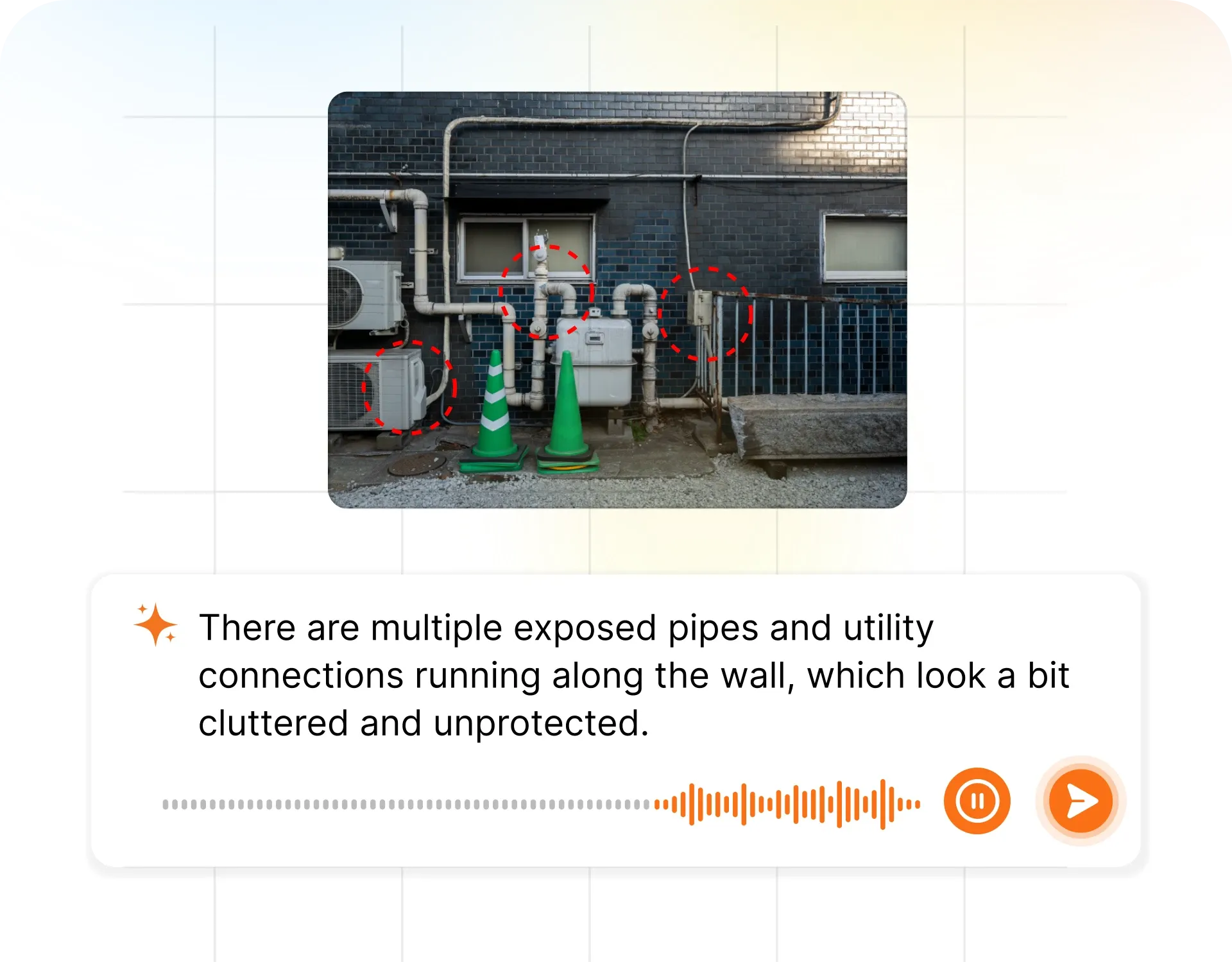
Inspectors speak their observations in any language. AI transcribes and fills the form in real time. Completely hands-free in the field.
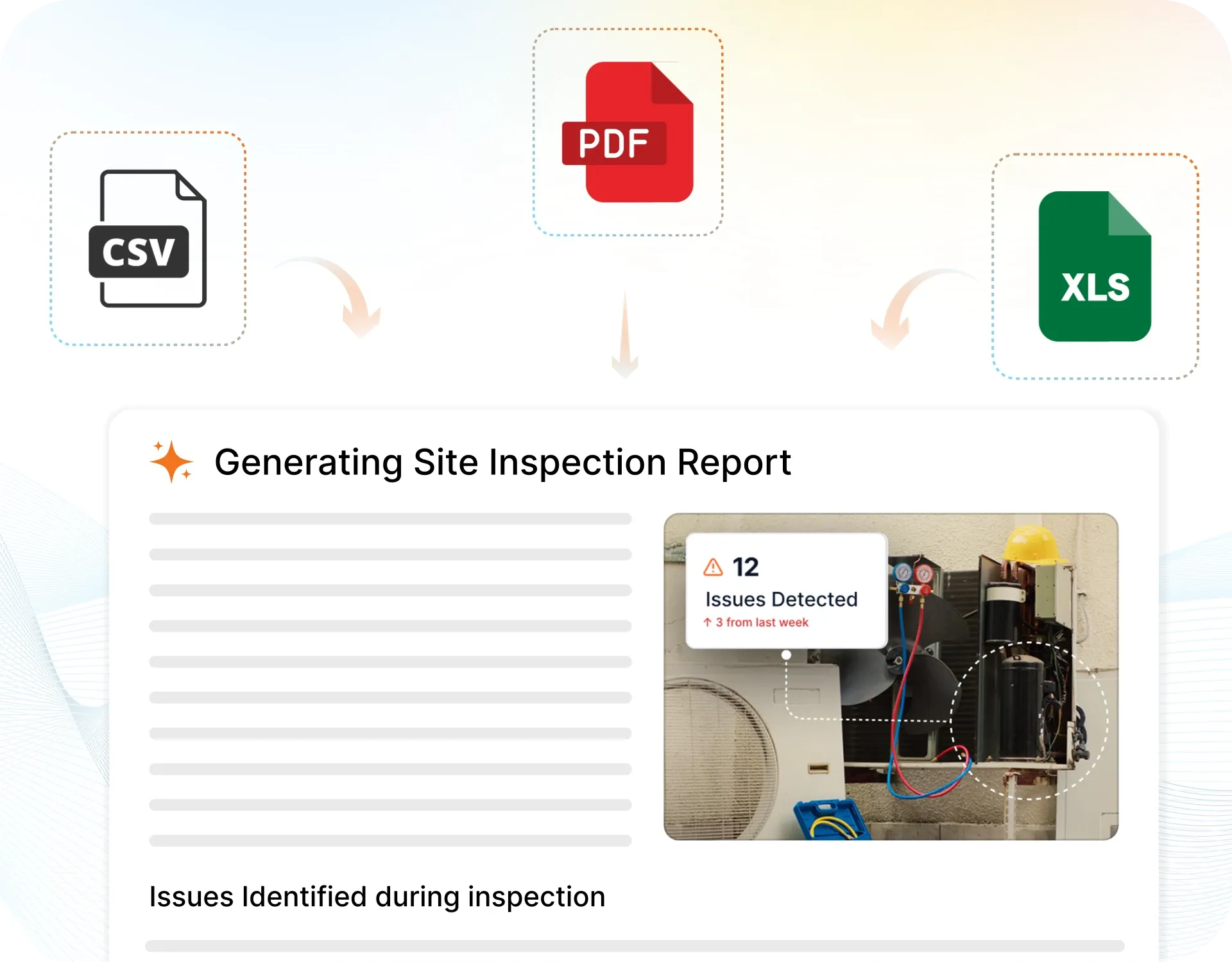
The moment an inspection is submitted, a branded PDF, Excel, or CSV report generates automatically. No manual work. No waiting.

InspectWrk integrates with the tools your team already uses, including Zoho, Microsoft 365, and SAP. No double entry.
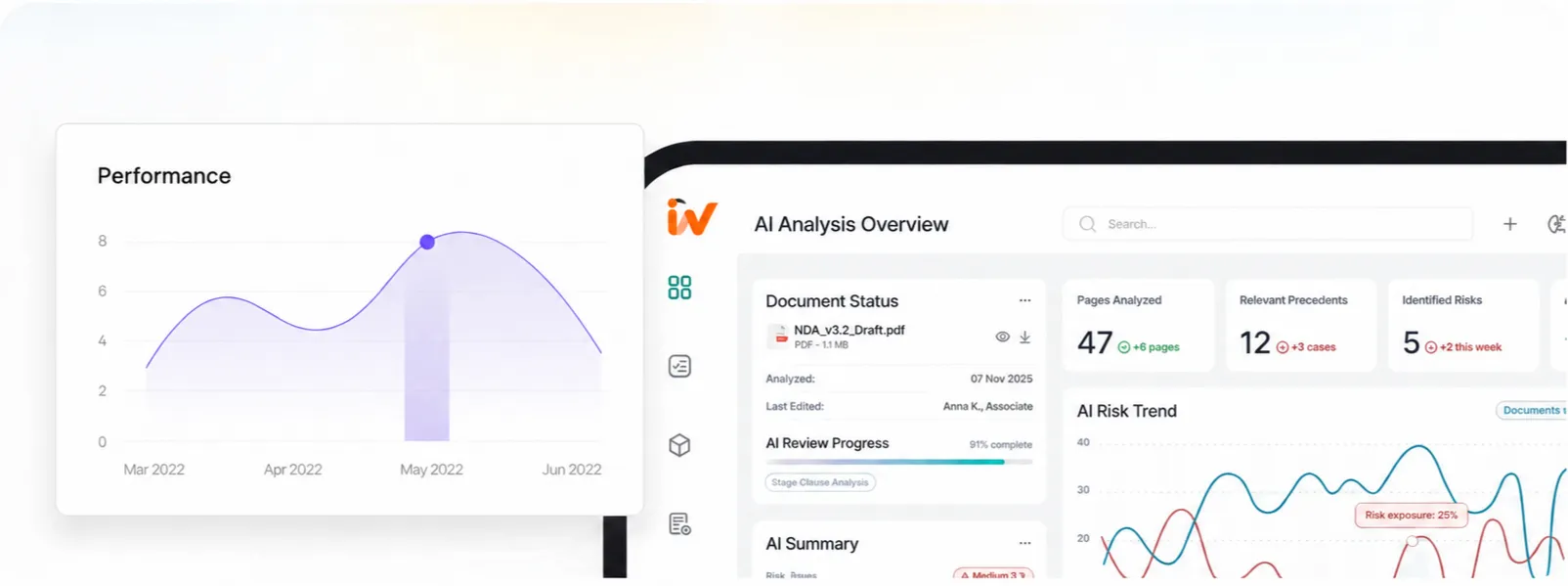
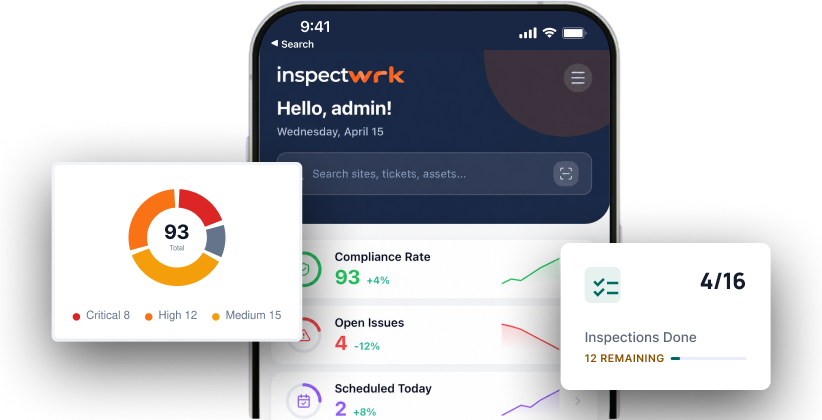
Your operations team sees completion rates, open issues, and compliance scores across all sites in real time. No chasing updates.
Manage every checklist in one connected workspace, capture evidence on mobile at the point of work, and let AI turn field inputs into clear, stakeholder-ready reports in minutes.
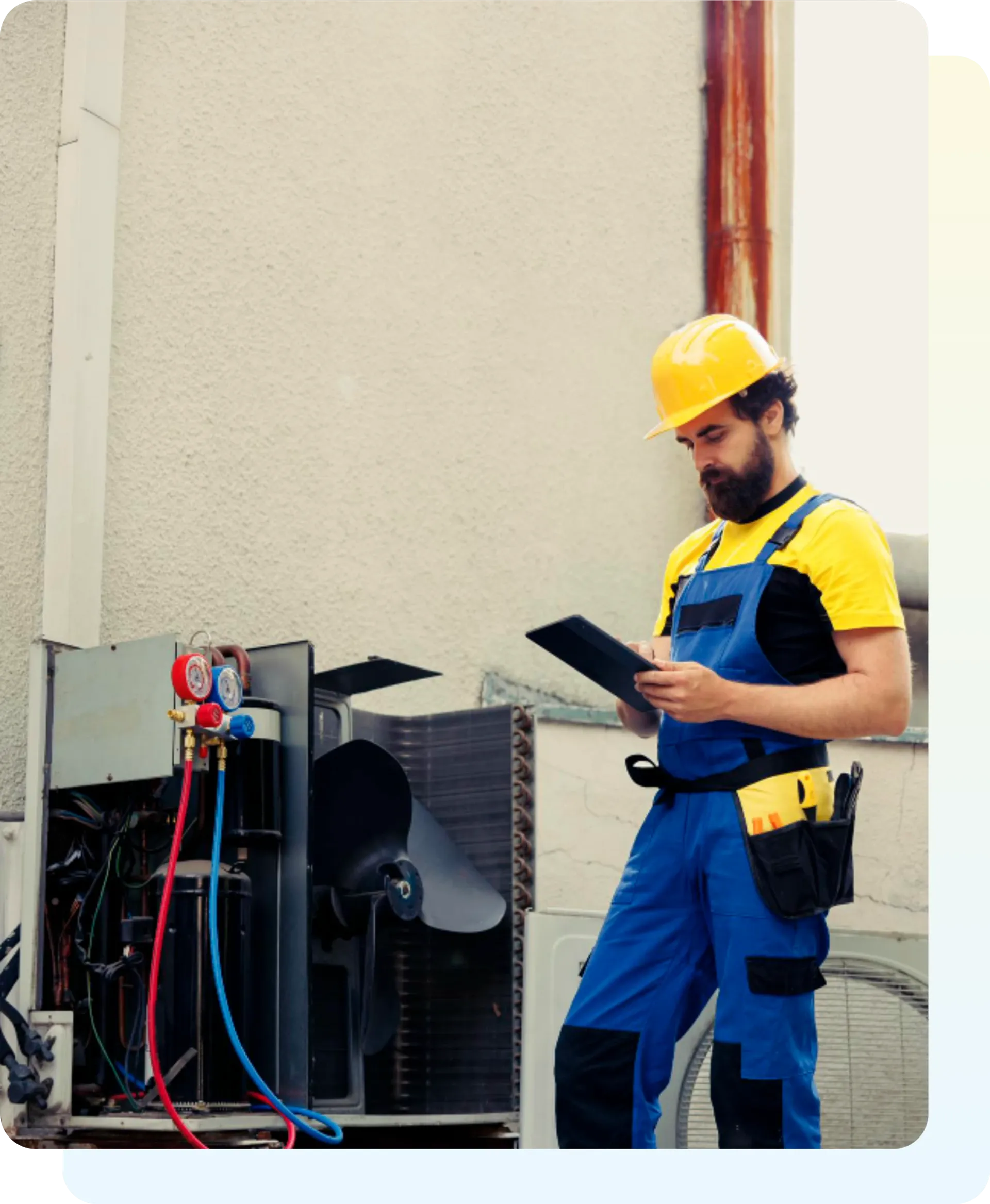


See which checklists your team has in progress across every site, jump into the same inspection with one tap, and keep field, supervisor, and back-office views in sync without sending screenshots on WhatsApp.


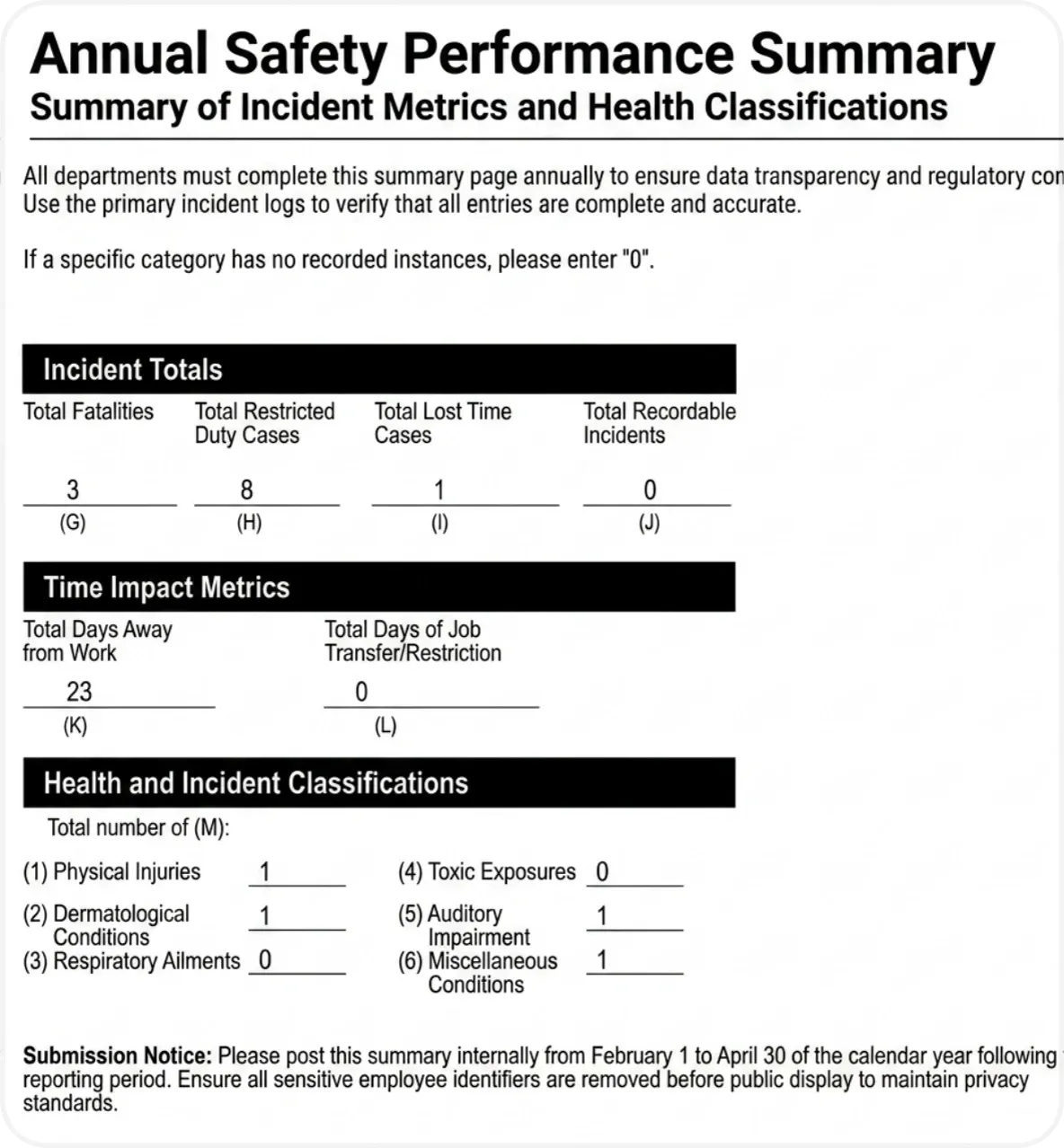


Every team reports differently. Build the report your operations, quality, or compliance leads actually want to read, share it as a branded PDF, and schedule delivery to the stakeholders who need it.


See completion, pass rate, and recurring findings across every checklist and every site, without pulling spreadsheets together at the end of the month.
Hand-picked templates for your specific industry needs.

Standard site-level inspections for construction, safety, and compliance.

Inspect assets and equipment: condition, location, photos, and maintenance history.
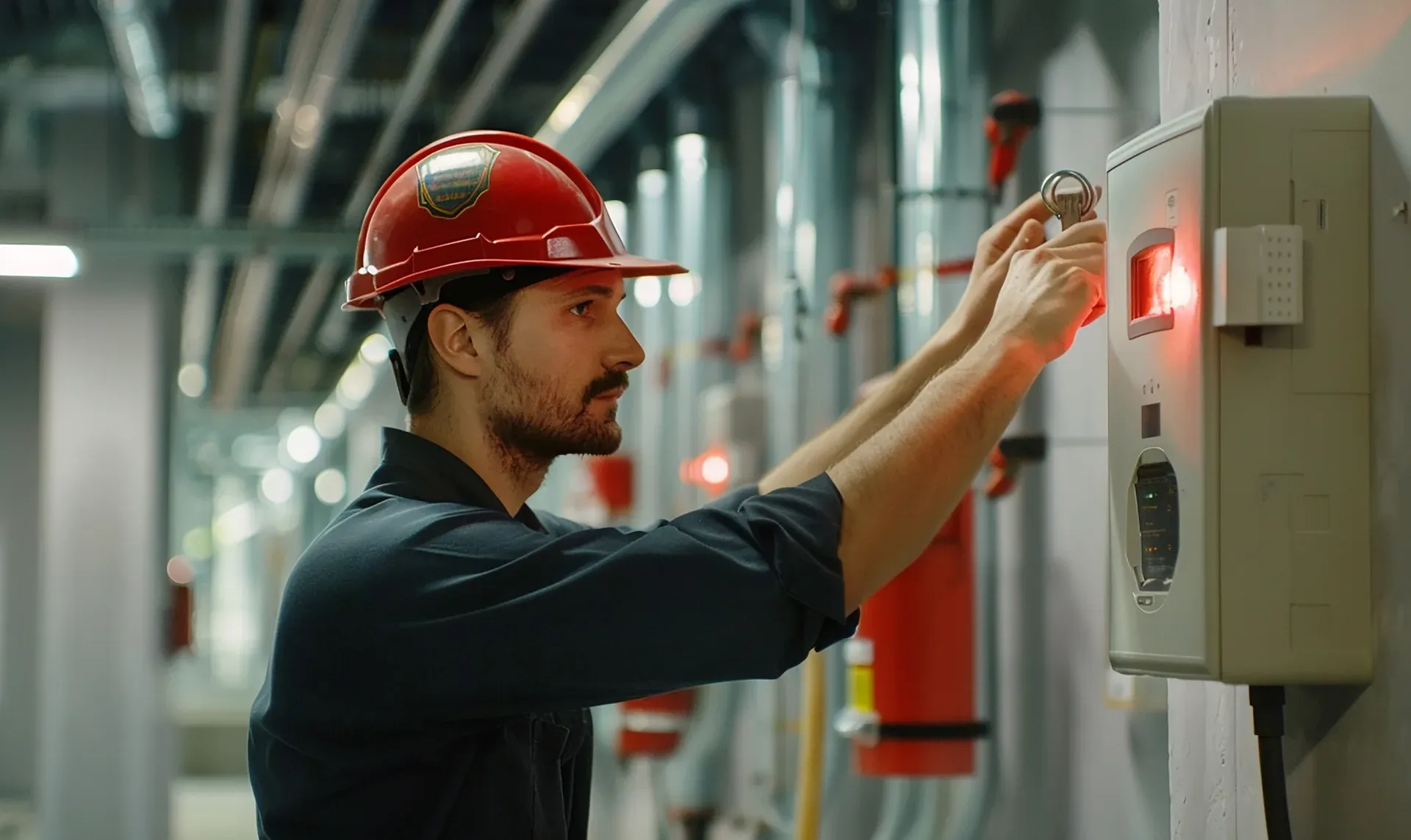
Run the Maintenance Checklist on the InspectWrk app to capture photo evidence per finding and generate audit-ready reports.
Run the post-fire assessment on mobile, photograph each area and item, record fire, smoke, and water damage separately, and assign specialist assessments and restoration work.
It is used after a fire to document the damage to a property once the building has been released for assessment. The form works area by area and records direct fire and heat damage, smoke and soot, firefighting water damage, visible structural and building-system concerns, and damaged contents and assets, with photographs. It also records safety conditions, immediate actions, the specialist assessments needed, and the cleaning, repair, and restoration work required, so everyone works from one fire damage report. Loss adjusters and restoration contractors can then plan from the same photos and findings.
A fire safety inspection is preventive: it checks extinguishers, alarms, exits, and other controls before anything happens. A fire investigation establishes the cause and origin of a fire and is carried out by qualified investigators. A fire damage assessment does neither. It happens after the fire and records what was damaged and what needs to happen next. It can note the origin location reported by the fire service, but it does not determine the cause. Keeping the three separate avoids asking the assessor to judge cause or compliance while recording damage.
Not all damage after a fire is caused by flames. Smoke and soot can travel far beyond the burned area and into HVAC systems, and firefighting water or sprinklers can damage floors below and adjacent rooms. Each type needs a different response: cleaning and deodorization for smoke, drying and water mitigation for wet materials, and repair or replacement for fire damage. Recording them separately makes the scope of restoration clear and supports the insurance claim. It also shows that smoke-only areas were affected, even where nothing burned.
No. The assessor records visible signs of damage and observable hazards, such as sagging ceilings, exposed wiring, or unstable components, and flags them for specialist assessment. Decisions about structural safety, electrical safety, and re-occupation belong to qualified engineers, electricians, and the responsible authority. The form makes sure those specialists are requested, records the areas kept restricted in the meantime, and keeps their findings linked to the assessment as follow-up actions. Until then, keep restricted areas closed and record who authorized any later re-entry.

A fire damage assessment form is used after a fire to document what the fire affected. It is not a fire safety inspection and it does not determine the cause. Working area by area, it records direct fire and heat damage, smoke and soot, damage from firefighting water, visible structural and building-system concerns, and damaged contents and assets, with photographs. It then records safety conditions, immediate actions, where specialist assessment is needed, and the cleaning, repair, and restoration work required.
A fire damage assessment form gives facilities and property teams a structured way to record the damage a fire has caused, once the fire service has released the building. The assessor works area by area and records each type of damage separately: direct fire and heat damage, smoke and soot in areas the flames never reached, and water damage from hoses, sprinklers, or suppression systems. Separating them matters, because each needs a different response.
The form also covers what sits behind the finishes: visible damage to walls, ceilings, floors, and the roof, the electrical, HVAC, plumbing, gas, and fire protection systems, and the contents and assets in each area. It records the observed condition and flags where a structural engineer, electrician, or restoration specialist needs to assess further, rather than declaring anything safe. The result is a post-fire damage record with photos, immediate actions, and a clear list of restoration needs.
After a fire, attention goes to the burned room. Smoke and soot travel through corridors and ductwork, firefighting water soaks the floor below, and damaged wiring sits behind walls that look fine. When the assessment only covers what is charred, cleaning, drying, and specialist checks are missed and the fire loss is understated.
A structured assessment records each type of damage in every affected area, flags what needs a specialist, and gives the insurer and restoration contractor the photos and detail they need to plan the work.
After a fire, the visible burn damage is only part of the loss. A structured assessment helps you:
A complete fire damage assessment covers the incident, each type of damage, and the response:
Work through the assessment in this order:
See how this checklist fits into Facility management software.
This checklist runs as a mobile inspection app that works fully offline on site, with AI-powered defect detection on every photo. To see it on your own workflows, talk to our team.