

Take a Photo. AI Fills the Form
Your inspector takes a photo of any asset or defect. AI reads it and fills the inspection form automatically. No typing. No manual entry.

Use this damp and mould inspection form to review property and survey details, tenant report and history, room-by-room condition, likely type of damp, moisture and humidity readings, and ventilation and heating, capturing photo evidence per finding and tracking each fix through to closure.

Customize with your logo and company details.
Available on App
Run inspections on iOS and Android - no internet required. Capture photos, annotate defects, and generate reports in the field.
Run the Damp and Mould Inspection Form on the InspectWrk app instead of paper. Inspectors capture photo evidence, work offline, and assign corrective actions on the spot, and the report generates itself the moment the inspection is signed off.

Damp and Mould Inspection Form
Damp and Mould Inspection Form Dashboard
Prioritized actions to keep operations running smoothly today.
Total Revenue
$42,680
+12% compared to last month
Active Projects
128
+8 new this week
Open Requests
56
-15 resolved this week
Operational Target
You're on track to meet this month's operational goal.
Target Task
200 ↑
Complete Task
136 ↑
Pending Task
10 ↓
Monthly Performance
Recent Client Activity
Everything your field team does on paper, InspectWrk does automatically: faster, more accurate, and without the admin.
Your inspector takes a photo of any asset or defect. AI reads it and fills the inspection form automatically. No typing. No manual entry.
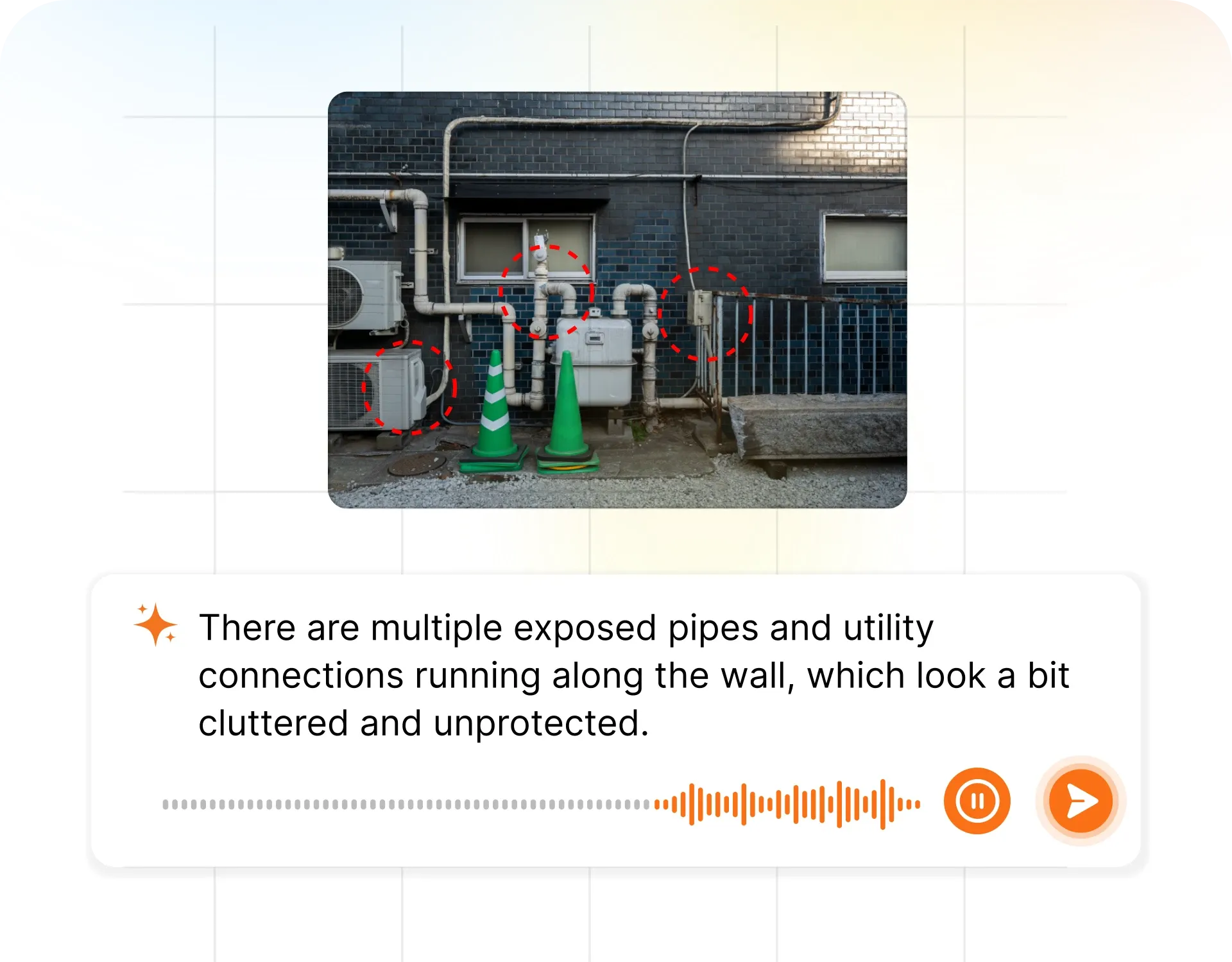
Inspectors speak their observations in any language. AI transcribes and fills the form in real time. Completely hands-free in the field.
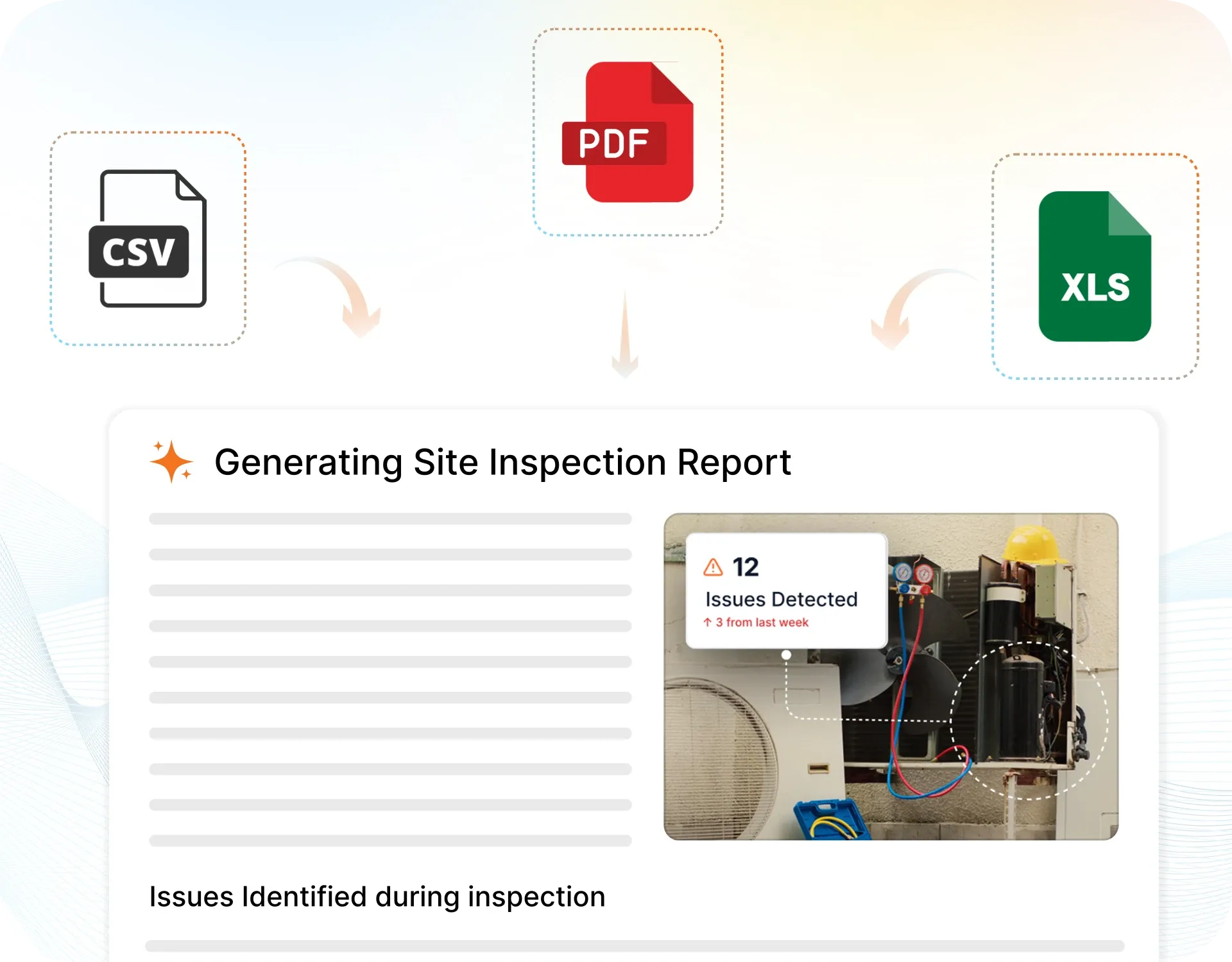
The moment an inspection is submitted, a branded PDF, Excel, or CSV report generates automatically. No manual work. No waiting.

InspectWrk integrates with the tools your team already uses, including Zoho, Microsoft 365, and SAP. No double entry.

Your operations team sees completion rates, open issues, and compliance scores across all sites in real time. No chasing updates.
Manage every checklist in one connected workspace, capture evidence on mobile at the point of work, and let AI turn field inputs into clear, stakeholder-ready reports in minutes.


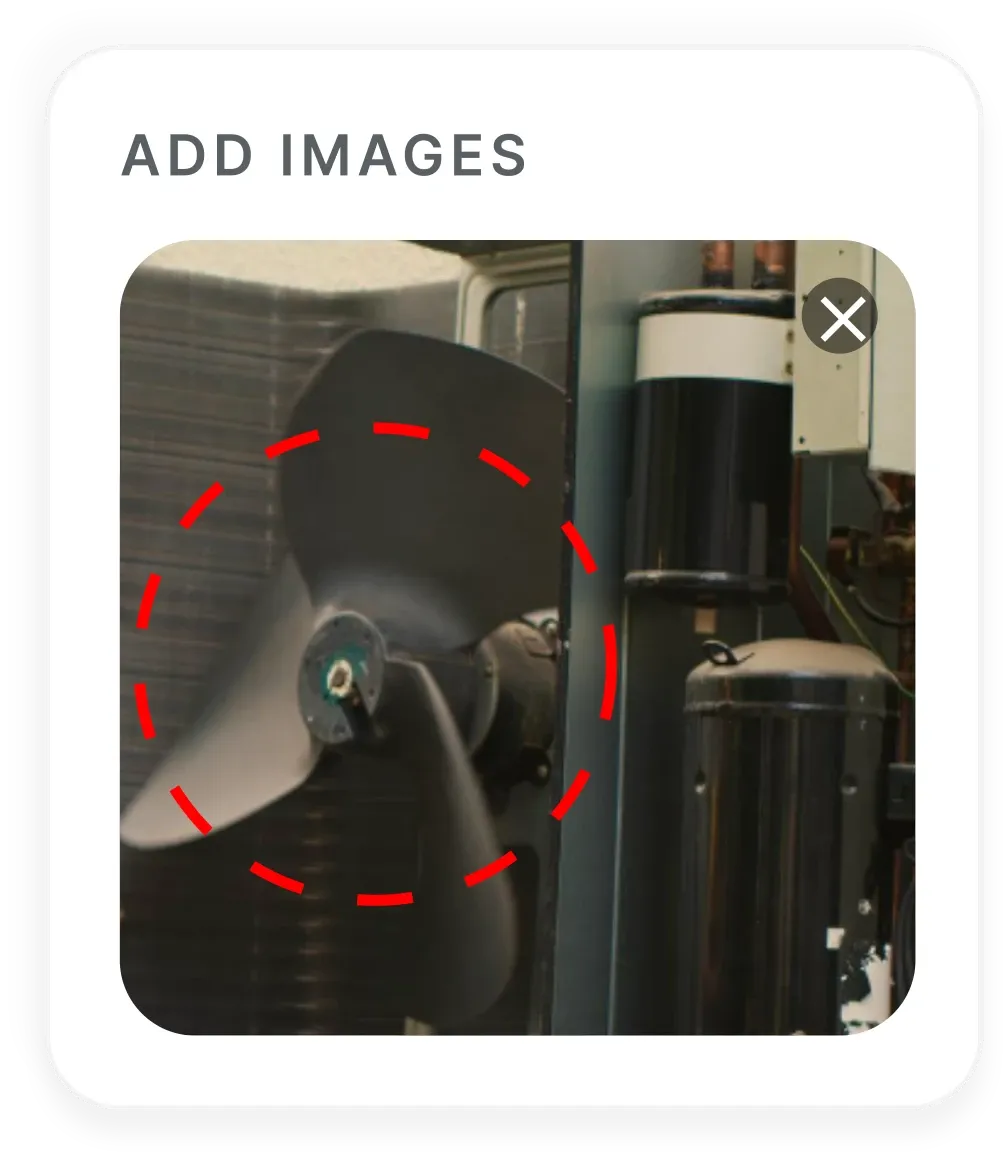


See which checklists your team has in progress across every site, jump into the same inspection with one tap, and keep field, supervisor, and back-office views in sync without sending screenshots on WhatsApp.



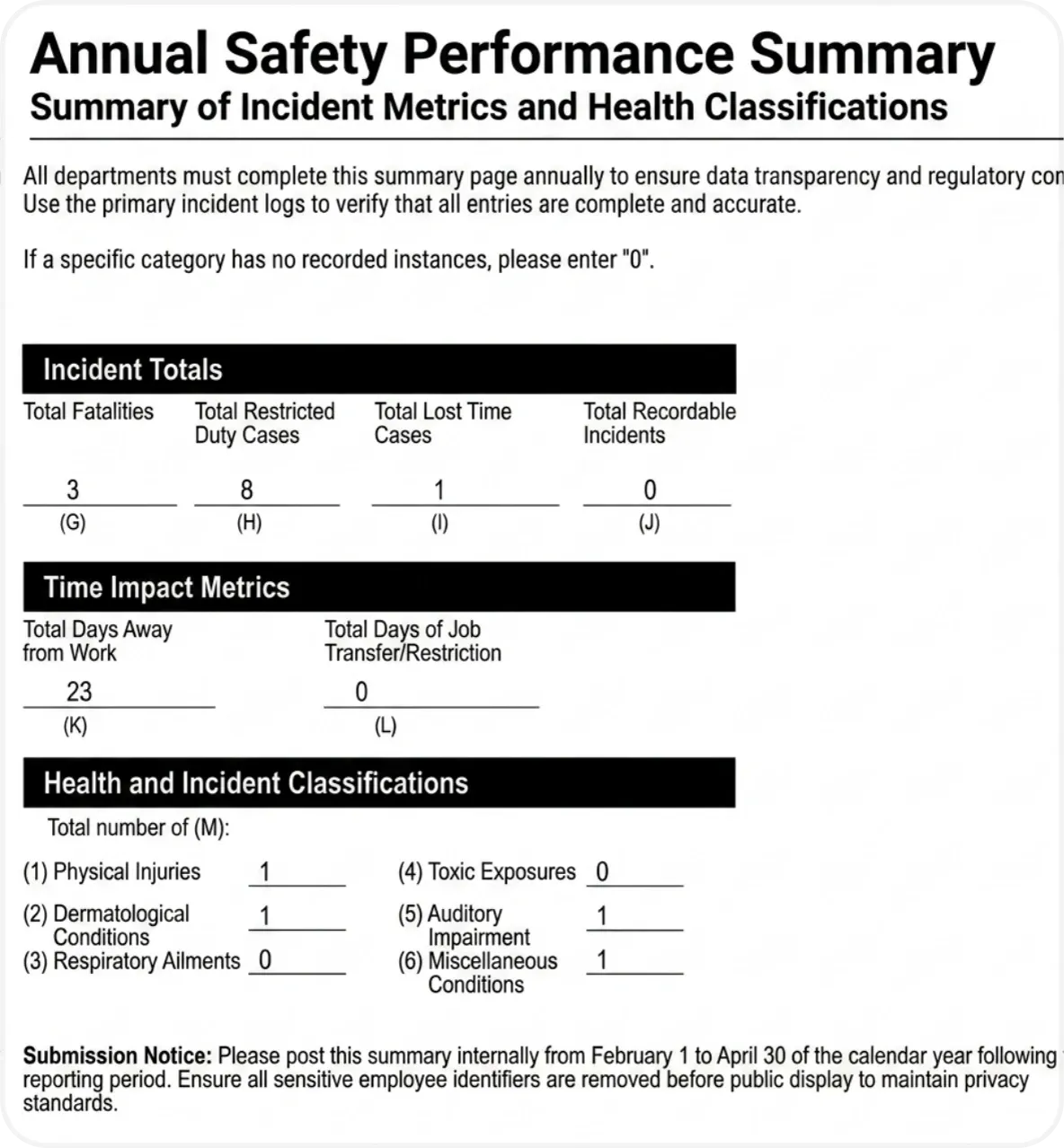


Every team reports differently. Build the report your operations, quality, or compliance leads actually want to read, share it as a branded PDF, and schedule delivery to the stakeholders who need it.



See completion, pass rate, and recurring findings across every checklist and every site, without pulling spreadsheets together at the end of the month.
Hand-picked templates for your specific industry needs.

Standard site-level inspections for construction, safety, and compliance.

Inspect assets and equipment: condition, location, photos, and maintenance history.

Run the Maintenance Checklist on the InspectWrk app to capture photo evidence per finding and generate audit-ready reports.
A structured record of a damp and mould survey in a home. It covers the tenant's report and history, the condition of each room, the likely type of damp, moisture readings, ventilation, heating, building defects and the actions agreed, including the follow-up visit.
Condensation forms when moist indoor air meets cold surfaces, often on windows and external walls. Penetrating damp comes from water getting in through defects such as blocked gutters, cracked render or failed seals. Rising damp comes up from the ground, usually low on ground-floor walls. Plumbing leaks can look similar, so the cause should be confirmed before repairs are ordered.
No. Building defects, poor ventilation, heating that does not work and cold spots can all cause or worsen damp and mould. Living conditions such as drying clothes indoors can add moisture, which is why the form records them as observations, alongside the building's condition, rather than as blame.
Each finding gets a likely cause, a priority and an action, such as repairing a defect, improving ventilation, mould treatment by a suitable contractor or a specialist survey. Advice given to the tenant is recorded, and a follow-up visit confirms the work was done and the damp and mould has not returned.
It gives you a clear record of the survey and the actions agreed, which supports those requirements. The duties themselves depend on the country and the type of tenancy, and social landlords in England have specific duties on damp and mould. Check current government guidance for the requirements that apply to your homes.

A damp and mould inspection form records damp and mould in a home room by room. The surveyor notes where mould is visible and how far it extends, the likely type of damp, moisture readings, ventilation and heating, building defects and living conditions, then agrees the repairs, advice and follow-up visit needed.
A damp and mould inspection form gives housing surveyors and landlords one consistent record of a damp and mould case. It starts with what the tenant has reported and the history of the property, then works room by room: visible mould, staining, damaged decoration and belongings, and a musty smell. For each affected area the surveyor records the likely type of damp, whether condensation, penetrating damp, rising damp or a plumbing leak, so the right repair is ordered rather than a repeat mould wash.
Ventilation, heating and building defects are checked alongside living conditions, which are recorded as observations without blame. The form supports assessment against applicable UK housing standards, such as the Housing Health and Safety Rating System in England. Social landlords in England also have specific duties to investigate and fix damp and mould hazards, often referred to as Awaab's Law; check current government guidance for the requirements and timescales that apply to you.
The bedroom wall is washed down and repainted, and six weeks later the mould is back. The cause was never recorded: a blocked gutter feeding penetrating damp, or an extractor fan that stopped working two winters ago.
Without a room-by-room record of the damp type, defects and actions agreed, each visit starts again from the tenant's report.
Treating the mould without finding the cause means it comes back. A structured survey helps you:
A complete damp and mould survey covers:
Complete the form during the visit:
See how this checklist fits into Facility management software.
This checklist runs as a mobile inspection app that works fully offline on site, with AI-powered defect detection on every photo. To see it on your own workflows, talk to our team.