

Education5,000+ downloads
Workshop Inspection Checklist
Inspect workshops for safety, housekeeping, equipment condition, and compliance. Capture hazards, photos, and corrective actions.
- Education
- Workshop

Education checklists
Library of free education inspection checklist templates: campus safety walks, lab inspections, fire NOC, AMC, and emergency drills. Find the right checklist and run it on the InspectWrk app.
Search or browse by industry to pick a proven template.
Edit questions, scoring and required photos to fit your sites.
Run it in the InspectWrk app, even offline, or export a PDF.
Sign off and a branded report is generated and shared.
1,355 free templates, ready to use in the app or as a PDF.
Showing 1-12 of 1,355 templates
Inspect workshops for safety, housekeeping, equipment condition, and compliance. Capture hazards, photos, and corrective actions.

School classroom snagging: finishes, lighting, AV, and accessibility. Education handover punch list.

Lecture hall snagging: AV, acoustics, seating, and MEP. Pre-handover defect capture.

Library snagging: finishes, lighting, power, data, and environmental controls. Handover punch list.

Education building handover readiness: classrooms, labs, and MEP. Final snag and sign-off.
Audit lab safety controls including chemical storage, PPE, emergency equipment, signage, and housekeeping with evidence capture.
Collect training feedback, satisfaction, and improvement opportunities for HR license training programs with structured responses.

Structured learning checklist for freelancers to build foundational English skills for international work and client communication.
Commission AV systems with structured checks for installation, configuration, signal flow, handover documentation, and client sign-off.

Observe lessons and evaluate teaching practice, classroom management, engagement, and learning objectives with consistent criteria.
Evaluate teaching strategy and overall educator performance using a structured form with ratings, notes, and follow-up actions.

Identify hazards and assess risks across school environments. Track controls, action owners, and review dates for compliance.
Open a ready-to-use template and customize it for your team.
Every Education template in one place: 1,355 in total.
An education inspection checklist is a structured document used to assess, record, and track the safety and condition of school, campus, and university facilities in a consistent format. Facility heads, safety officers, and estates teams use it to inspect classrooms, laboratories, playgrounds, canteens, and shared buildings. It captures hazards, maintenance status, and safeguarding gaps so issues are logged with evidence before they affect students or staff.
Also called a campus safety audit form or school facility inspection form, it supports one core objective: keeping learning environments safe, accessible, and compliant for students, teachers, and visitors.
Education inspection checklists turn campus safety into repeatable, evidence-based routines. They let estates teams maintain safe conditions across multiple buildings even when the facility head cannot be on every site daily.
Digital school inspection report workflows improve accountability by recording who completed each check, when, and with what photo evidence. This creates defensible records for fire authority reviews, accreditation visits, and parent or board queries.
Strong compliance checklist use also supports preventive maintenance on assets such as boilers, lifts, and lab fume hoods, improving reliability and reducing emergency repair costs during term time.
Consistent records also support safeguarding governance, helping leadership show that hazard controls and drills were carried out on schedule.
Effective campus governance uses multiple checklist formats by building type, inspection objective, and frequency.
Tiered frequencies improve control and prevent gaps:
Specialized templates target critical systems and safeguarding needs for focused inspections:
While content varies by institution type and objective, most school and campus audit checklist templates include core inspection domains for safety, function, and compliance.
Depending on scope, additional checks may include pest management, transport and bus safety, historical maintenance records, drill documentation, and staff or parent feedback.
Use this workflow to run efficient campus inspections and close issues faster:
InspectWrk is an AI-powered inspections and audits platform built for teams that manage operations across multiple campuses. Field staff complete classroom, lab, and playground inspections on a mobile app that works offline in basements and remote blocks. AI fills the form from photos and voice notes, so inspectors capture a hazard without typing. Managers see compliance status, open issues, and performance across every site on a live dashboard.
Reports are generated as a branded PDF in one click as soon as the inspection is submitted. Corrective actions are assigned to estates teams or contractors and tracked to verified closure, not just marked done. The platform also flags recurring issues, such as the same lab fume hood failing across several inspections, so leadership fixes the root cause instead of the symptom.
Before InspectWrk, a caretaker finishes a fire drill check and sends a photo on WhatsApp. The records sit in Excel and a binder, there is no proof a hazard was closed, and the facility head finds out a playground bolt was loose only after a parent complains. After InspectWrk, the check is captured on mobile with timestamped evidence, the dashboard shows it in real time, and the loose bolt is assigned and closed before the next bell.
Choose a proven workflow, customize it for your operation and deploy it to your team.
View All Apps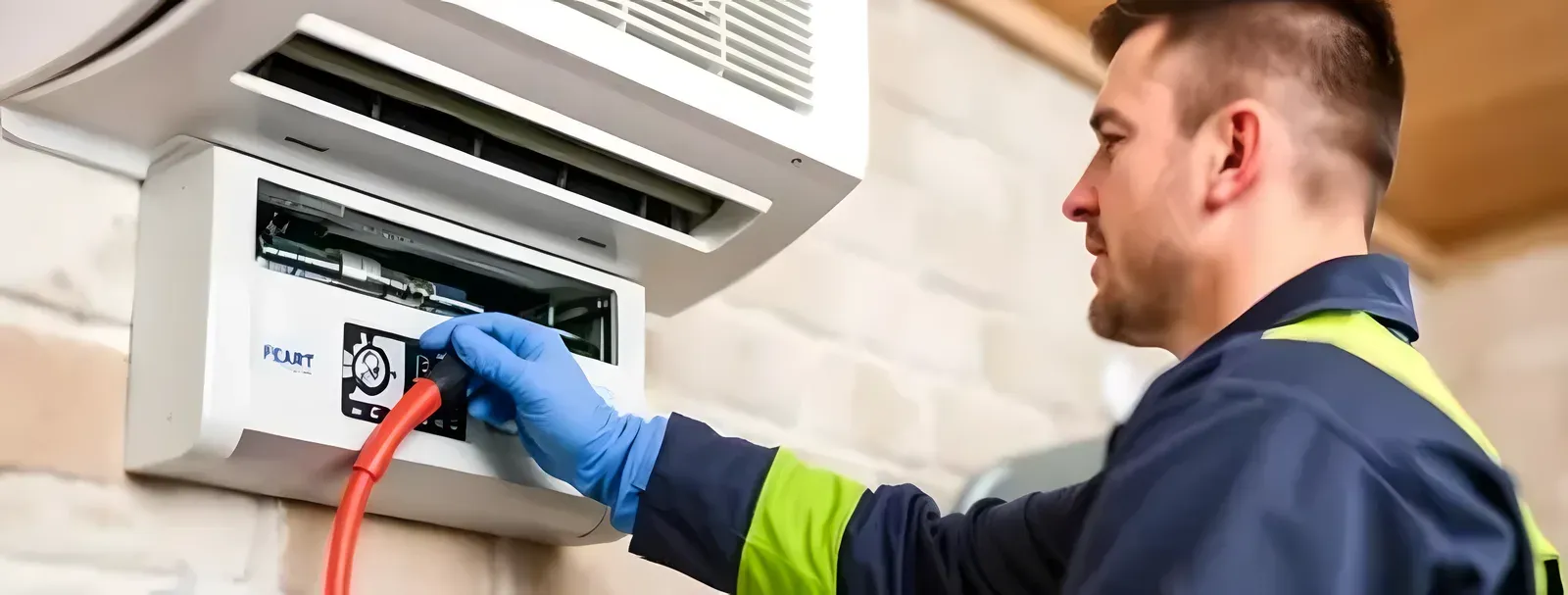 FacilitiesRated 4.8
by InspectWrk
Run planned maintenance, HVAC, and building services checks from one app.
 BuildingRated 4.8
by InspectWrk
Building condition and compliance inspections with photo evidence.
 PropertyRated 4.8
by InspectWrk
Move-in, move-out, and routine property condition reports.
 ConstructionRated 4.8
by InspectWrk
Site-level safety, quality, and progress checks for construction.
See your own checklist running in the app in a 30-minute demo.
Book a Free DemoA school facility safety inspection checklist should cover grounds, learning spaces, building systems, and safeguarding controls. On grounds, it checks playground equipment anchoring, fencing, gates, and accessible routes. Indoors, it reviews classroom furniture, clear evacuation paths, fire extinguishers, alarms, and emergency lighting. Laboratories need fume hood function, chemical storage, gas line integrity, and eyewash stations. Canteen sections verify food storage temperatures, sanitation, and HACCP controls. Building systems include electrical panels, plumbing, legionella controls, lifts, and HVAC. The checklist should also confirm first aid stock, drill logs, visitor access controls, and alignment with OSHA, fire NOC, ADA accessibility, and local education safety codes so the institution can prove its duty of care.
Campus safety inspections work best on tiered frequencies. Daily checks cover entrance security, washroom hygiene, and clear evacuation routes, since these change every day with student movement. Weekly checks include fire alarm tests, first aid stock levels, and playground equipment condition. Termly inspections are deeper building audits that cover preventive maintenance on boilers and lifts, drill log reviews, asbestos and legionella register checks, and full compliance verification before each new term. High-risk areas such as science laboratories and kitchens often need their own scheduled checks. Annual audits consolidate everything into a full condition and risk review. Local education safety codes, fire authority requirements, and insurer conditions may set minimum intervals, so the schedule should be documented and evidenced.
Yes. InspectWrk is built for sites where signal is weak or absent, including plant rooms, basements, hostel blocks, and rural campuses. Inspectors download their assigned checklists and complete inspections fully offline on the mobile app. Photos, voice notes, AI form filling, and corrective action logging all work without a connection. When the device returns to network coverage, data syncs automatically to the live dashboard with original timestamps and location data preserved. Nothing is lost and no one has to re-enter results back at the office. This matters for education teams because many critical assets, such as boiler rooms and lift machine rooms, sit exactly where connectivity is poorest, and skipping those checks is not an option for student safety.
Inspection software keeps fire drill and safeguarding records in one searchable system instead of binders and chat threads. Each drill is logged with date, time, evacuation duration, attendance, and photo evidence, so the institution can produce a complete history for the fire authority or an accreditation visit in seconds. Safeguarding checks, such as visitor sign-in audits, perimeter integrity, and CCTV coverage, follow standardized forms with mandatory fields, which reduces missed items. When a drill reveals a blocked exit or a broken alarm, a corrective action is assigned with a due date and tracked to verified closure. Recurring issue detection highlights repeated failures, such as the same exit being obstructed, so leadership addresses the cause and demonstrates active duty of care.
Yes. InspectWrk is designed for operations teams that manage many buildings or several schools at once, so it scales from a single campus to a multi-site trust or university estate. Each site has its own checklists, schedules, and assigned staff, while leadership sees a single dashboard covering compliance status, open issues, and overdue actions across every location. Managers can compare performance between campuses, spot which site has the most open hazards, and see recurring issues that appear across buildings. Reports can be generated per site or for the whole estate as branded PDFs for boards, regulators, or insurers. This central view replaces the manual coordination that breaks down once an institution grows beyond a couple of sites.
Last updated: