
“InspectWrk transformed how we manage site safety inspections. The offline capability alone saved us countless hours. Our compliance rate jumped from 72% to 96% in just three months.”
Sarah Mitchell
Meridian Construction Group

Looking for warranty management software built around how your team tracks coverage and claims? We provide it. InspectWrk delivers a tailored warranty solution on our platform, configured to your assets, coverage, and claims. Book a demo to scope it.
Warranty management software tracks the warranties on an organisation's assets: what is covered, until when, by whom, and what happens when a claim is due. InspectWrk provides a warranty solution tailored to your operation, built on our records and workflow platform and configured to your assets, coverage, and claim process.
Most warranty information is buried in purchase paperwork and a spreadsheet nobody updates. Coverage and expiry dates go unwatched, so repairs that should have been claimed are paid for, warranty documents cannot be found when a claim is needed, and there is no record of what was claimed and resolved.
We deliver your warranty solution in five steps, from scoping your assets to rollout and support.
We map your assets, their warranties, and how claims are handled, so the solution matches how your team actually manages coverage.
We build warranty records against each asset on the platform, with coverage, start and end dates, and vendor and manufacturer information.
We configure expiration tracking with reminders and the warranty-claim workflow with status, so coverage is used before it lapses.
You run the solution on one asset group, so records, reminders, and claims are proven before it scales.
We roll the solution across your assets and sites and support it, with warranty status and claim records live for your teams.
Warranty management covers the warranty lifecycle on assets: coverage records, expiration, claims, verification, and service history. The scope below is what the platform holds and tracks, distinct from general asset maintenance, which it connects to.
InspectWrk is the warranty and records layer beside your asset or finance system, not a replacement for it. Your asset register or finance system can hold ownership and purchase cost. InspectWrk owns the warranty lifecycle: coverage records, expiration tracking, claims, verification, and service history. Warranty records link back to the asset, so coverage and its evidence sit beside your systems of record without duplicating them.
Validate four things during the pilot rather than after. First, that warranty records hold coverage, dates, and vendor information per asset. Second, that expiration reminders reach the right person before coverage lapses. Third, that claims run with status and verification. Fourth, that warranty status rolls up across sites. Run one asset group so the record, reminder, and claim loop is proven before it scales.
Warranty records inform repair and spend decisions, so their integrity matters. InspectWrk enforces role-based access so teams record and claim, managers review coverage and claims, and finance sees warranty value. Warranties, claims, and verifications are logged and retained for the period your asset and finance teams require, so any claim about coverage or a warranty outcome can be traced to its evidence with time and author preserved.
A warranty rollout works best asset group by asset group or site by site rather than all at once. Start where coverage value or expiry risk is highest, prove the record, reminder, and claim loop there, then extend. Existing warranty details import so teams do not start empty. Because records are configuration rather than code, each asset type can carry its own coverage fields while warranty status rolls up to one view for asset and finance leadership.
What Warranty Management Software covers for your team.
Teams comparing InspectWrk to purchase folders and spreadsheets for warranty see the difference on five points: coverage visibility, expiration, claims, covered work, and records.
| Capability | Without InspectWrk | With InspectWrk |
|---|---|---|
| Coverage visibility | Warranty coverage is buried in purchase paperwork, so nobody knows what is under warranty. | Coverage is recorded against each asset, so what is under warranty and until when is clear. |
| Expiration | Expiry dates go unwatched, so warranties lapse and repairs are paid for that could have been claimed. | Expiration is tracked with reminders, so coverage is used or renewed before it lapses. |
| Claims | Claims are handled ad hoc, so warranty documents cannot be found and claims are missed. | Warranty claims run as a workflow with status, so claims are made and tracked to resolution. |
| Covered work | Nobody checks whether a repair is covered, so warranty work is paid for out of pocket. | Warranty is verified before a repair, so covered work is claimed rather than paid for. |
| Records | There is no record of what was claimed and resolved, so warranty value cannot be shown. | A claim and service history is held per asset, so warranty activity is on the record. |
Manage every checklist in one connected workspace, capture evidence on mobile at the point of work, and let AI turn field inputs into clear, stakeholder-ready reports in minutes.


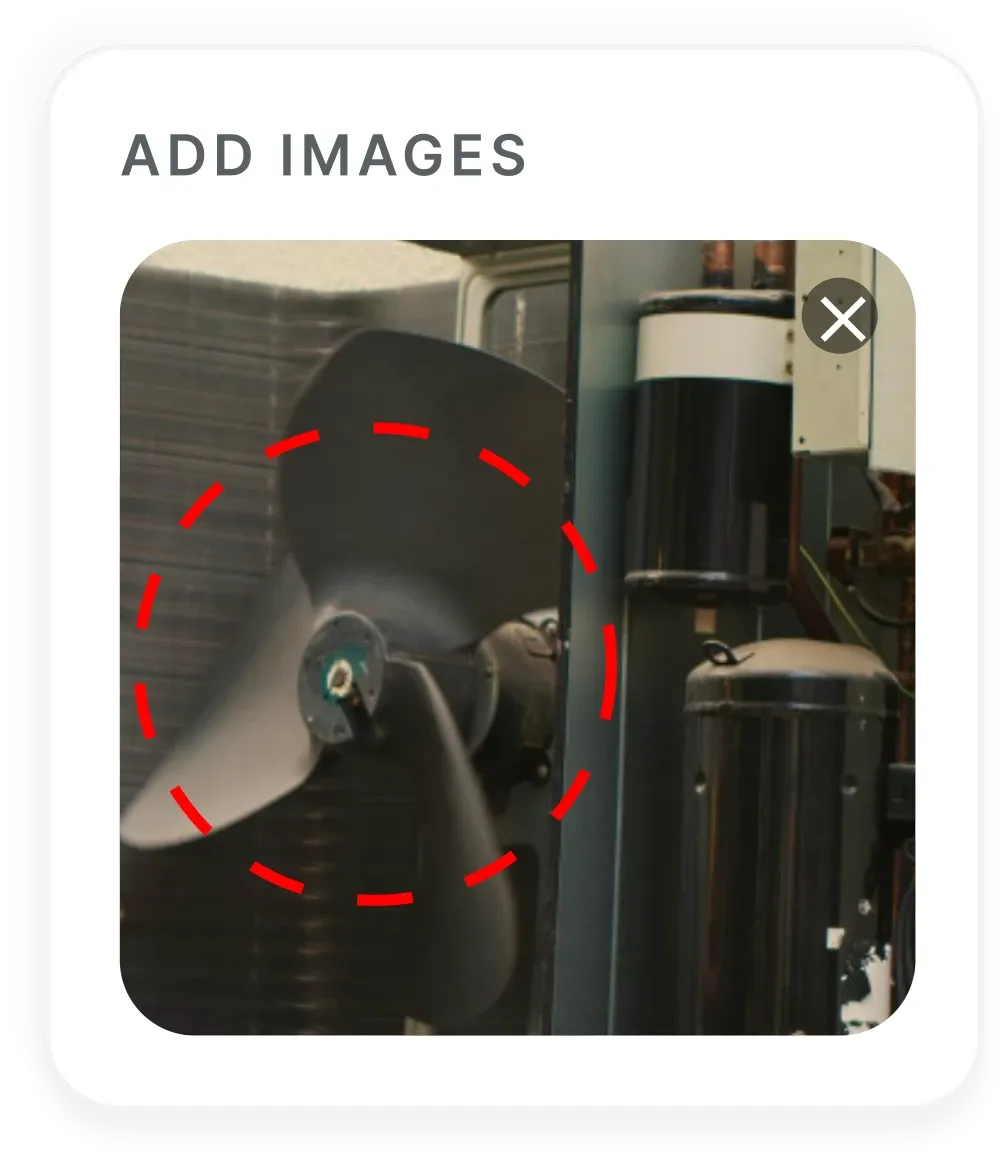
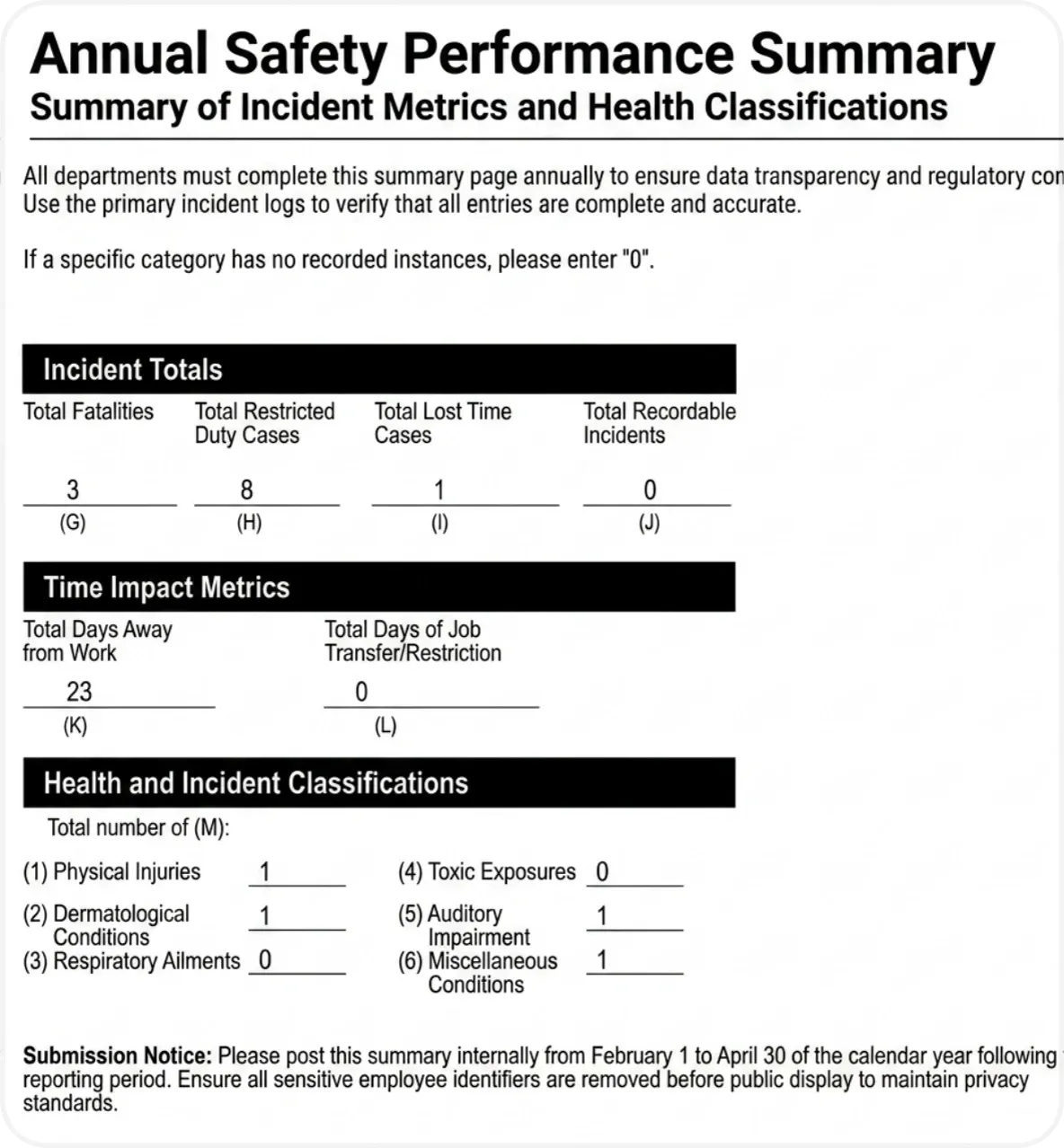
See which checklists your team has in progress across every site, jump into the same inspection with one tap, and keep field, supervisor, and back-office views in sync without sending screenshots on WhatsApp.


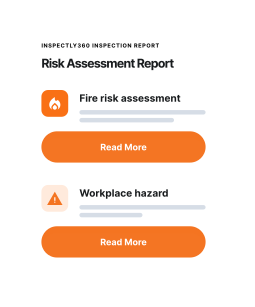


Every team reports differently. Build the report your operations, quality, or compliance leads actually want to read, share it as a branded PDF, and schedule delivery to the stakeholders who need it.


See completion, pass rate, and recurring findings across every checklist and every site, without pulling spreadsheets together at the end of the month.
What changes once warranty management software is standardised on InspectWrk.





“InspectWrk transformed how we manage site safety inspections. The offline capability alone saved us countless hours. Our compliance rate jumped from 72% to 96% in just three months.”
Sarah Mitchell
Meridian Construction Group

“The AI-powered defect detection has changed how we work. Our inspectors capture photos and the system flags issues we'd have missed. It's like having an expert reviewer on every site visit.”
James Chen
Pacific Manufacturing Co.
“Rolling out digital checklists across multiple projects gave us instant visibility into recurring safety issues. We now resolve critical findings in hours instead of days.”
Olivia Carter
Northbridge Infrastructure
Get started with inspection and audit checklist templates.

Standard site-level inspections for construction, safety, and compliance. Capture conditions, photos, and follow-ups in one place.

Inspect assets and equipment: condition, location, photos, and maintenance history. Track condition over time.

Complete work orders with checklist items, photos, and sign-off. Track completion and proof of work.

Preventive and corrective maintenance inspections. Log repairs, parts, and condition with photos and follow-ups.
Warranty management is a focused slice of asset management, deliberately centred on the warranty lifecycle rather than general maintenance. Asset management tracks what assets you have and their condition, and maintenance management schedules and records the work done on them. Warranty management is specifically about coverage: what is under warranty, until when, by which vendor, and what happens when a claim is due. The workflows connect, a repair on an asset should check whether it is under warranty, but this page owns coverage, expiration, claims, and verification rather than the maintenance itself. InspectWrk provides asset and maintenance solutions too, so warranty sits alongside them and draws on the asset record, without any of them repeating the others. If your need is never paying for covered work and never missing a claim, this is the right page.
We build your warranty solution on the InspectWrk platform and configure it to your process, rather than handing you a fixed product. Our team scopes your assets, their warranties, and how claims are handled, configures the warranty records, expiration reminders, claim workflow, verification, and reporting to match, and rolls it out with a pilot asset group first. Because the platform is built for configurable records, scheduling, workflows, and reporting, a warranty solution tailored to your process is delivered without custom code. You get software shaped to how your team actually manages warranties, supported by our team, rather than the purchase folders and spreadsheets where warranty information usually goes to be forgotten.
Yes, and this is where most warranty value is lost or saved. Each asset carries a warranty record with its coverage details and start and end dates, so what is under warranty and until when is visible rather than buried in purchase paperwork. The solution tracks those expiry dates and raises reminders before coverage lapses, so a warranty is used, renewed, or consciously allowed to expire rather than quietly running out unnoticed. Because coverage and expiry roll up across sites, a manager can see which assets are approaching expiry and which are still covered, which matters both for planning repairs and for deciding whether to extend coverage. Watching coverage and expiry actively, rather than discovering a warranty lapsed after paying for a repair, is one of the clearest returns on managing warranties in a system.
Yes. When a repair or issue arises, the solution lets you verify whether the asset is under warranty and whether the work is covered before any money is spent, which is exactly the check that gets skipped when warranty information is scattered, leading to paying for covered work. If it is covered, a warranty claim runs as a workflow with a status, so the claim is made, its progress is tracked, and its resolution is recorded rather than being handled ad hoc and forgotten. The claim sits on the asset alongside its service history, which is often what a vendor needs to honour a claim. Because claims and their outcomes are recorded, you can also show the value warranties have returned, which is useful when justifying maintenance budgets or negotiating coverage. This turns warranty from a document nobody reads into an active part of every repair decision.
Yes. Warranties span every asset an organisation owns, across every site, and the value of managing them centrally grows with scale. The solution holds a warranty record for each asset, tied to its location and site, and rolls coverage, expiry, and claim status up to a view across the whole estate, so a manager sees warranty risk and value across sites rather than asset by asset. Because records are held per asset and per site, a local team can manage the warranties on their equipment while leadership sees the aggregate, including which sites have significant coverage approaching expiry. This multi-site view is what turns warranty management from a filing task into a source of savings, because expiring coverage and claim opportunities are surfaced across the organisation rather than discovered too late on individual assets.
Last updated: