“InspectWrk transformed how we manage site safety inspections. The offline capability alone saved us countless hours. Our compliance rate jumped from 72% to 96% in just three months.”
Sarah Mitchell
Meridian Construction Group

Convert your checklist into Mobile App
Transport management software, seen from the inspection side: manage vehicle checks, driver defects, maintenance follow-up and compliance evidence in one place - the inspection and records layer of your transport operation.
Transport management software, in the broadest sense, is the umbrella an operation uses to run its vehicles, drivers, jobs, maintenance and compliance. Full transport-management and fleet platforms handle dispatch, routing, tracking and billing.
The pain it solves is the one paper and spreadsheets never fixed: checks completed from memory with no proof they happened, defects that die between the driver and the workshop, maintenance history scattered across folders and a provider's system, and the recurring difficulty of proving what was actually inspected when a customer, insurer, or auditor asks. A dispatch system knows where the vehicle went; it rarely holds a defensible record of the vehicle's condition and the checks behind it.
Transport and maintenance teams follow this loop for vehicle-check, defect, and record cycles.
Load daily checks, periodic inspections, and defect-report templates aligned to your fleet mix and maintenance regime, so every driver and fitter records against the same items.
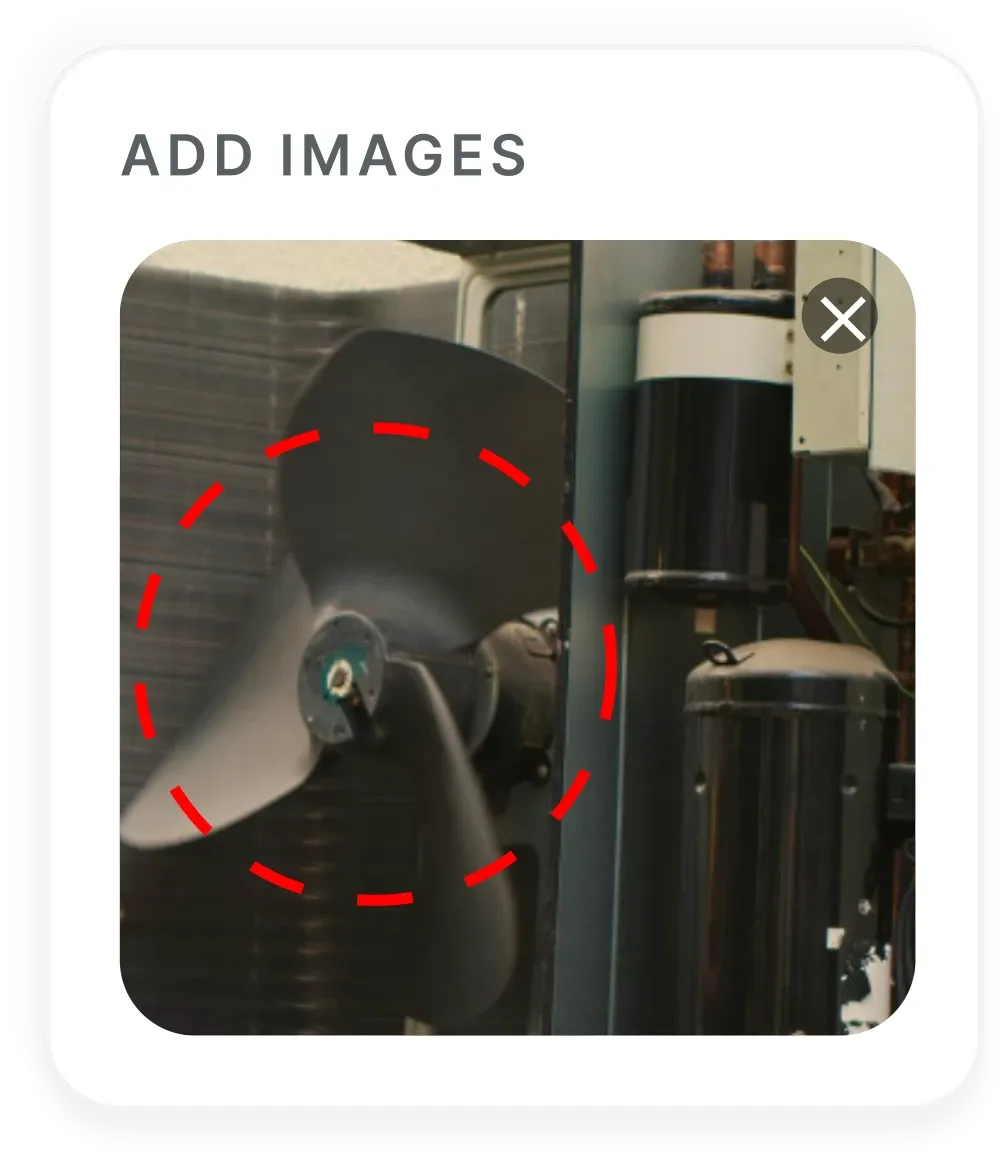
Drivers and inspectors complete checks on iOS or Android with no signal. Items, photos, and signatures cache locally and sync when connectivity returns.
Reported defects raise issues with owner, severity, and required closure evidence, so nothing is lost between the driver and the workshop.
Inspection and maintenance-check records file against the vehicle; document and due-date alerts surface before anything lapses.
Check completion, open defects, and inspection history show across the fleet on one standard and export per vehicle, depot, or date range.
InspectWrk is the inspection and records layer, not a full transport-management platform. A TMS stays the record for dispatch, routing, and billing; telematics stays the record for location and driver behaviour; the maintenance system stays the record for work orders. InspectWrk produces the structured vehicle-check and defect evidence those systems reference but do not capture, and can push defects and inspection status into the maintenance workflow so teams work from one picture.
Smaller operations pilot daily vehicle checks and defect reporting first and measure how fast a defect reaches resolution. Multi-depot businesses pilot across one region and measure check-completion consistency between sites. In every case the pilot keeps the dispatch and telematics systems in place while InspectWrk owns the inspection evidence.
Transport operations involve drivers, in-house fitters, and third-party maintenance providers. Role-based access scopes each party to the vehicles and checks they are entitled to, so contracted inspections feed the operator's record without exposing the wider fleet.
Procurement and operations should validate offline capture in a real yard, retention aligned to the operation's record-keeping needs, export formats acceptable to customers and insurers, defect-workflow rules that match the follow-up process, and RBAC granular enough for third-party scope. Pilots should confirm templates match the fleet's own check regime.
What Transport Management Software covers for your team.
Transport managers comparing InspectWrk to spreadsheets and paper vehicle records - and wondering how it relates to a full transport management or fleet system - see the difference fastest on five dimensions: vehicle-check evidence, defect follow-up to closure, maintenance-record retrieval, compliance-document visibility, and proving what was inspected across a mixed fleet without manual reconciliation.
| Capability | Without InspectWrk | With InspectWrk |
|---|---|---|
| Vehicle check evidence | Daily and periodic vehicle checks are on paper or in a spreadsheet completed after the fact, with no proof a check happened or what state the vehicle was in. | Checks run on mobile with timestamped items and photos, so the state of each vehicle at each check is a dated, retrievable record. |
| Defect follow-up to closure | A defect noted somewhere rarely has an owner or a deadline; follow-up is manual and easily lost between the driver and the workshop. | Defects become issues with owner, severity, and required closure evidence, tracked from report to resolution in one place. |
| Maintenance record retrieval | Service and inspection records are scattered across folders, inboxes, and a maintenance provider's system; assembling a vehicle's history is slow. | Inspection and maintenance-check records file against the vehicle and retrieve in one search, so history is available on demand. |
| Compliance document visibility | Insurance, inspection, and certification dates are tracked informally and noticed only when one lapses. | Document and due-date alerts surface ahead of expiry so the operation acts before a lapse, not after. |
| Proving what was inspected | Across a mixed fleet and multiple depots, there is no single view of which checks were done, by whom, and with what result. | A single dashboard shows check completion, open defects, and inspection history across the fleet on one consistent standard. |
Manage every checklist in one connected workspace, capture evidence on mobile at the point of work, and let AI turn field inputs into clear, stakeholder-ready reports in minutes.
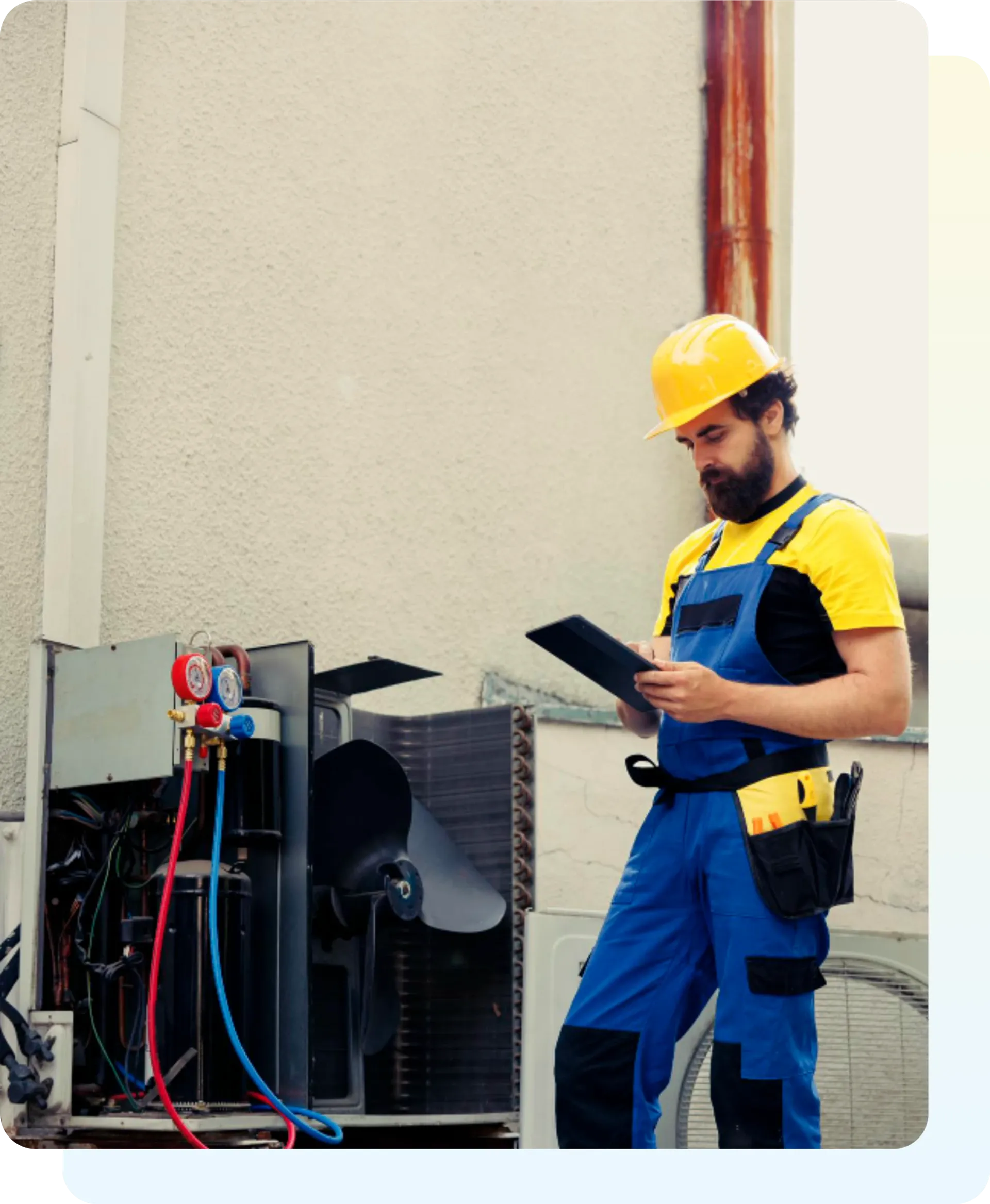
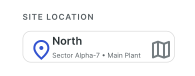
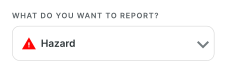
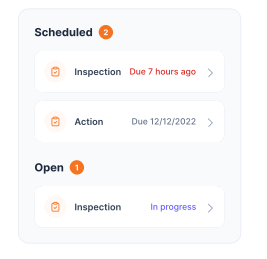
See which checklists your team has in progress across every site, jump into the same inspection with one tap, and keep field, supervisor, and back-office views in sync without sending screenshots on WhatsApp.


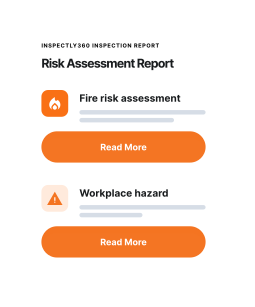
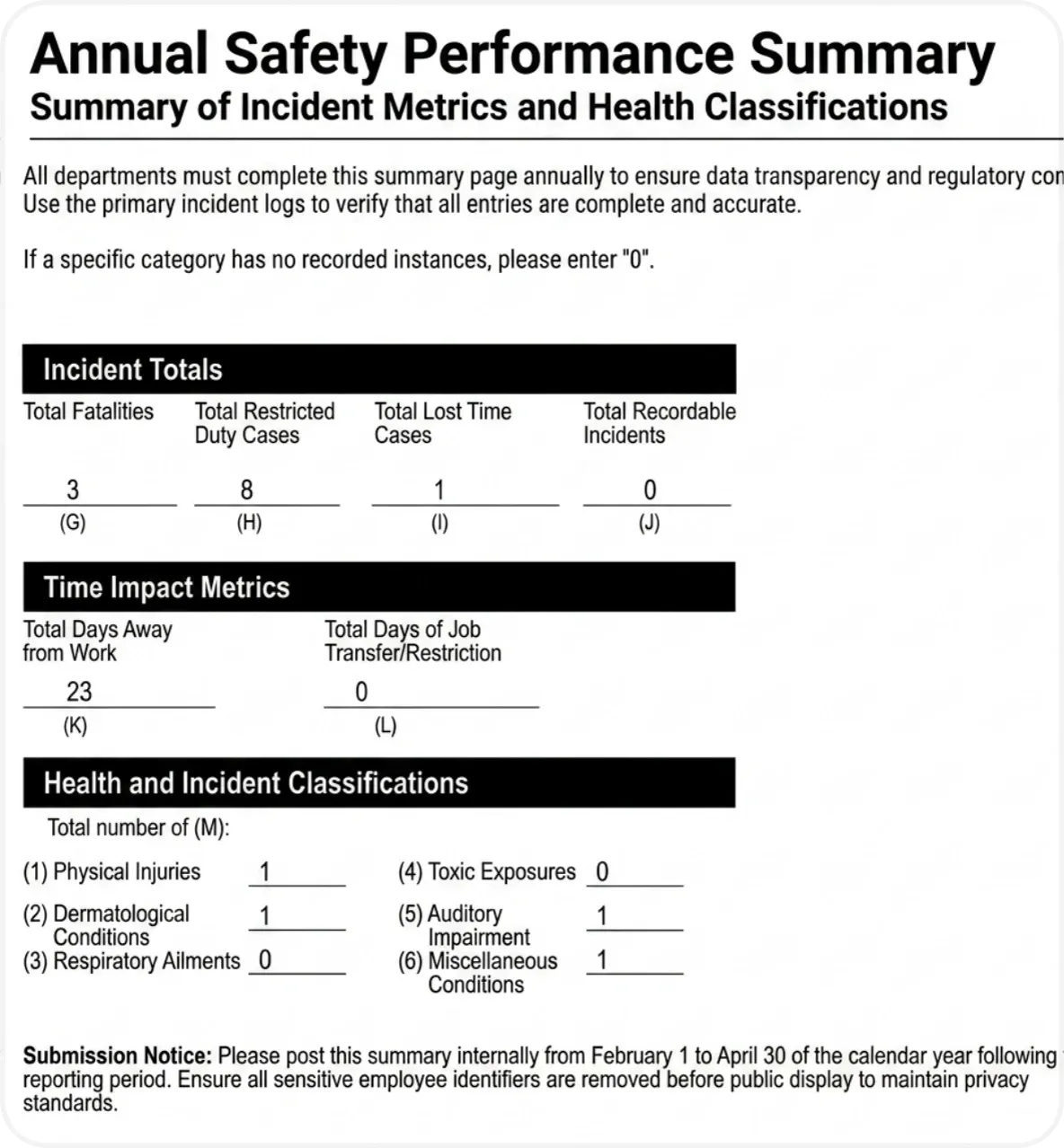


Every team reports differently. Build the report your operations, quality, or compliance leads actually want to read, share it as a branded PDF, and schedule delivery to the stakeholders who need it.


See completion, pass rate, and recurring findings across every checklist and every site, without pulling spreadsheets together at the end of the month.
What changes once transport management software is standardised on InspectWrk.
Roadworthiness and vehicle-check good practice for operators is set out in DVSA guidance:
DVSA - Guide to Maintaining Roadworthiness




“InspectWrk transformed how we manage site safety inspections. The offline capability alone saved us countless hours. Our compliance rate jumped from 72% to 96% in just three months.”
Sarah Mitchell
Meridian Construction Group
“The AI-powered defect detection has changed how we work. Our inspectors capture photos and the system flags issues we'd have missed. It's like having an expert reviewer on every site visit.”
James Chen
Pacific Manufacturing Co.
“Rolling out digital checklists across multiple projects gave us instant visibility into recurring safety issues. We now resolve critical findings in hours instead of days.”
Olivia Carter
Northbridge Infrastructure
Get started with inspection and audit checklist templates.

Use this template to perform a comprehensive safety inspection of light vehicles. This check ensures all critical components are checked ...
Use these apps to run inspections and audits.

by InspectWrk
Manage transportation plans, dispatch execution, and carrier performance.

by InspectWrk
Run transportation inspections with safety checks, issue logging, and closure verification.

by InspectWrk
Fleet and vehicle inspections with maintenance follow-up.

by InspectWrk
Run vehicle inspections on phones and tablets with offline forms, photo evidence, and instant reports.
No, and it does not pretend to be. Full transport-management and fleet platforms handle dispatch, routing, tracking, and billing. InspectWrk deliberately owns the inspection and records layer of a transport operation - vehicle checks, driver defects, maintenance follow-up, and compliance evidence - and sits beside your TMS, telematics, and maintenance systems rather than replacing them. It is the right tool for the inspection side of transport, not a substitute for a dispatch platform. Warehouse Managers run transport inspections on a phone or tablet with Transport Management Software, keeping one record for each transport and site.
Fleet management software focuses on where vehicles are and how they are used - location, fuel, utilisation, scheduling. The inspection layer focuses on the condition and compliance of those vehicles - checks, defects, inspection history, and the evidence behind them. InspectWrk complements a fleet system: it captures the structured inspection and defect evidence a telematics platform does not, and can pass defects and inspection status into the maintenance workflow. Warehouse Managers run transport inspections on a phone or tablet with Transport Management Software, keeping one record for each transport and site.
Daily and periodic vehicle checks, driver defect reports, and maintenance and safety inspections across a mixed fleet. Templates are configurable to the operation's own regime and vehicle types, and each record files against the specific vehicle so its inspection history is retrievable on demand rather than scattered across folders and providers. Warehouse Managers run transport inspections on a phone or tablet with Transport Management Software, keeping one record for each transport and site. Each transport inspections round is finished in the field, with the photos and a named sign-off attached before it submits.
A reported defect becomes an issue with an owner, severity, and the closure evidence required to resolve it. It is tracked from report through to resolution in one place, so a defect raised by a driver does not die between the cab and the workshop, and the transport manager can see what is open and overdue at any time. Warehouse Managers run transport inspections on a phone or tablet with Transport Management Software, keeping one record for each transport and site.
Yes. Insurance, inspection, and certification dates are tracked with alerts that surface before expiry, so the operation acts ahead of a lapse rather than discovering one after the fact. Combined with inspection history per vehicle, this gives compliance leads a single place to prove the fleet's records are current. Warehouse Managers run transport inspections on a phone or tablet with Transport Management Software, keeping one record for each transport and site. Each transport inspections round is finished in the field, with the photos and a named sign-off attached before it submits.
Yes. InspectWrk runs fully offline on iOS and Android in yards and roadside where signal is weak or absent. Check items, defect photos, and signatures cache on the device and sync automatically when connectivity returns, so no record is lost between the vehicle and the dashboard. Warehouse Managers run transport inspections on a phone or tablet with Transport Management Software, keeping one record for each transport and site. Each transport inspections round is finished in the field, with the photos and a named sign-off attached before it submits.
Book 30 minutes to discuss your challenges and see how InspectWrk digitizes operations with mobile apps, automated reporting, and real-time dashboards.