Much of what is written about AI in inspections is about the office: summarising reports, predicting failures, generating dashboards. Those have their place. Our focus has always been the moment of capture, on site, with a phone in one hand, because that is where most inspection data is lost or degraded.
Two capabilities do most of the work there.
Photon AI: photo to finding. An inspector points the phone at an asset or a defect. On-device AI compares the photo against the expected standard and flags likely defects, hazards and damage, such as cracks, corrosion, missing PPE or a blocked exit. Each detection carries a confidence score and a severity, and the AI suggests the category and form fields so the inspector confirms with one tap. Because processing runs on the device, it works with no signal. You can read more on the AI inspections page and in our article on edge AI versus cloud AI for industrial inspections.
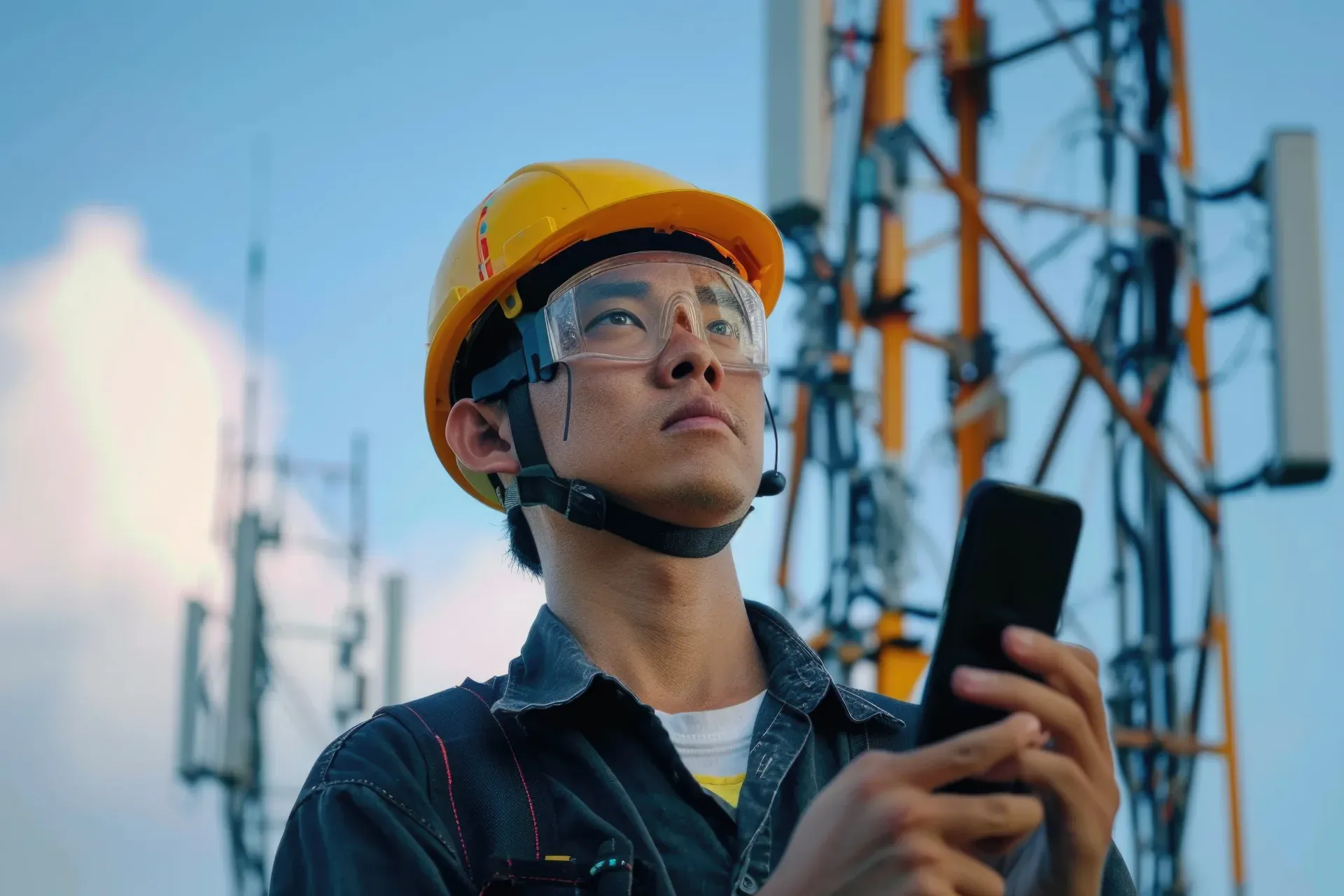
Voice AI: speak the finding. A technician wearing gloves, holding a tool or working at height cannot stop to type. With Voice AI, they describe what they see and the app transcribes it, interprets it and fills the right fields. Voice input handles English, Hindi, Marathi and other languages, so people record findings in the language they think in.
One principle runs through both. The AI is a second check, not the decision maker. The qualified inspector confirms or overrides every finding, and the record shows what was captured, by whom and when. In audited environments, that is what makes AI-assisted evidence usable.
This is also part of why the name changed. "AI in the field" describes the work we are building for: helping the person on site do the job faster and with better evidence, and getting that evidence to the people who need it.